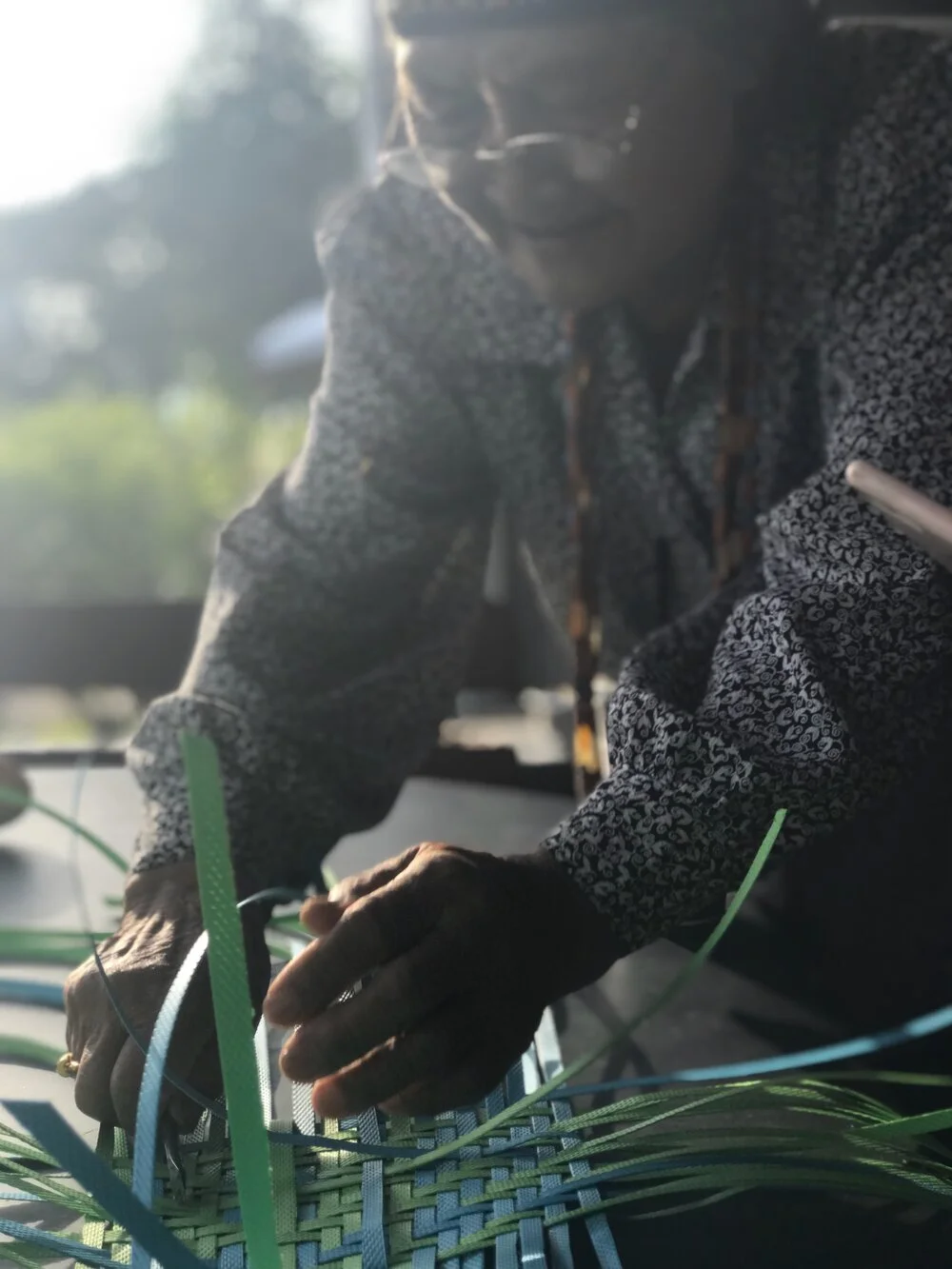
epistemology at building block etc
most of the present were already the best moments, and we realize it long, long after.
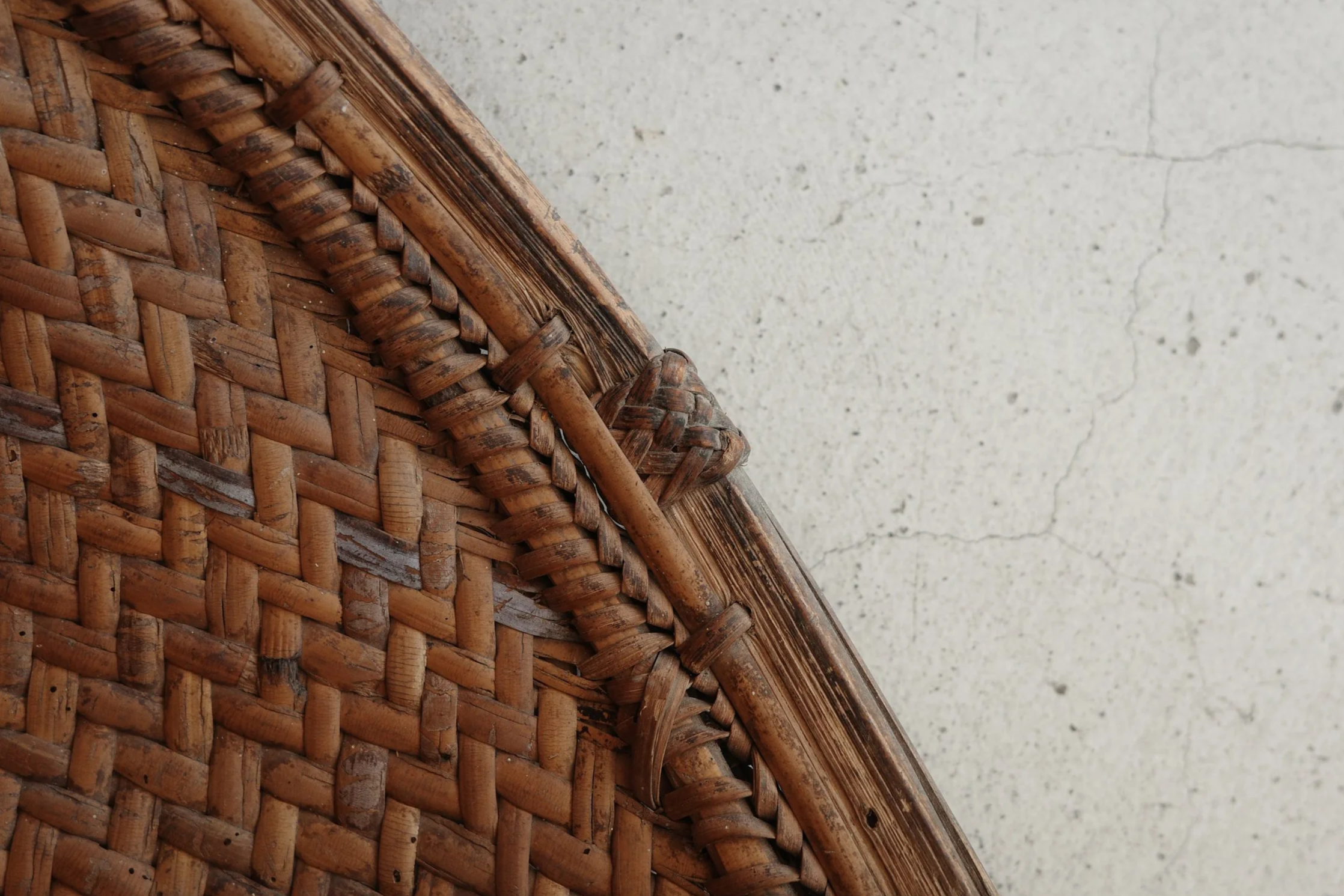
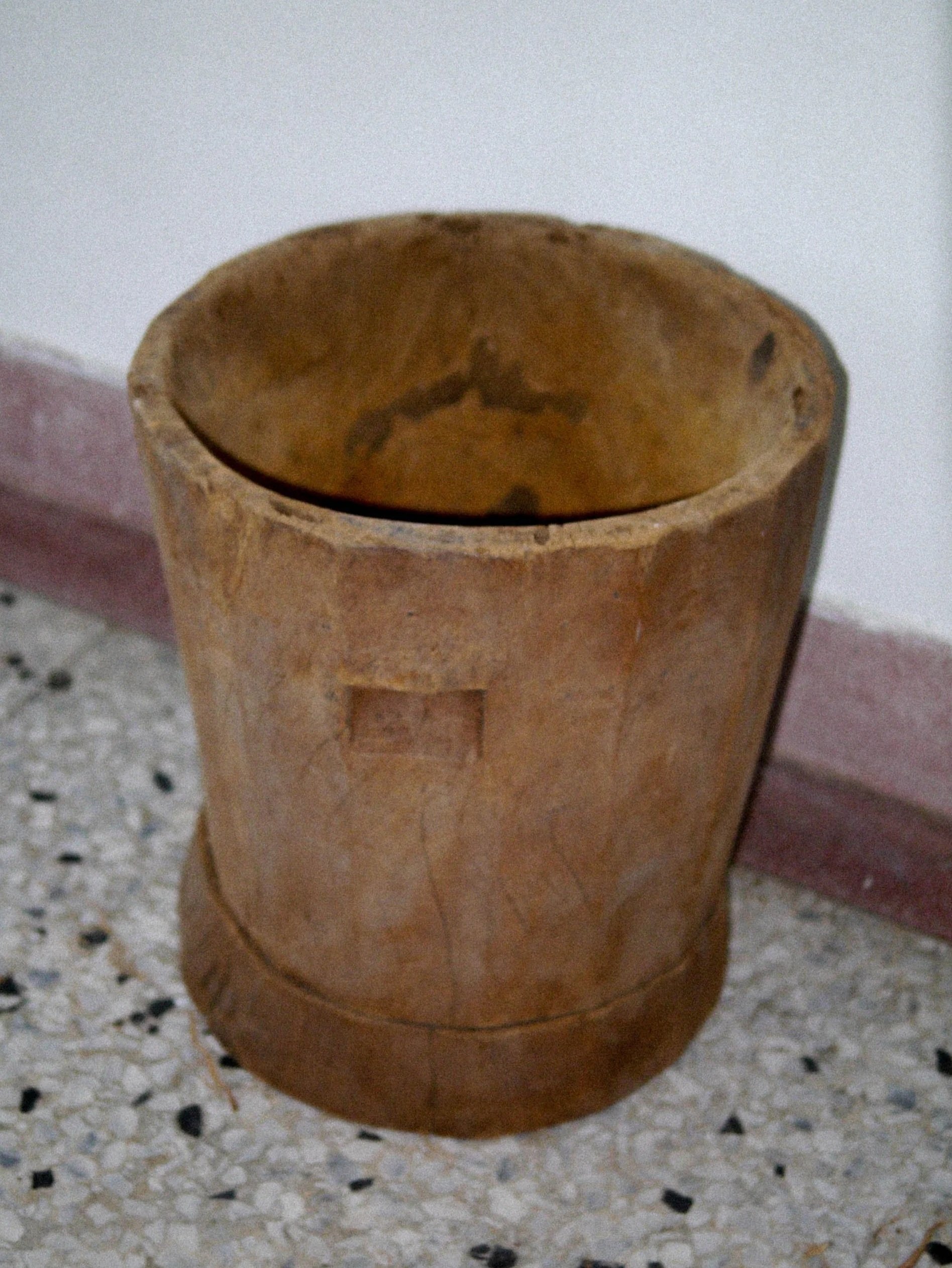
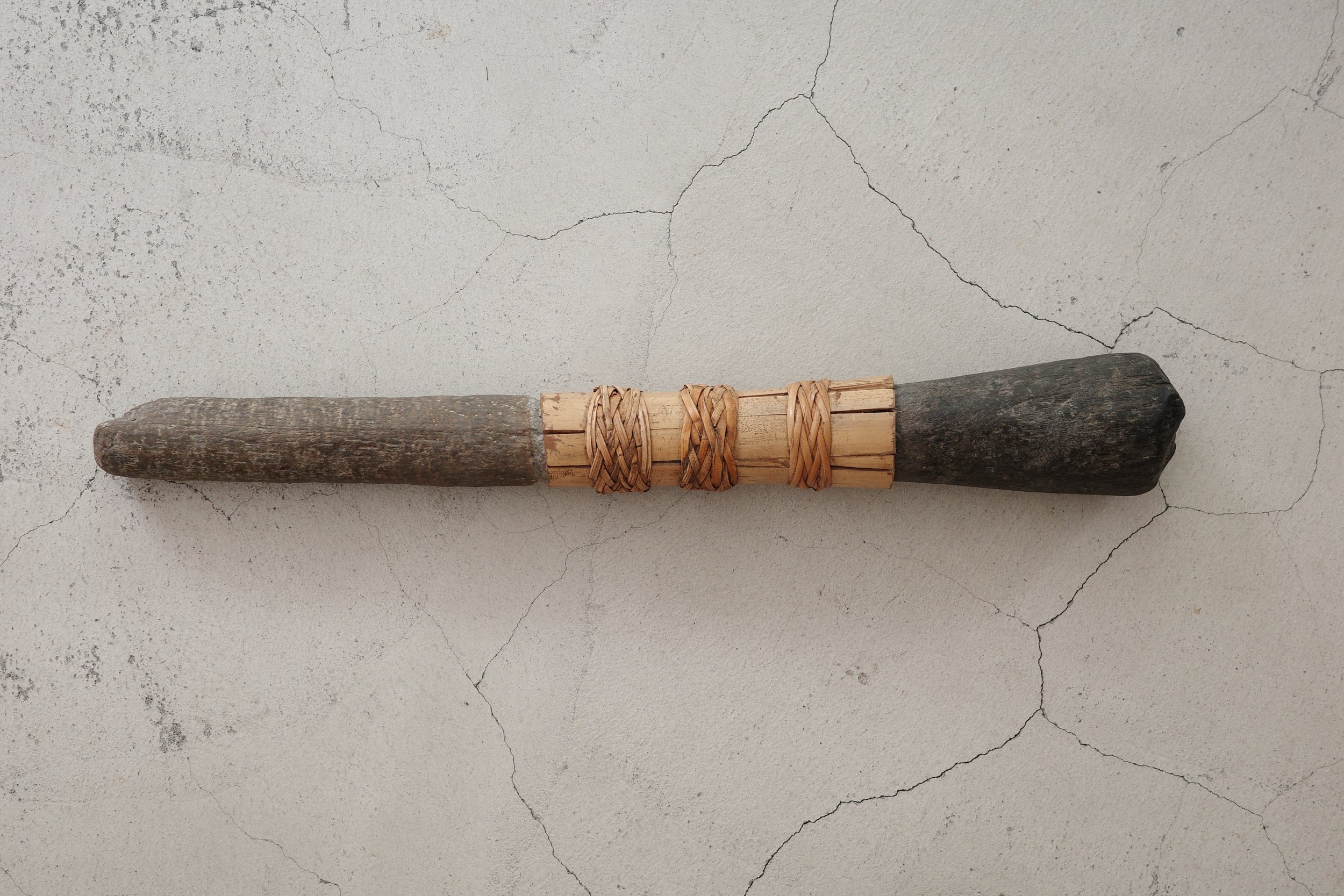
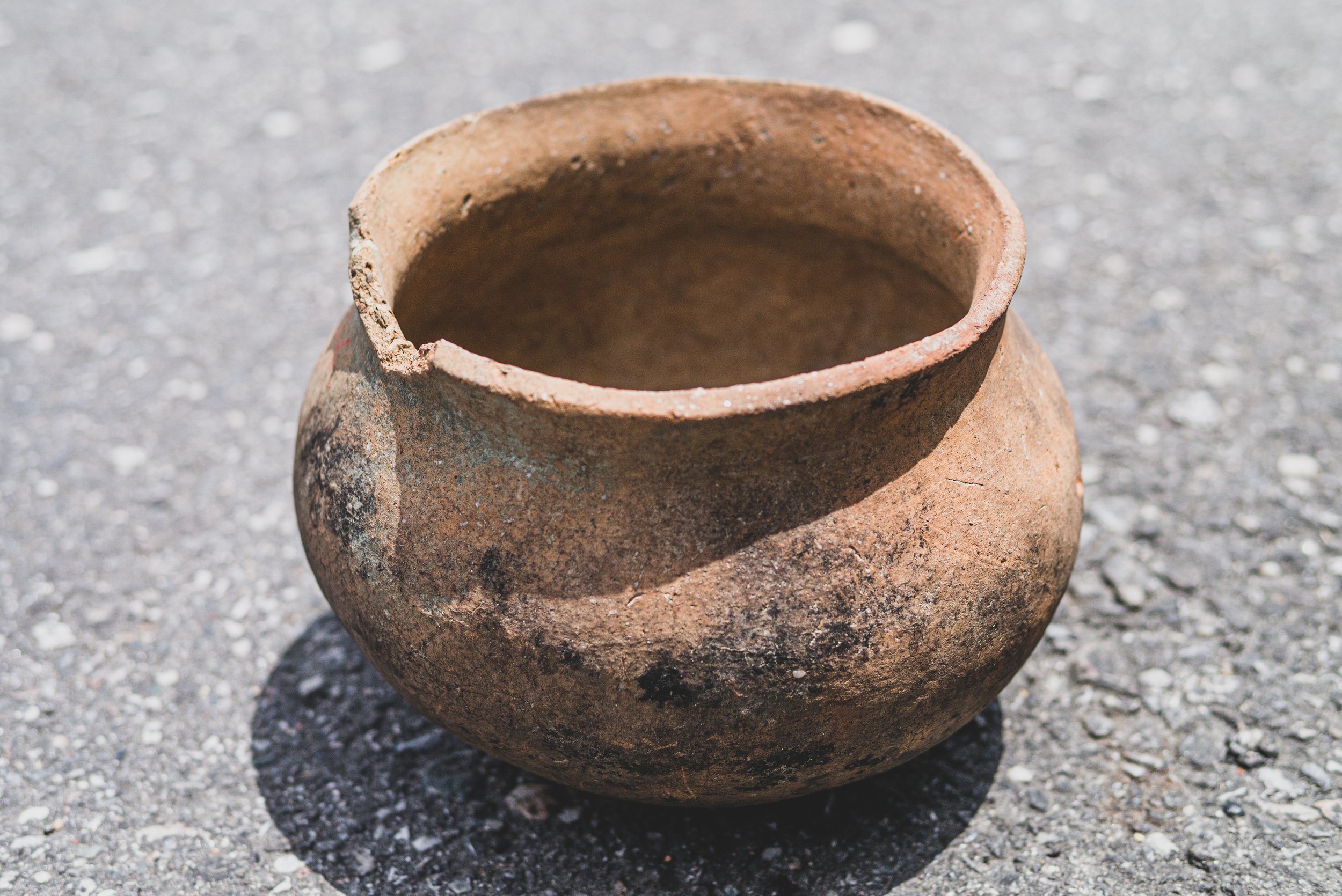
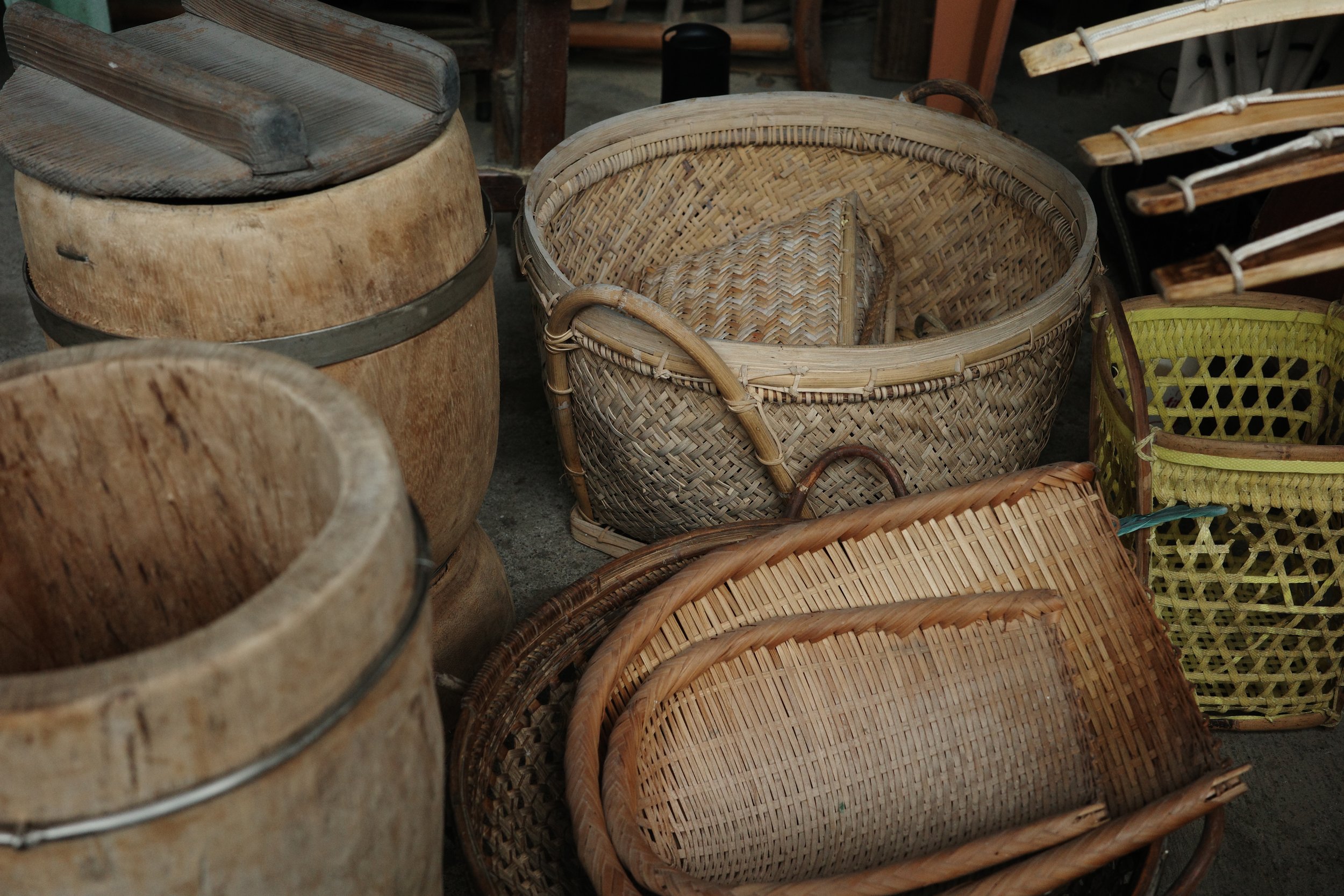
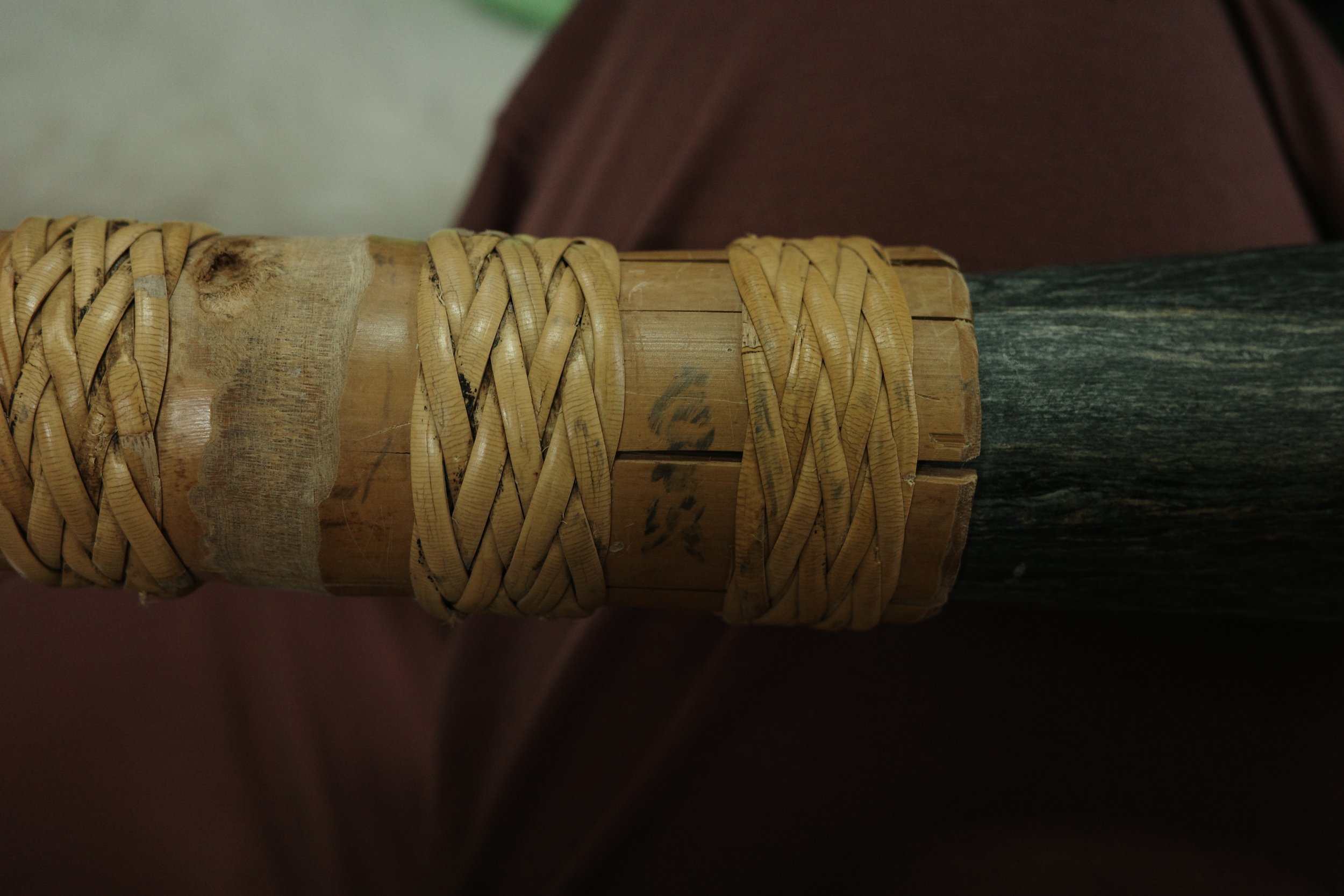
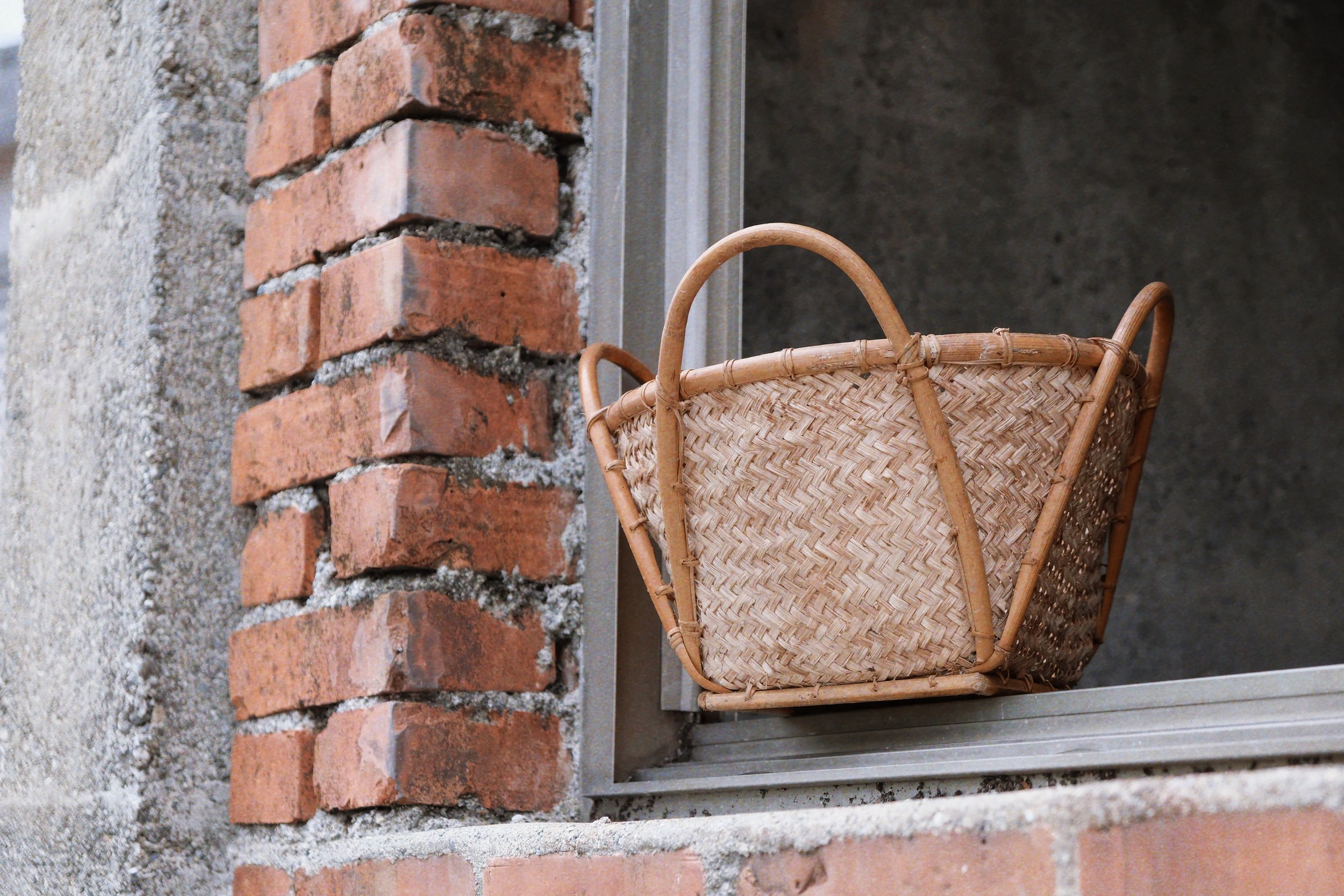
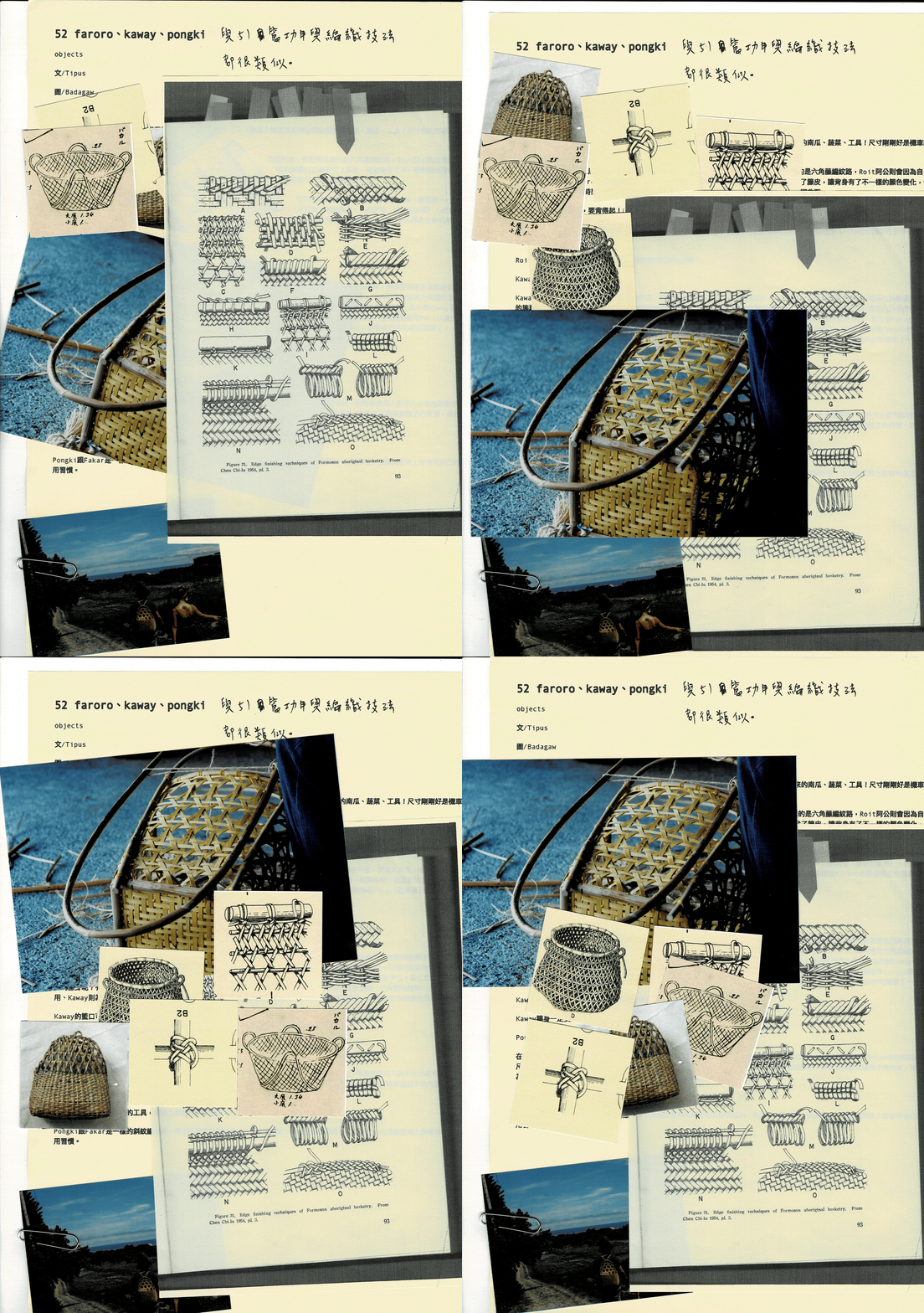
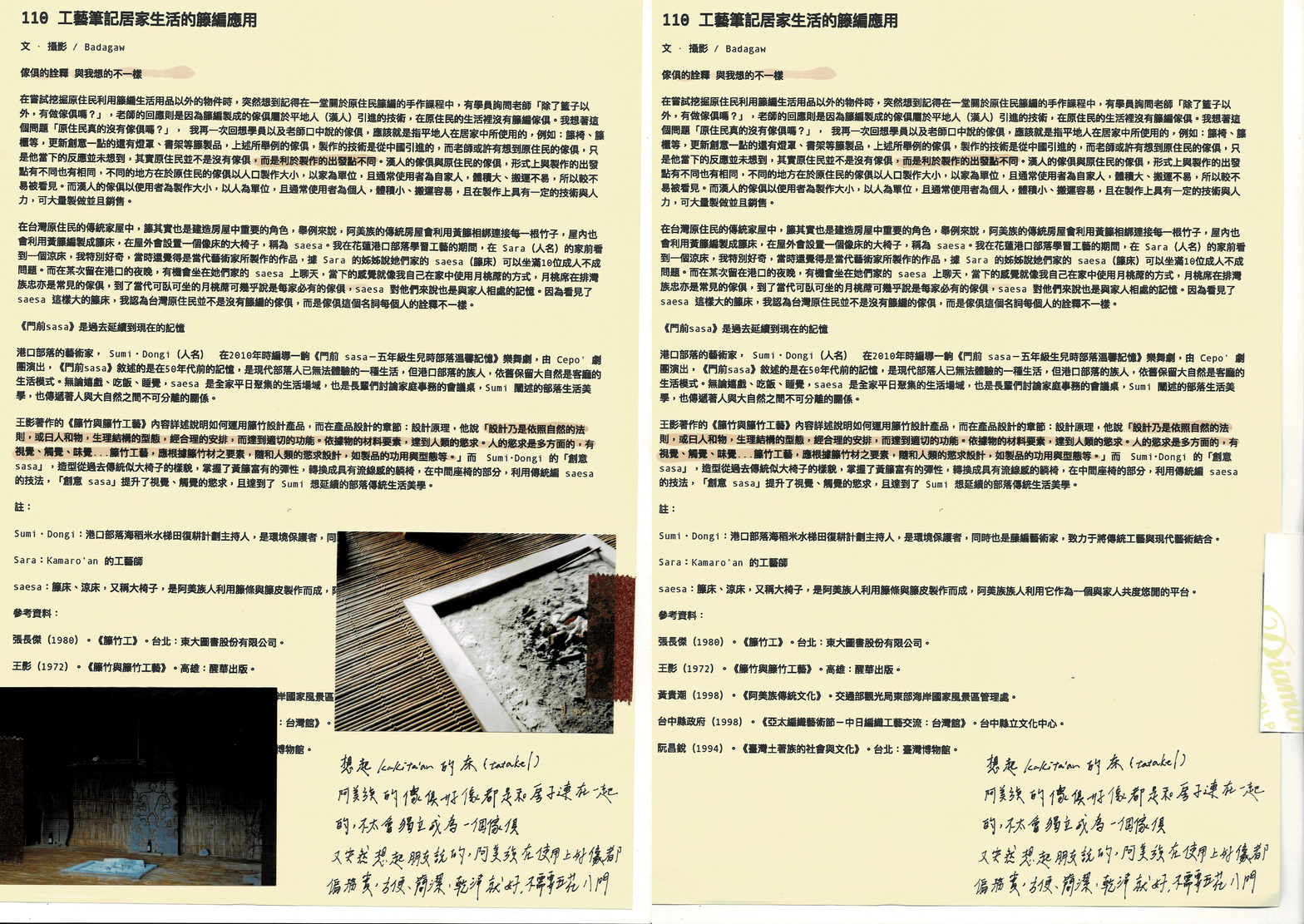
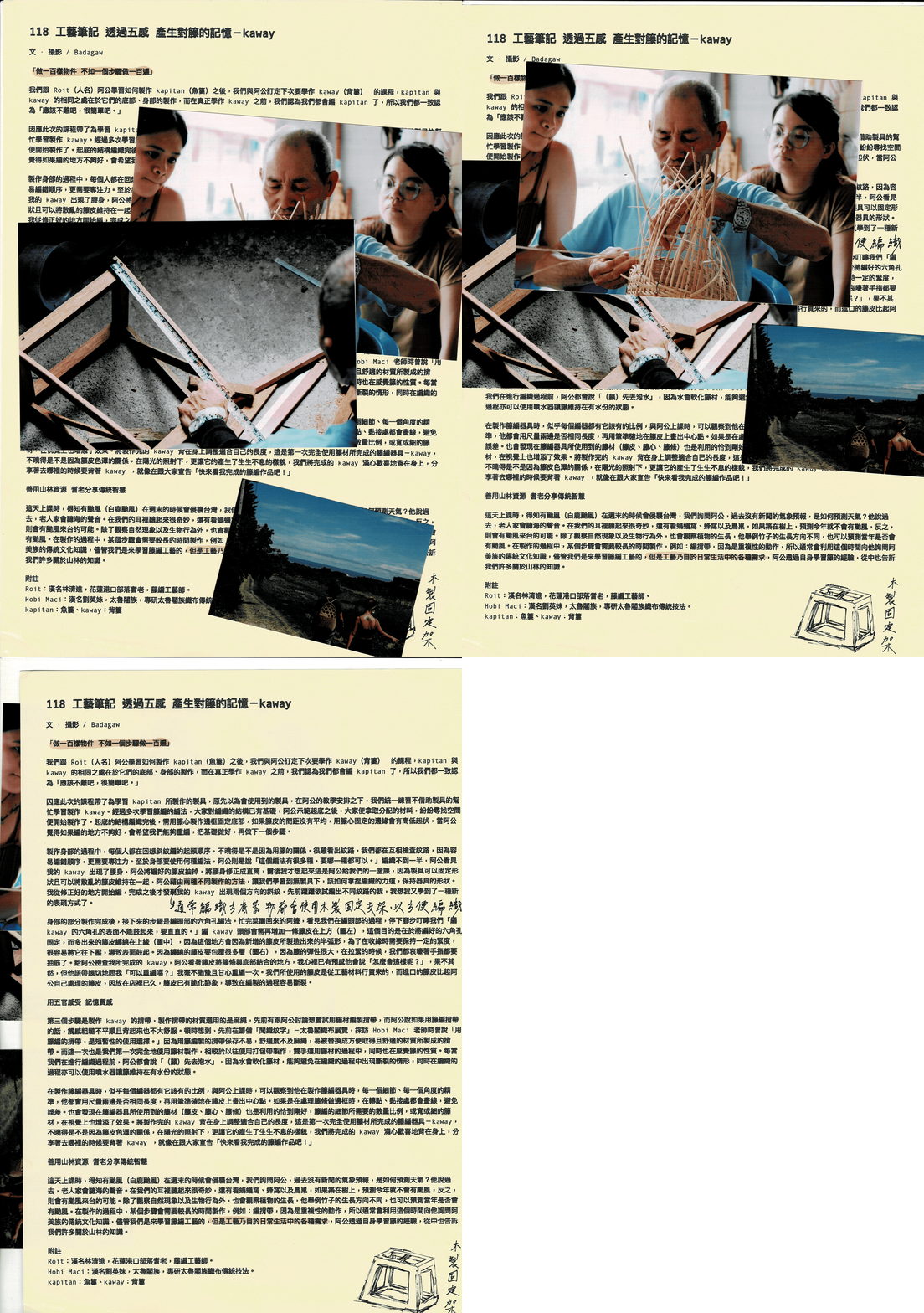
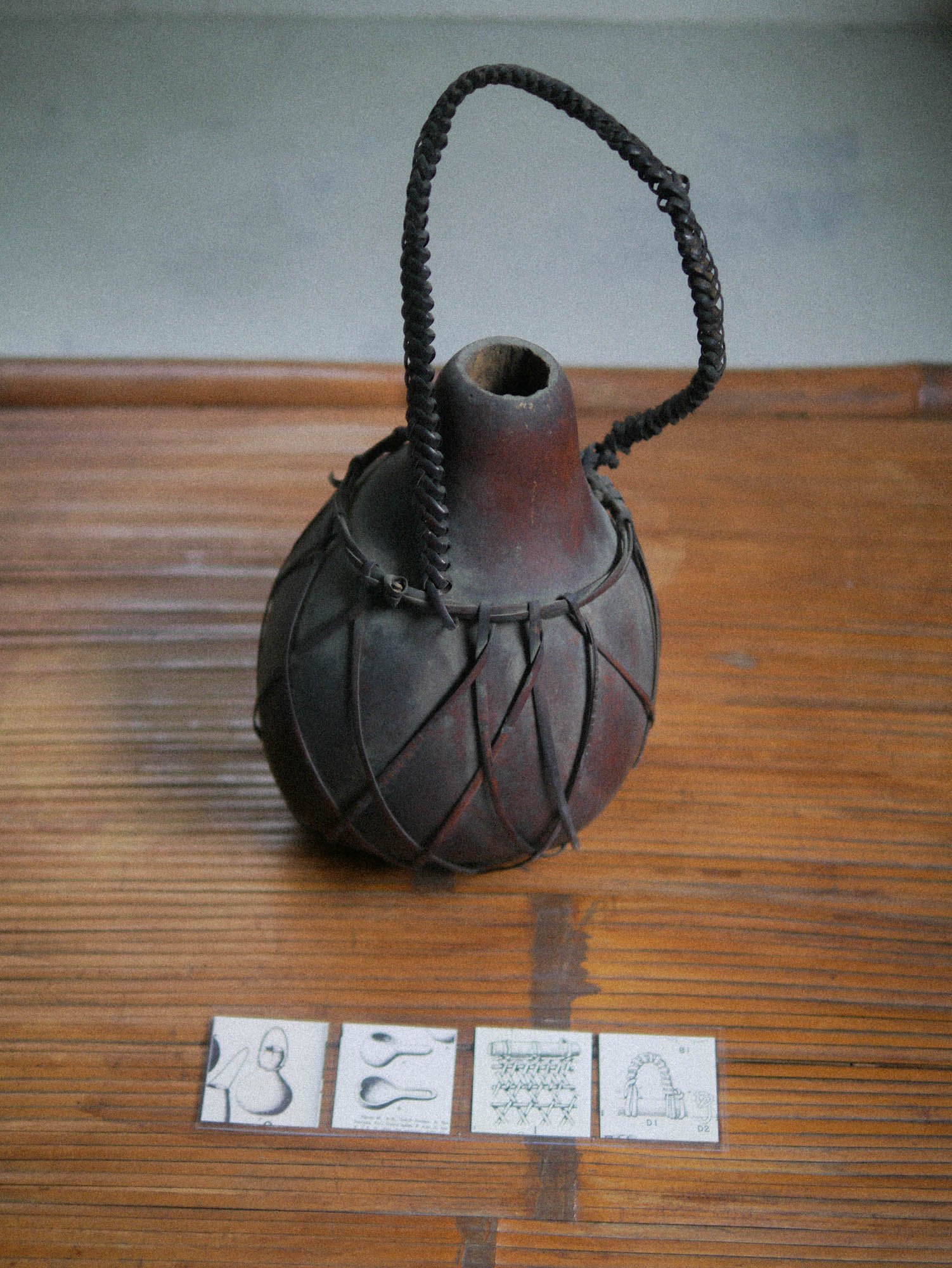
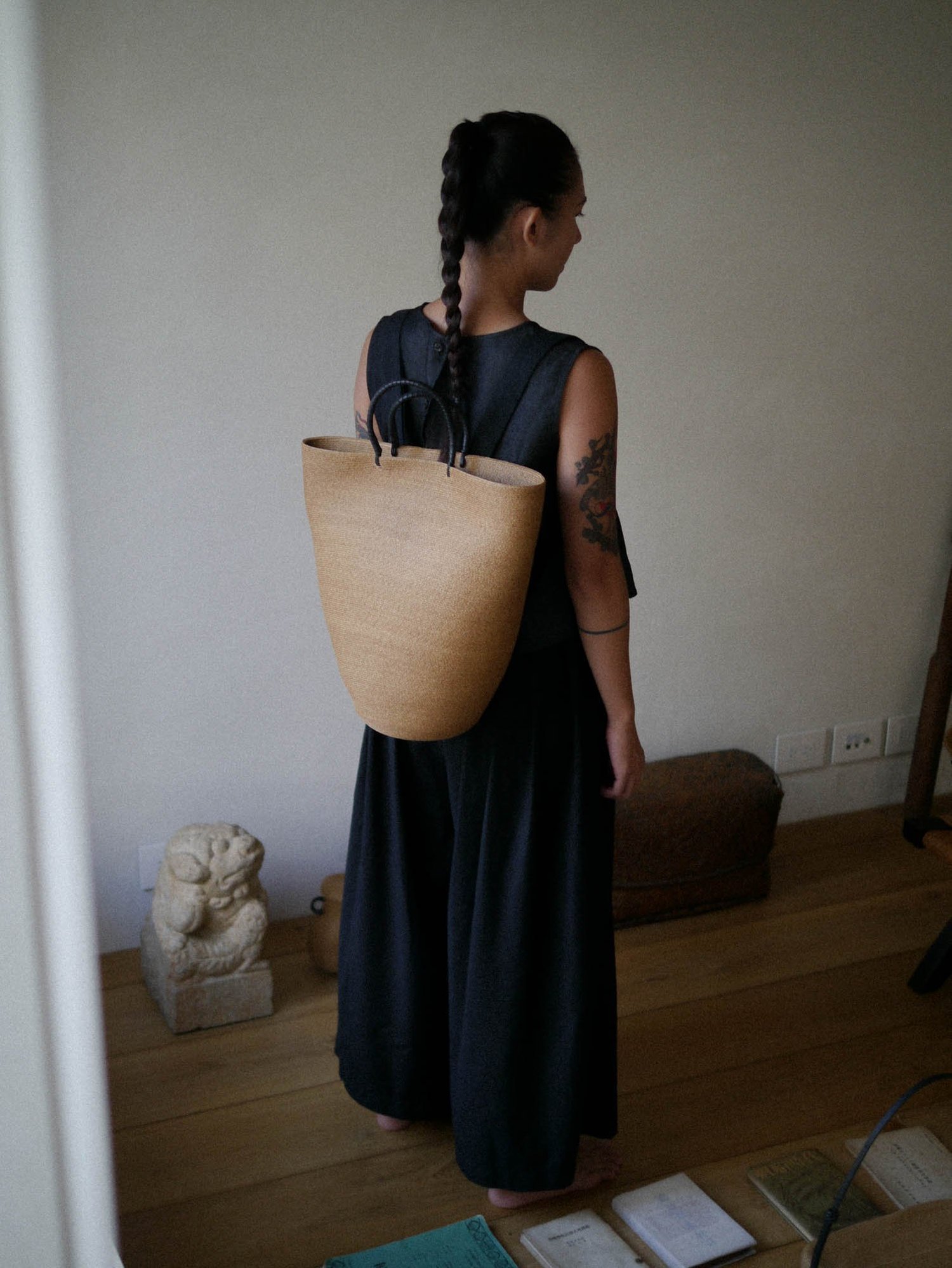
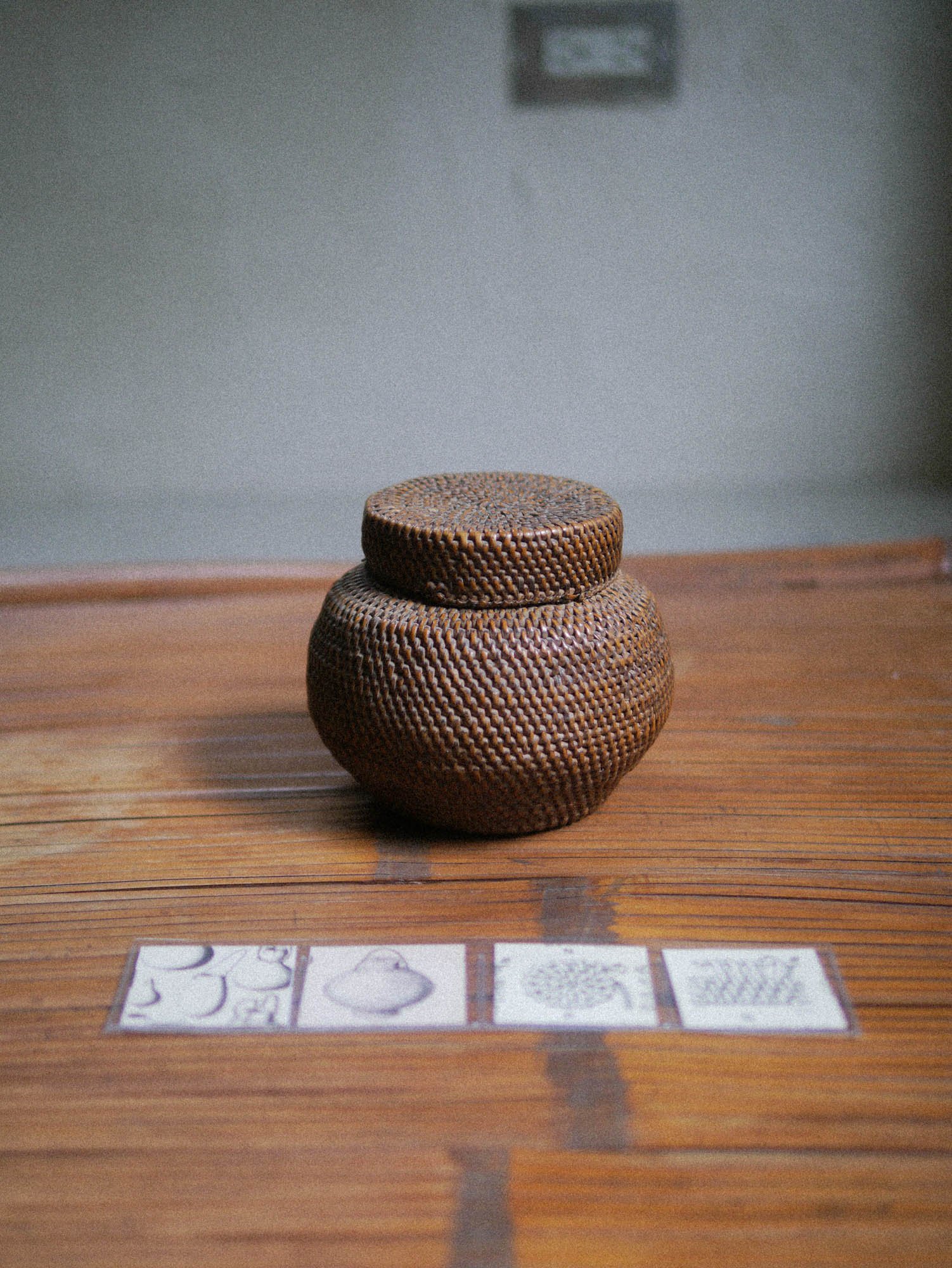
people come and go along the long river, but the minds that had poured themselves still float within the universe, and so weaving became a way of perceiving a world and unfolding a time, ancient objects and present weavings touch in a flicker.
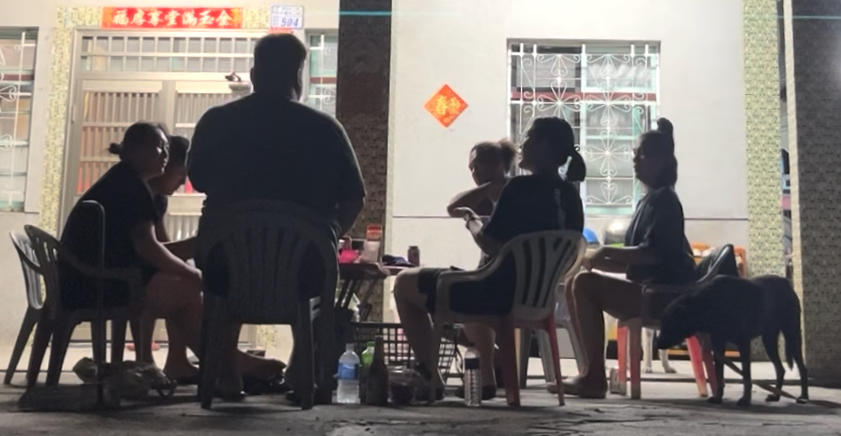
and in one day kamaro'an might became an epistemology, touching the embodied memories of tides, the bubbles of sticky rice wine, with no fixed paths but traces of each passing.
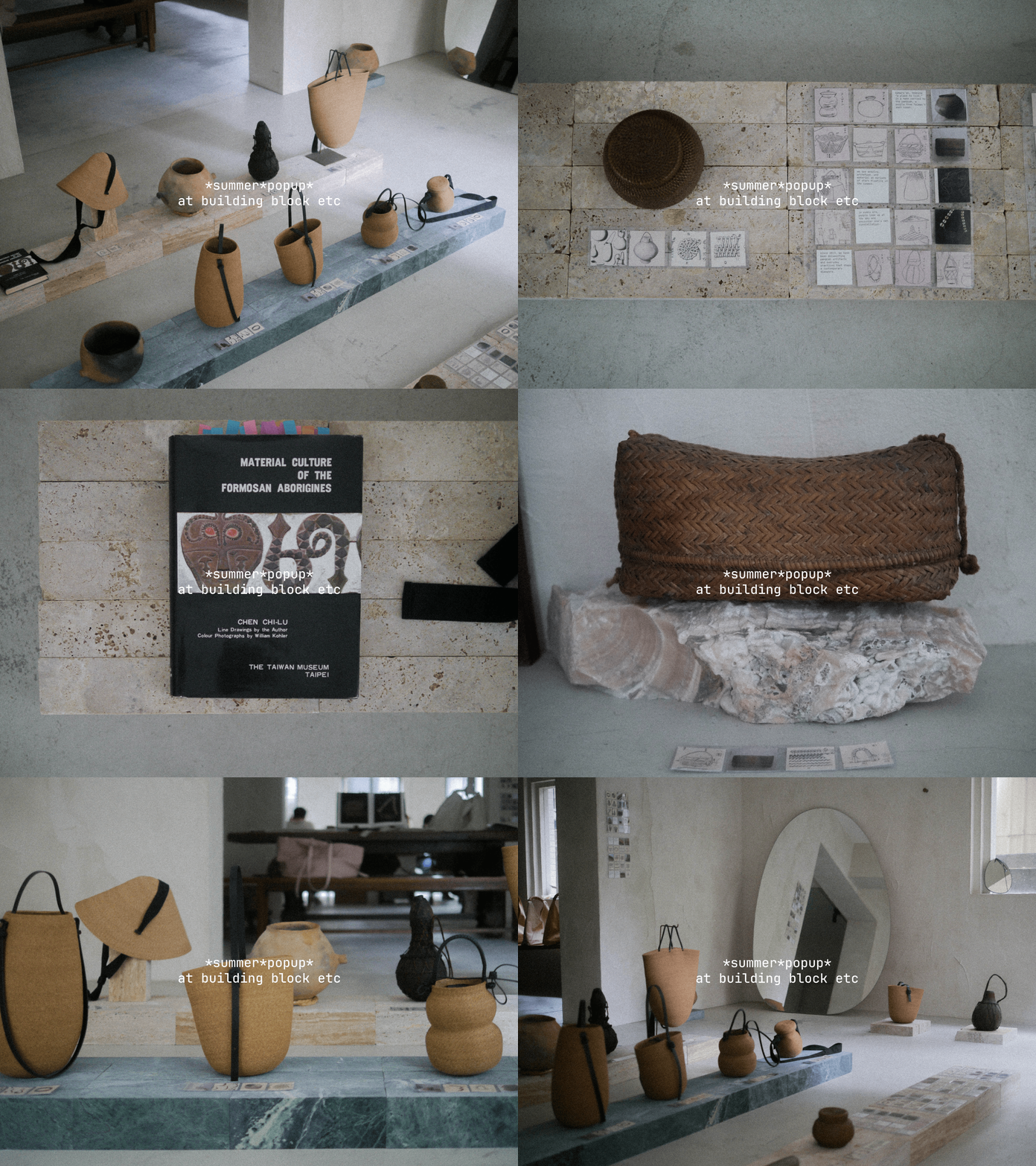
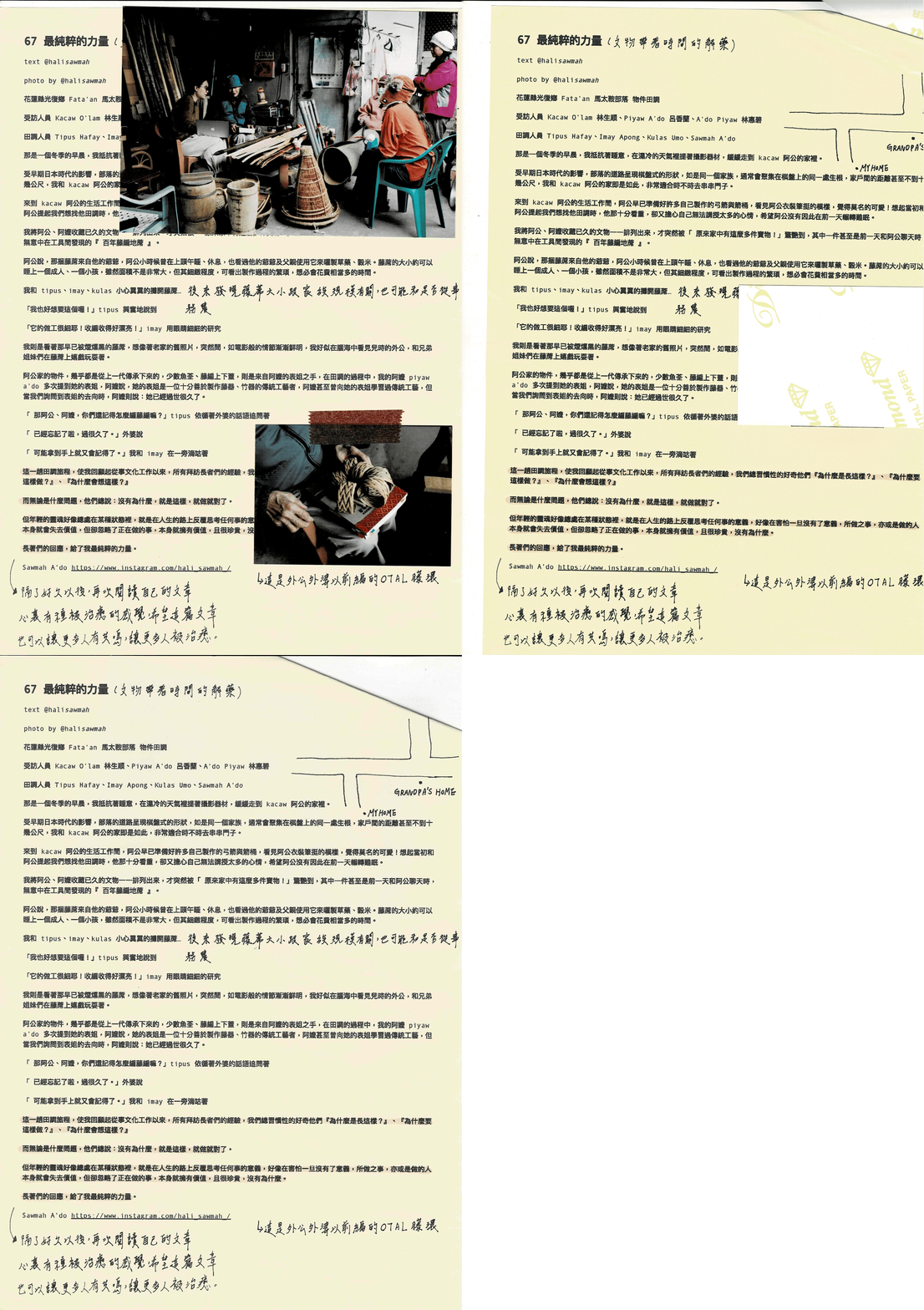
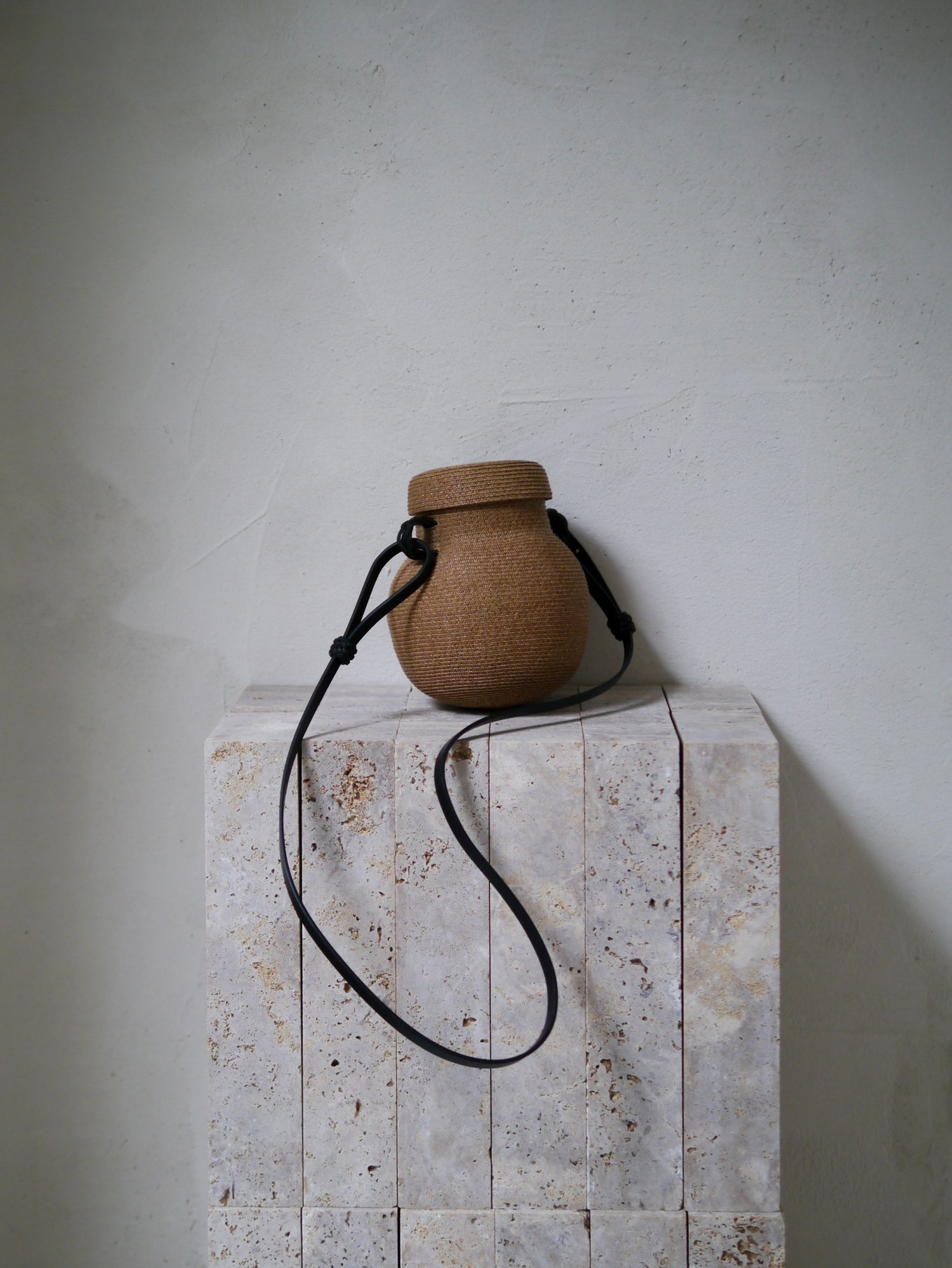
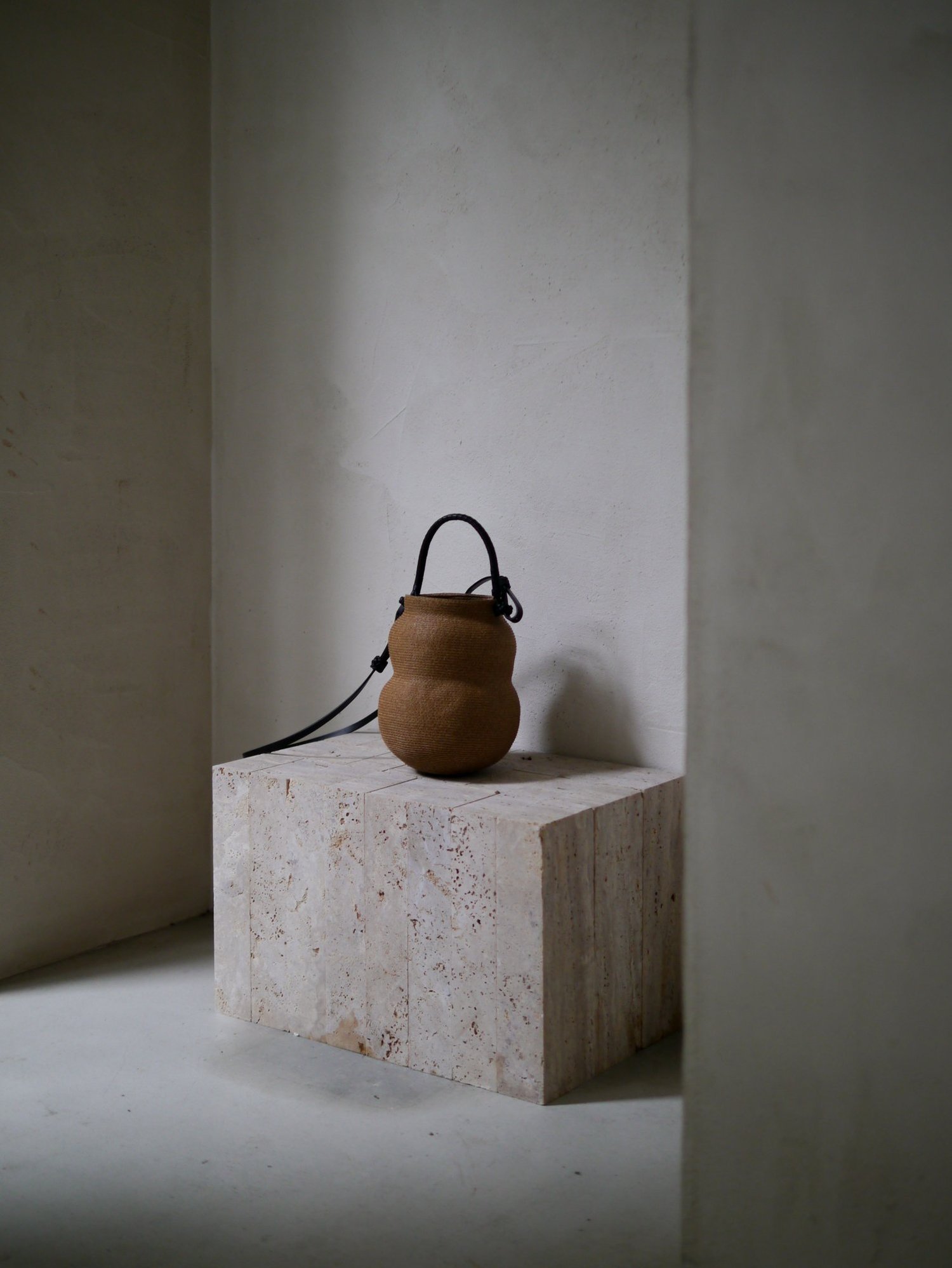
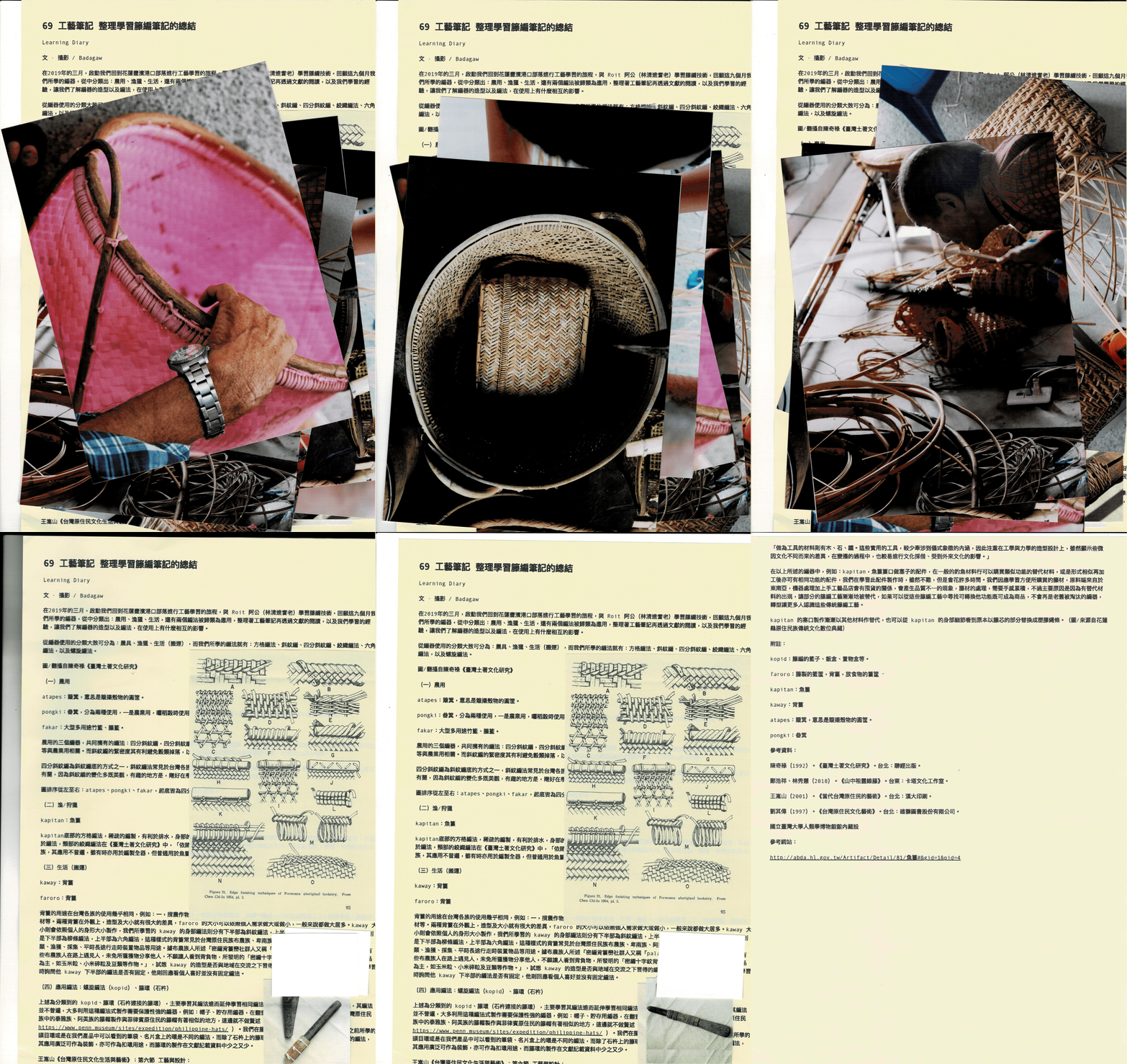
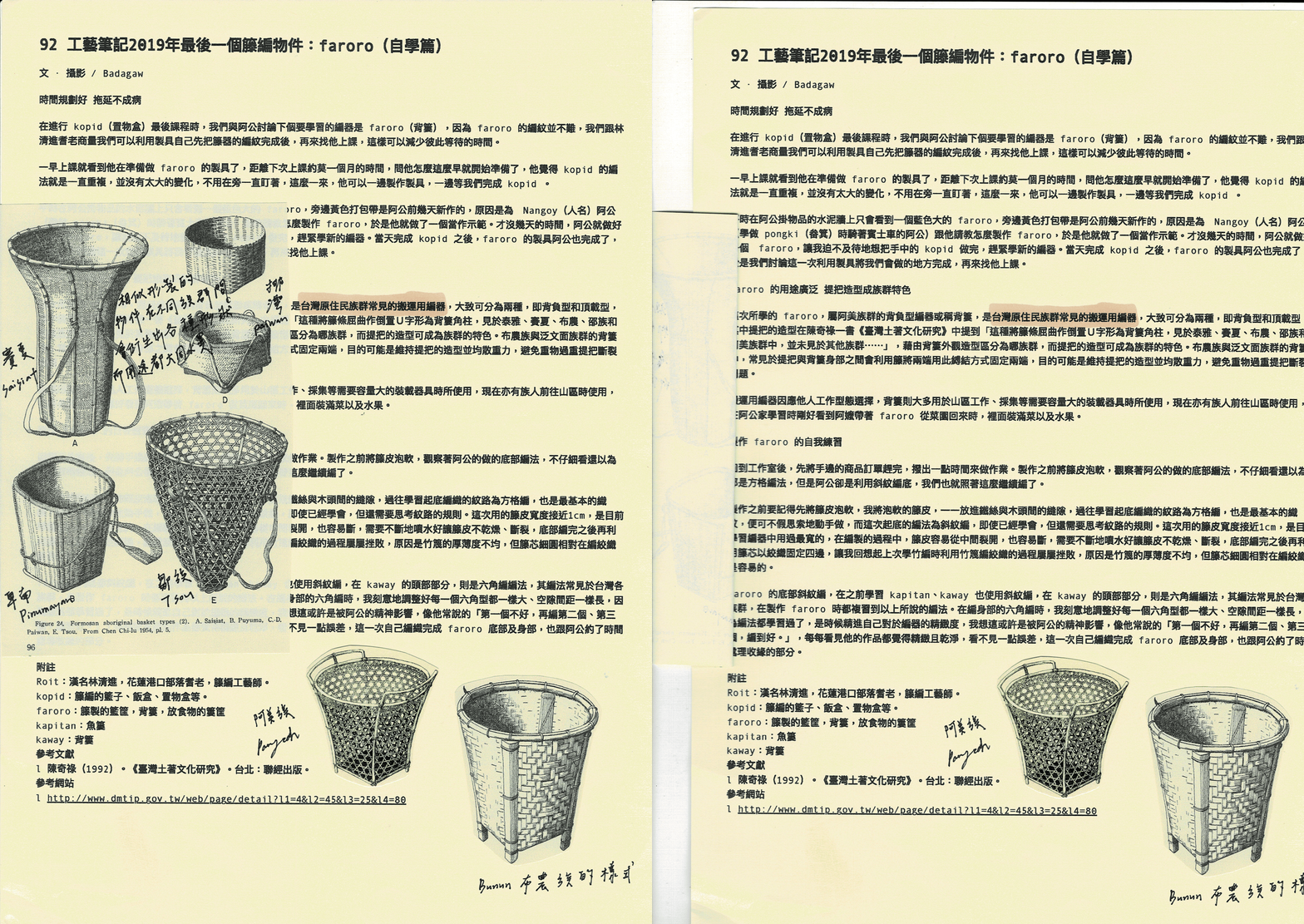
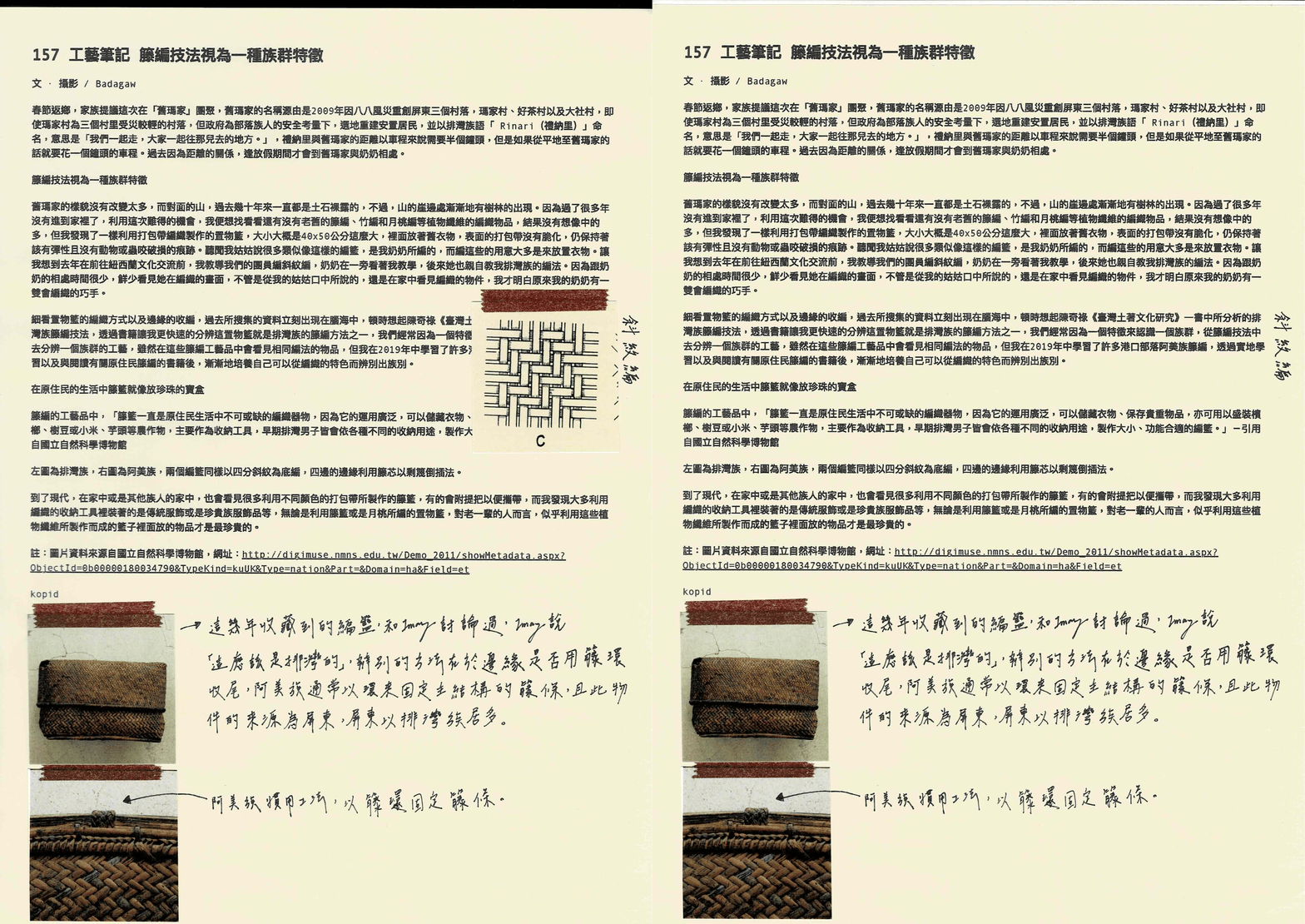
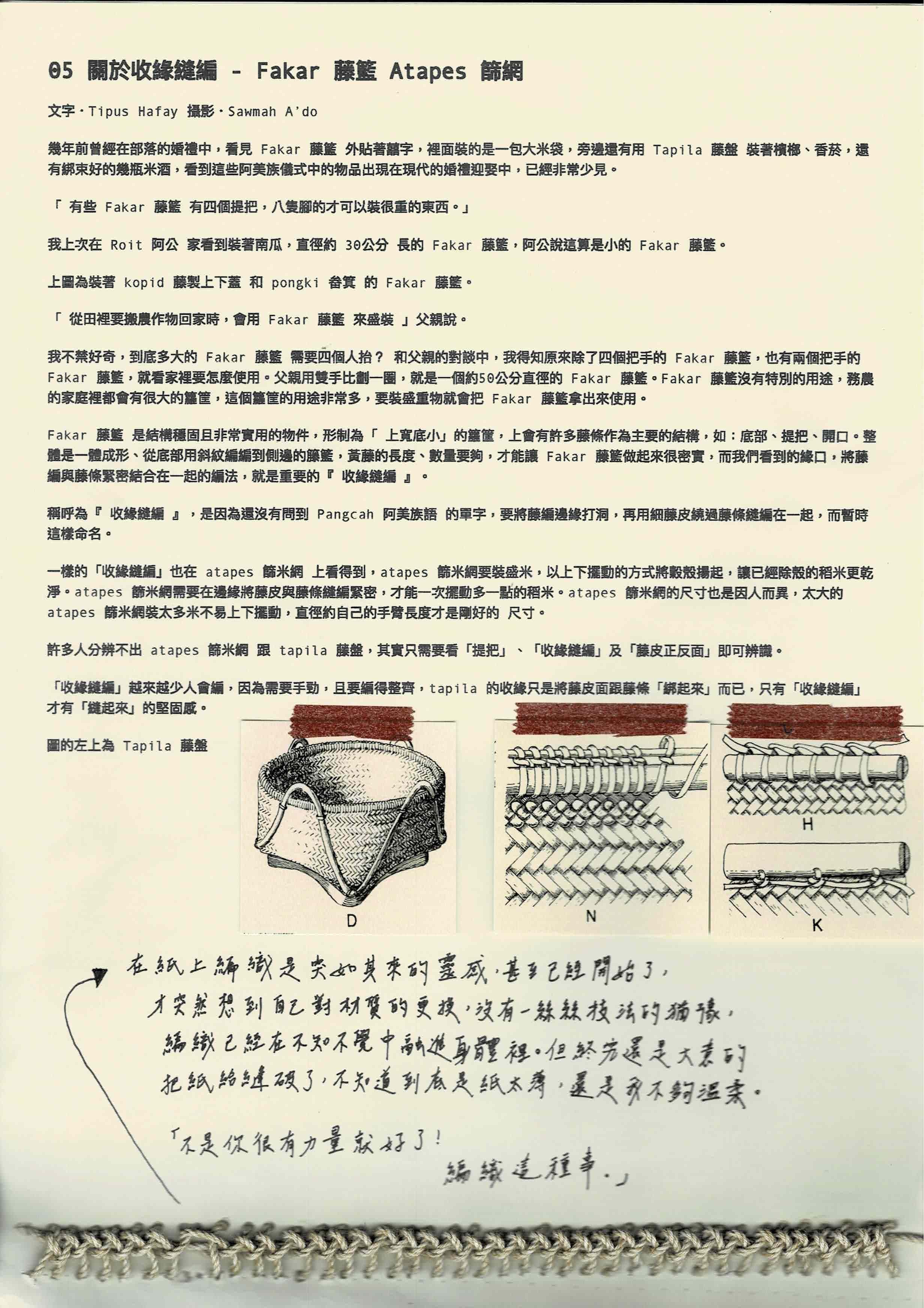
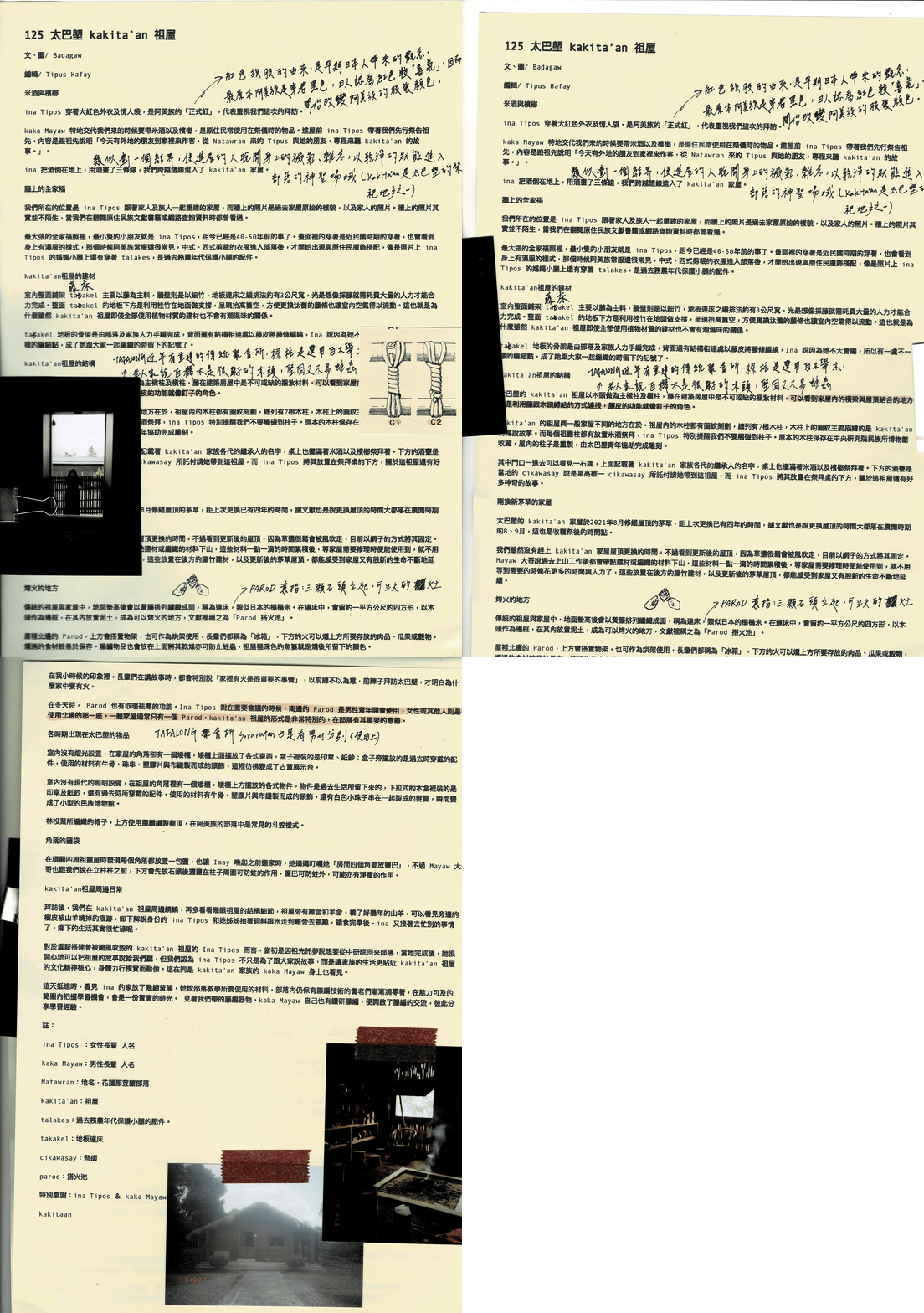
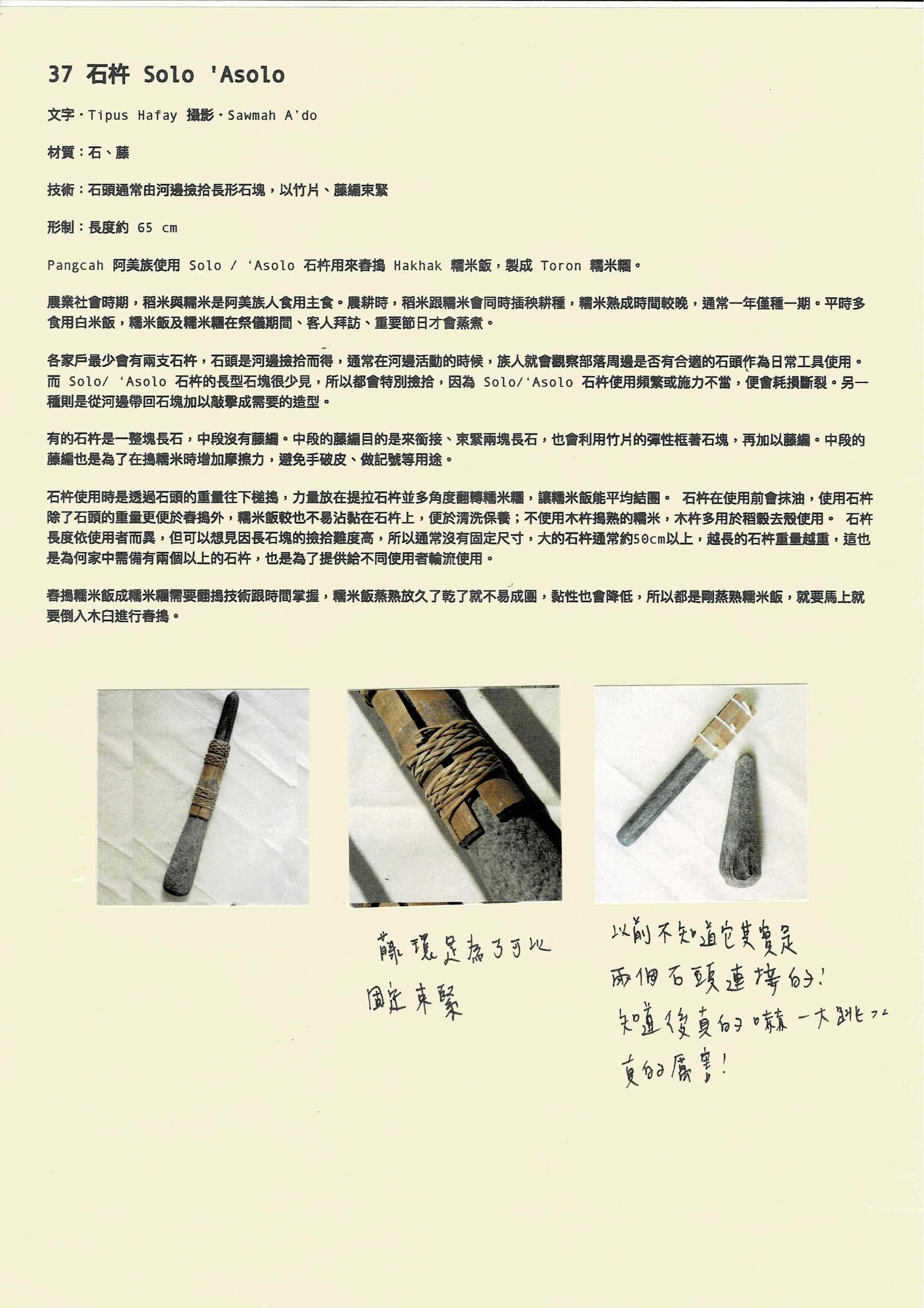
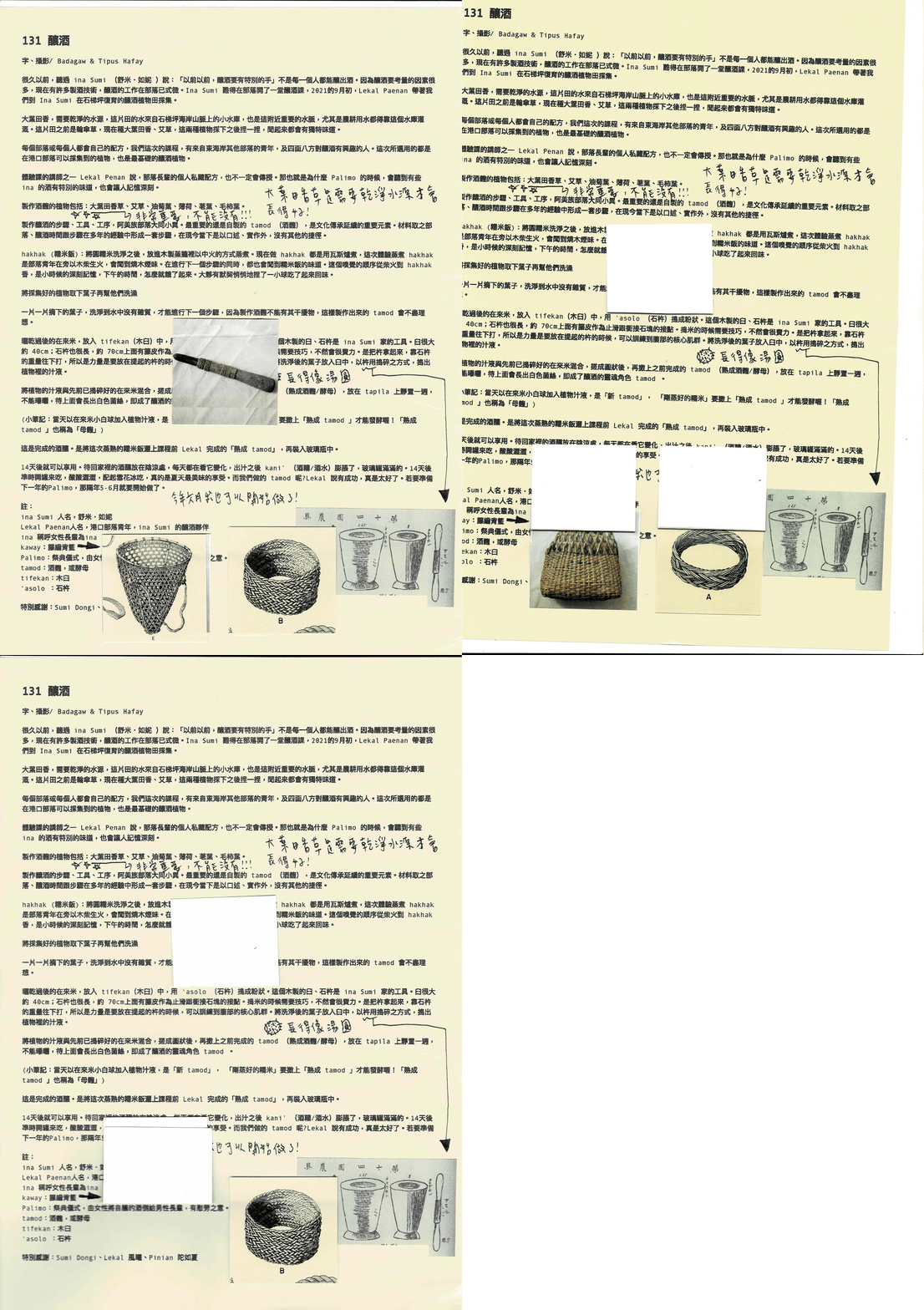
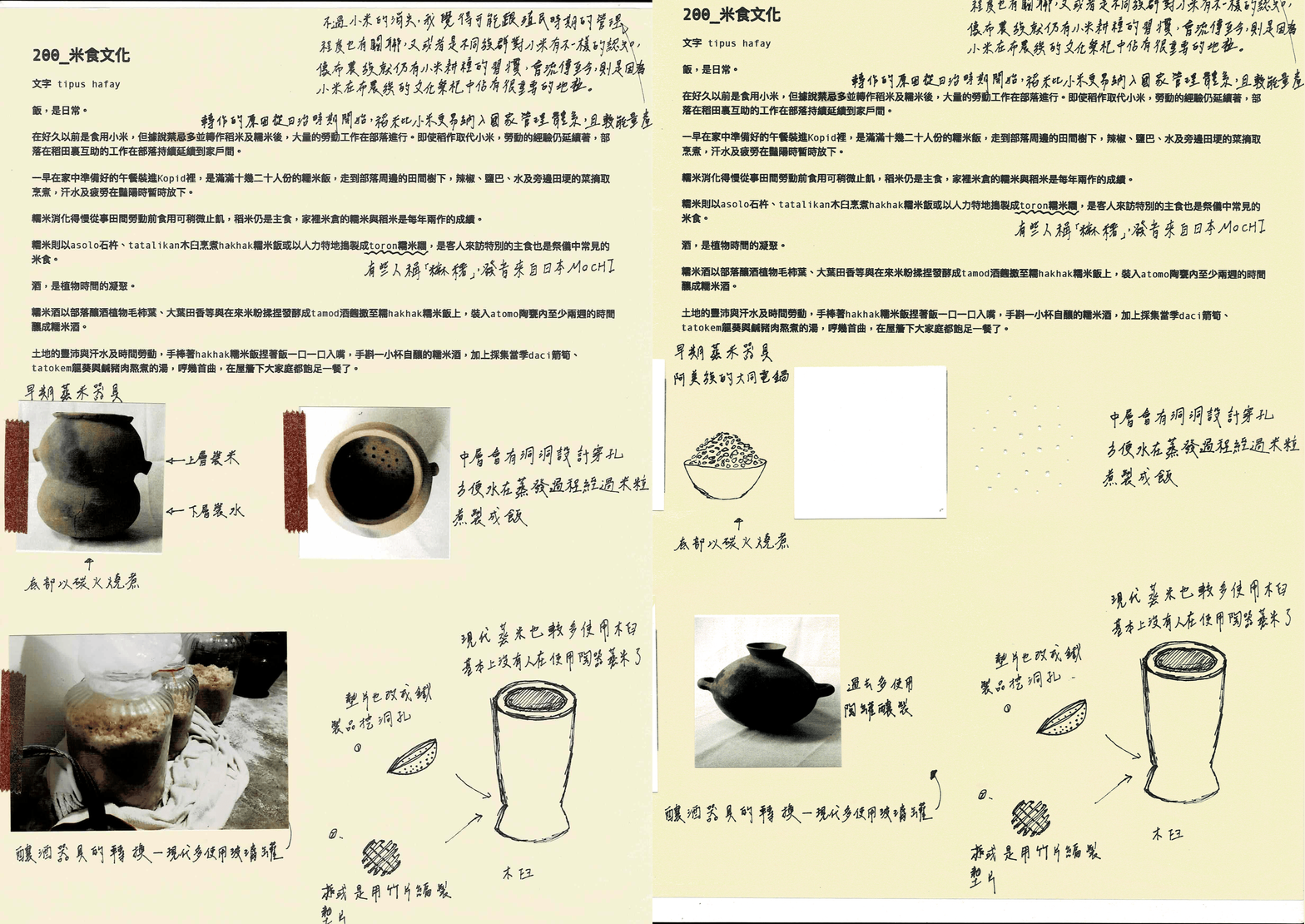
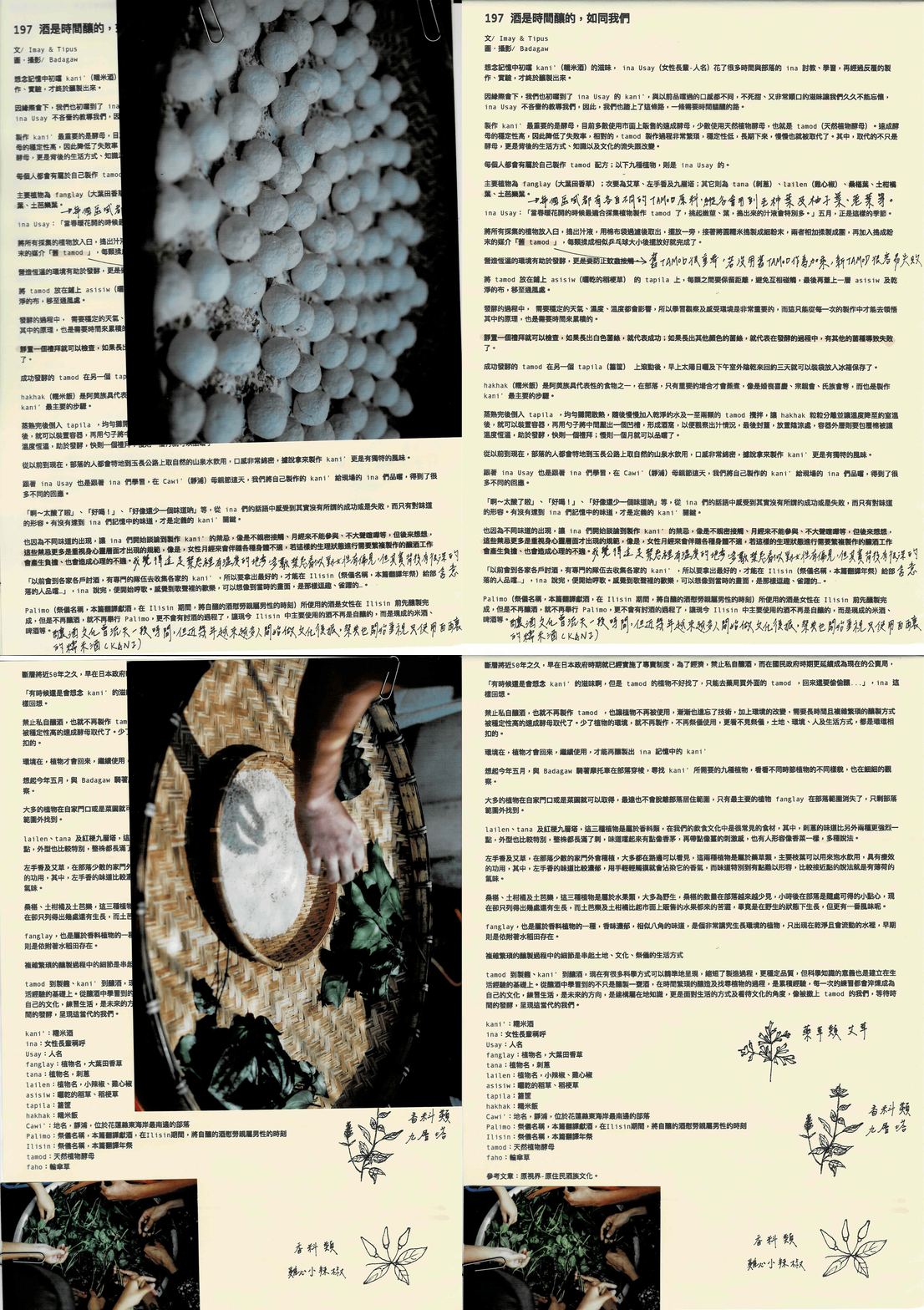
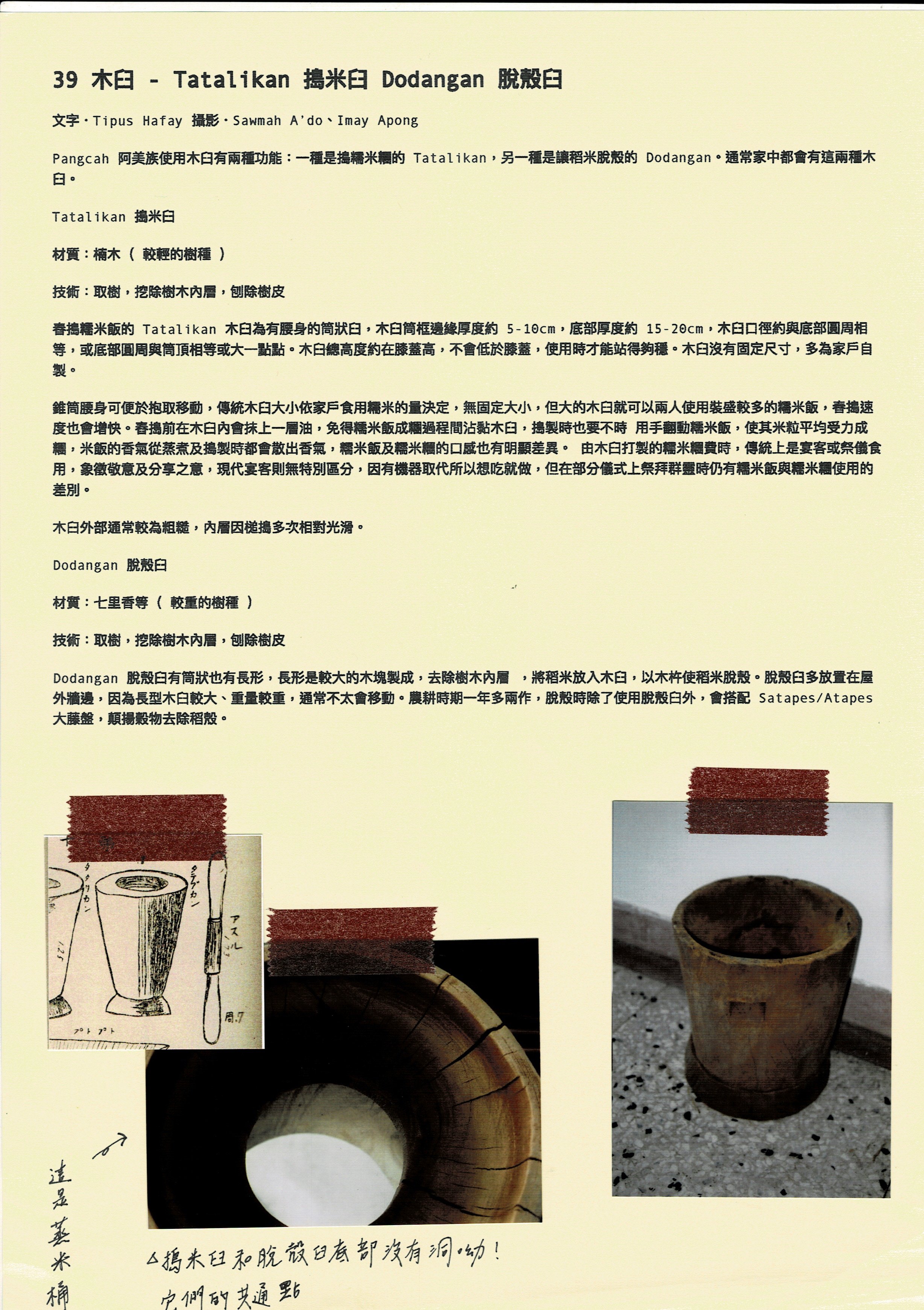
at the building block etc popup, sawmah and nacu start mapping the field notes with the present. we put every field note away for years after it was written. each year, we read it again, a little stranger, a little more familiar, carrying what the present has become.
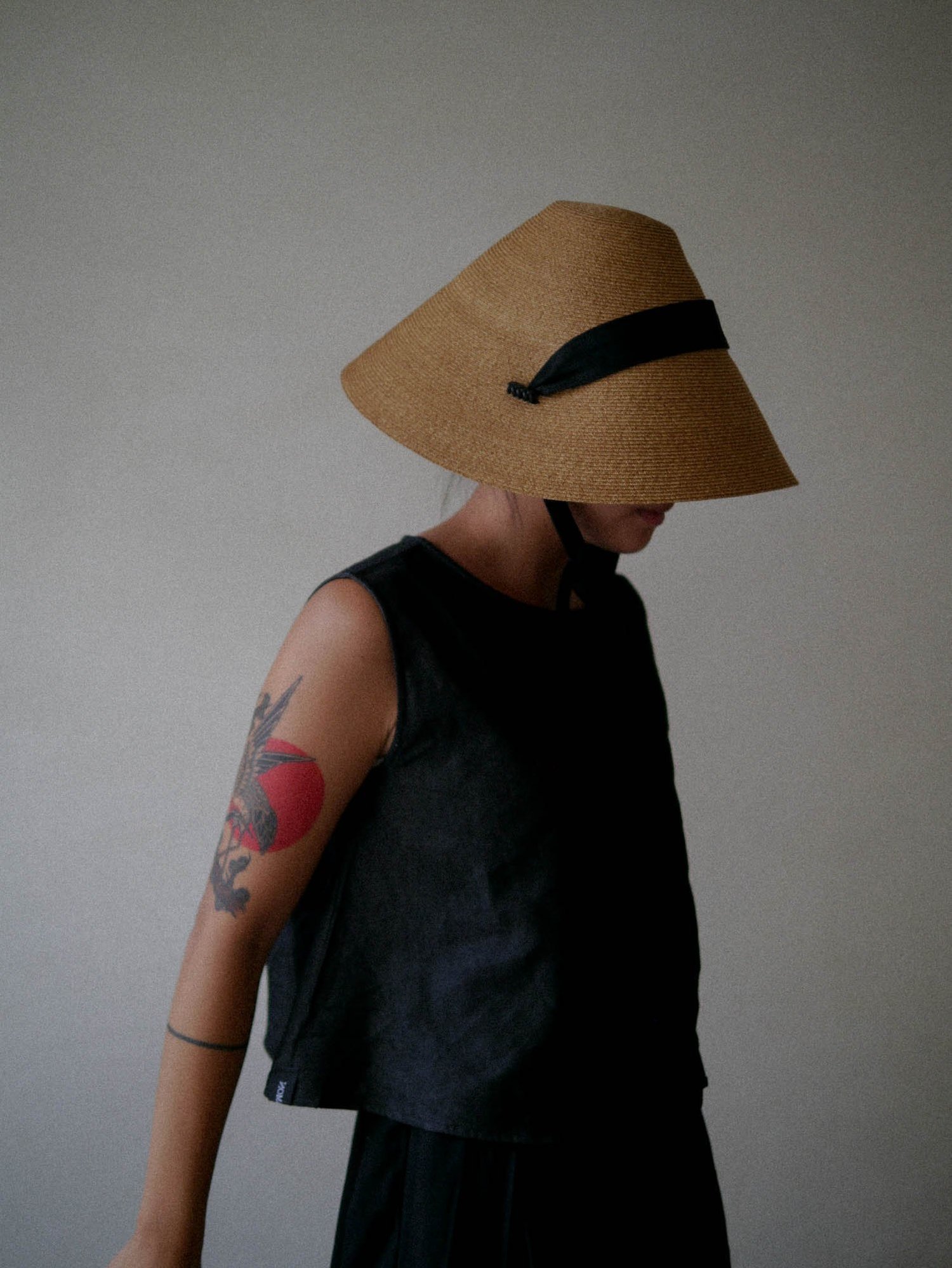
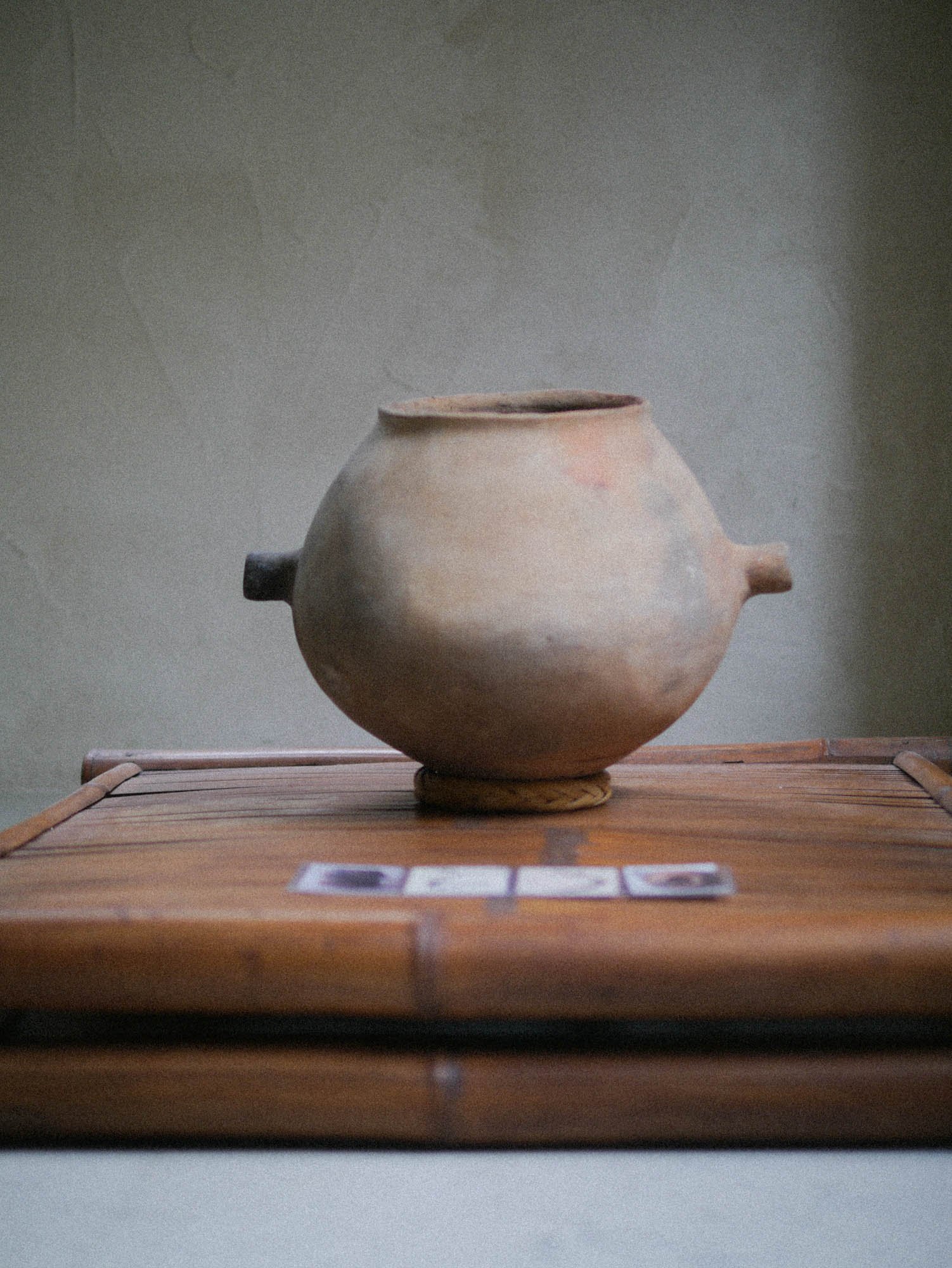
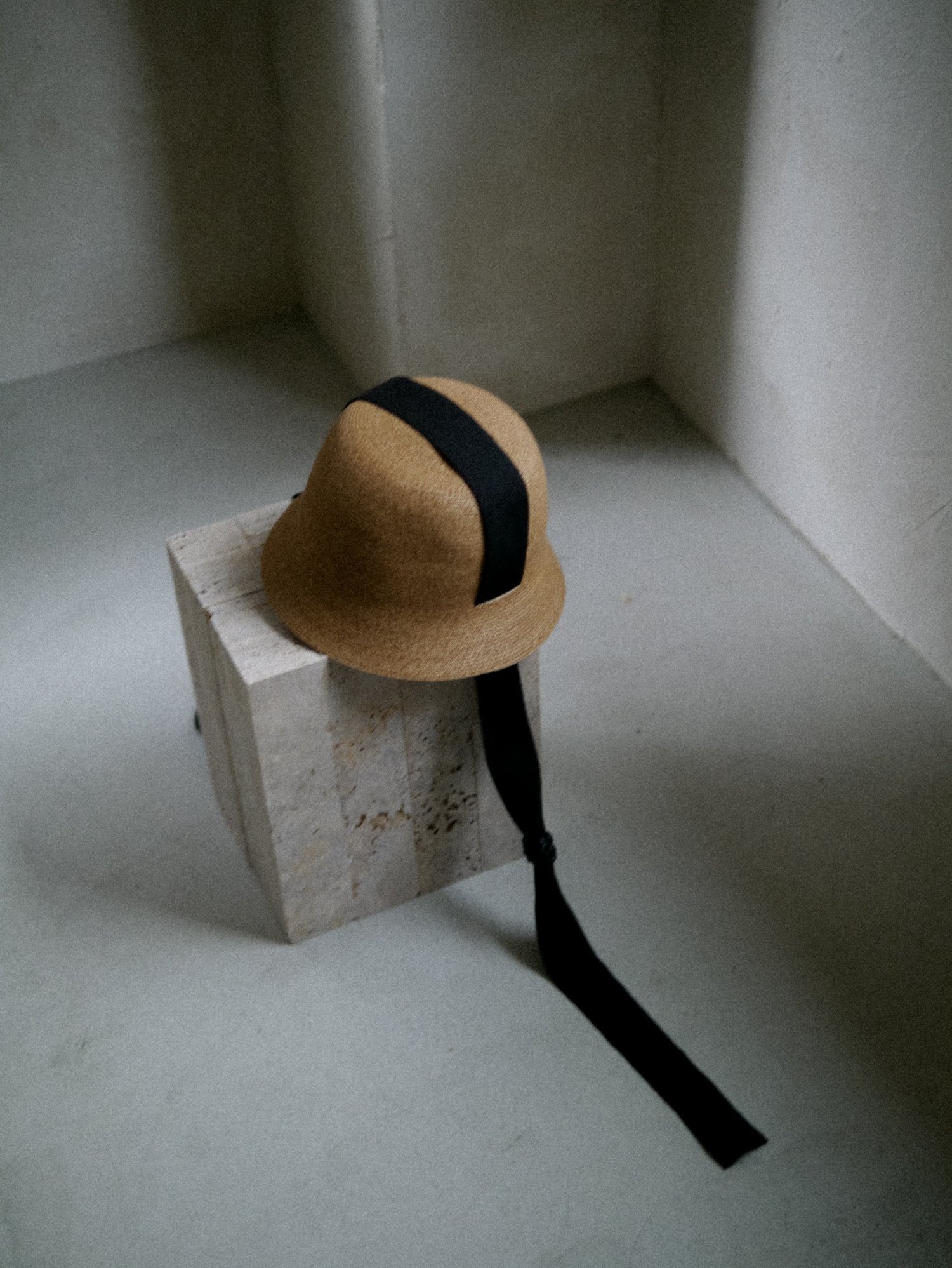
we see weaving, archetype, and materiality as a myriad of stars floating in the cosmos. in every era, as people gaze at the sky, they encounter their own constellations.
*
很多的當下,就是最美好的,我們會在很久很久之後才意識到。
人們在歷史的途中來來去去,可是曾經付出的心意是停留飄蕩在時空之間的,於是編織成為觀看世界的方式,古老物件和當下編織的時間是重疊的,不斷地在某個剎那產生連動關係。於是有一天 kamaro'an 也成為一種認識論,關於潮汐的身體記憶,釀酒的植物氣泡,沒有固定路徑,只有每一個此刻的擦身而過。
在 building block etc 的 popup 裡,sawmah 和 nacu 從 bb 的選品相關的田調紀錄裡,mapping 與這個當下的連結。每篇紀錄定稿後,我們會放著很久,一年兩年,三年五年,然後在每個重新相遇的時刻,長出此刻的模樣。
編織,形制,材質,像是星子一樣在宇宙漂浮閃爍,每個時代,每個人抬頭觀看,會看見各自的星群角度。
*
Date: june 24
location: 3021 Rowena Ave, Los Angeles, California, 90039
hours: Wednesday — Sunday, 11am — 5pm
@buildingblock
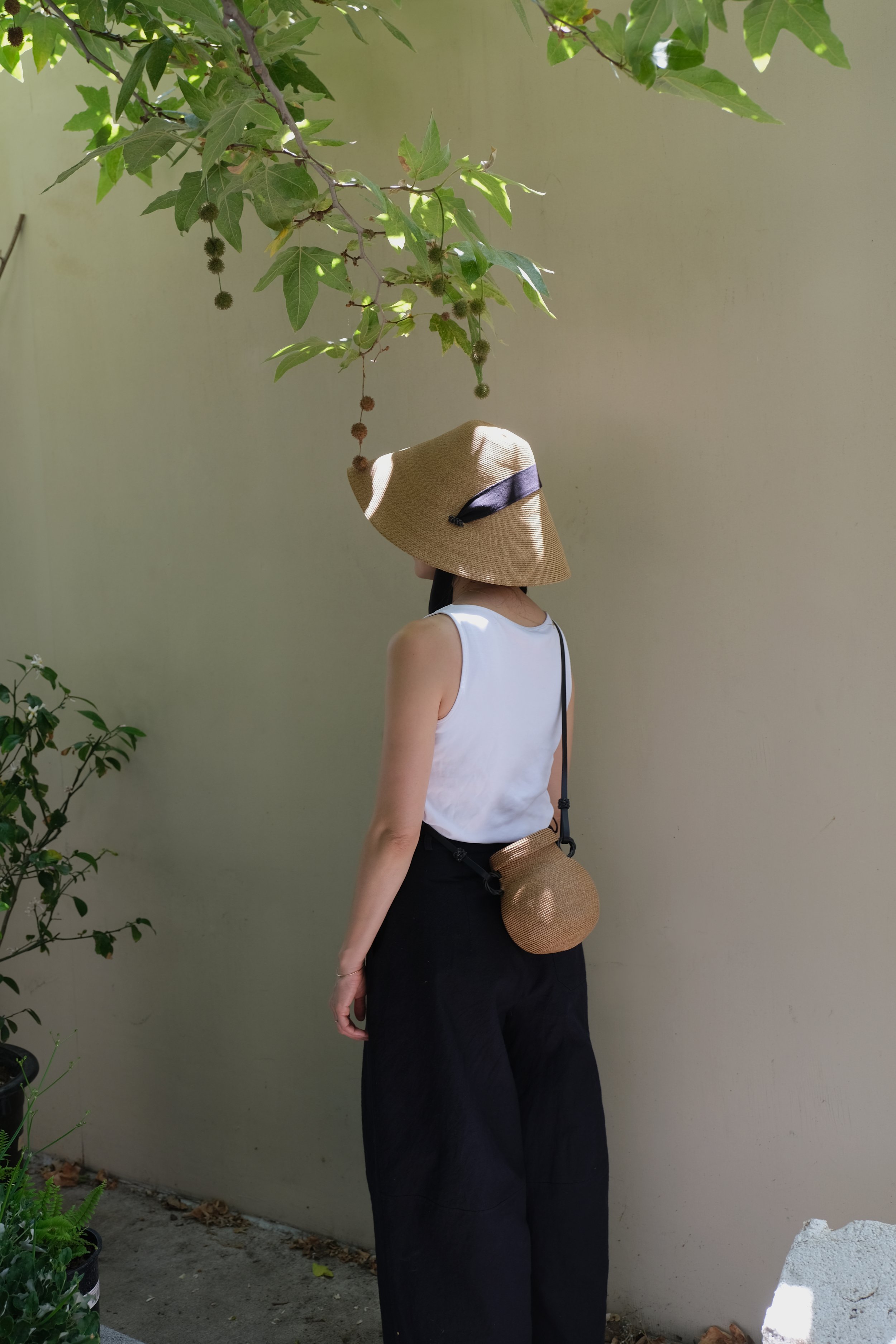
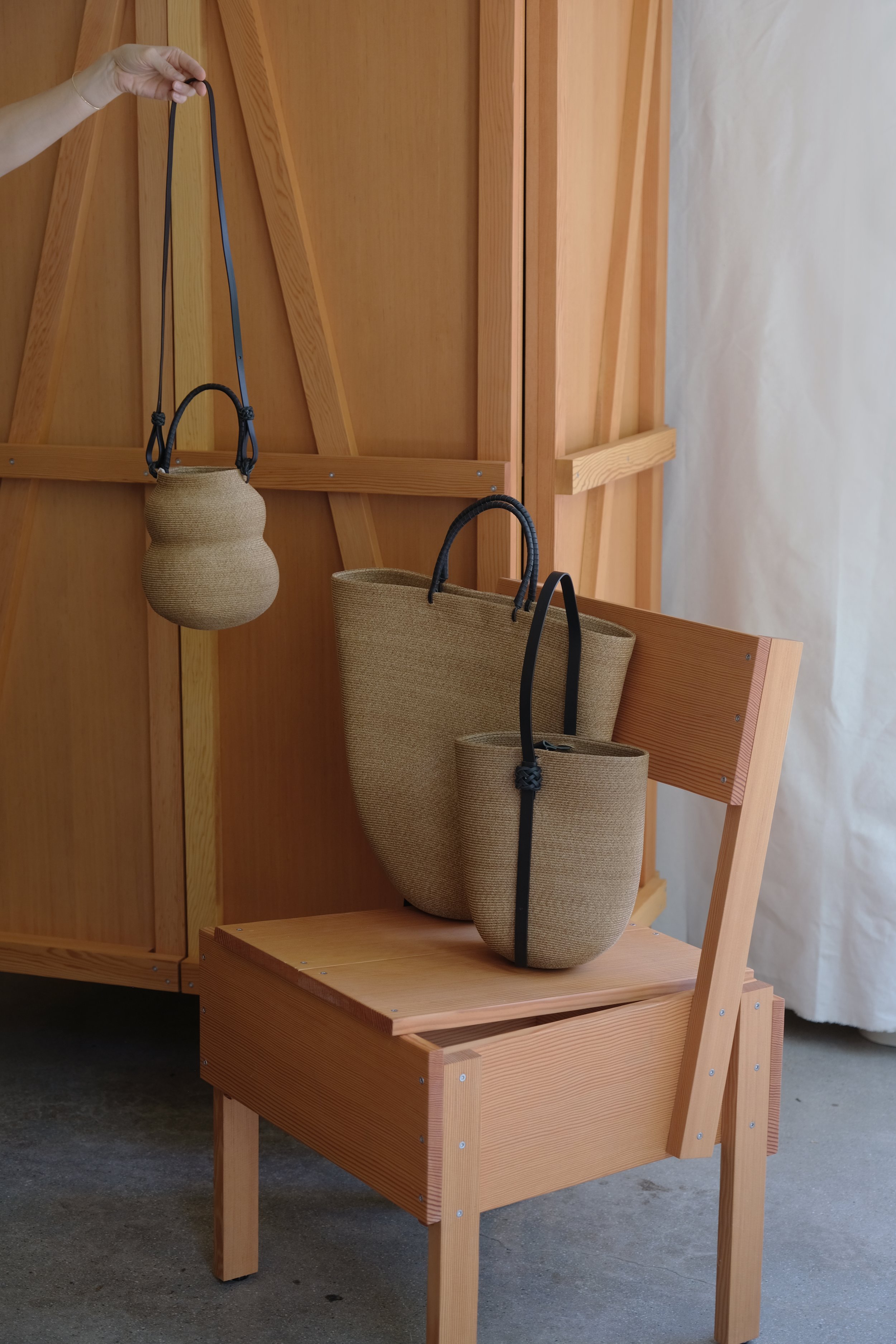
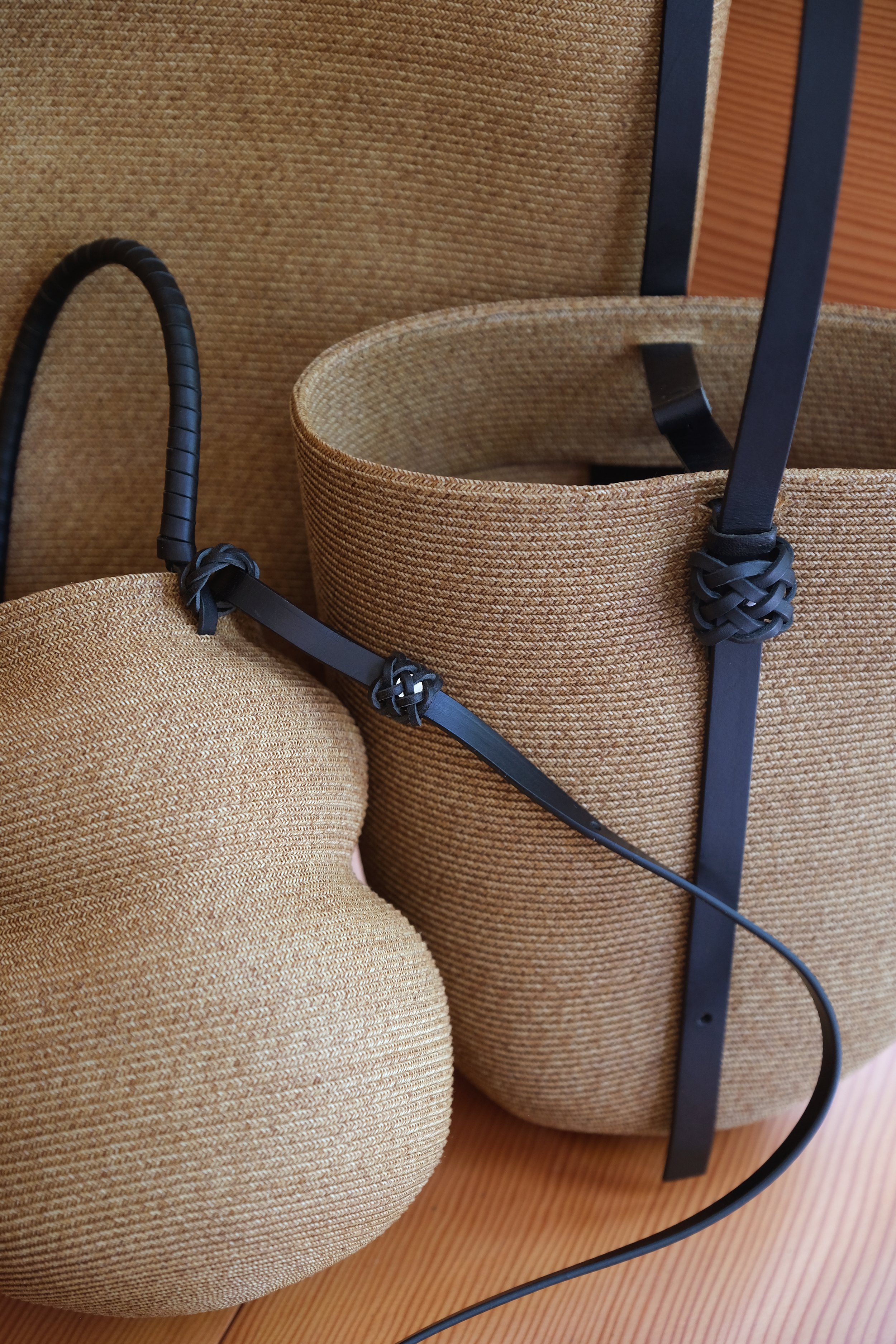
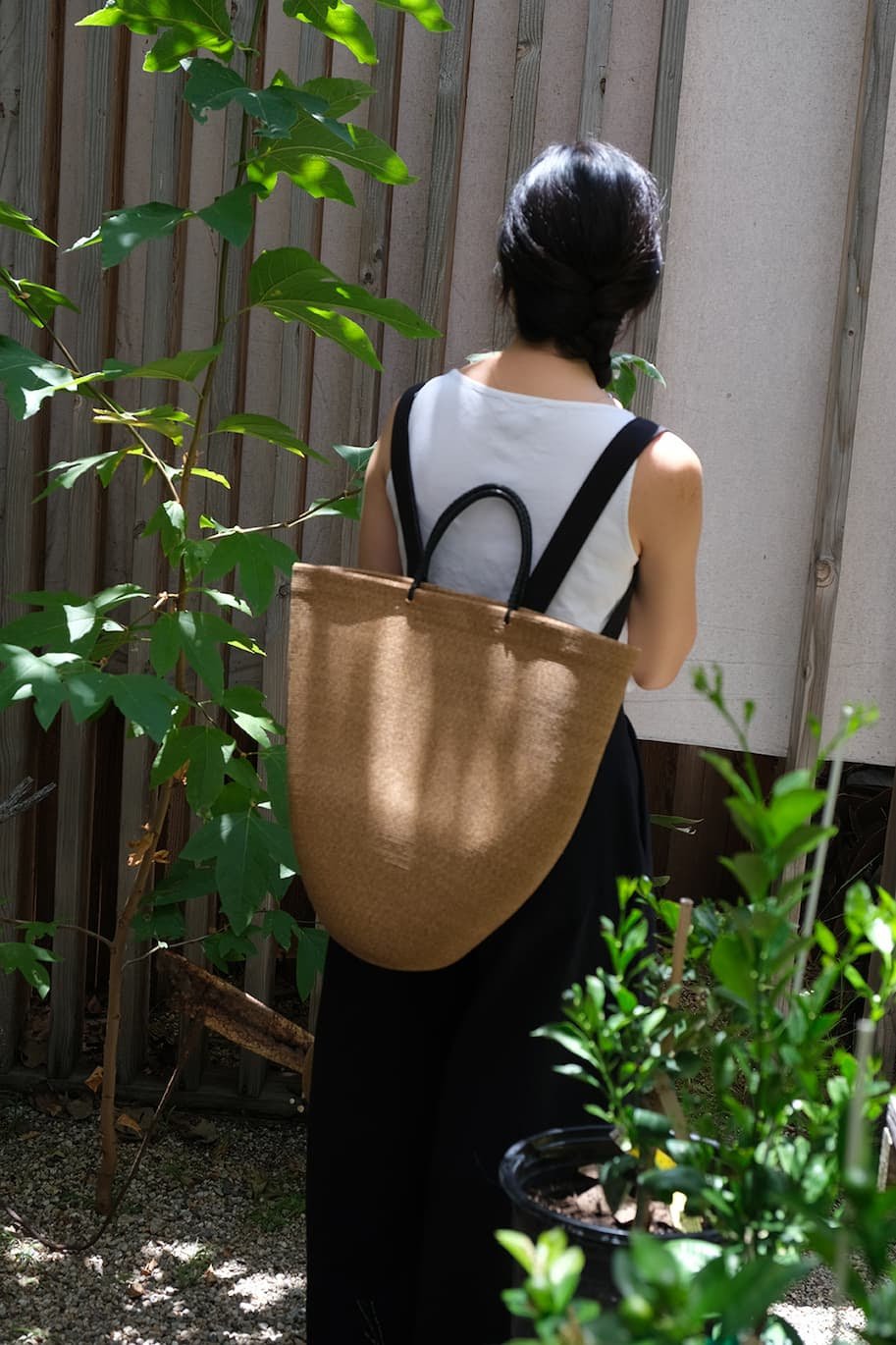
“imagine if kamaro'an planned to be here for 71 years, many things would feel so much less rushed.” 紙魚 sent over issue no. 852 of the mingei magazine and said this while counting that there are 12 issues a year, and we realized how time had unfolded widely without noticing.
“i’d be very happy to keep doing k here,” she said.
we used to joke about wanting to retire early, but now we cherish each one encountered far too much and can't make fun but face everything sincerely and with love.
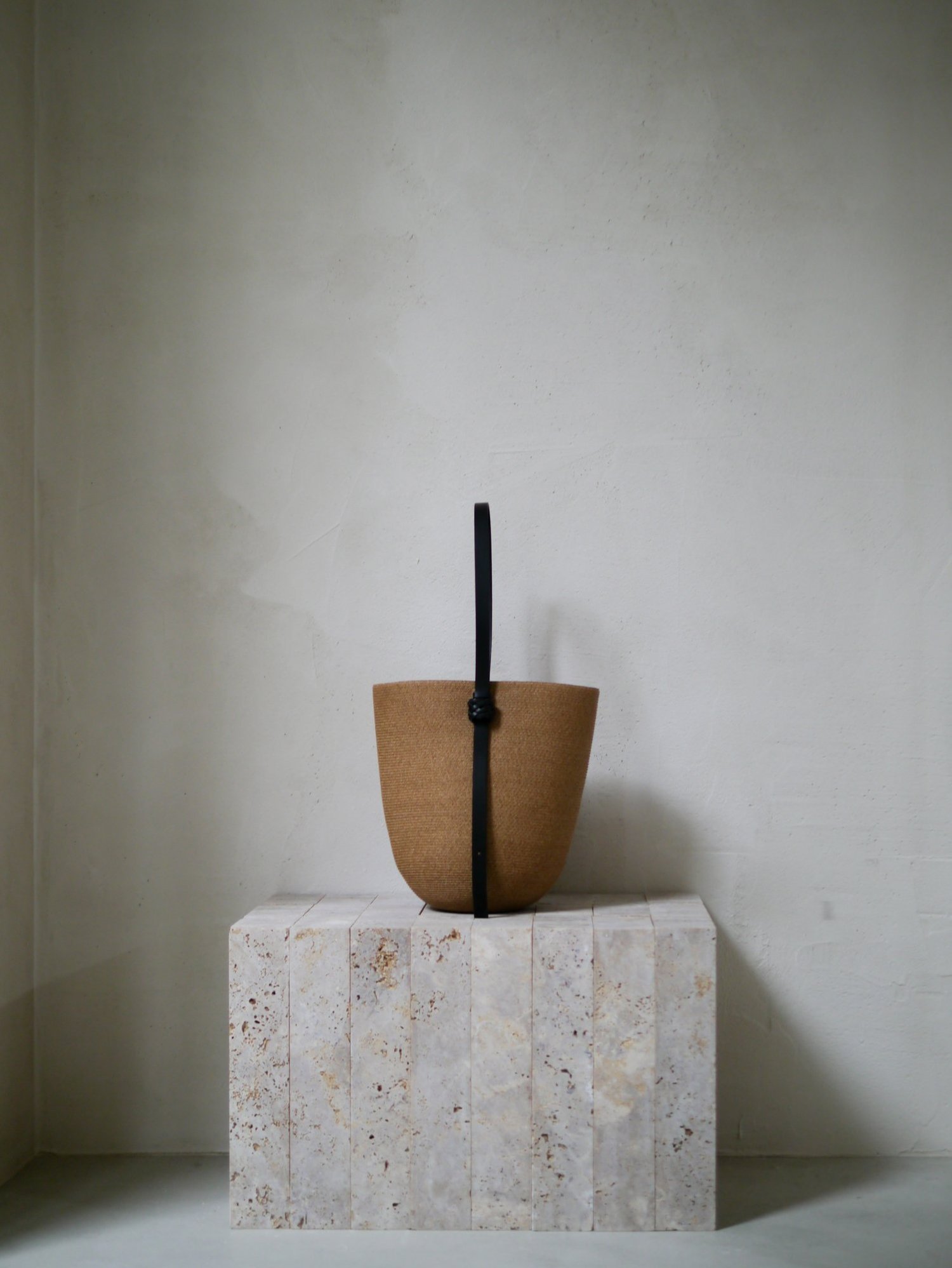
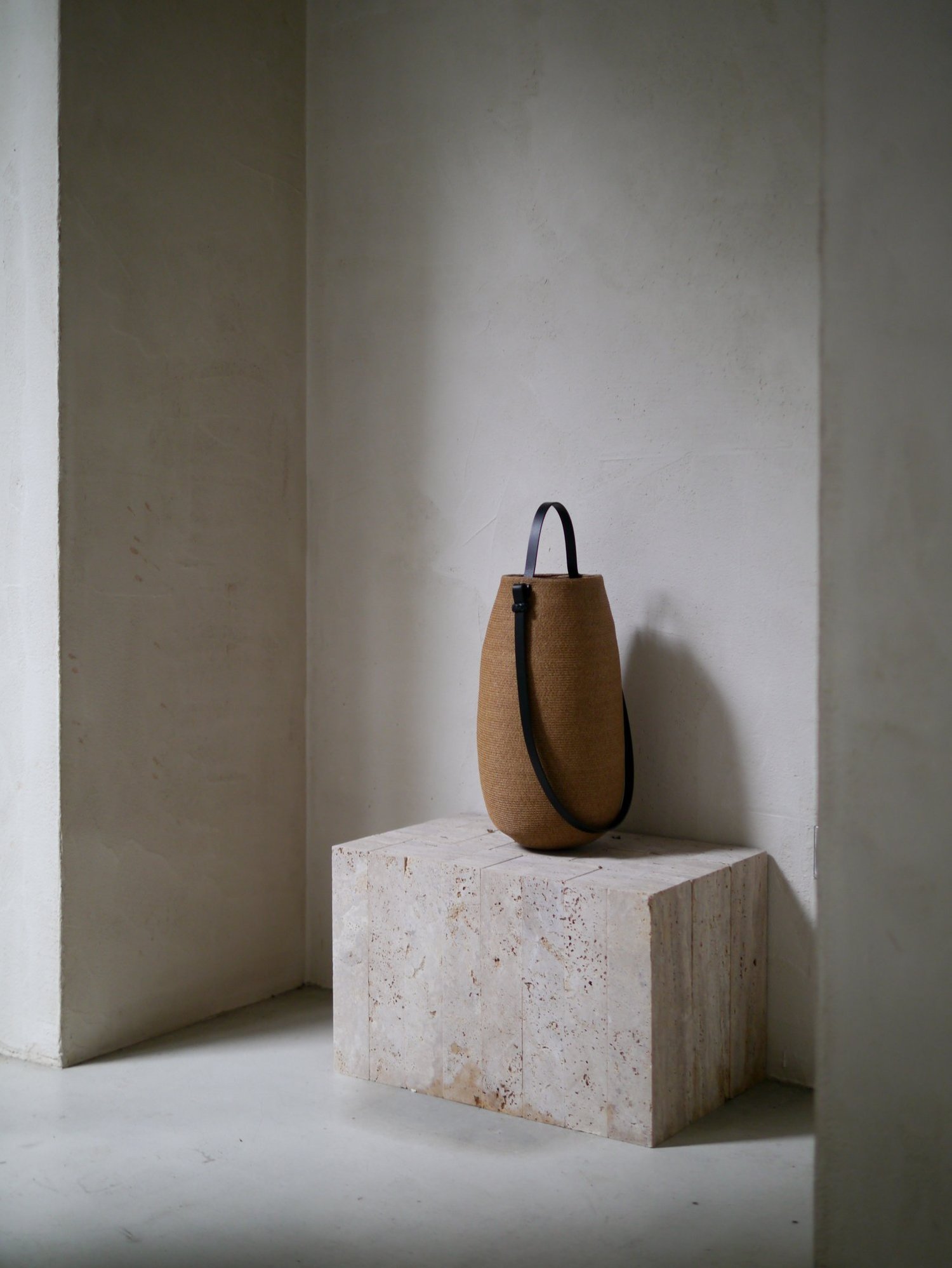
tomorrow night is the opening of the kamaro'an popup at building block etc.
if you happen to be in LA, we’d love to invite you to stop by. take a photo and send it to us, we would be so so happy!
*
「想想看如果 kamaro'an 如果打算做 71 年,應該很多事情會更從容不迫吧」,紙魚傳來第 852 號的民藝雜誌,算著一年 12 號說著,然後才發現,不知不覺時間的尺度已經拉得很長了,我很願意一直在這裡做,她說。以前會笑說想退休,現在對每個碰到的人們卻珍重地捨不得開玩笑,認真面對每一個相遇。
明天是在 building block etc. 的 popup 開幕,如果你剛好在 LA,誠摯邀請你來走走,拍張照片給我們,會非常非常開心的!
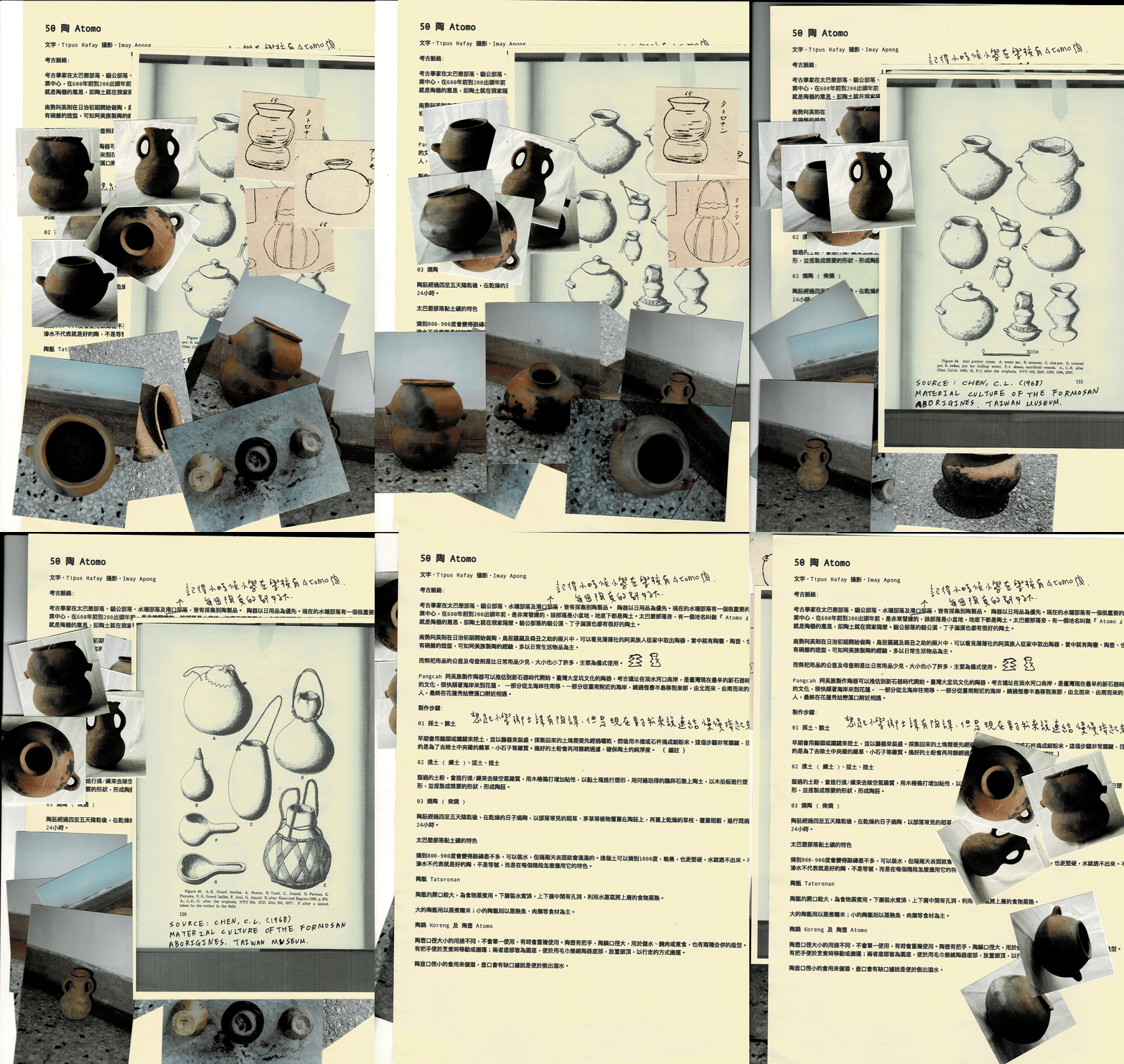
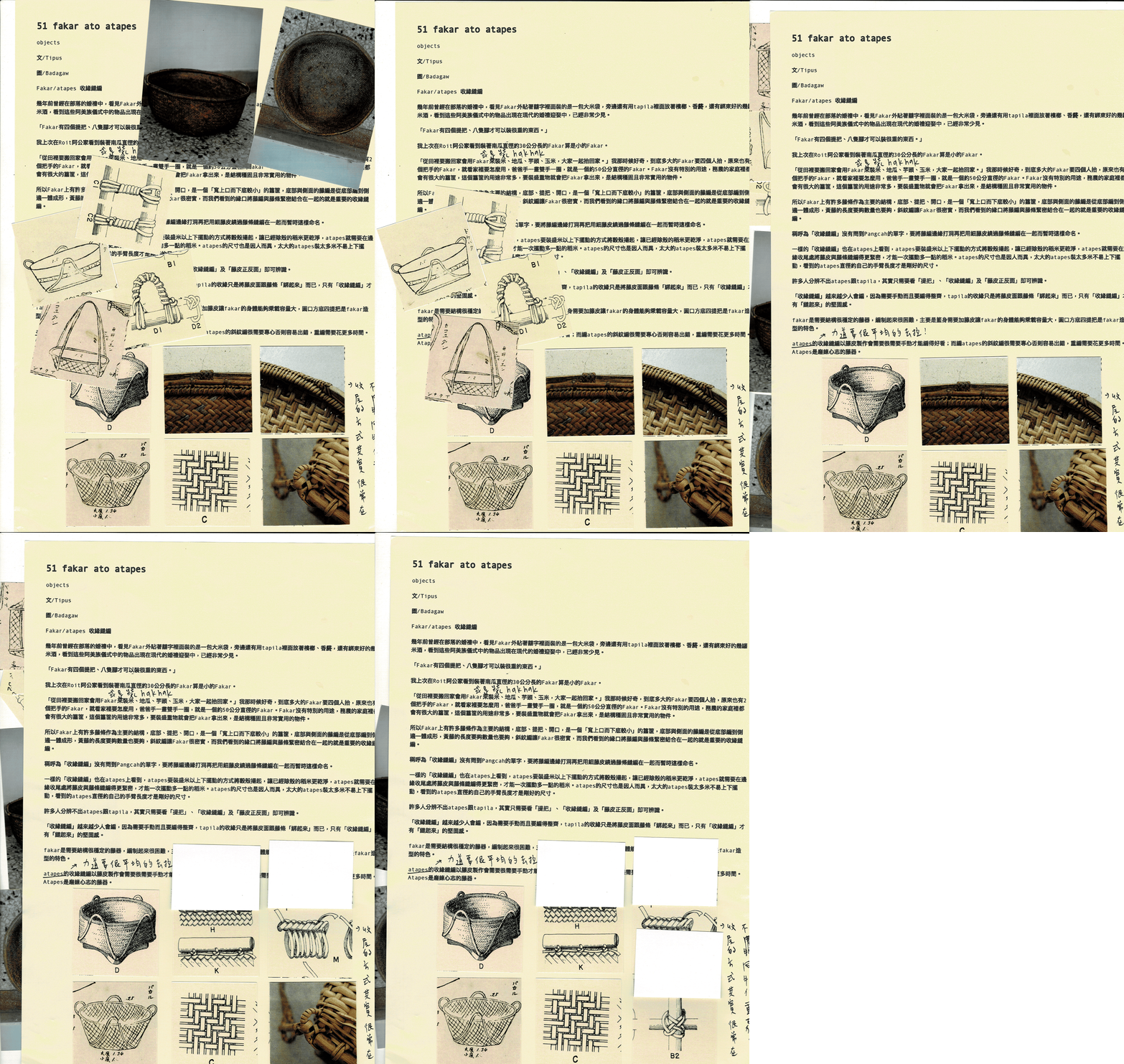
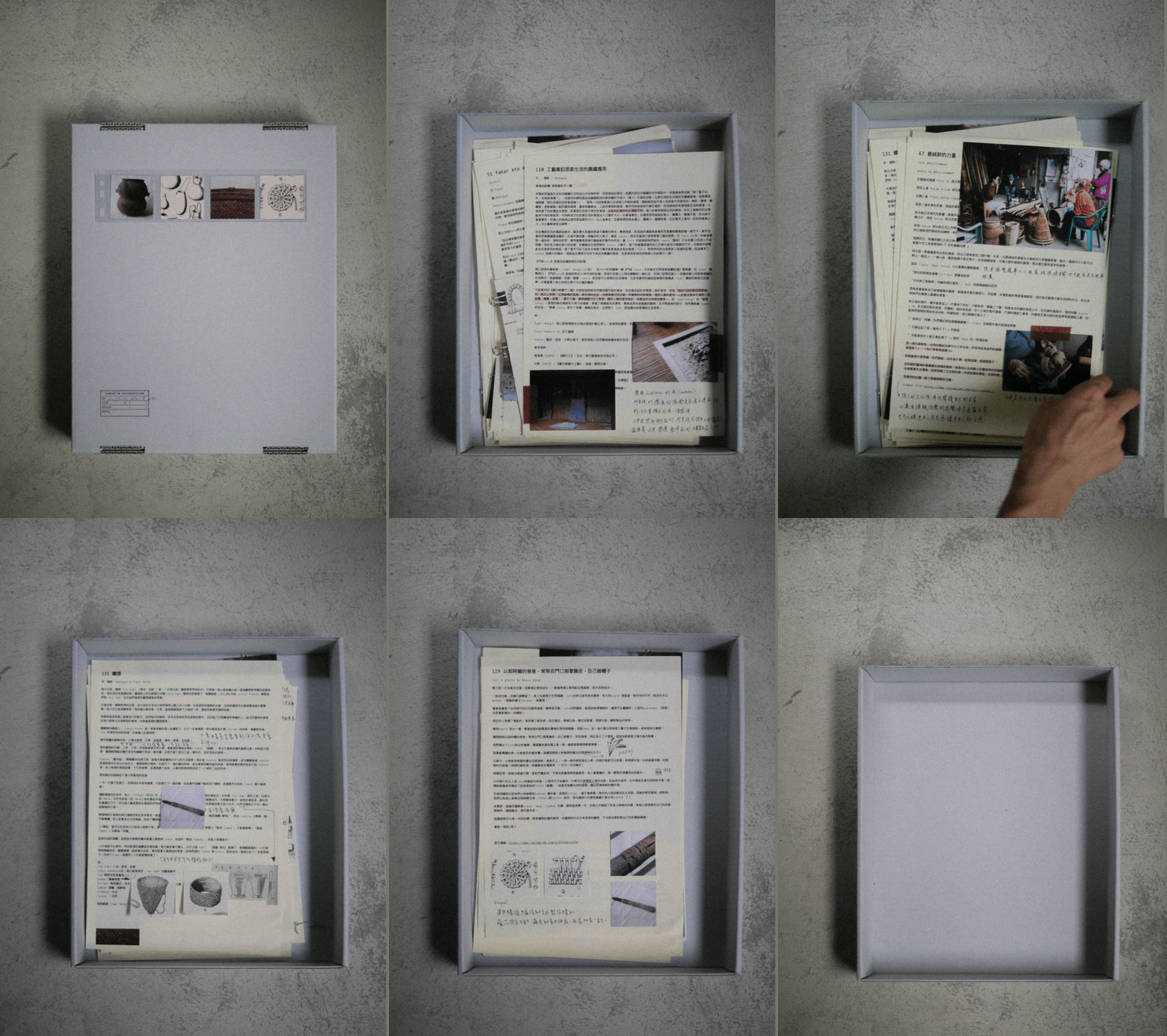
[ related field notes ]