
不確定是在某一次的訪談,還是隨意聊天的時候,說出了:「就是想要回海線啊!」後來就埋下了這想法。每次回家的時候,沿路開著車,看到喜歡的空間就會開始幻想如果 Kamaro’an 在這裡會是什麼樣子呢?在海線長出來的浪草燈,輪傘草田也在石梯坪吹著海風,如果可以回來生活感覺很美好呢!讓生命經驗繼續延續,繼續生活著。後來這個想法越來越強烈,也覺得目前到了一個狀態,是該繼續維持現狀?還是繼續往下走?不確定,把疑惑帶去了竹占,最終只有一個答案,是或不是,祖靈們覺得可以往下走了,也在一次上山之後,就接洽到了靜浦的舊米倉,本來沒有預期會在哪裡,只希望可以在東海岸醞釀,結果回到了自己的部落裡面。回到熟悉的地方,也承接了重量,複雜的人際關係,是助力也是阻力,更多的是,累積了一些能量,想繼續醞釀,不是浪漫,透過這個空間整理、轉譯或是承載,那生活的那些流動也在這個空間一起發生,或是發生時我們也在其中,真實的在這空間一起生活著,轉出也轉入,靜浦工作是期待不只是這個地點,而是被生活被感知的,開放的狀態下,以前留下的,現在持續的以及未來可以連結的。(伊麥)
靜浦工作室目前開放民藝保養預約,農曆年後,會有固定營業日,也會另外開放古書閱覽預約,期待見面!
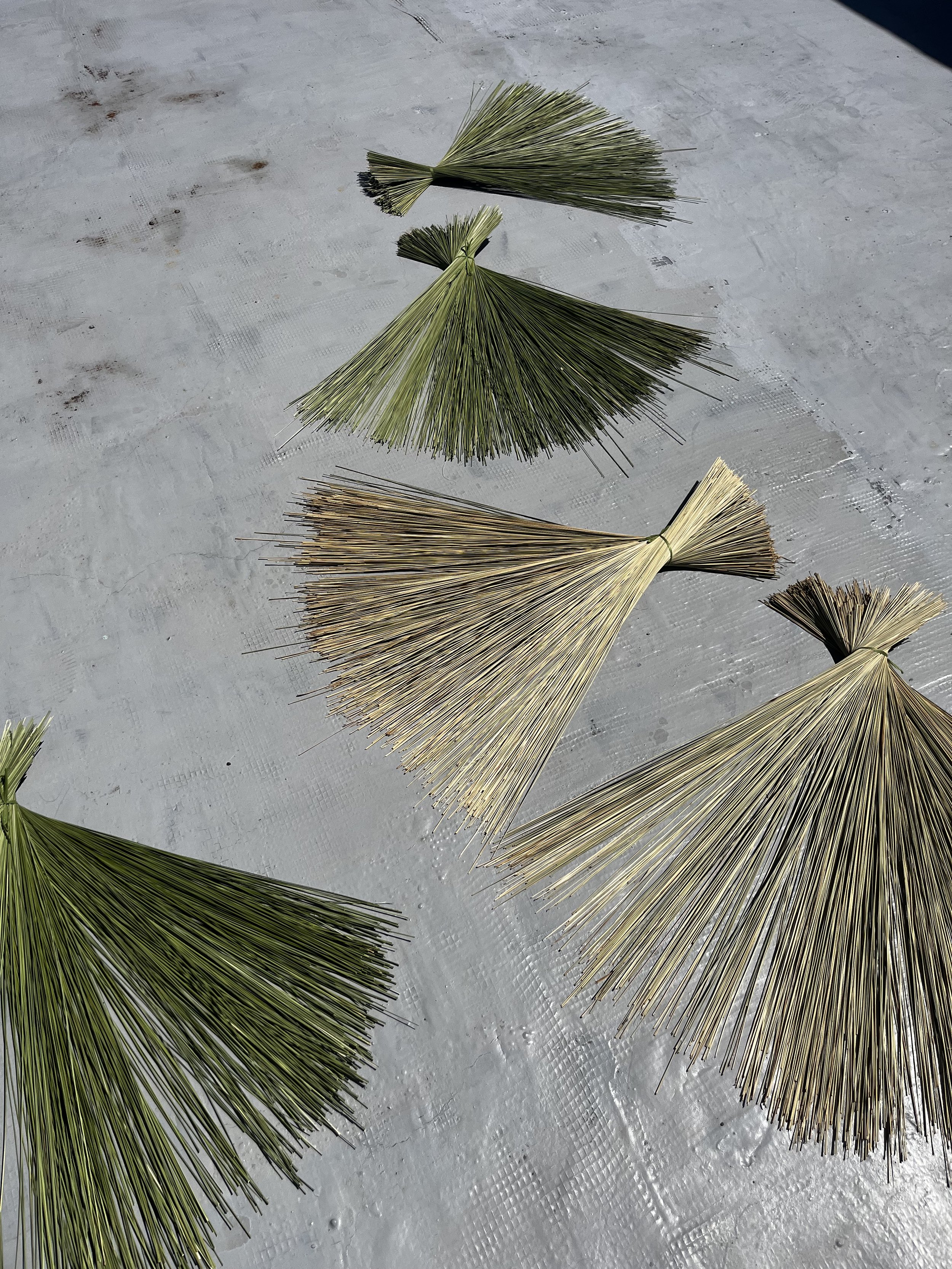
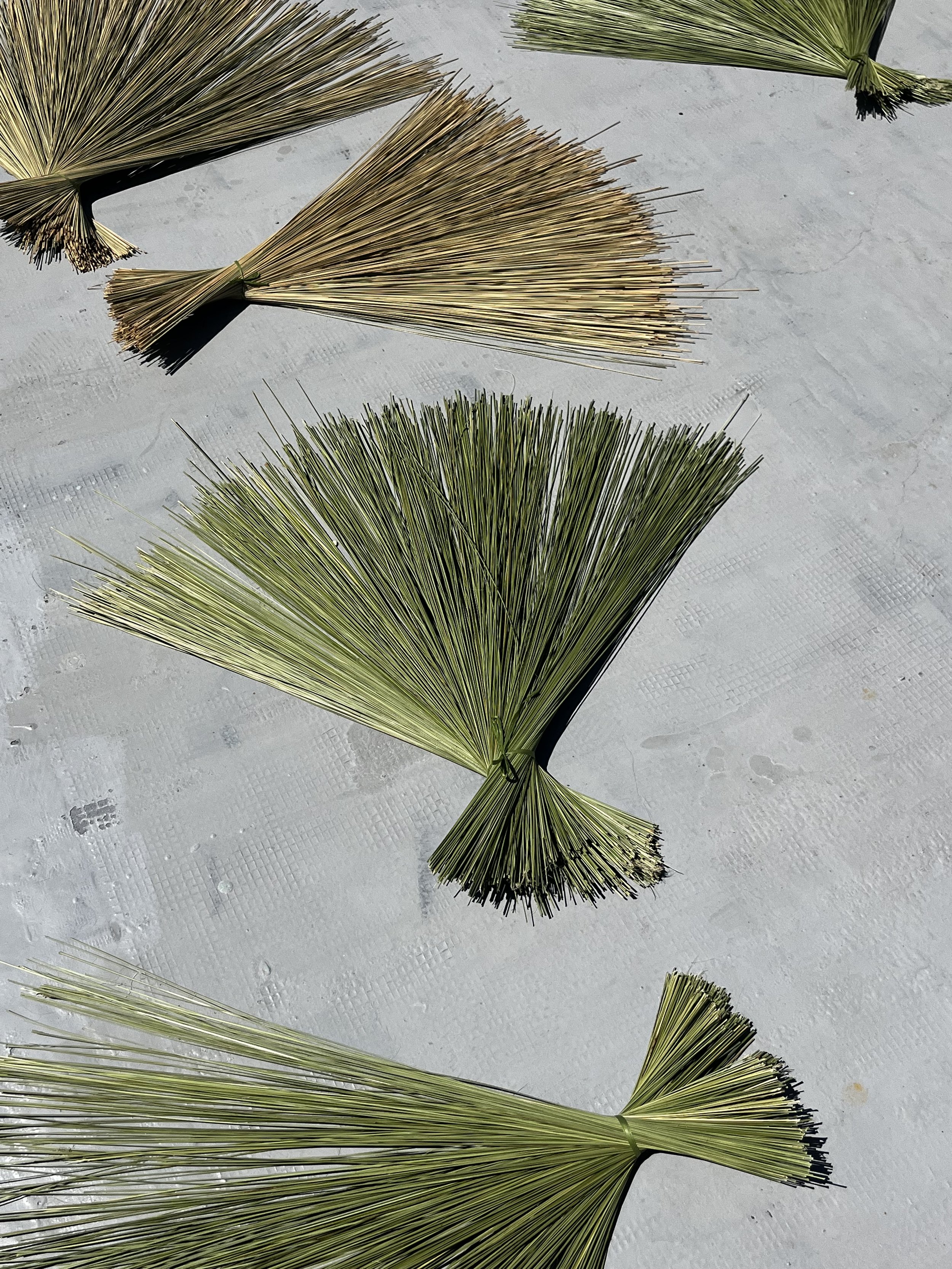
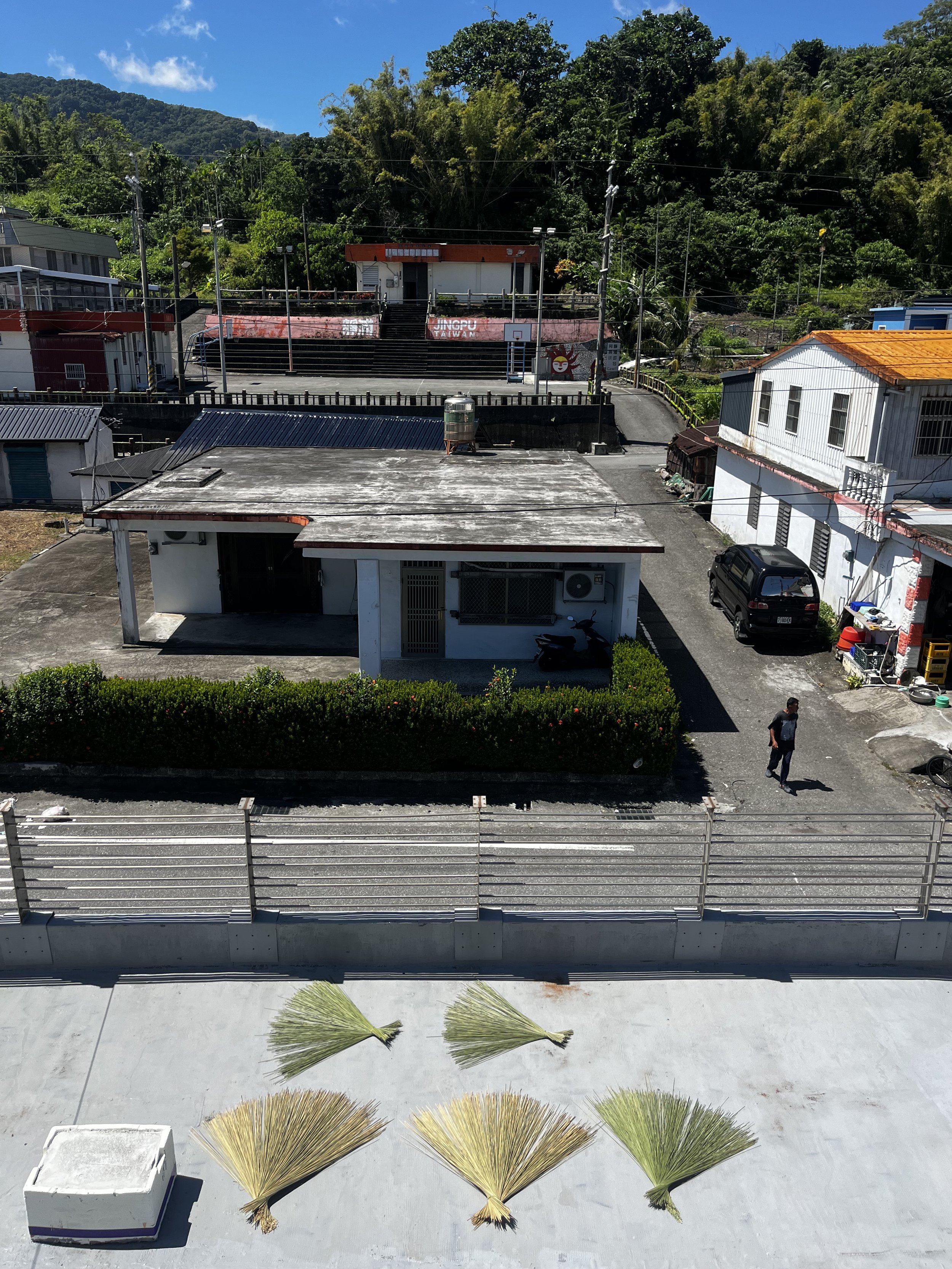
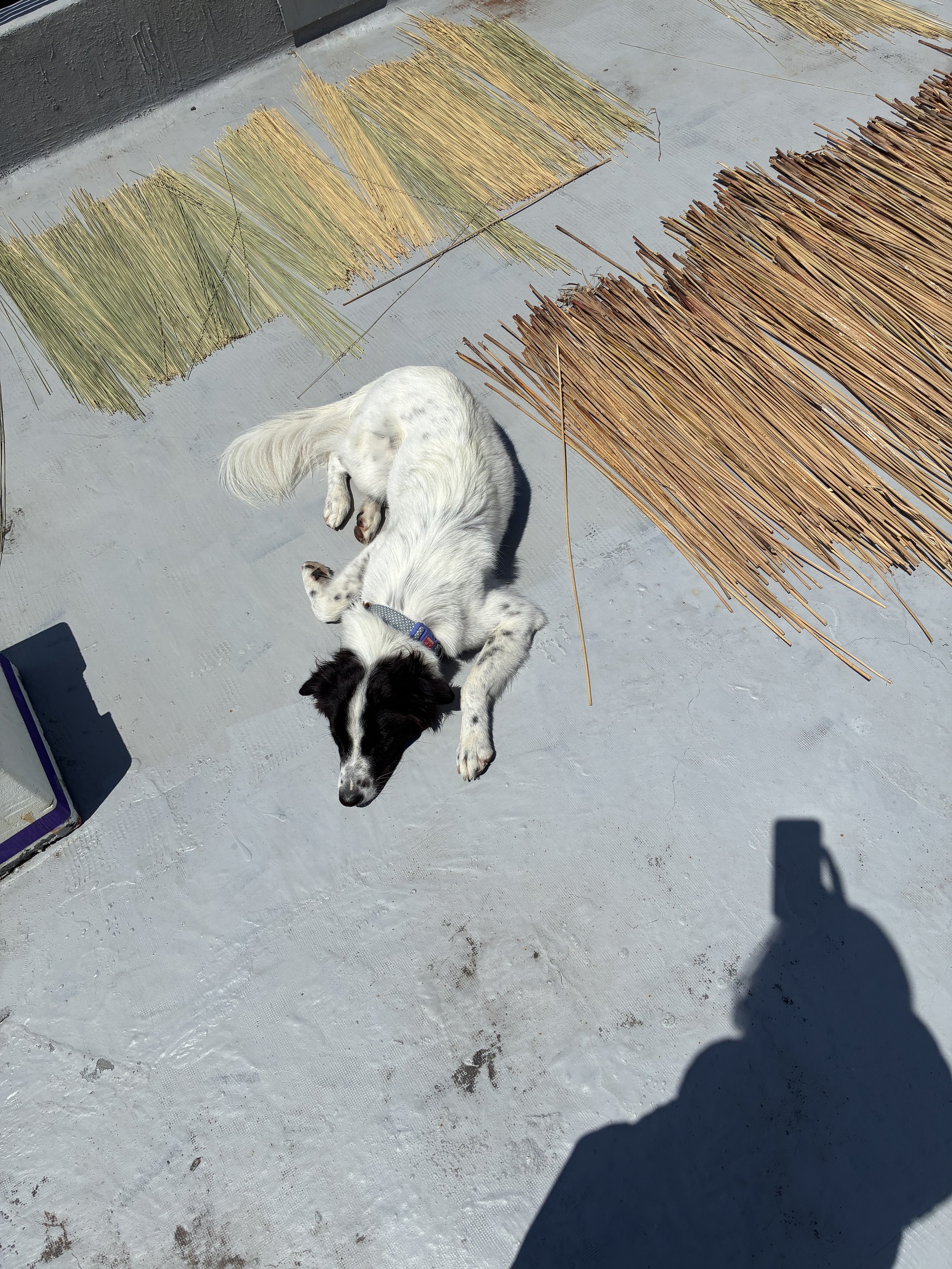
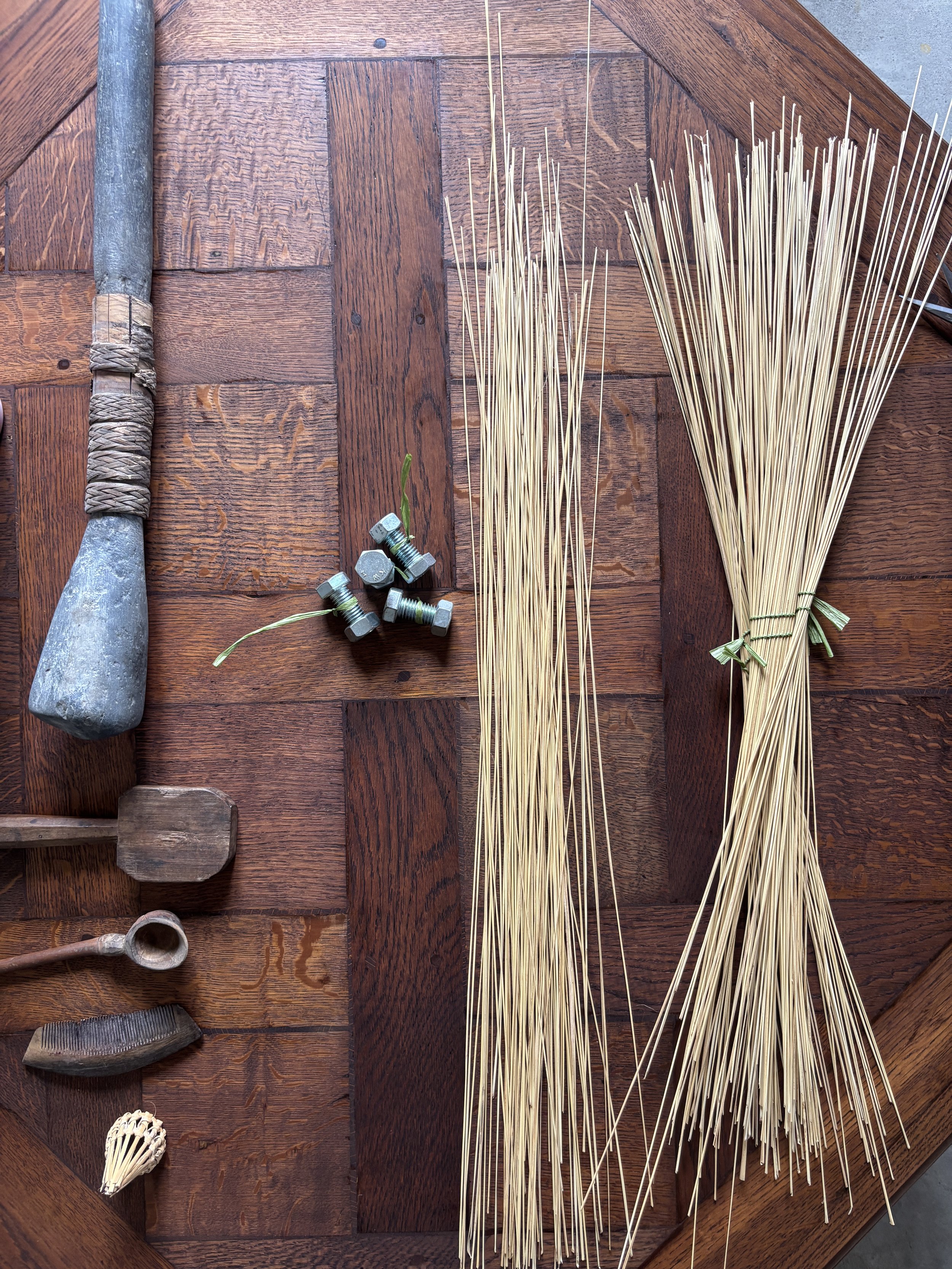
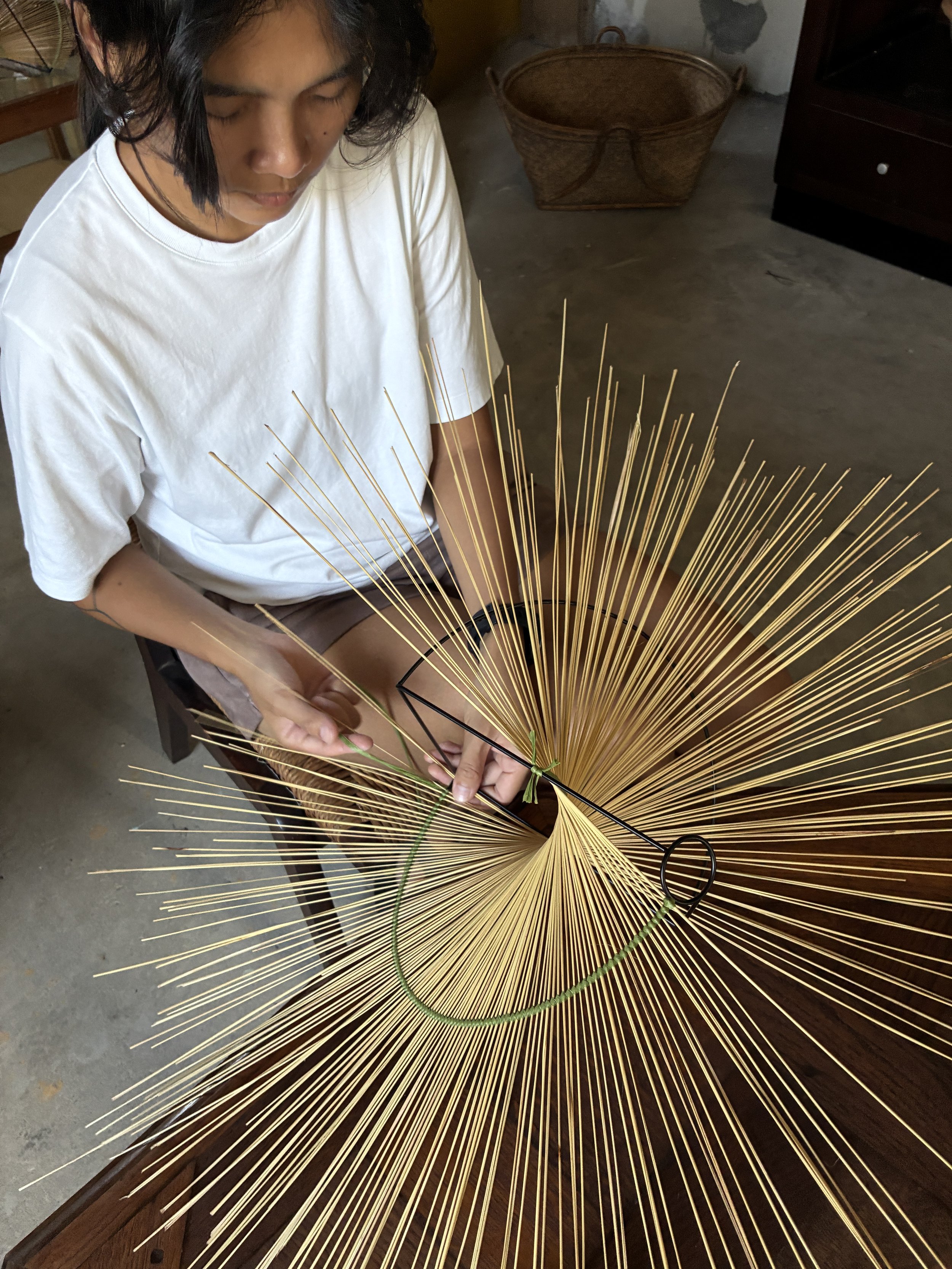
在石梯坪的輪傘草田,靜浦工作室屋頂、平台曬的草,以及編燈。
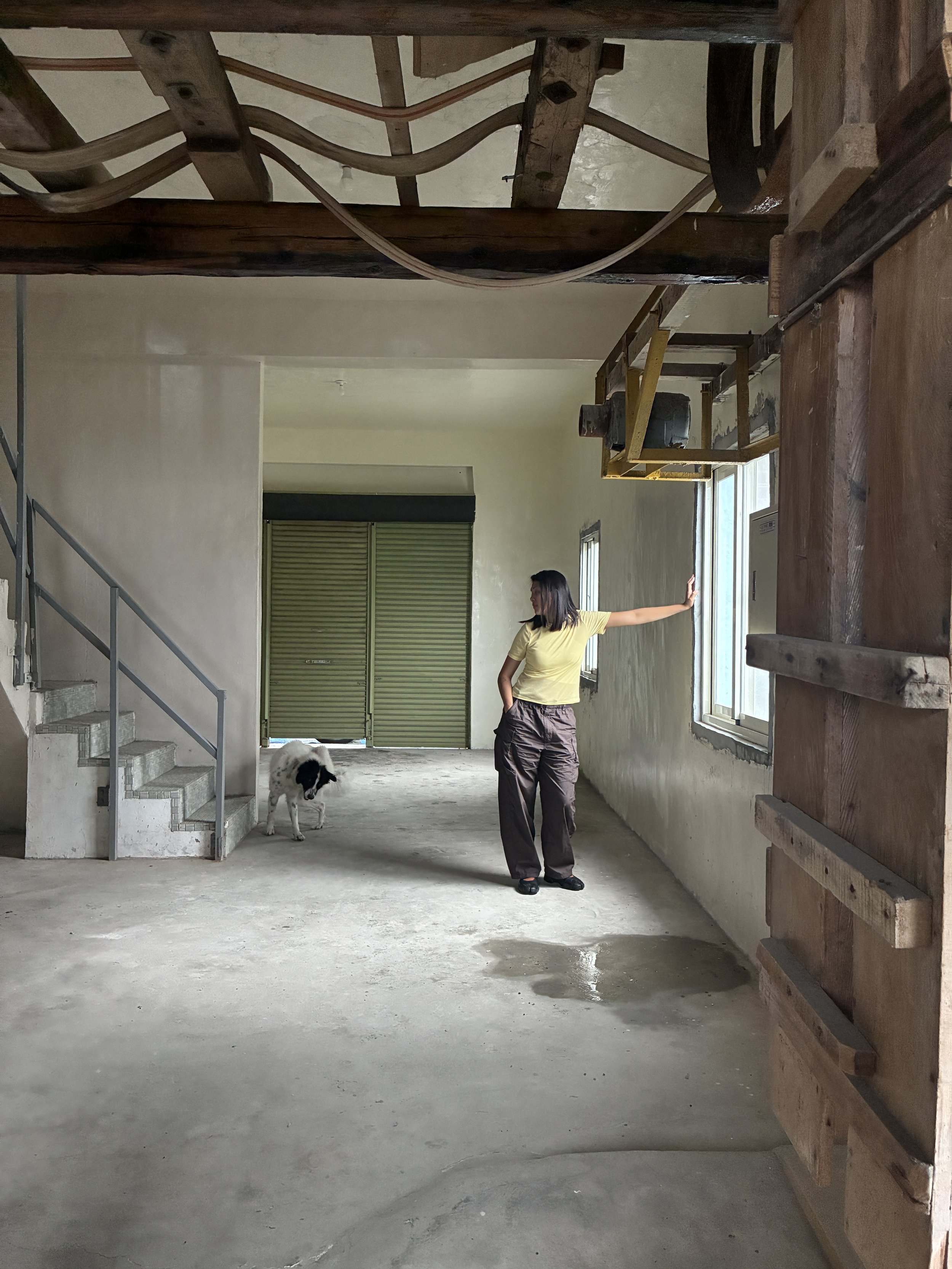
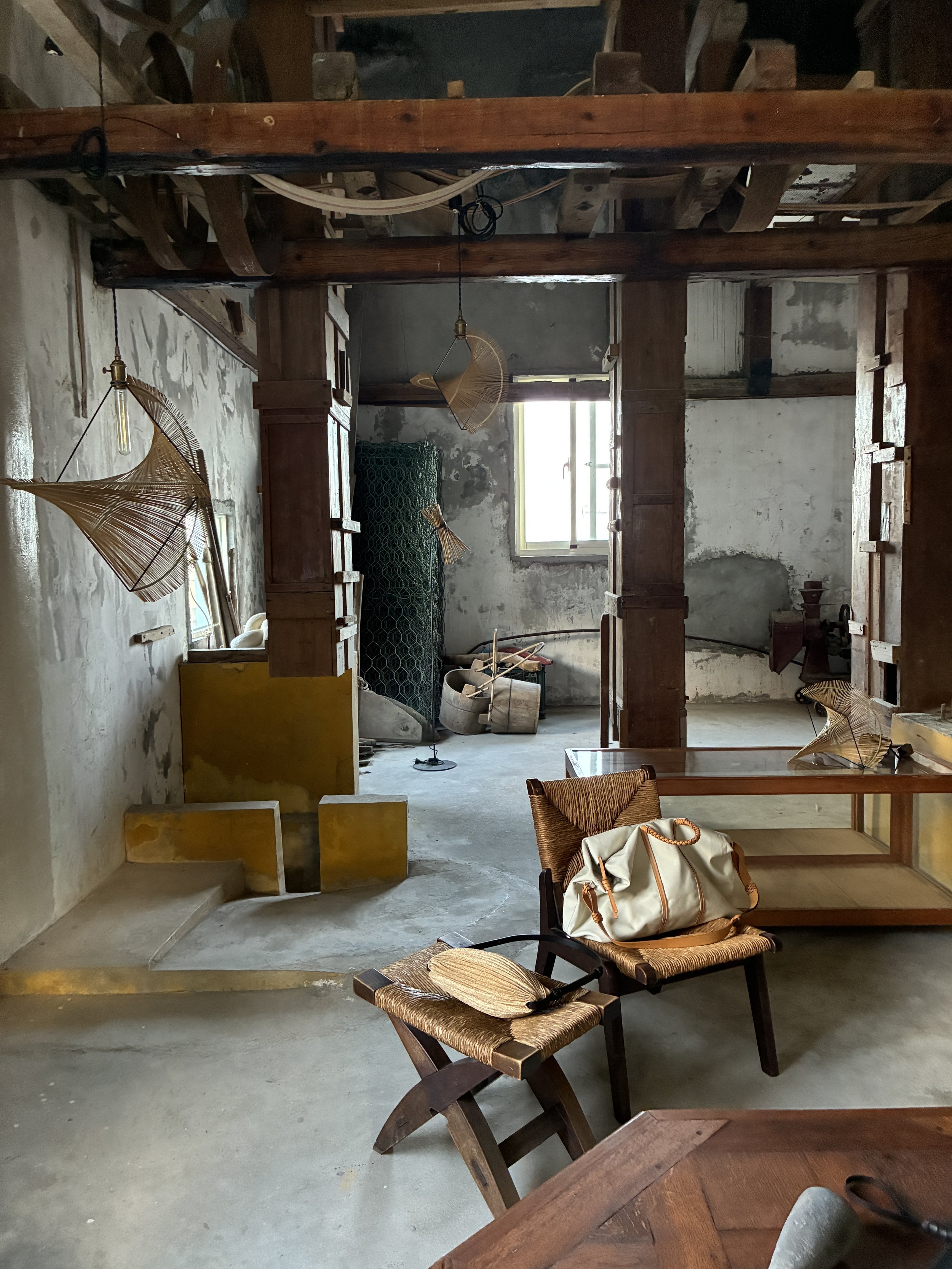
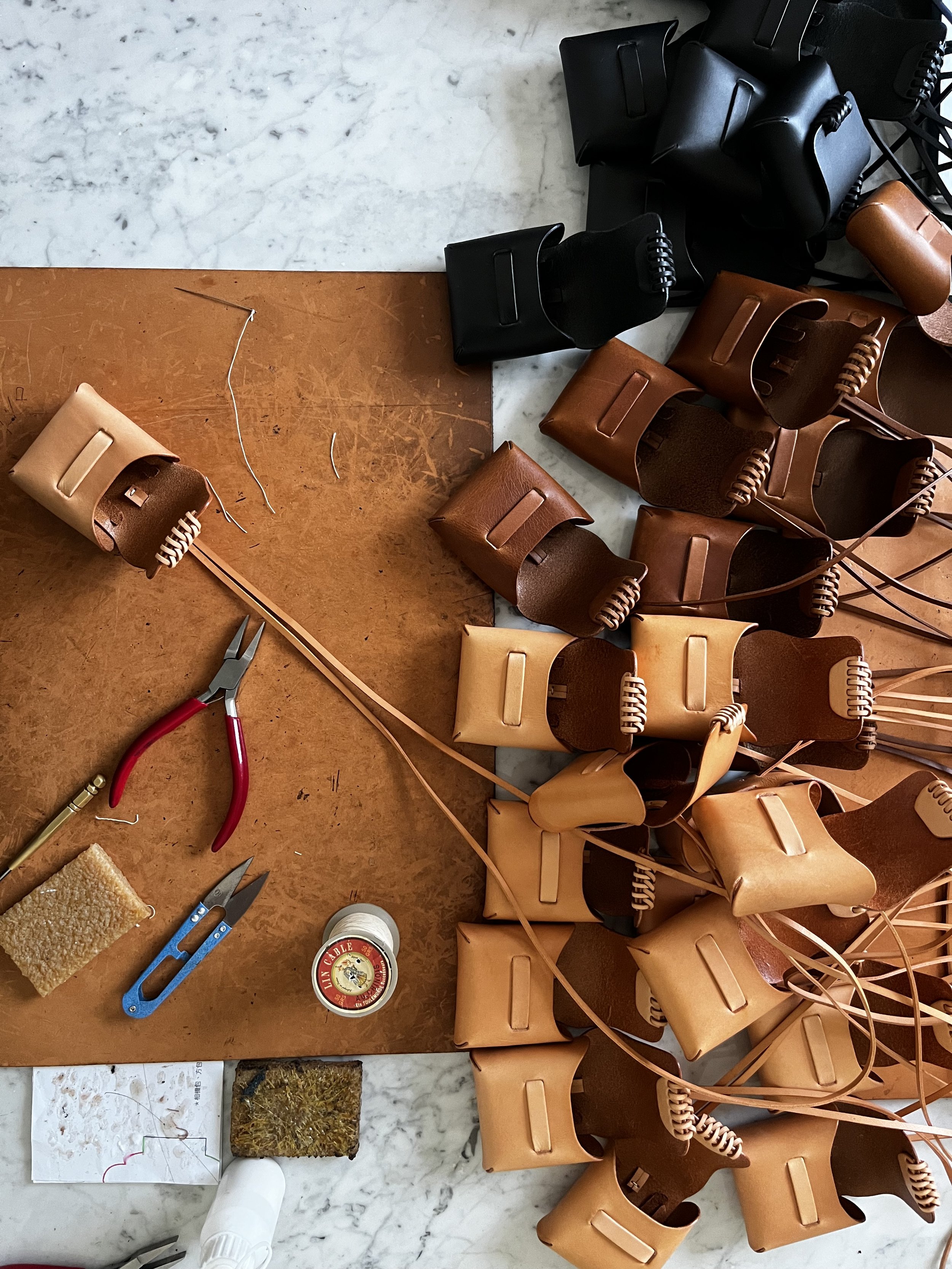
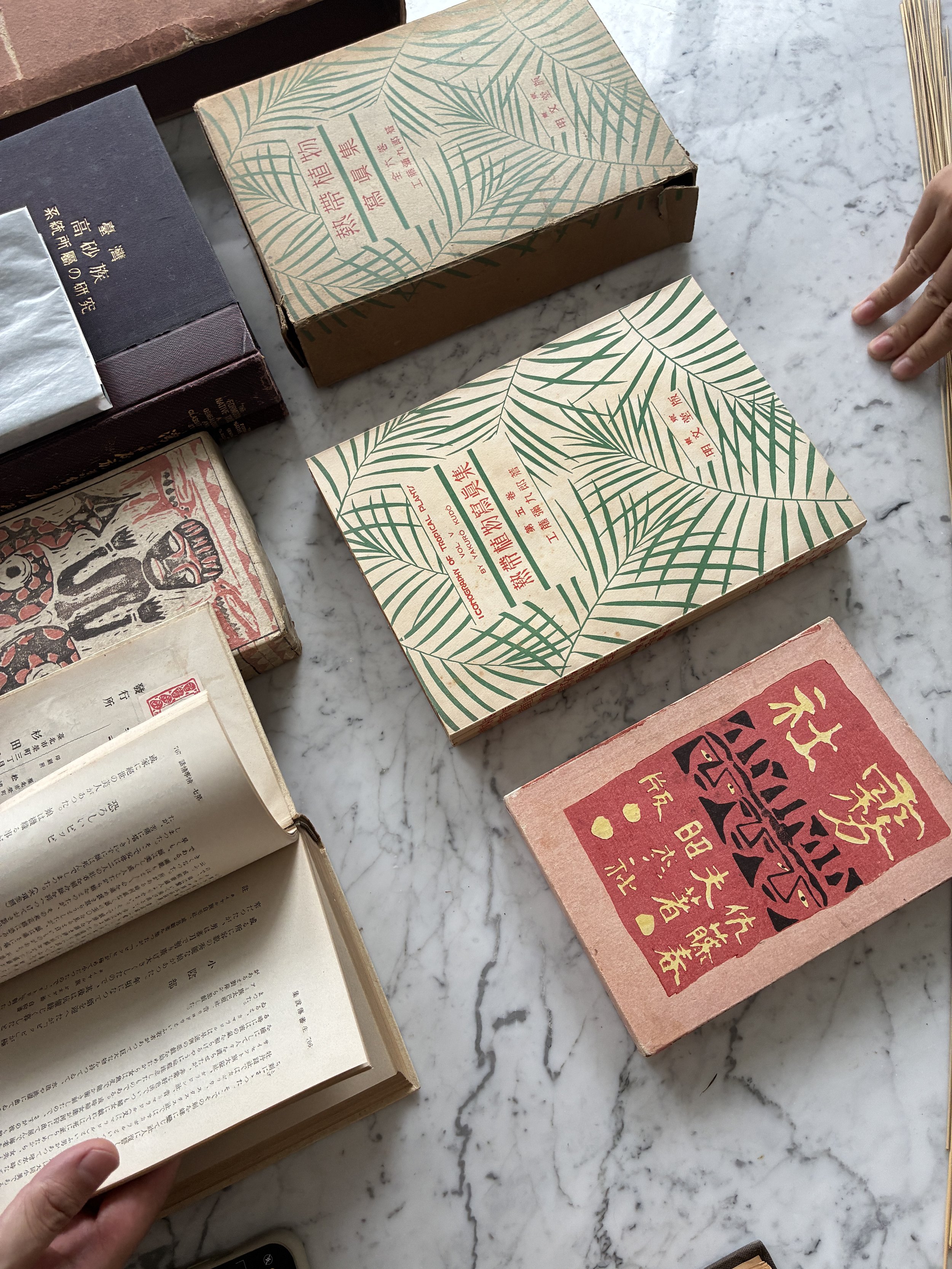
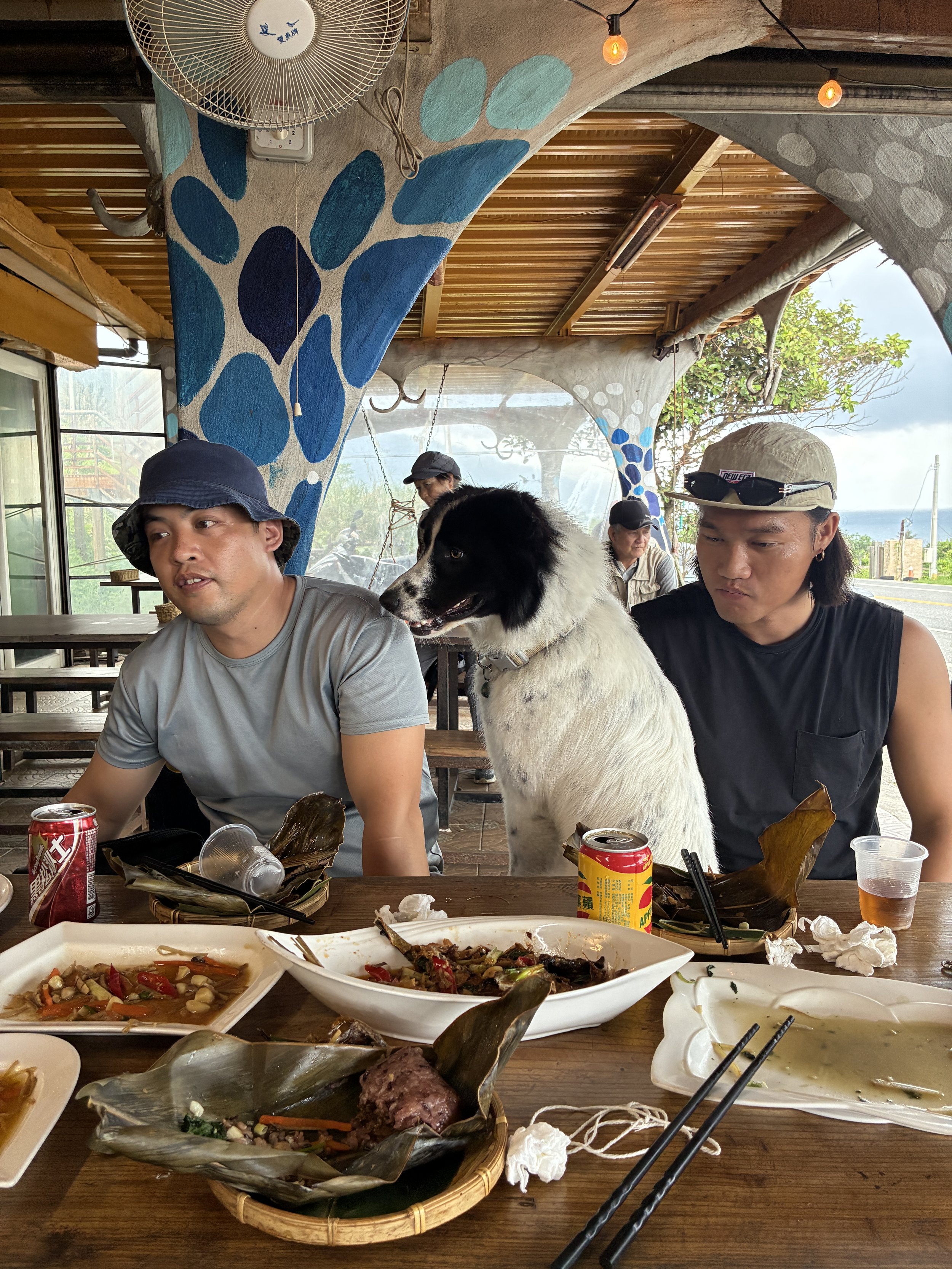
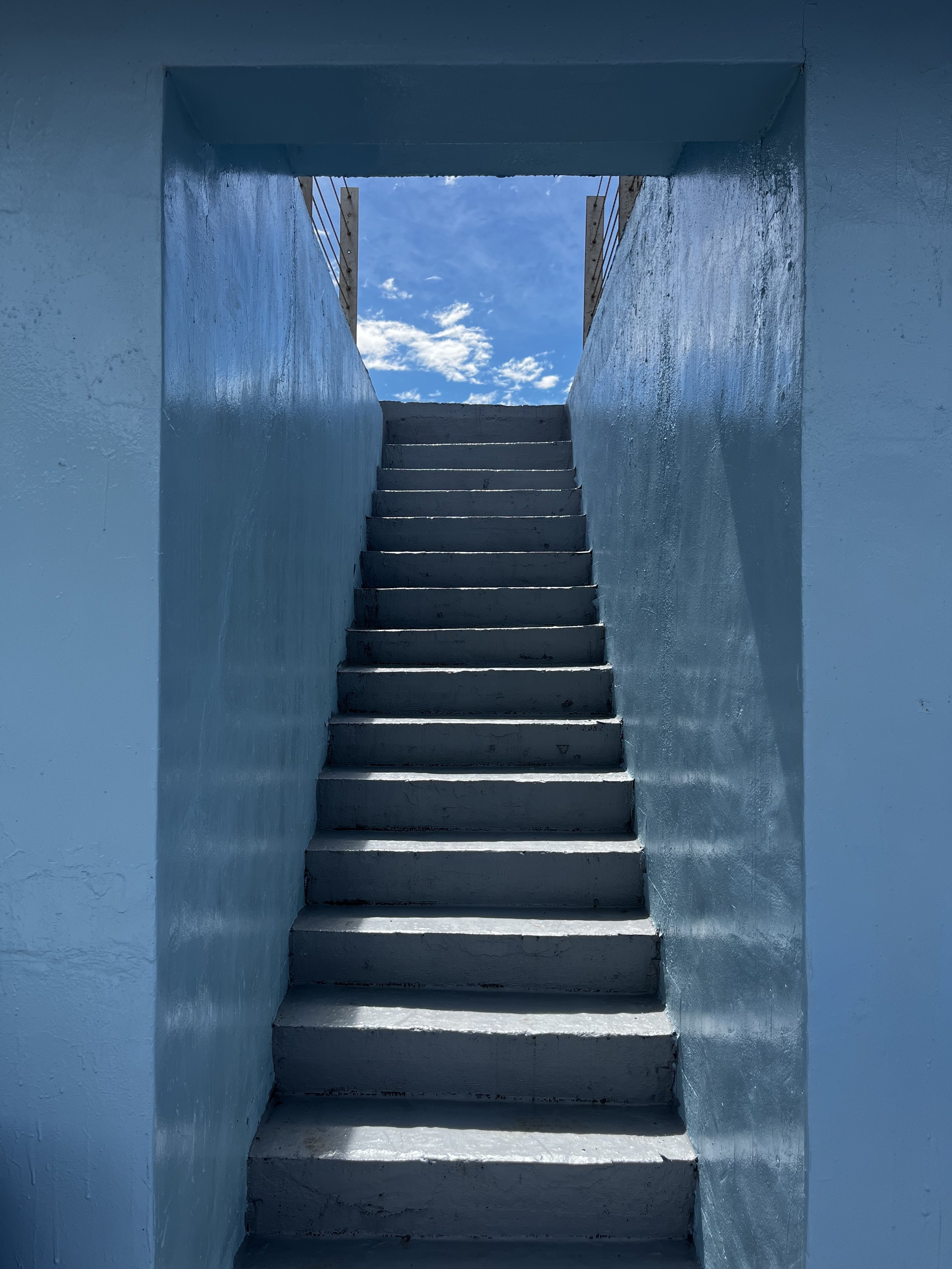
米倉,編織,古書,飛魚攤,面海的屋頂。
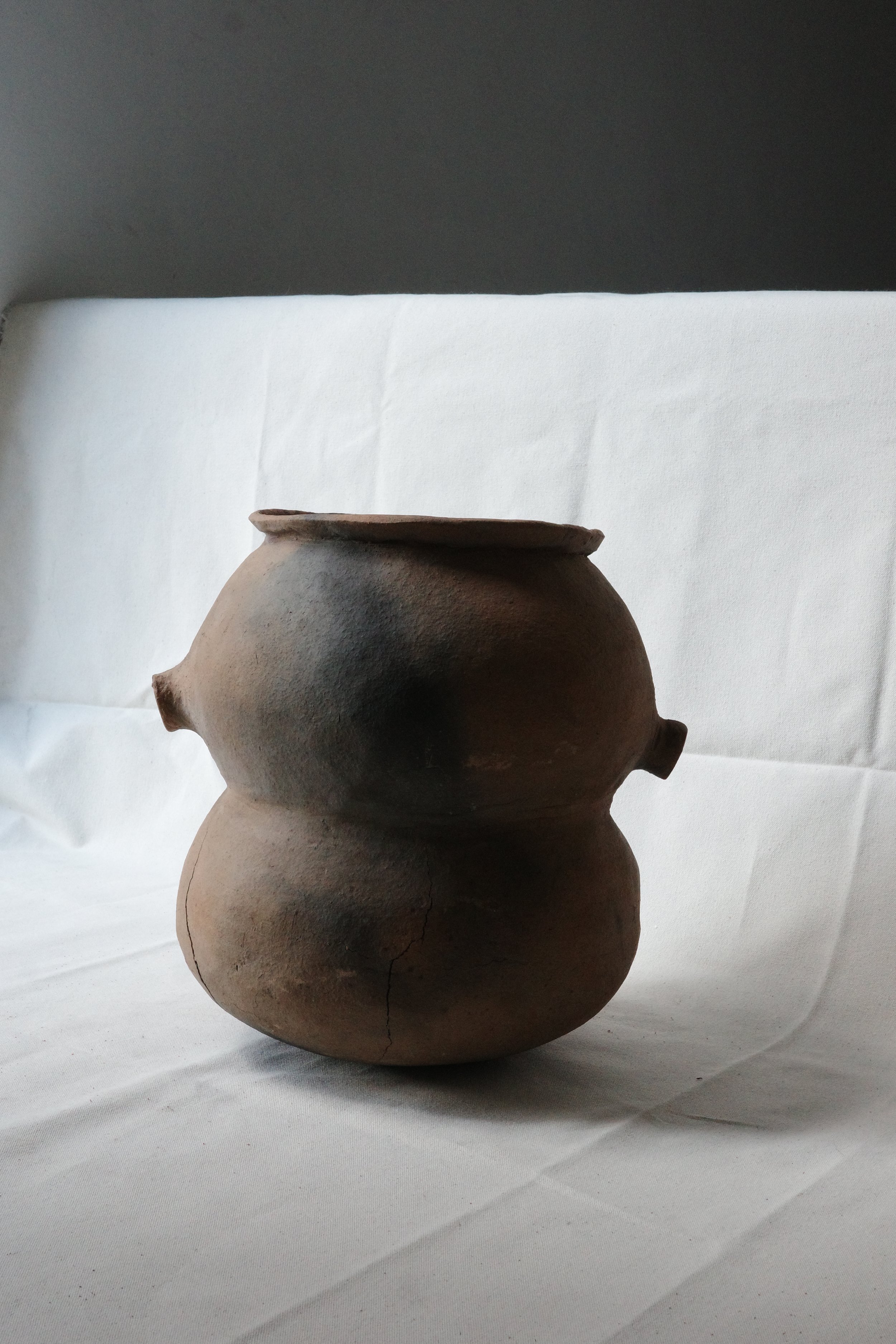
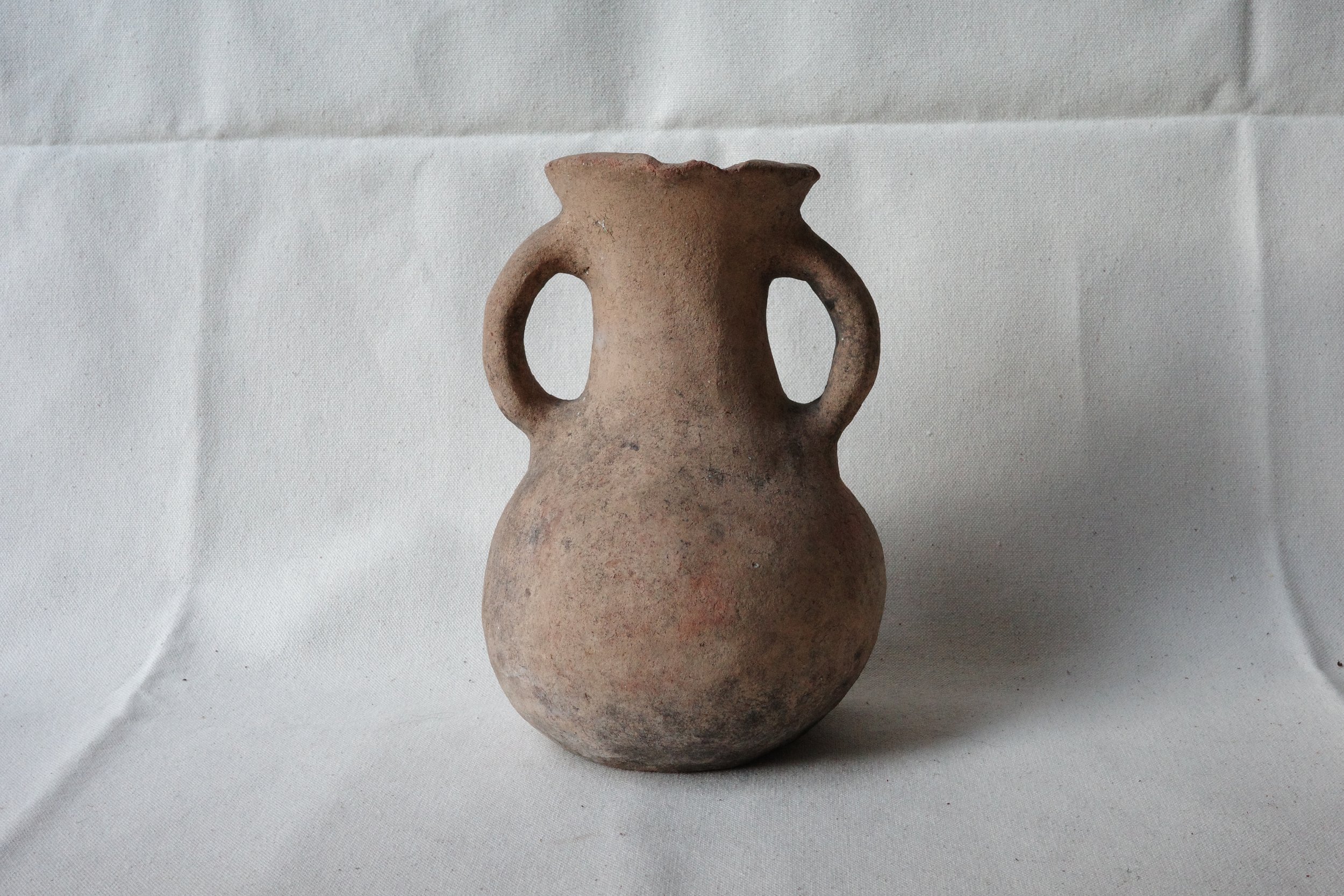
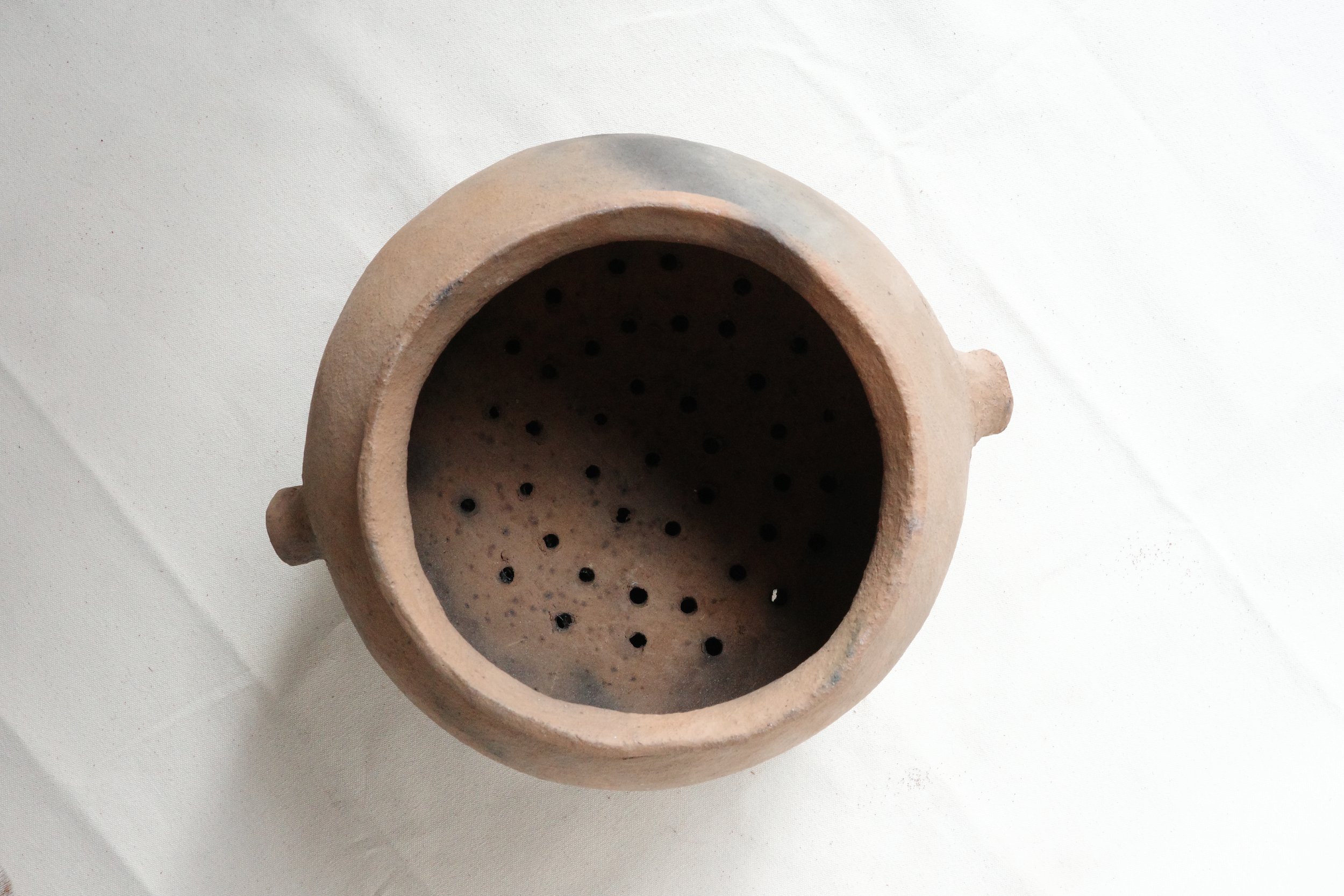
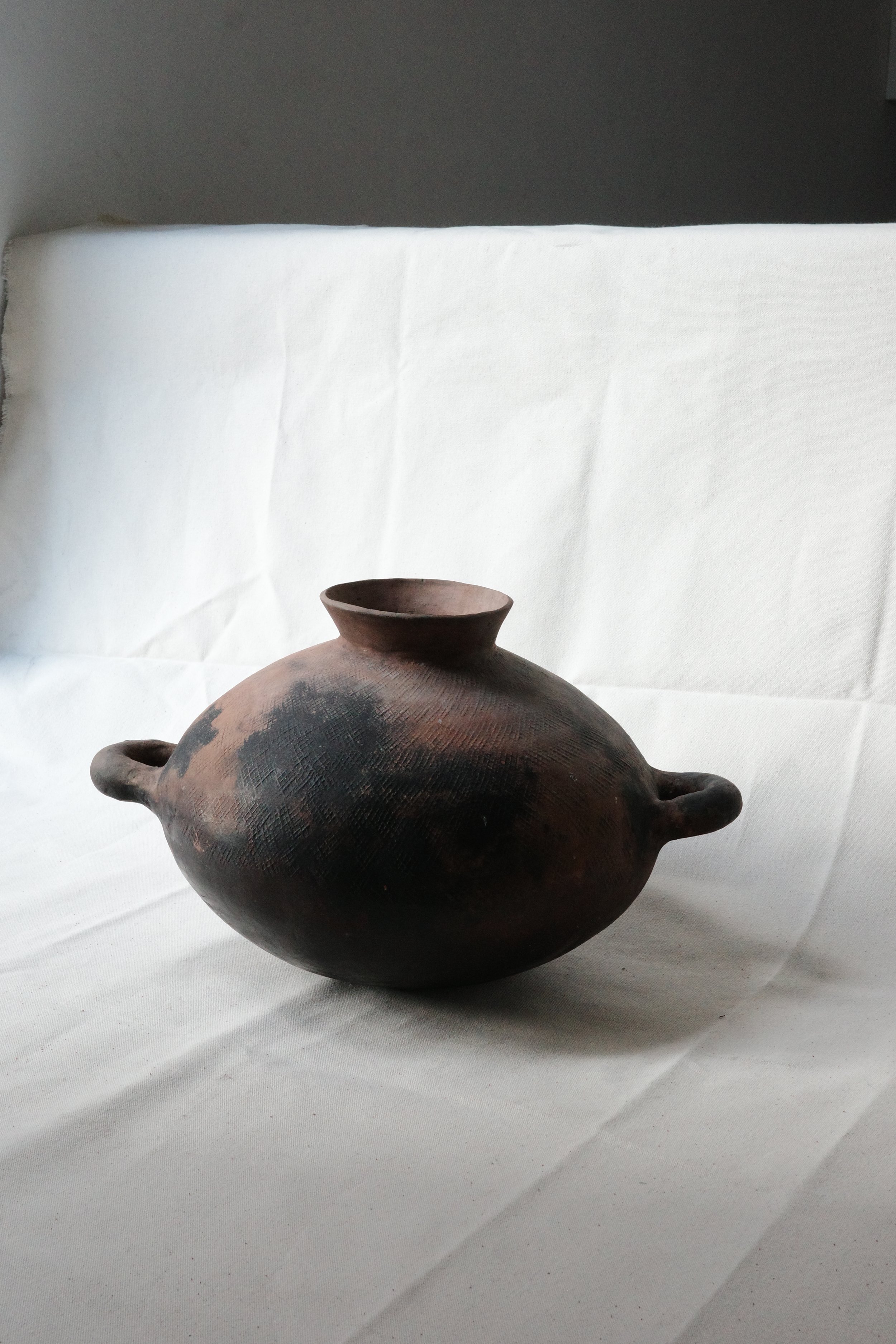
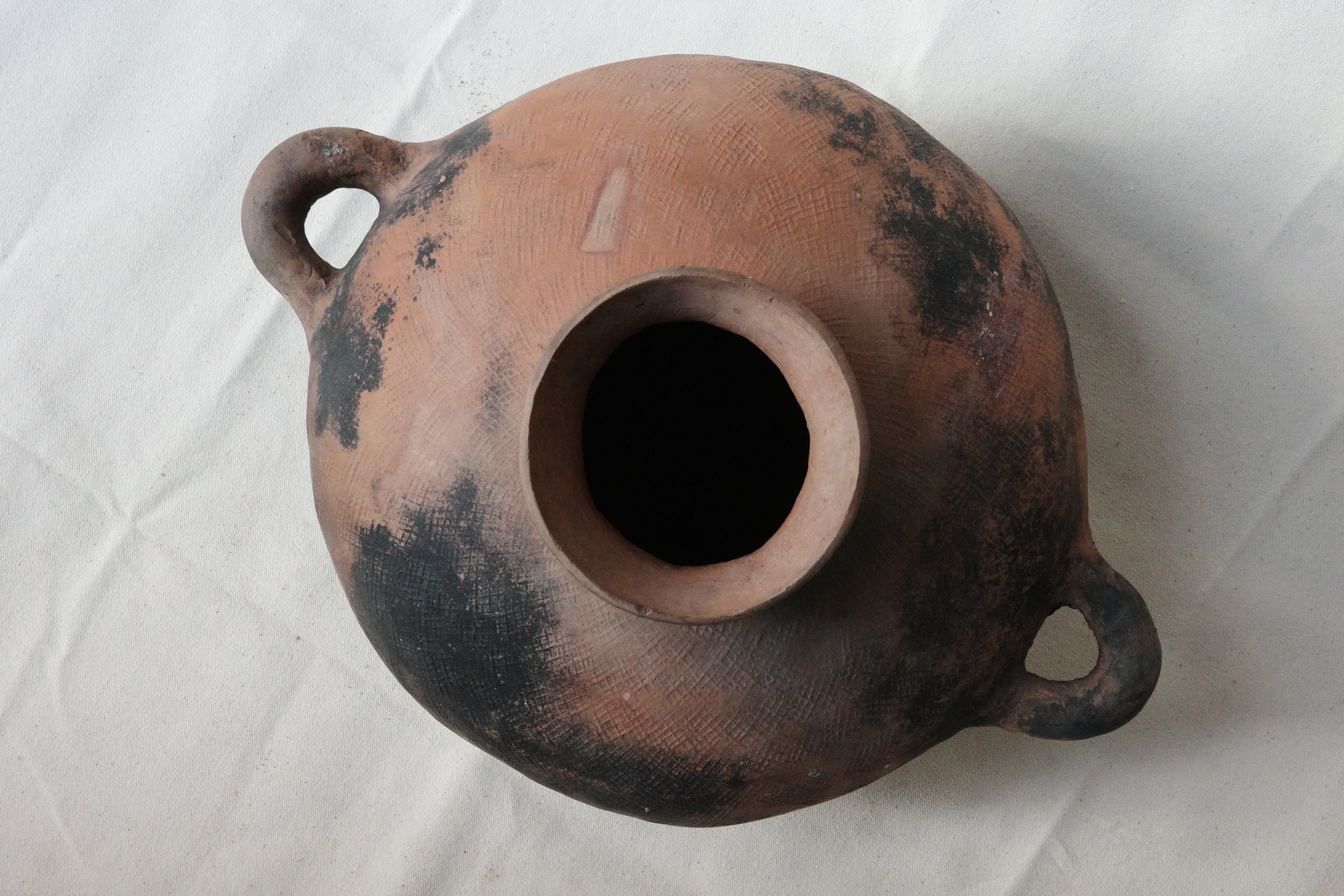
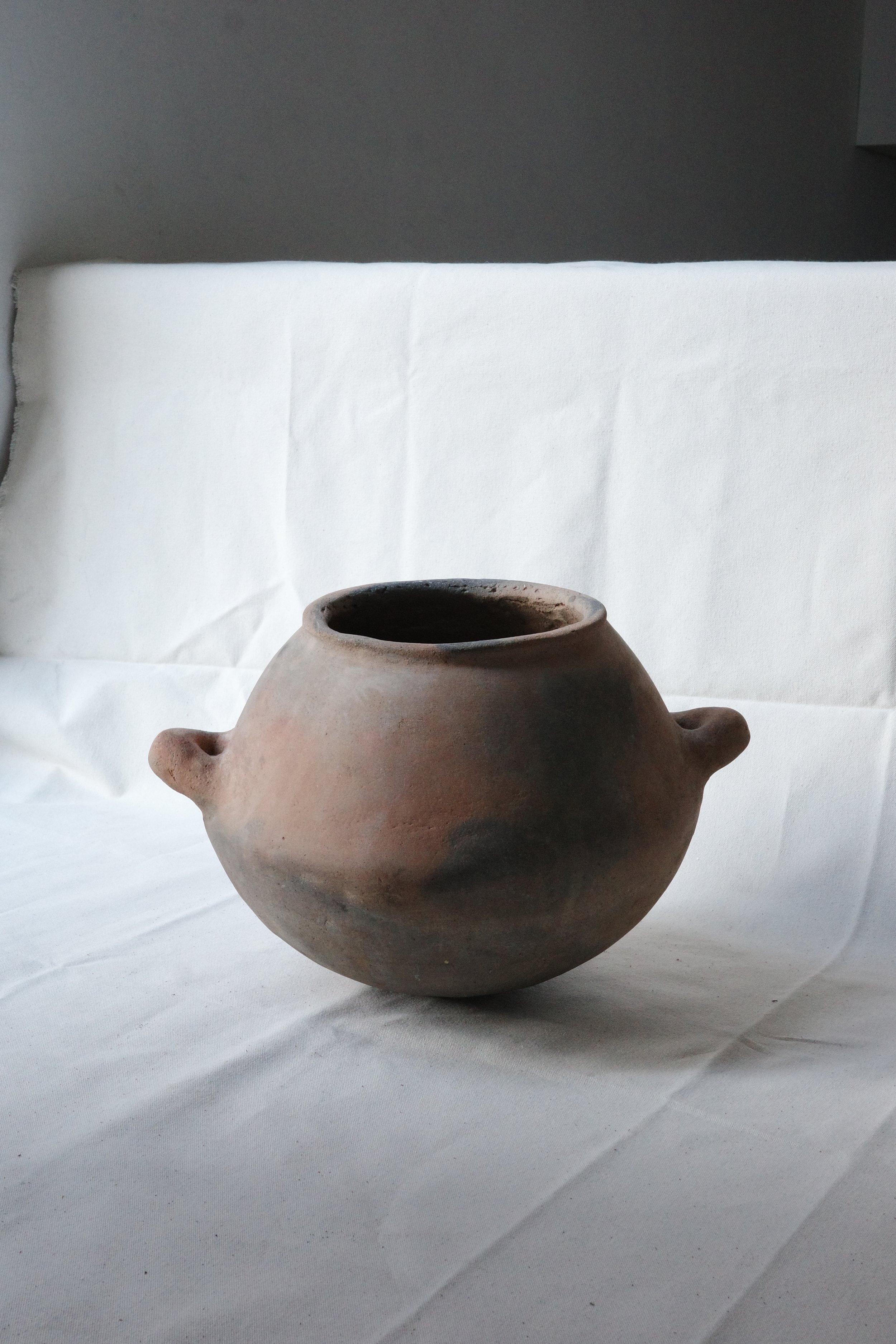
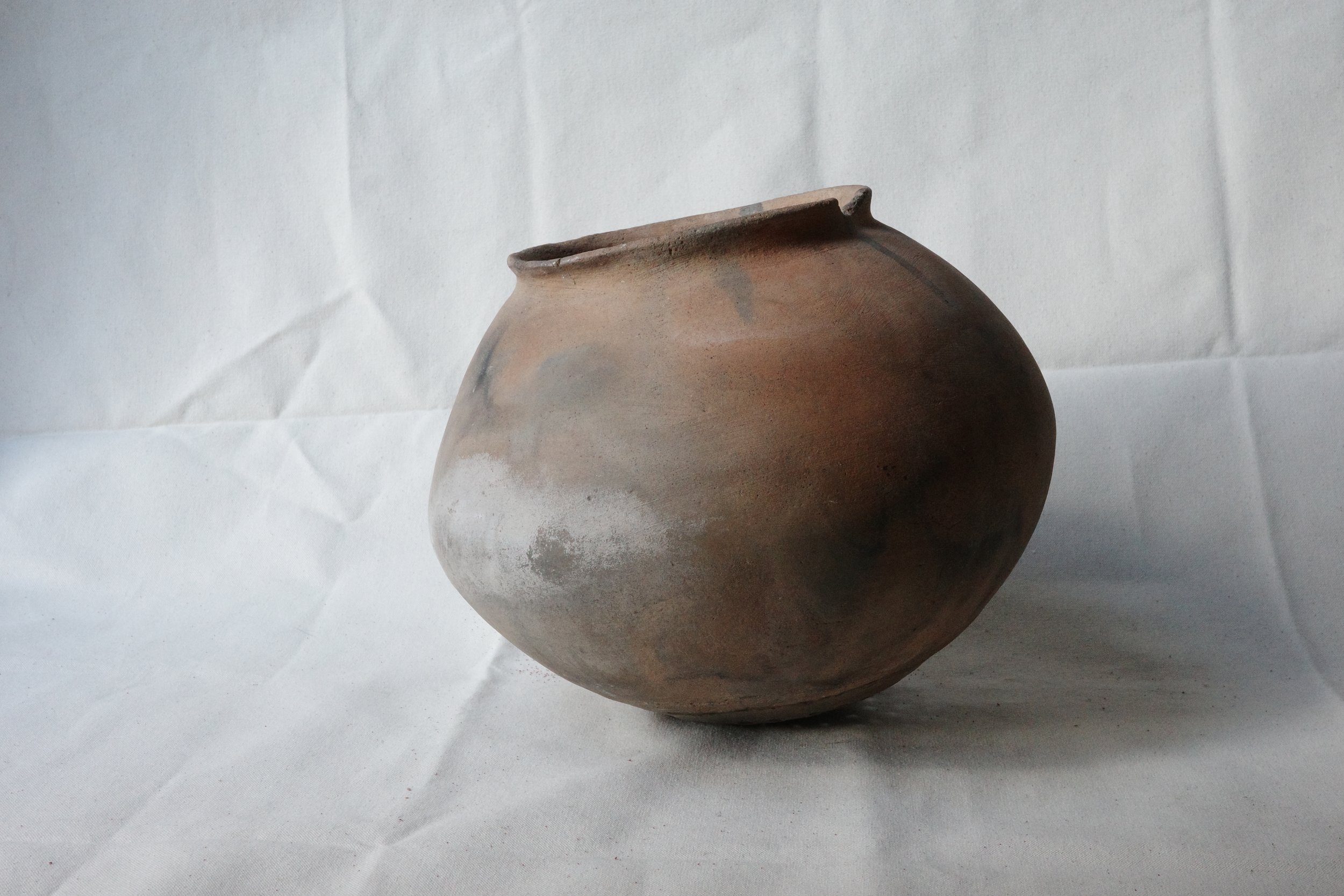
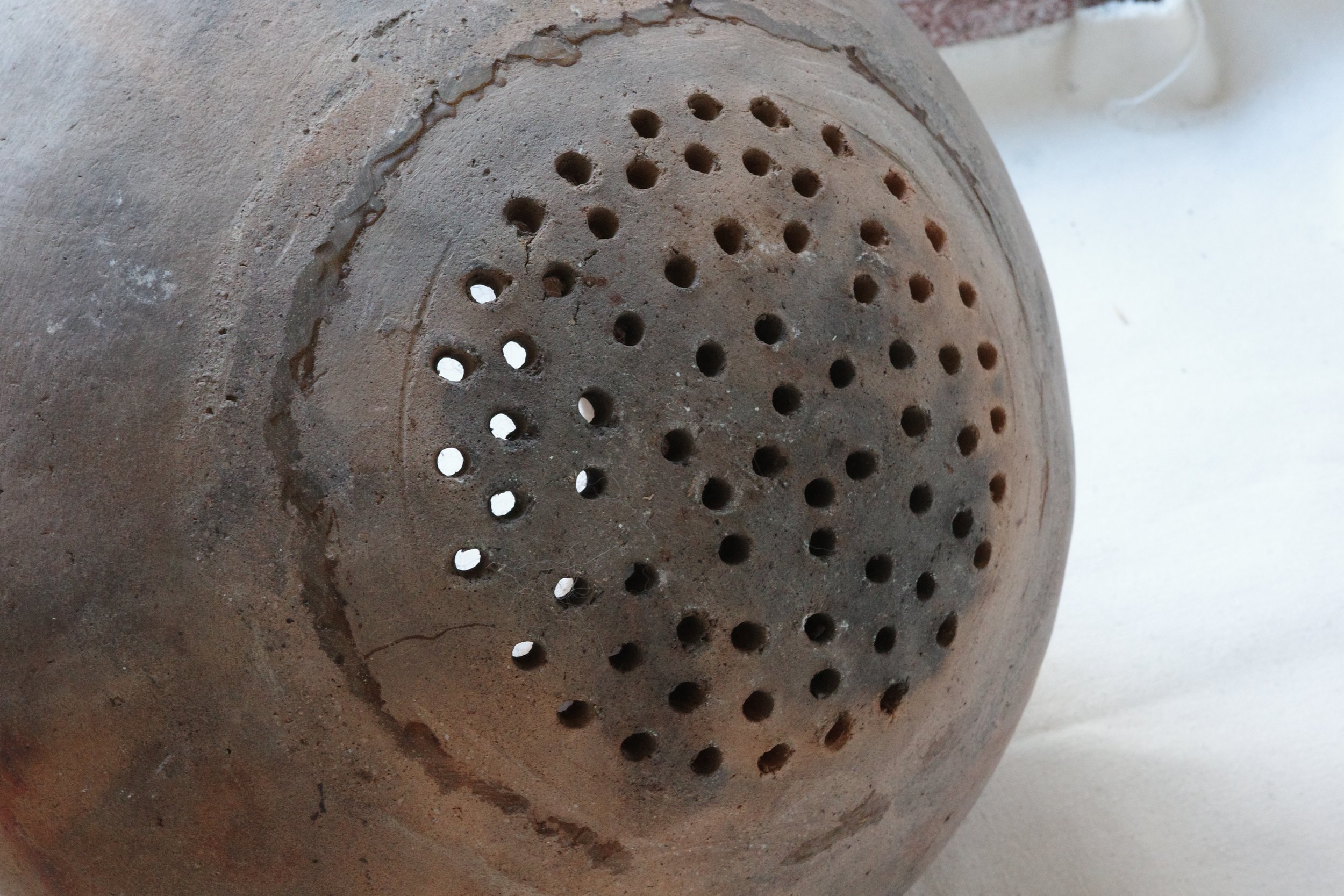
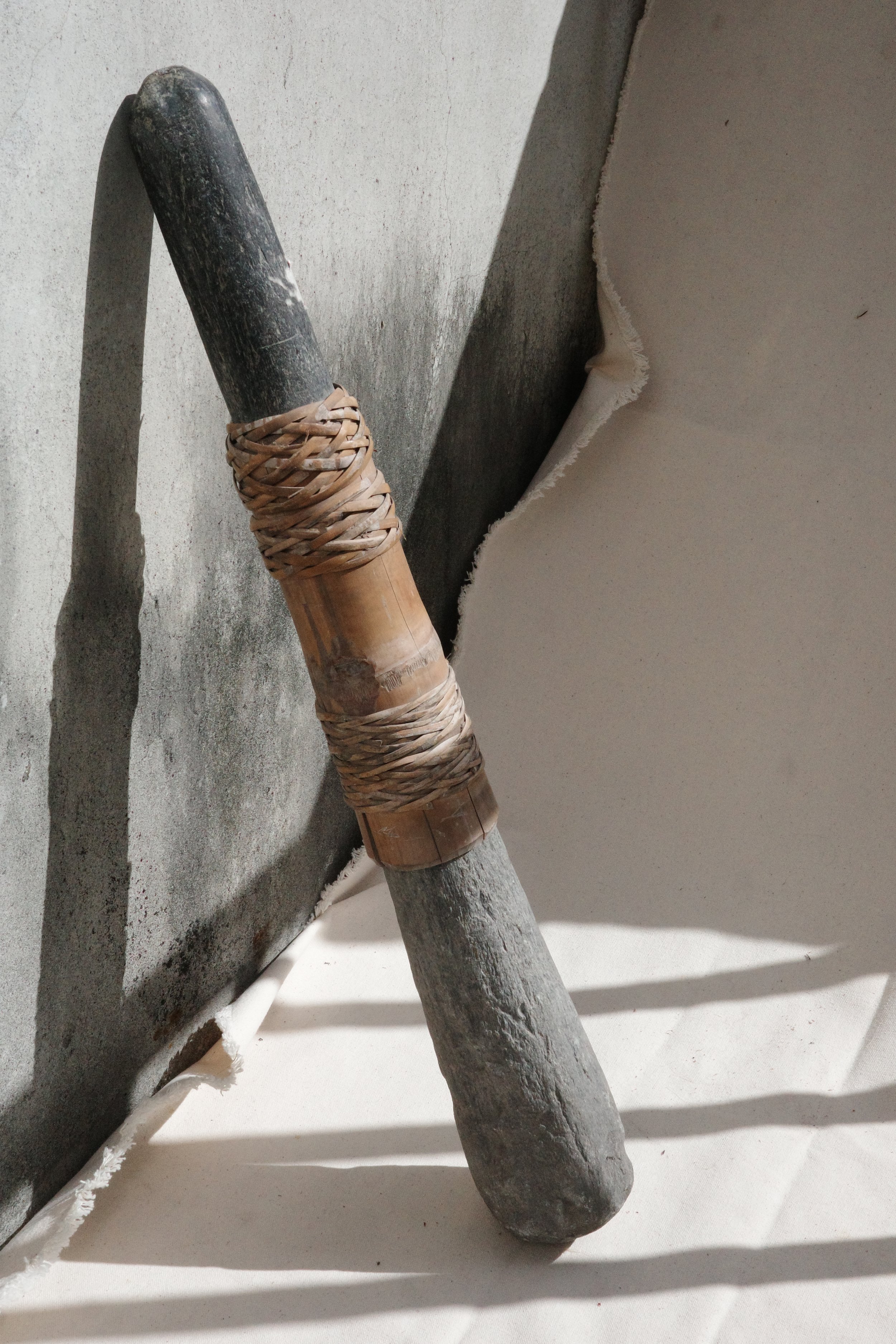
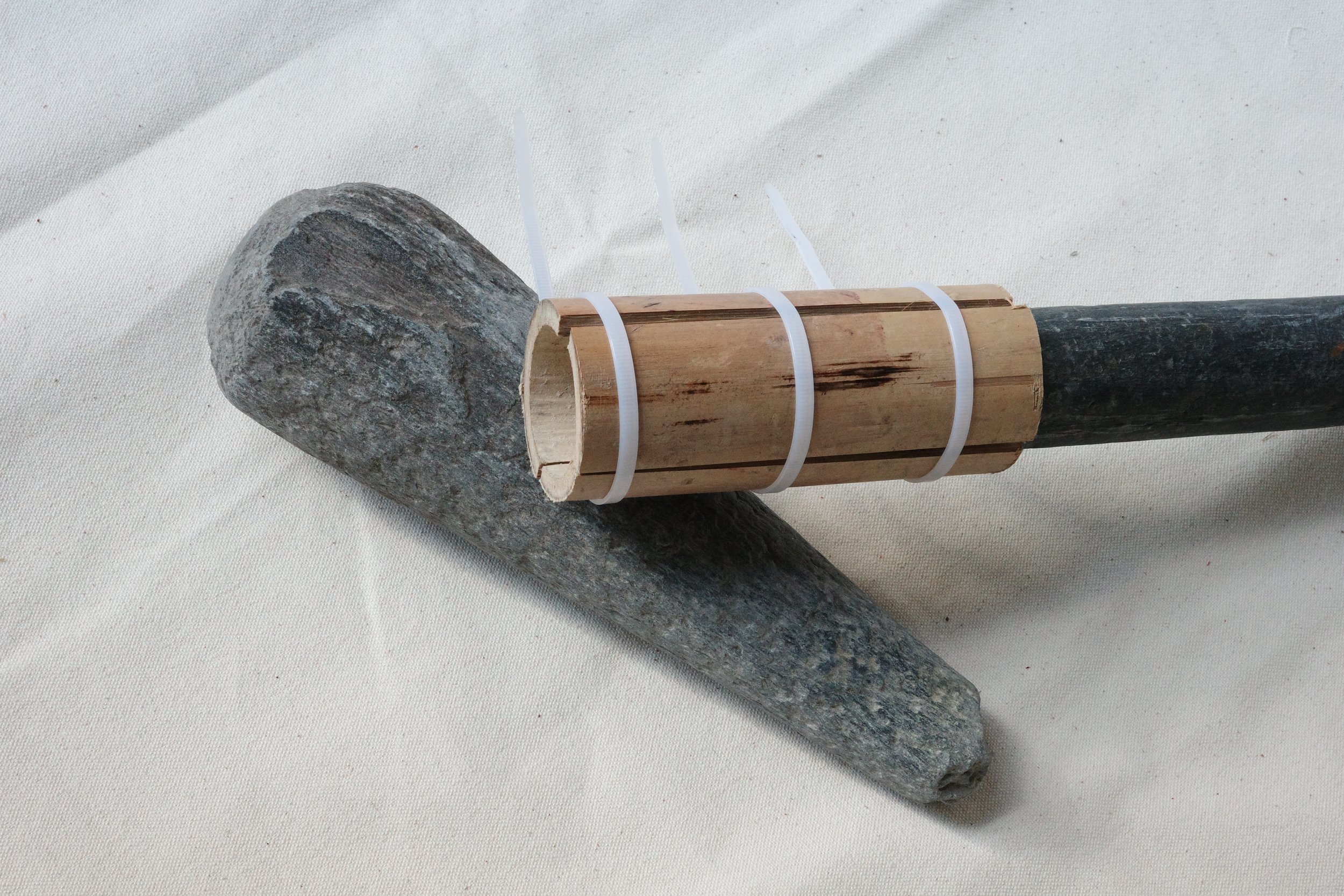
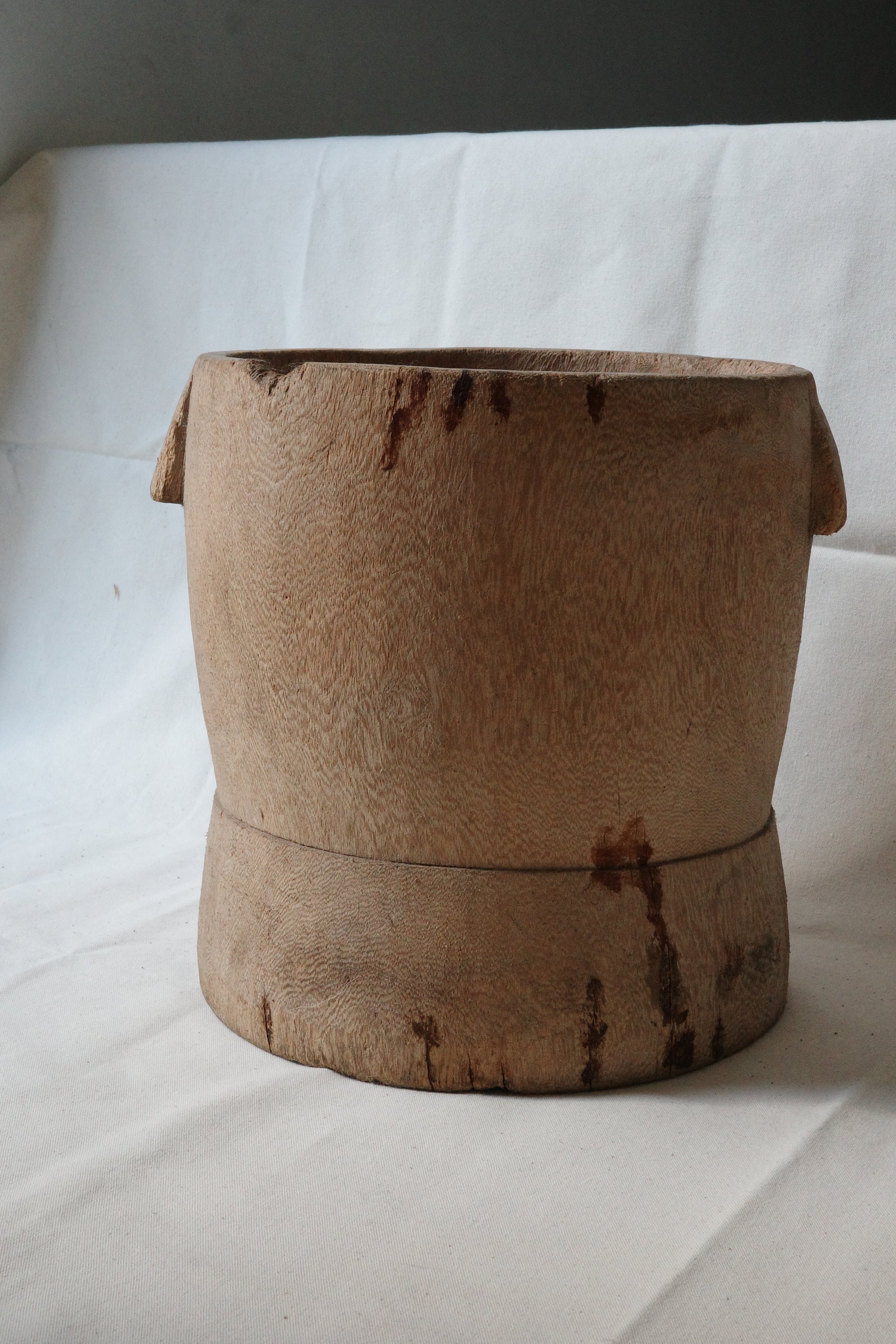
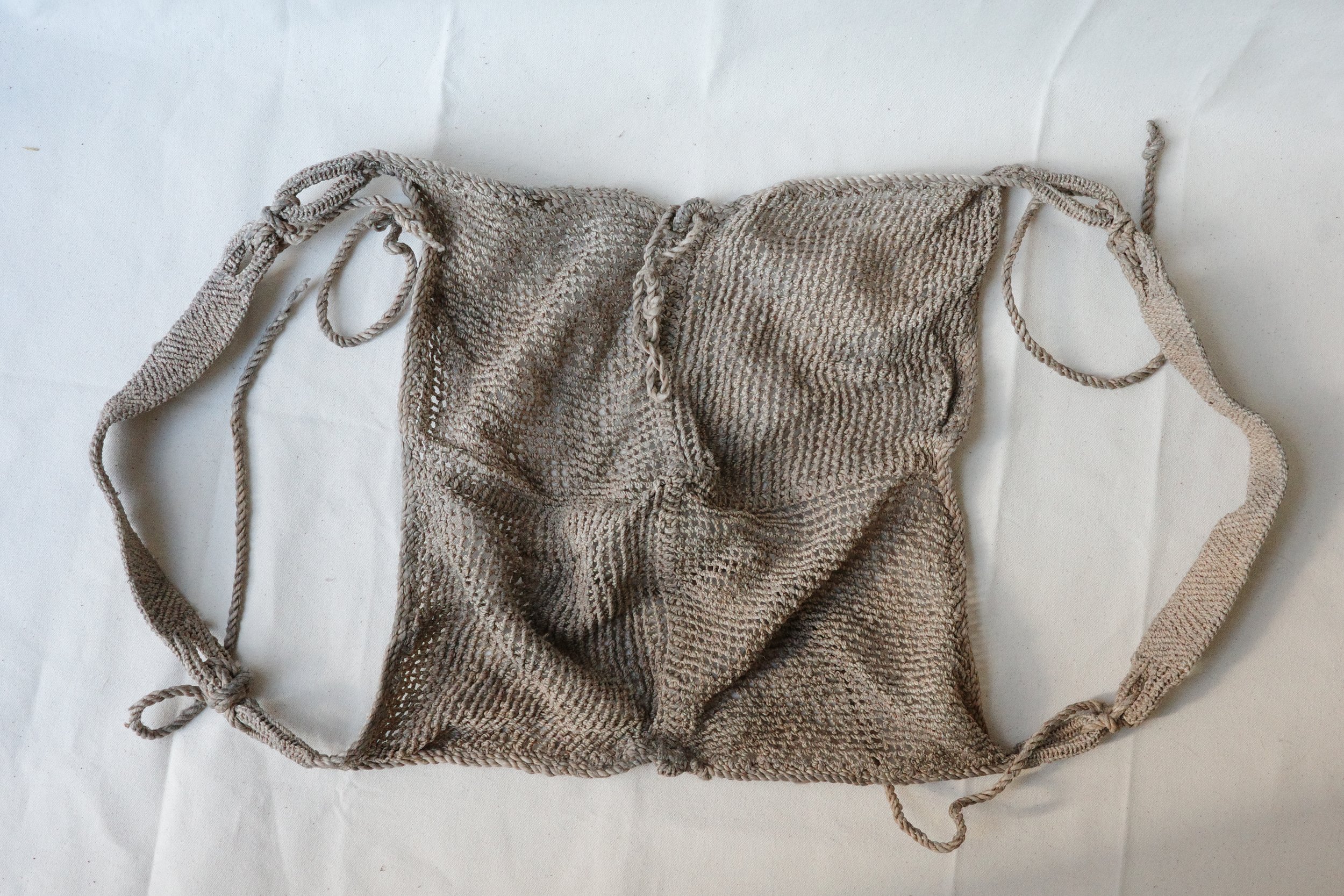
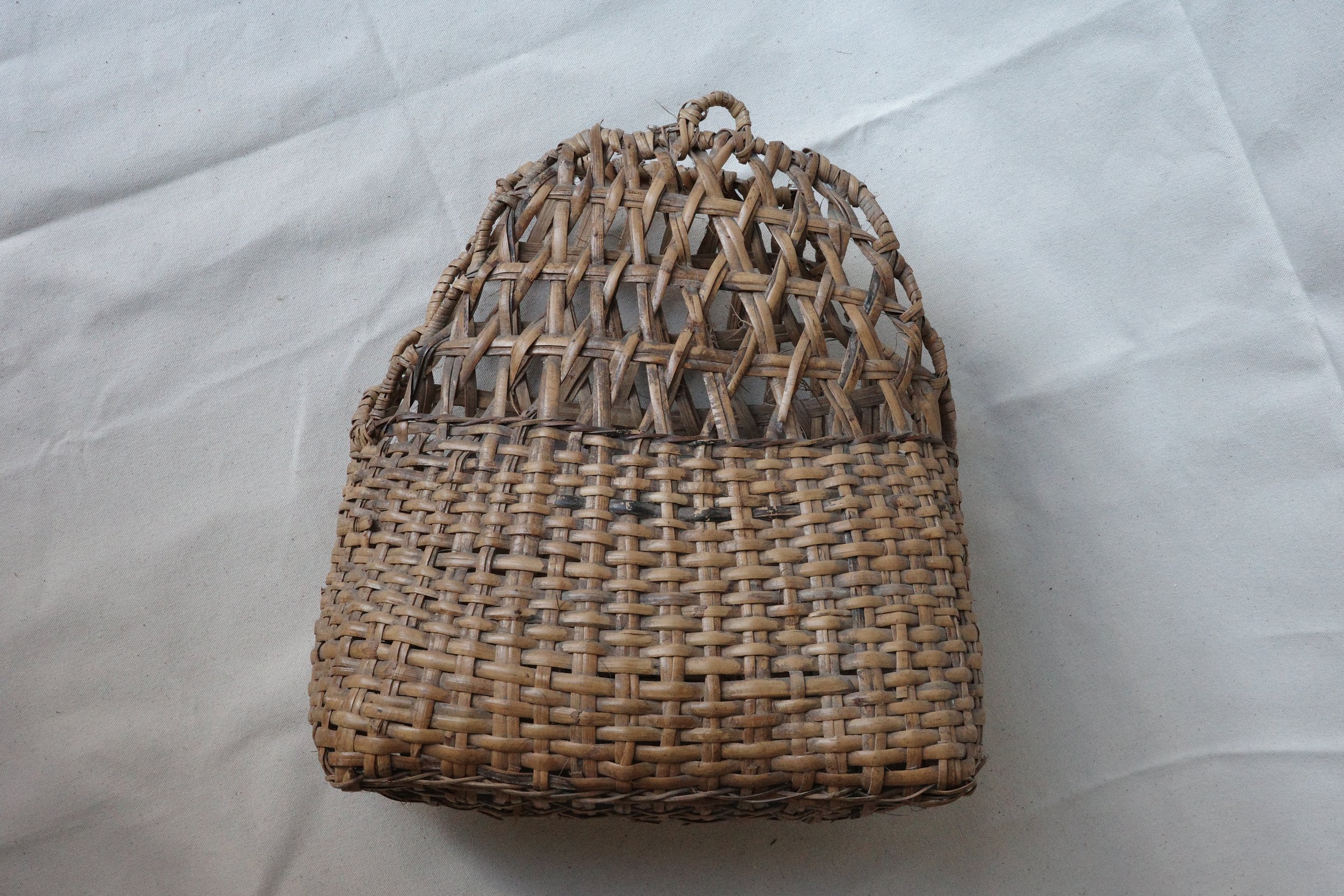
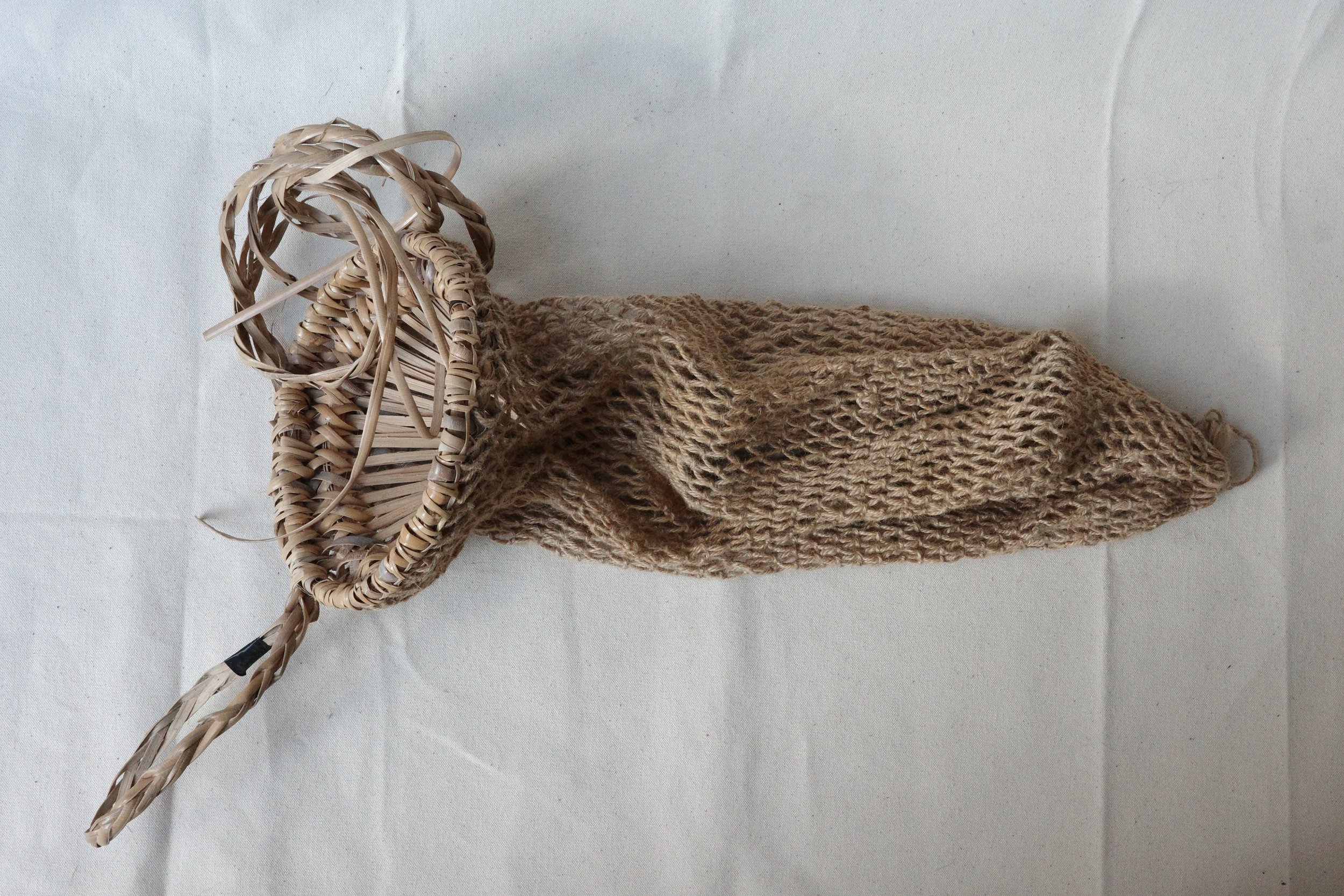
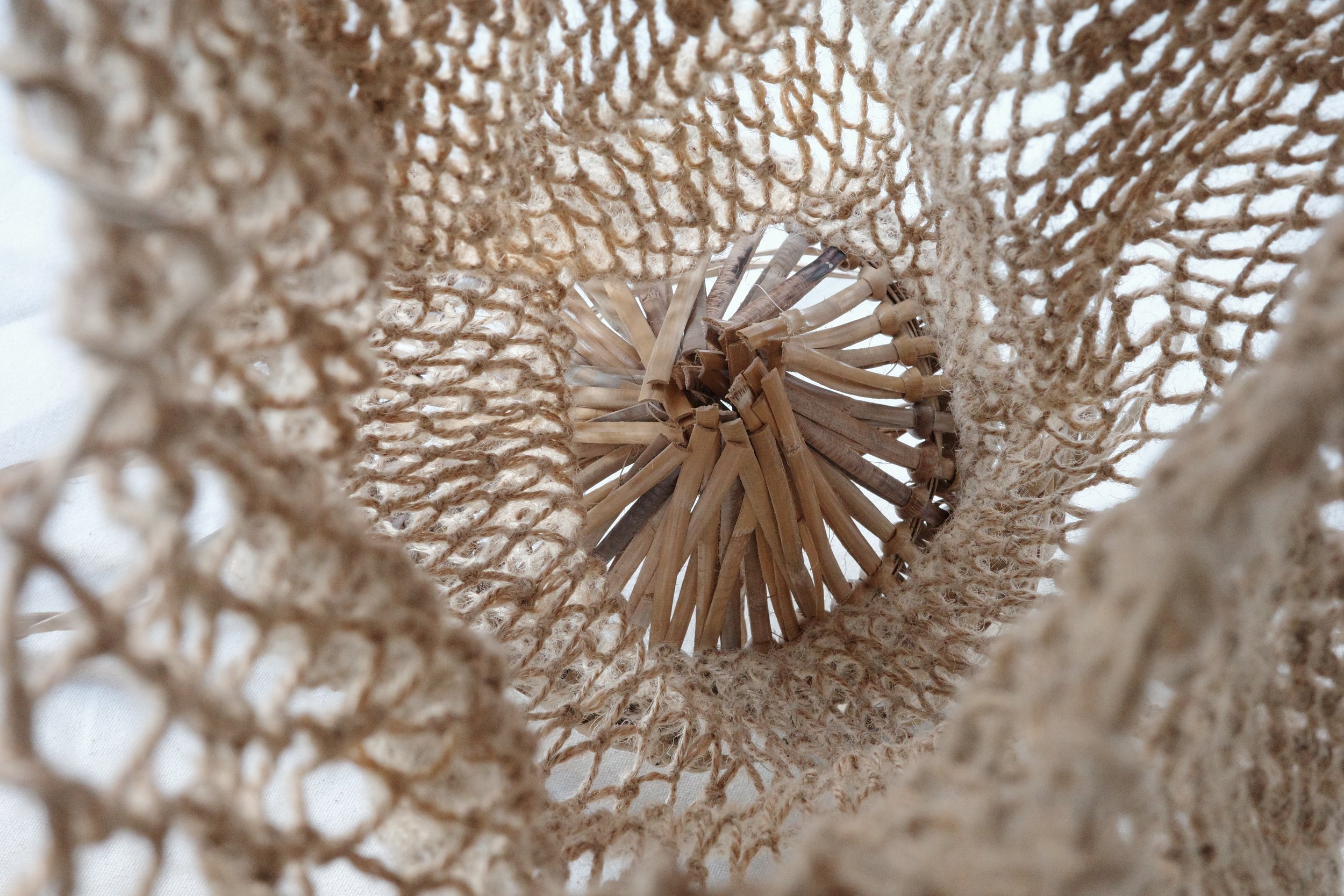
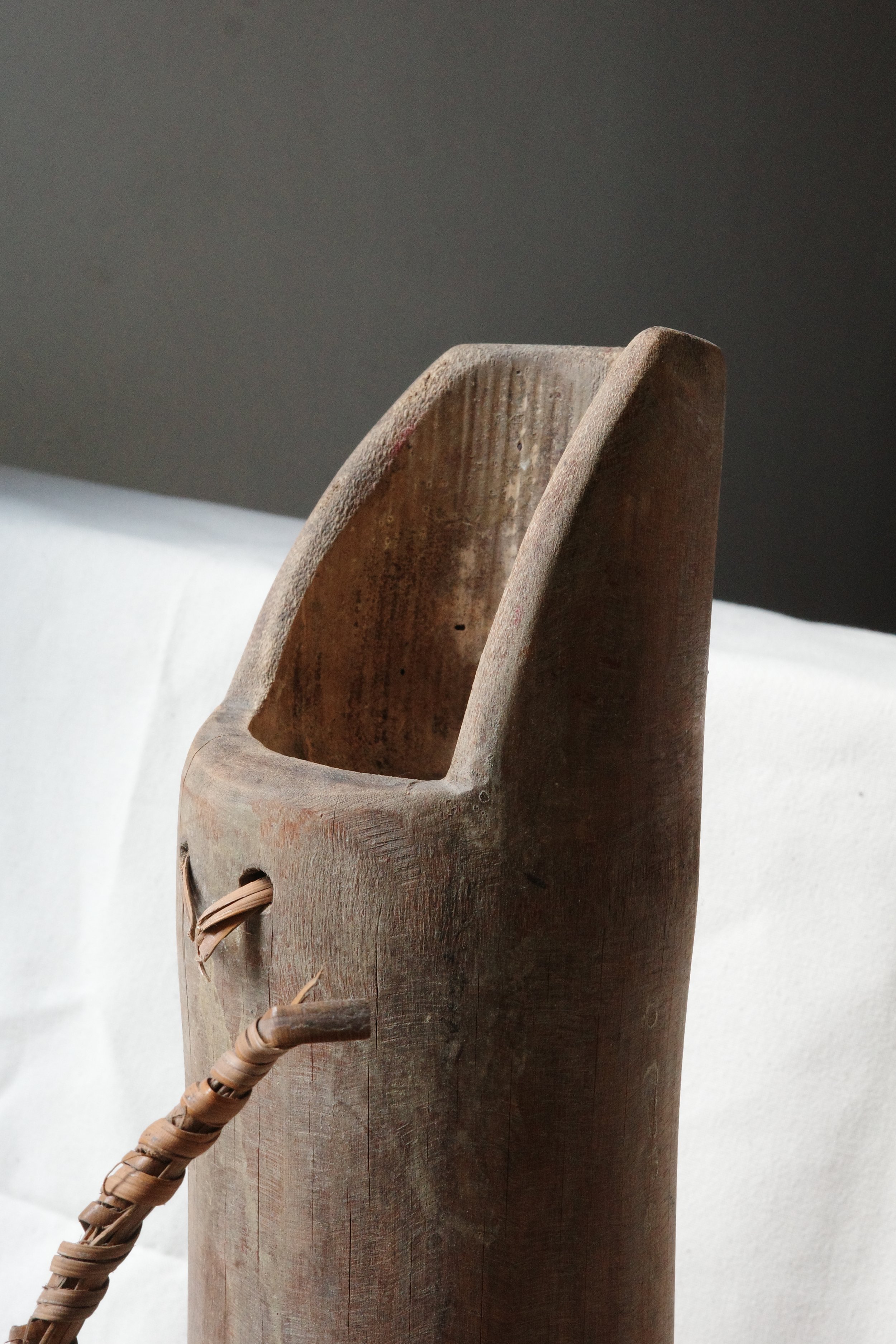
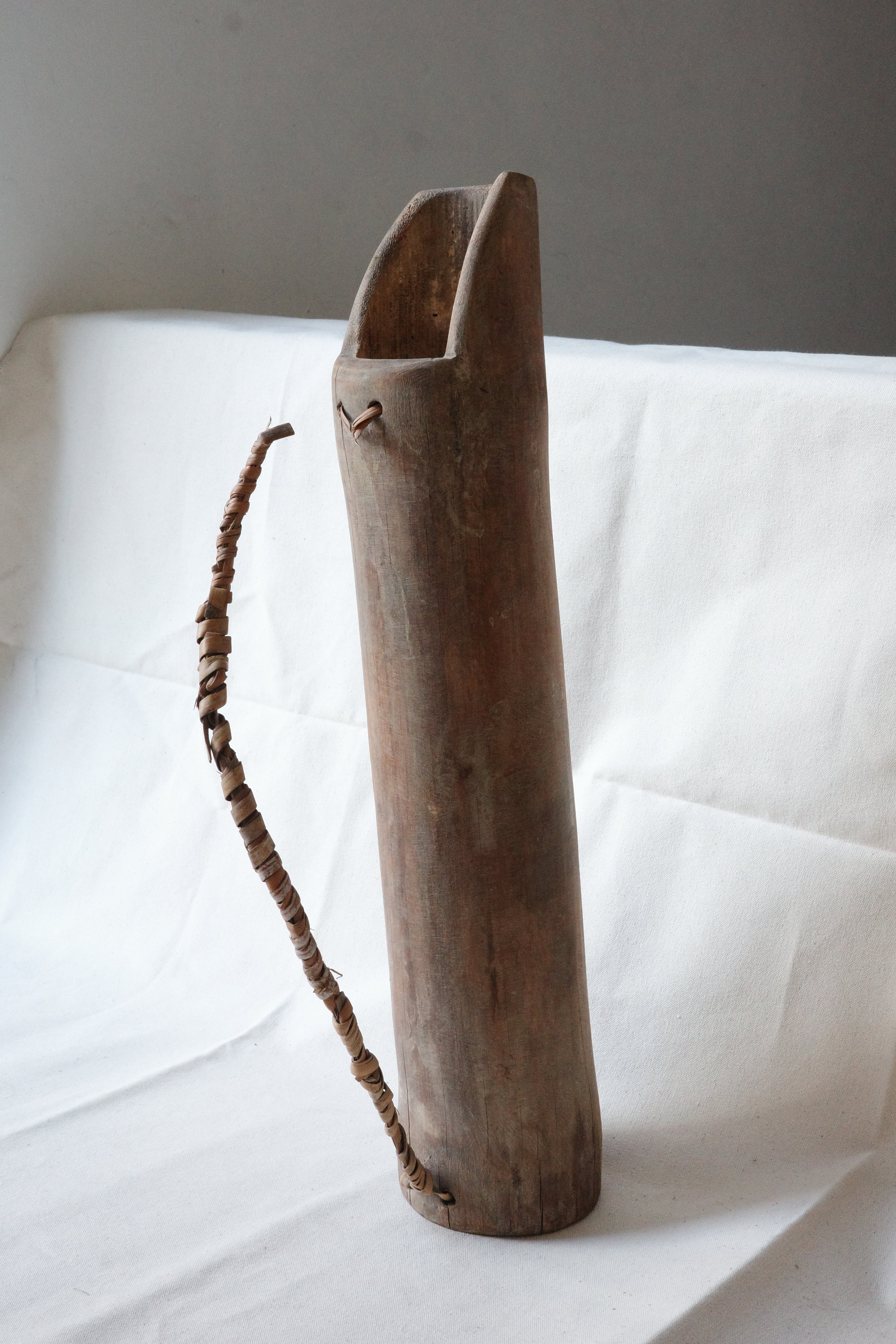
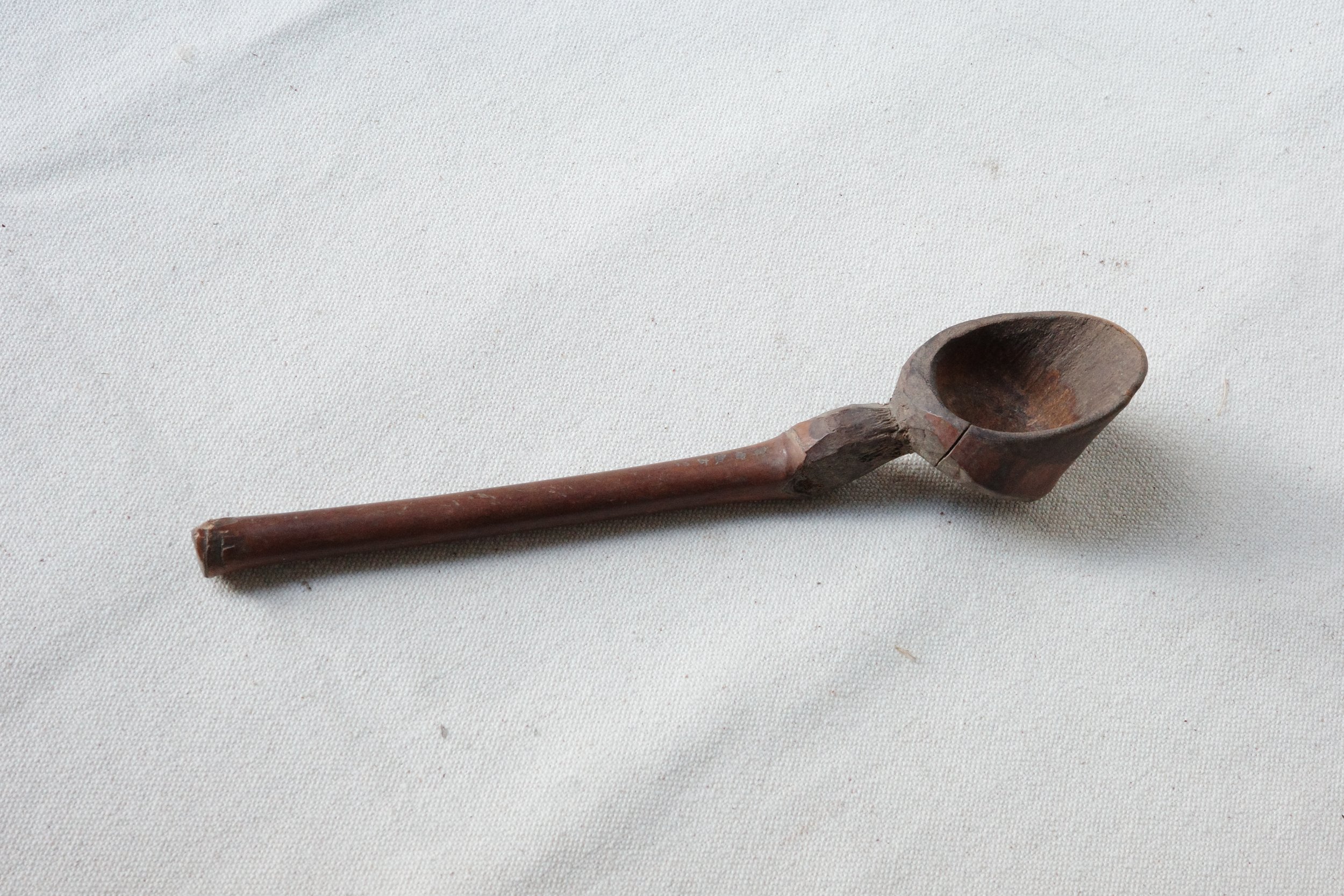
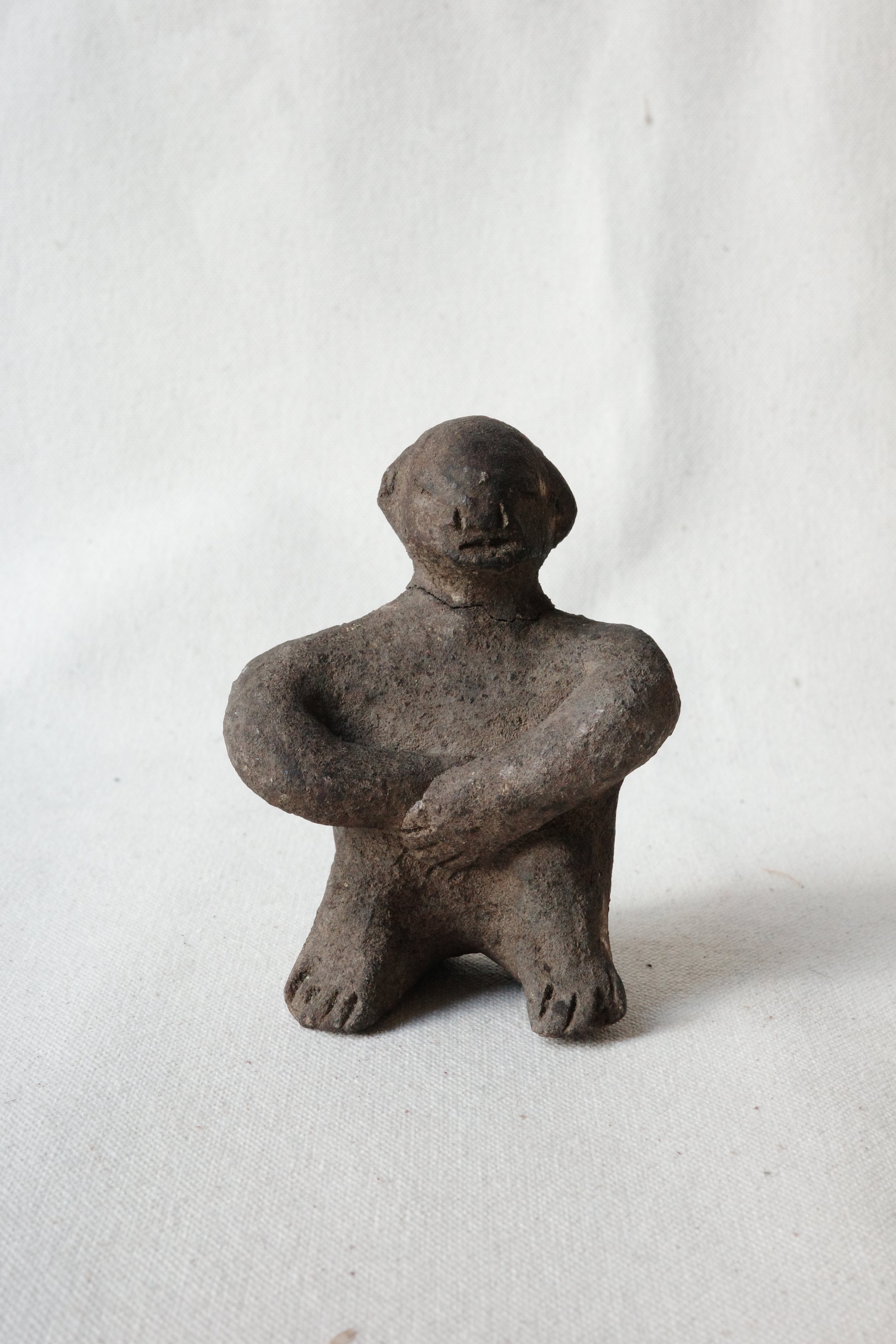
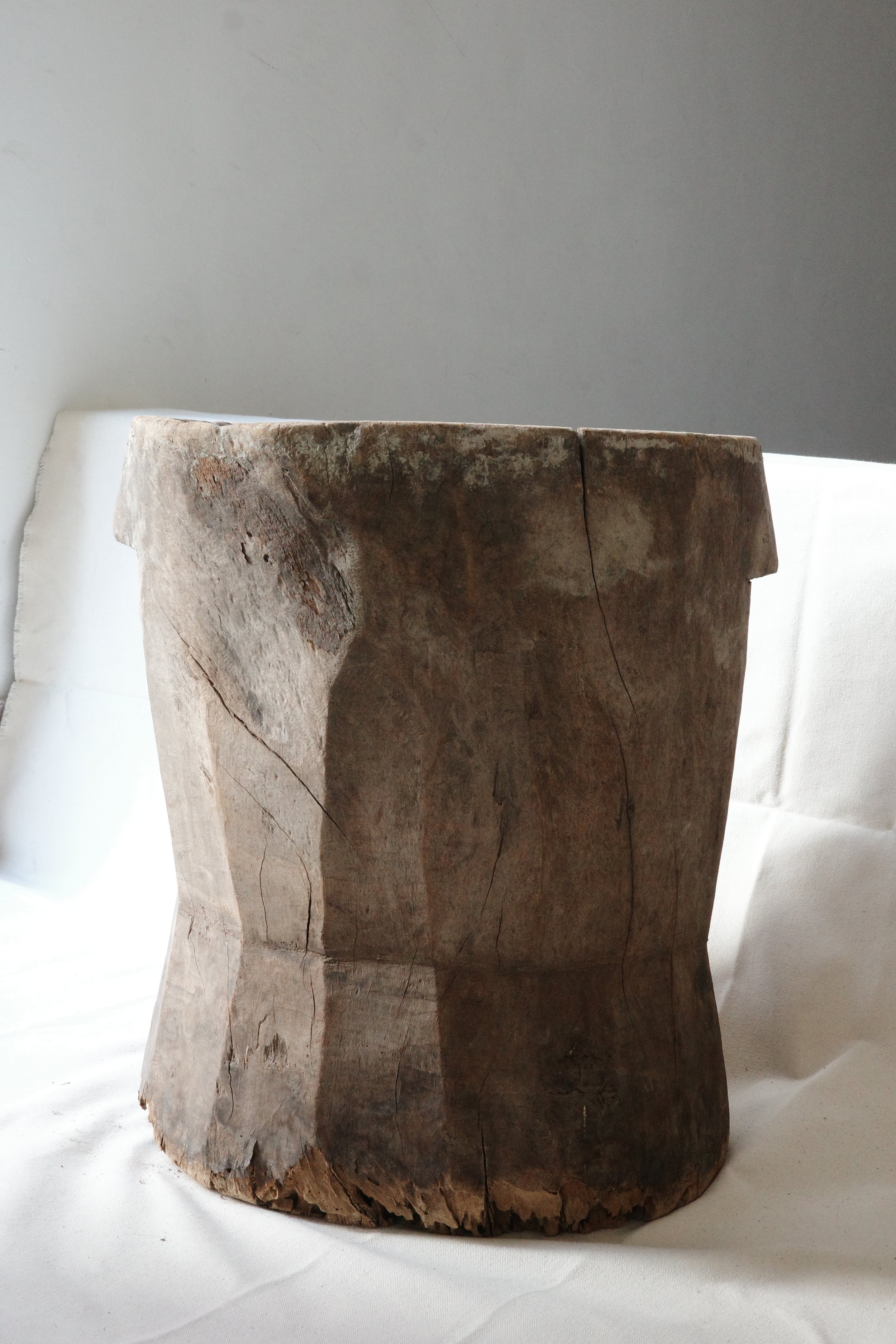
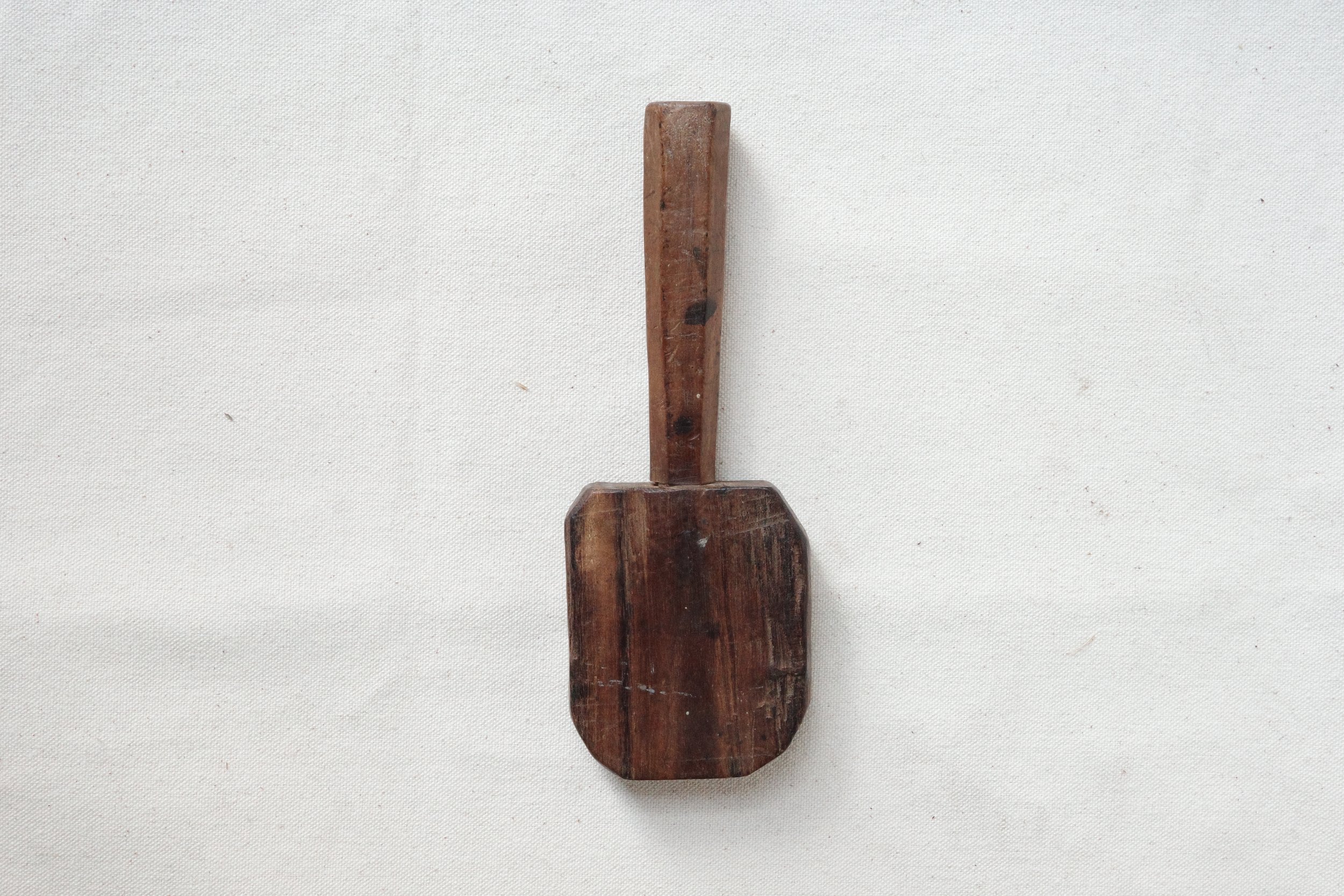
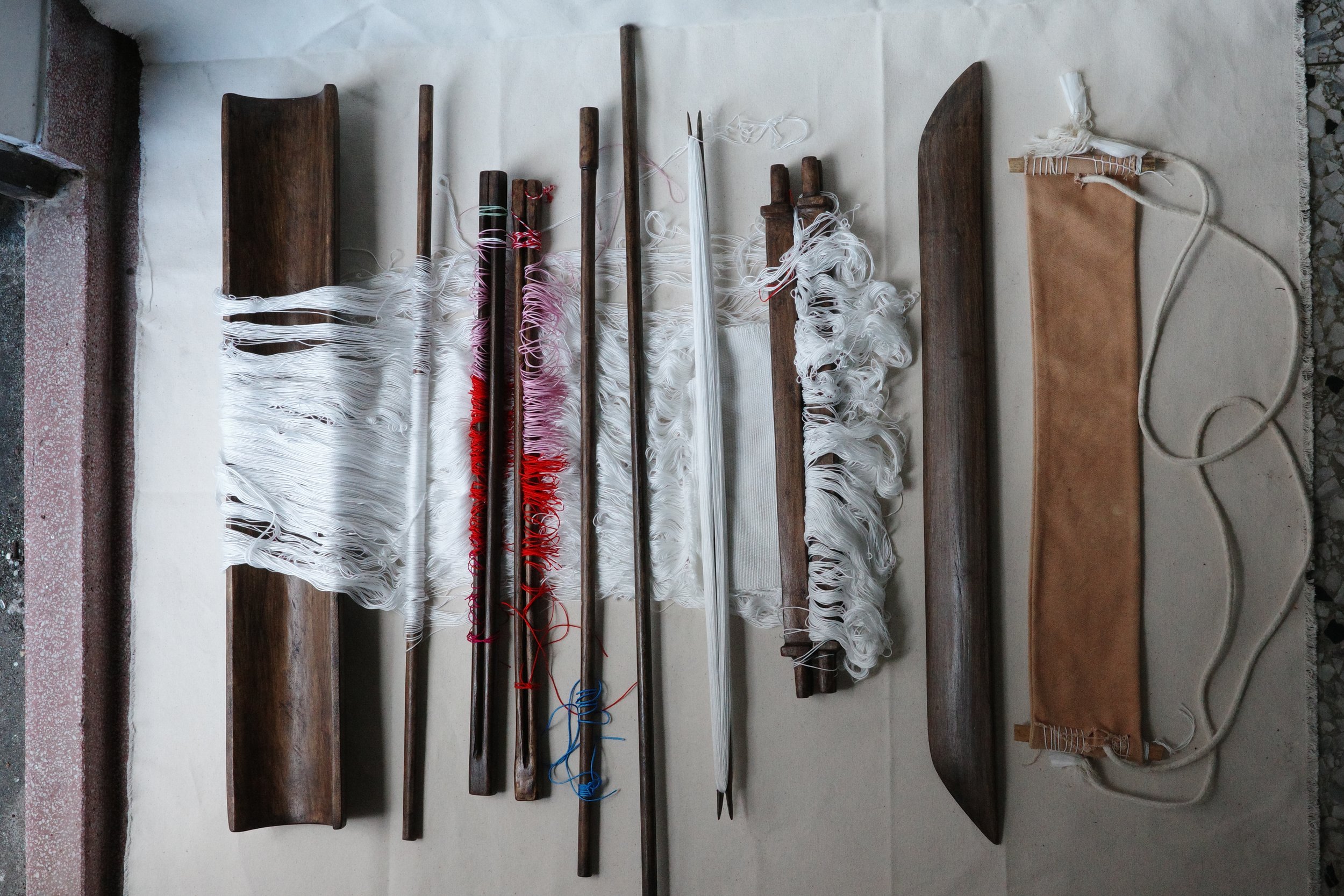
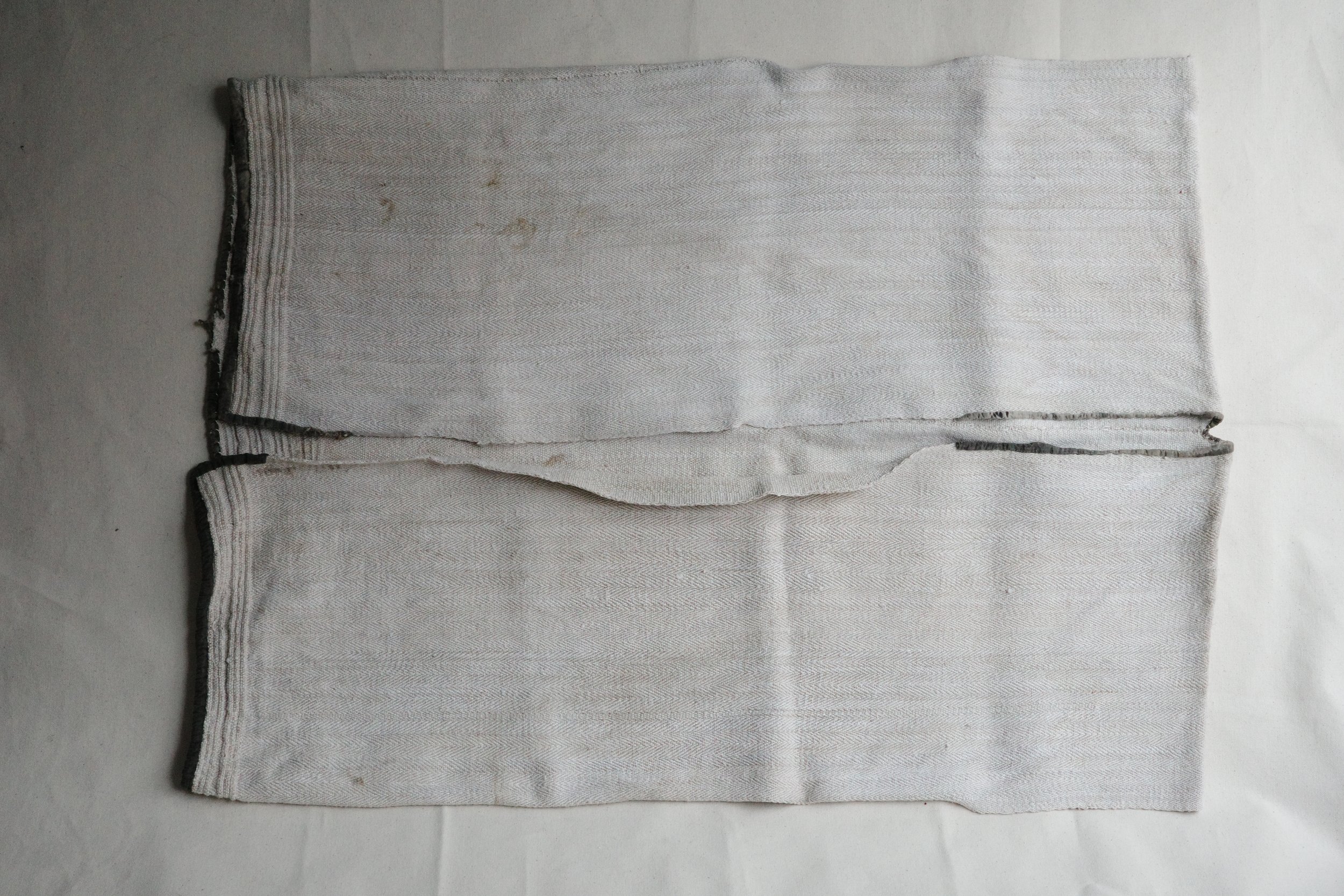
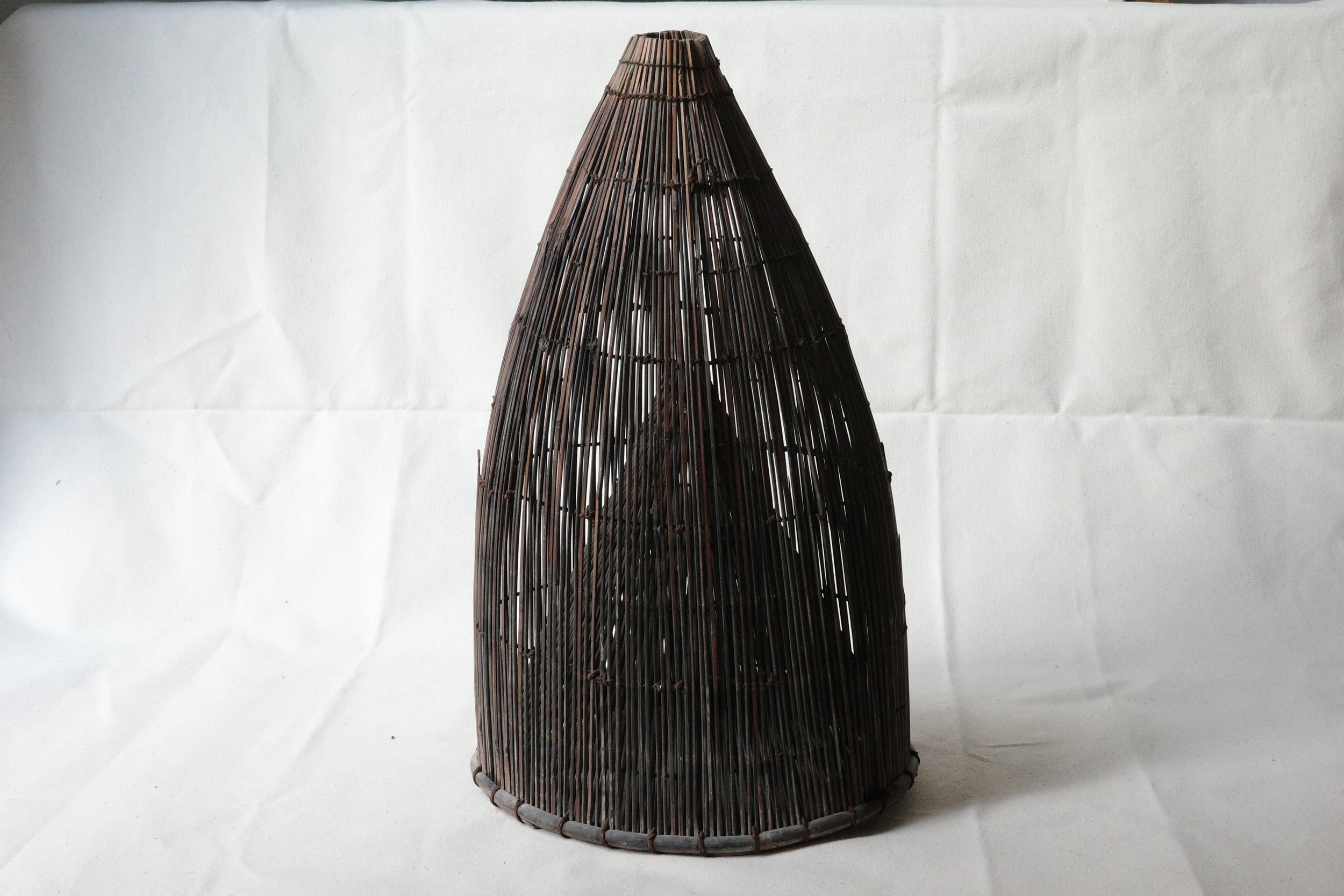
放在工作室的,要一直觸碰和使用的老物件們。
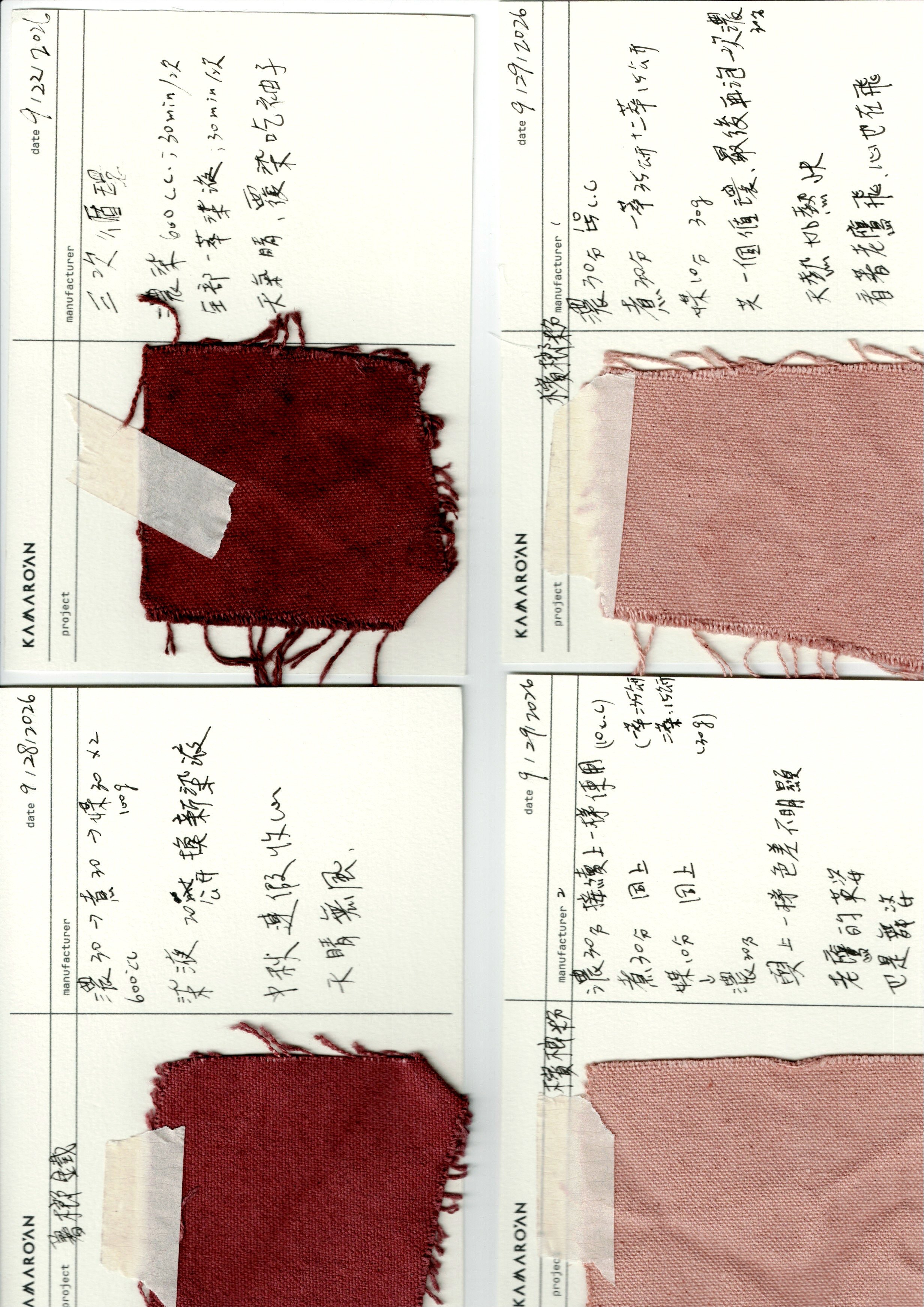
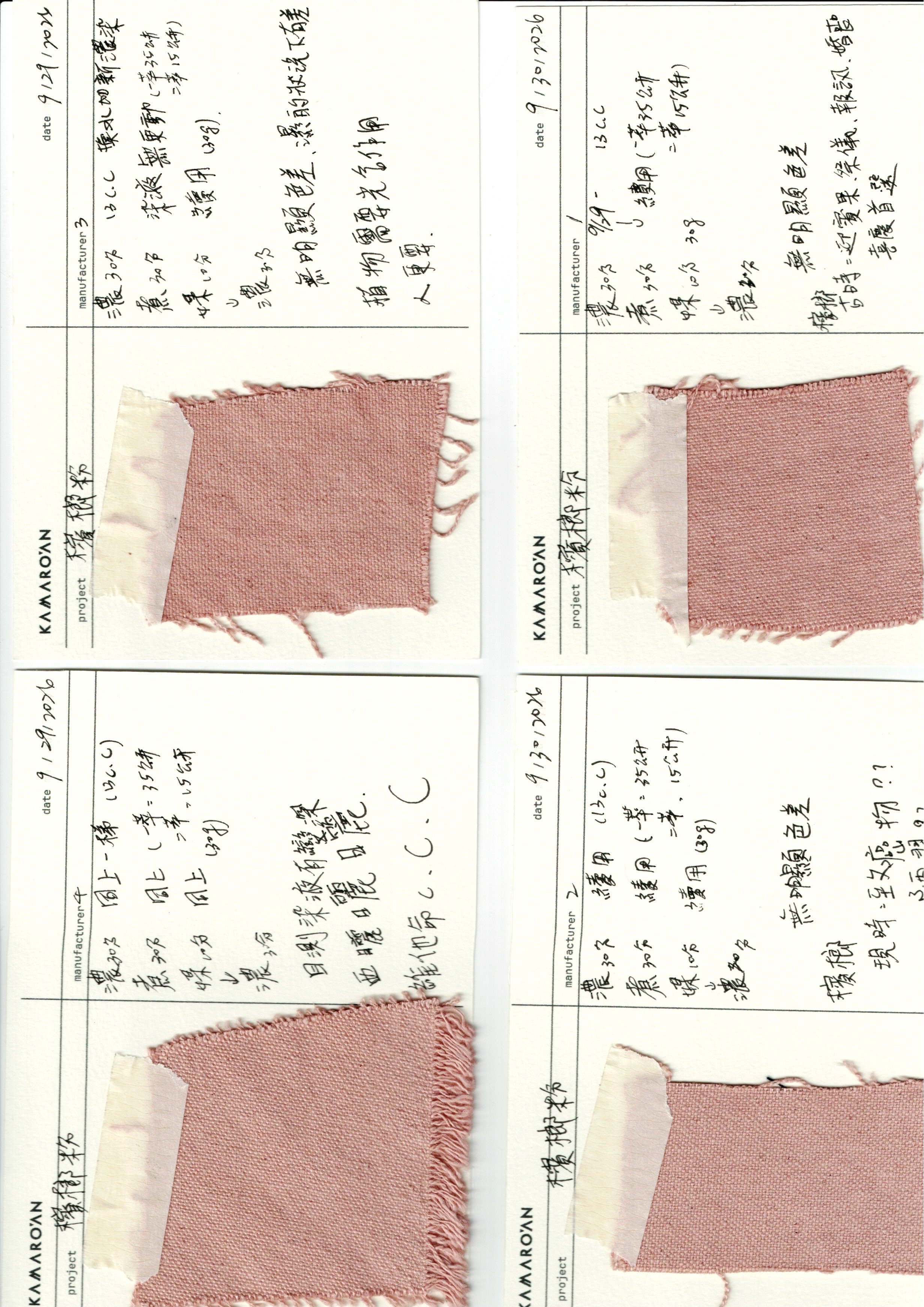
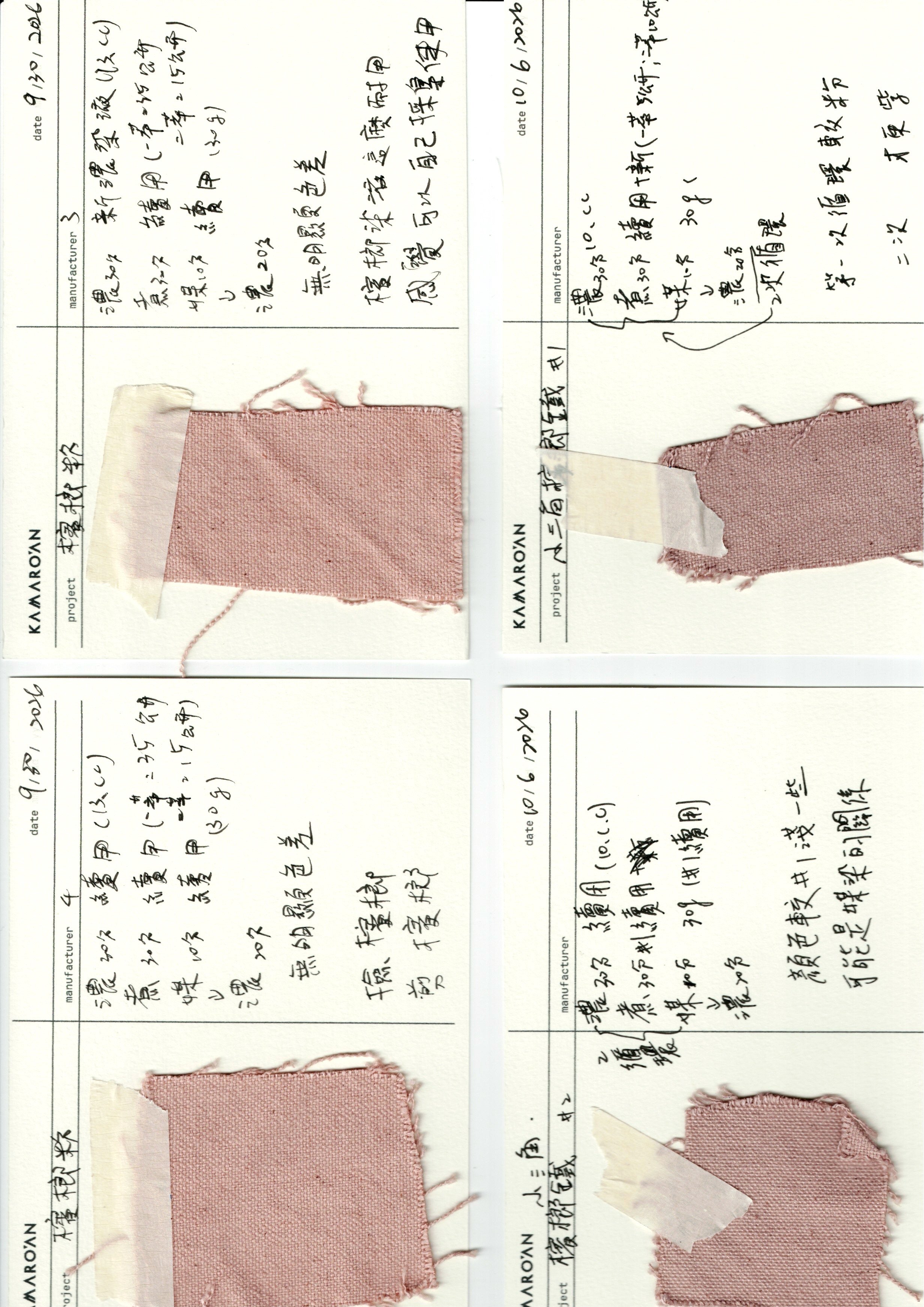
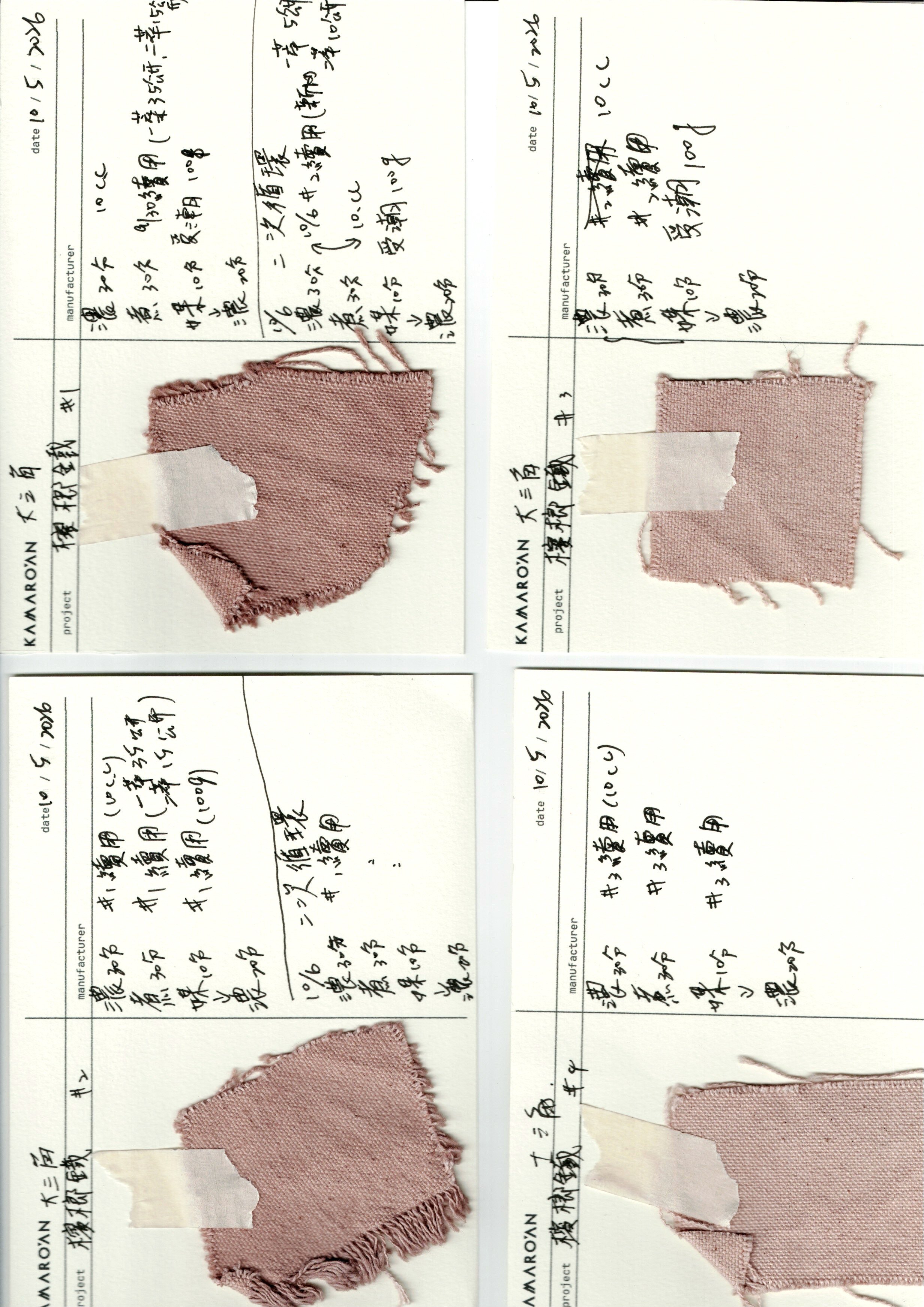
kacaw 的草木染色票紀錄。
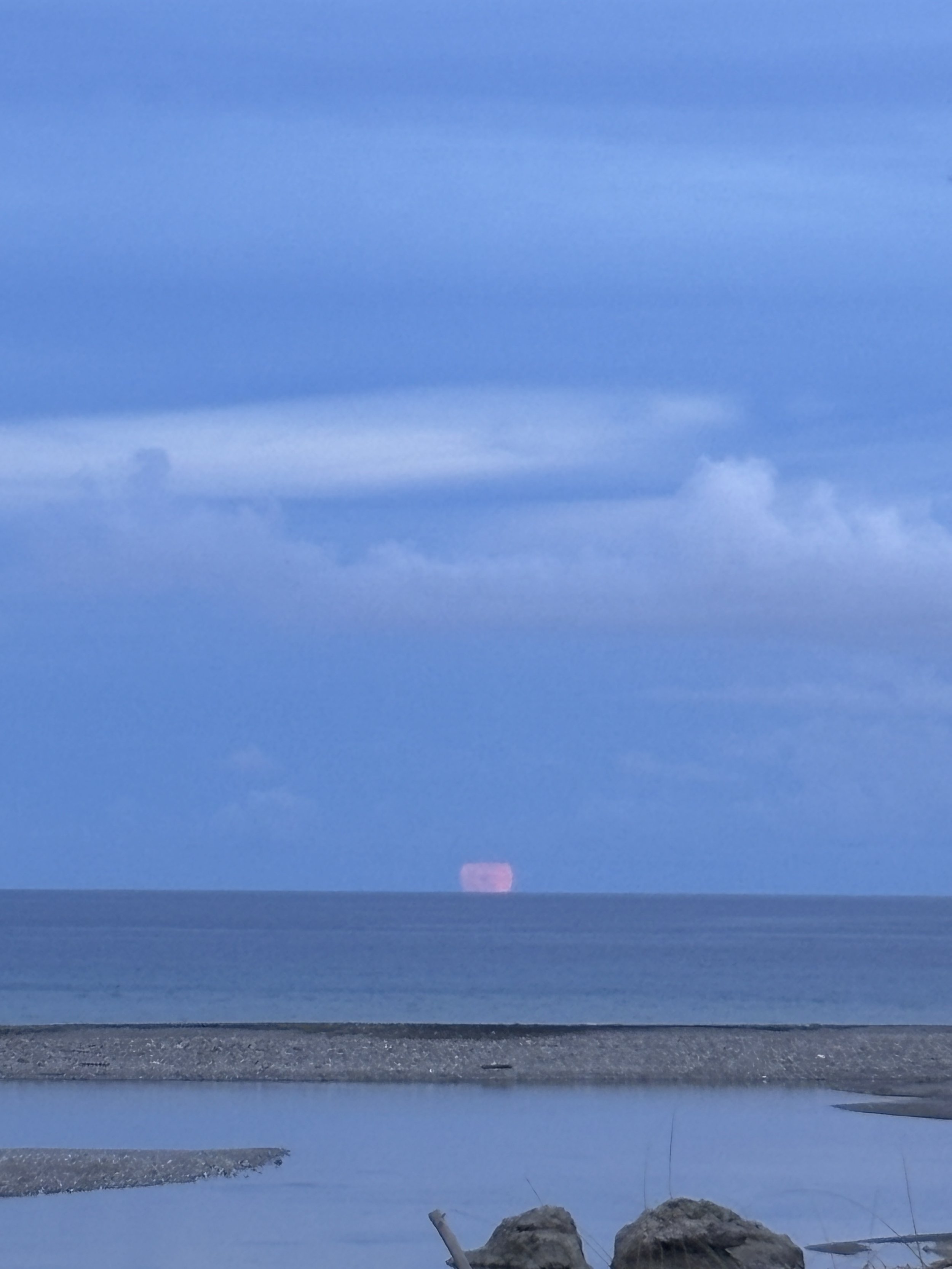
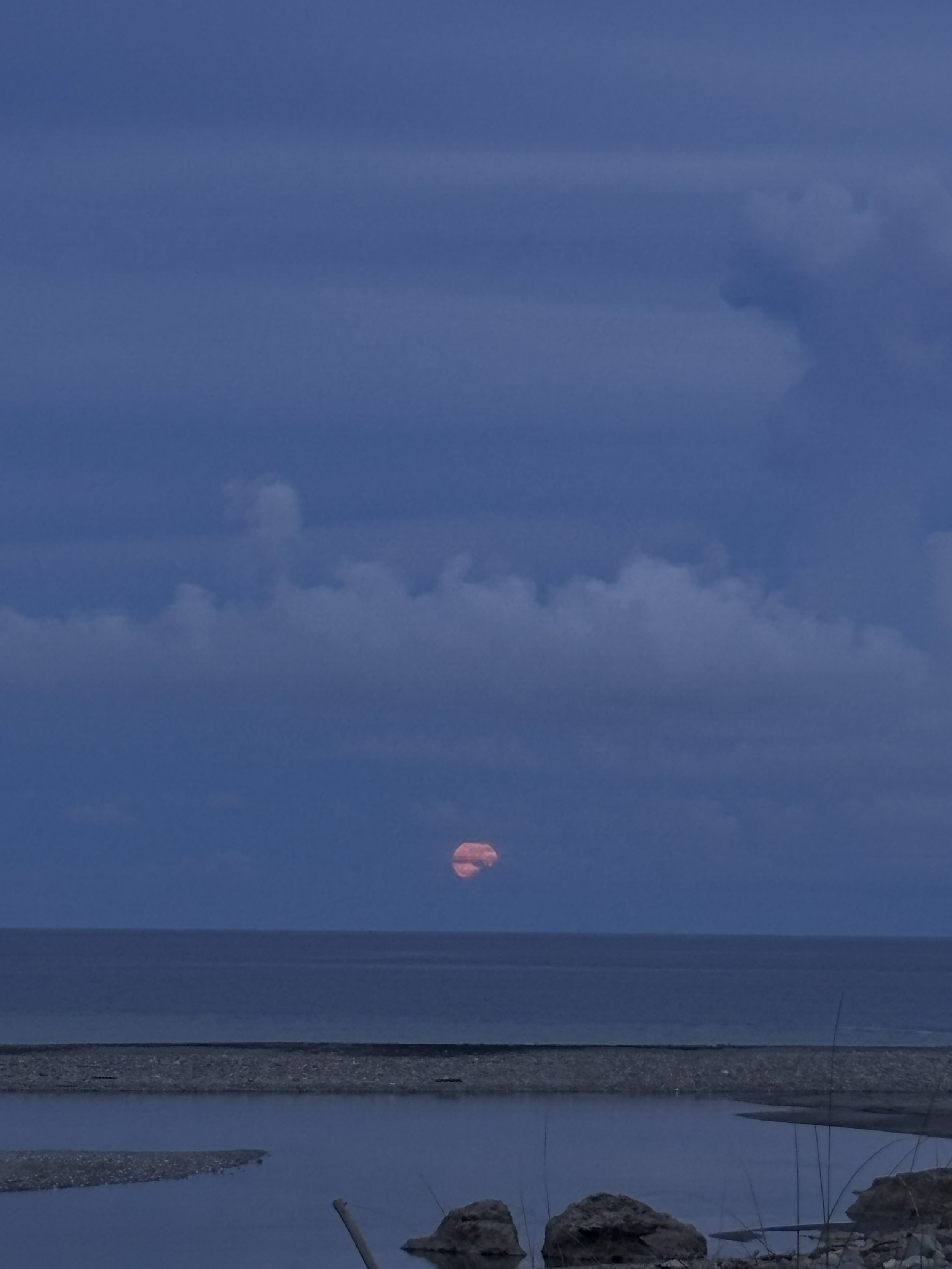
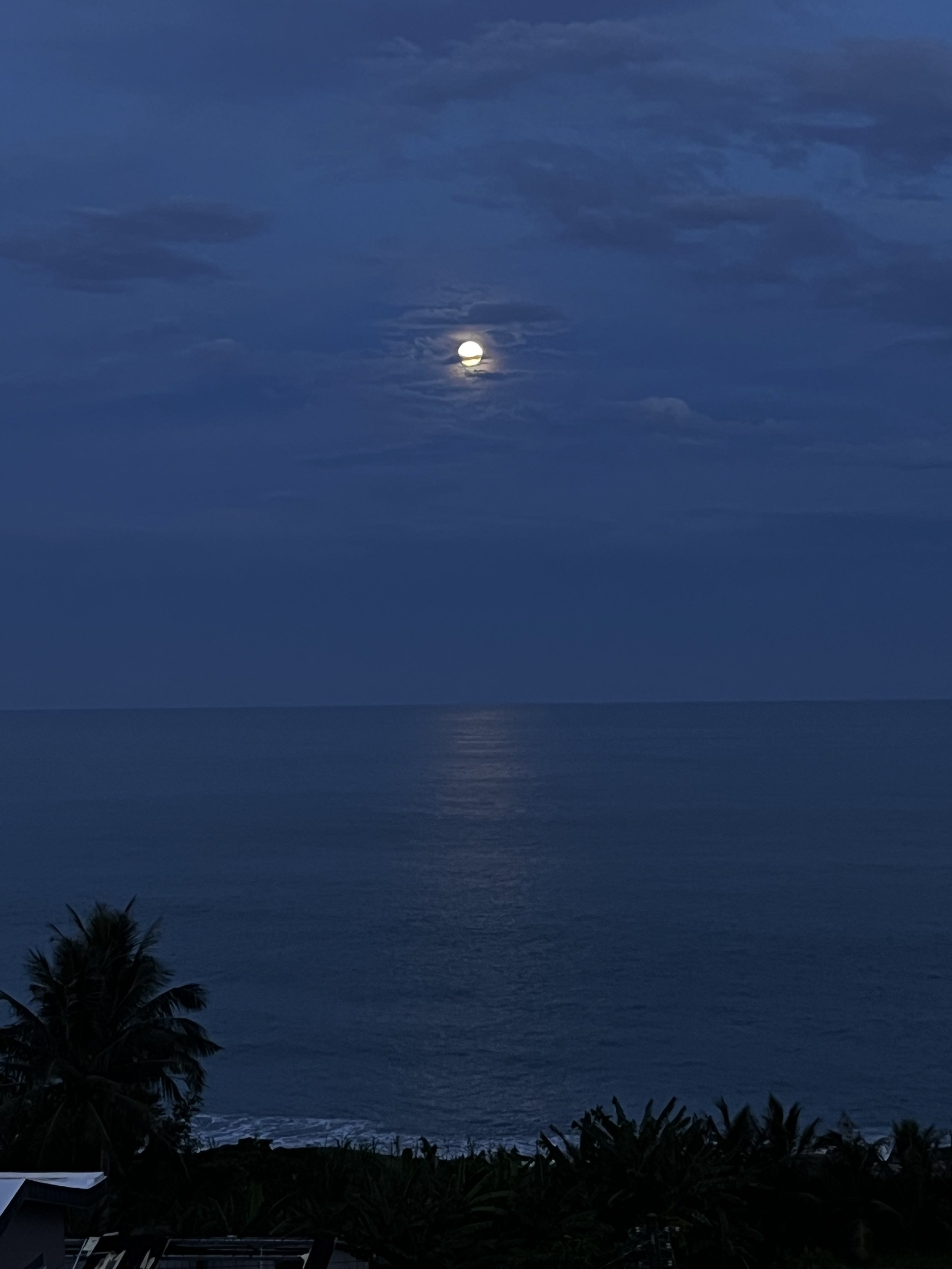
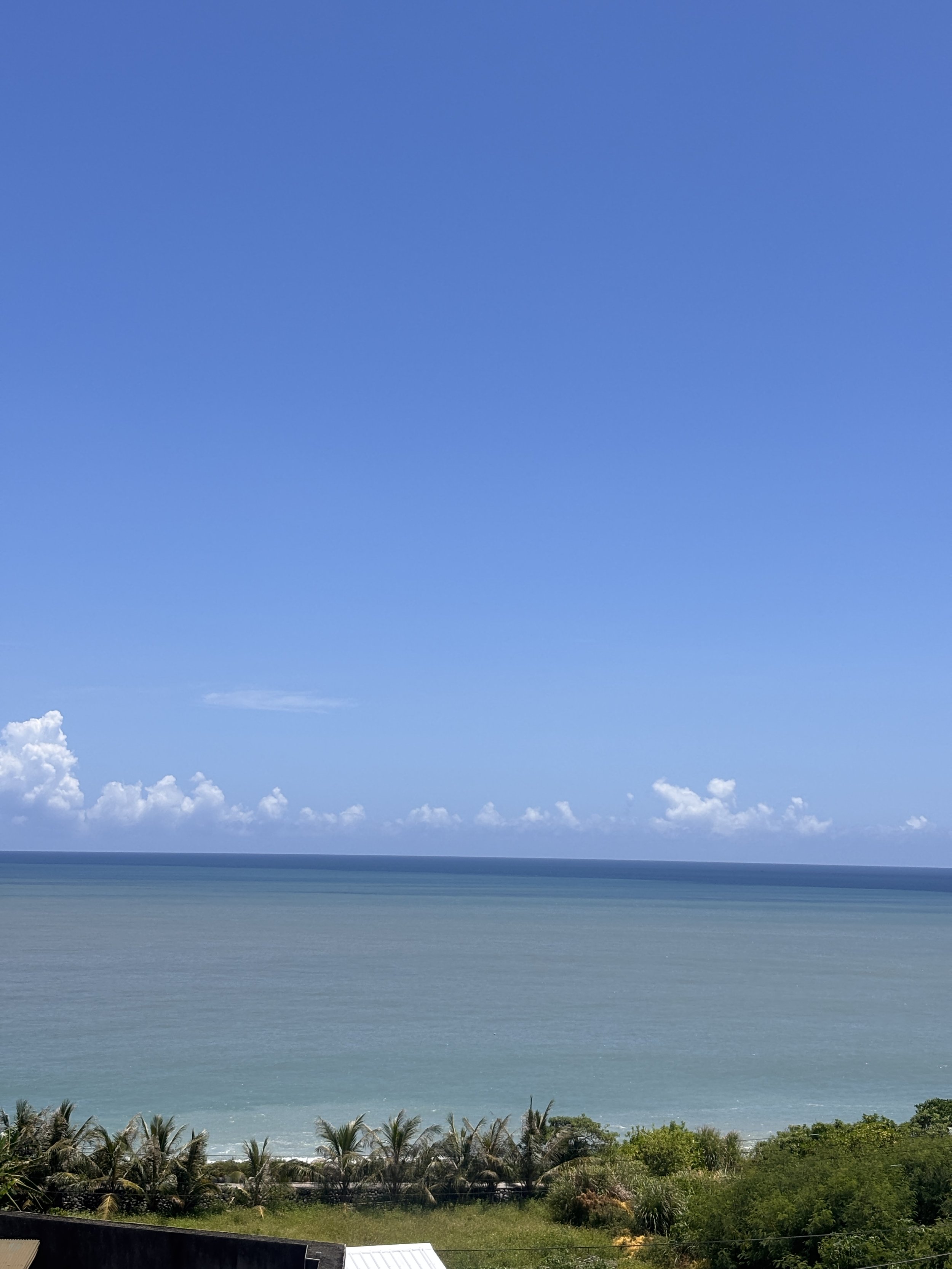
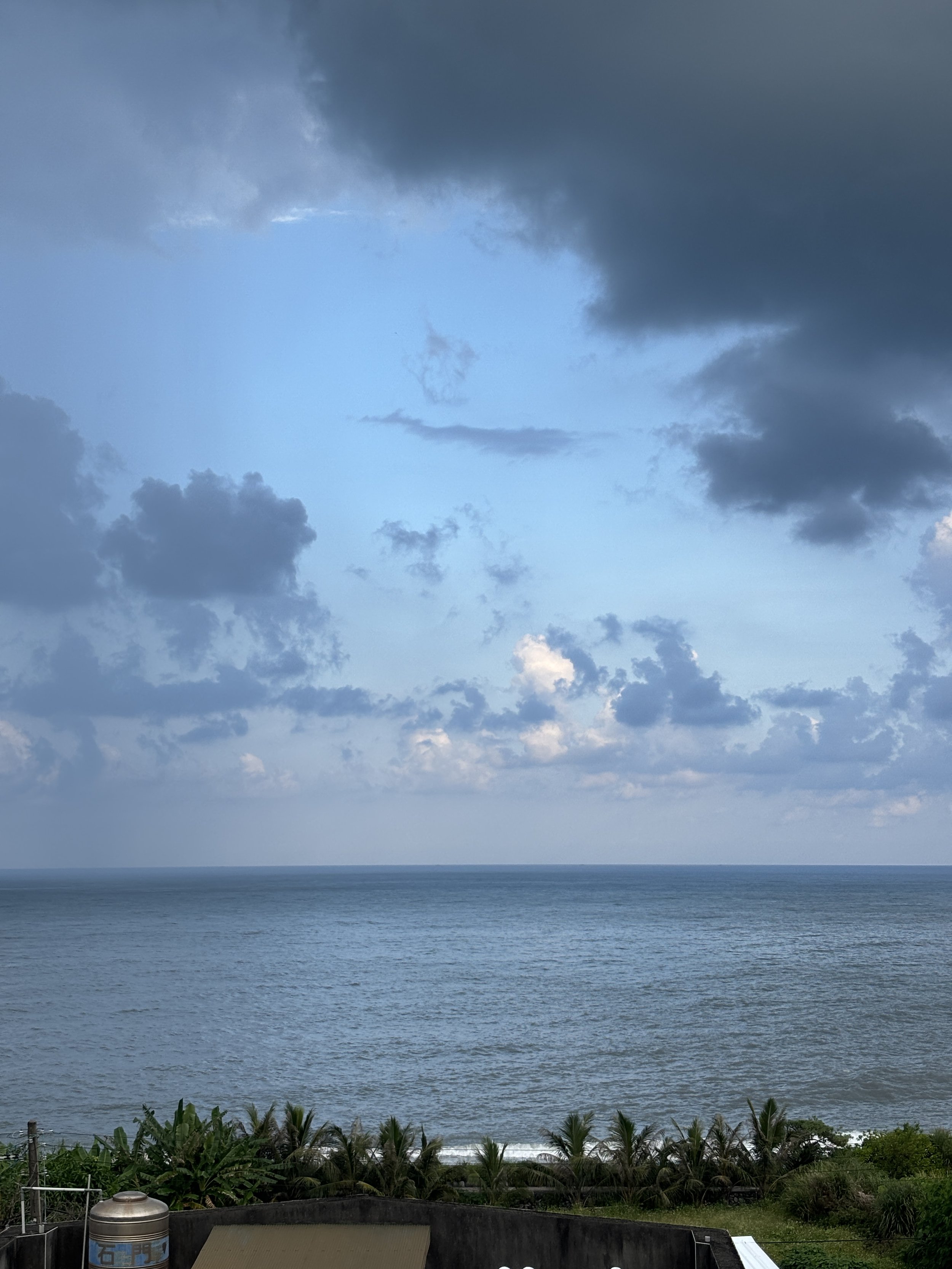
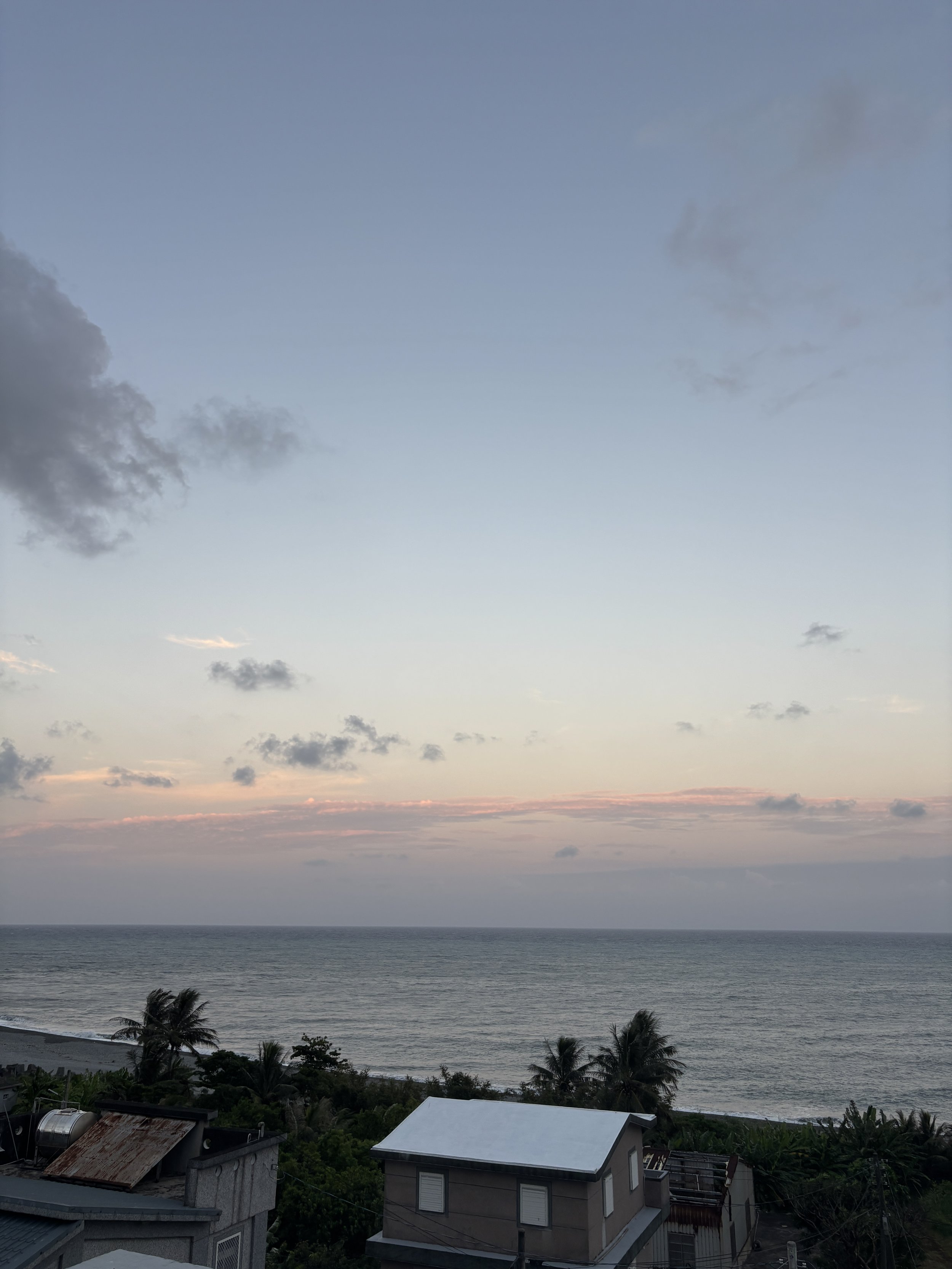
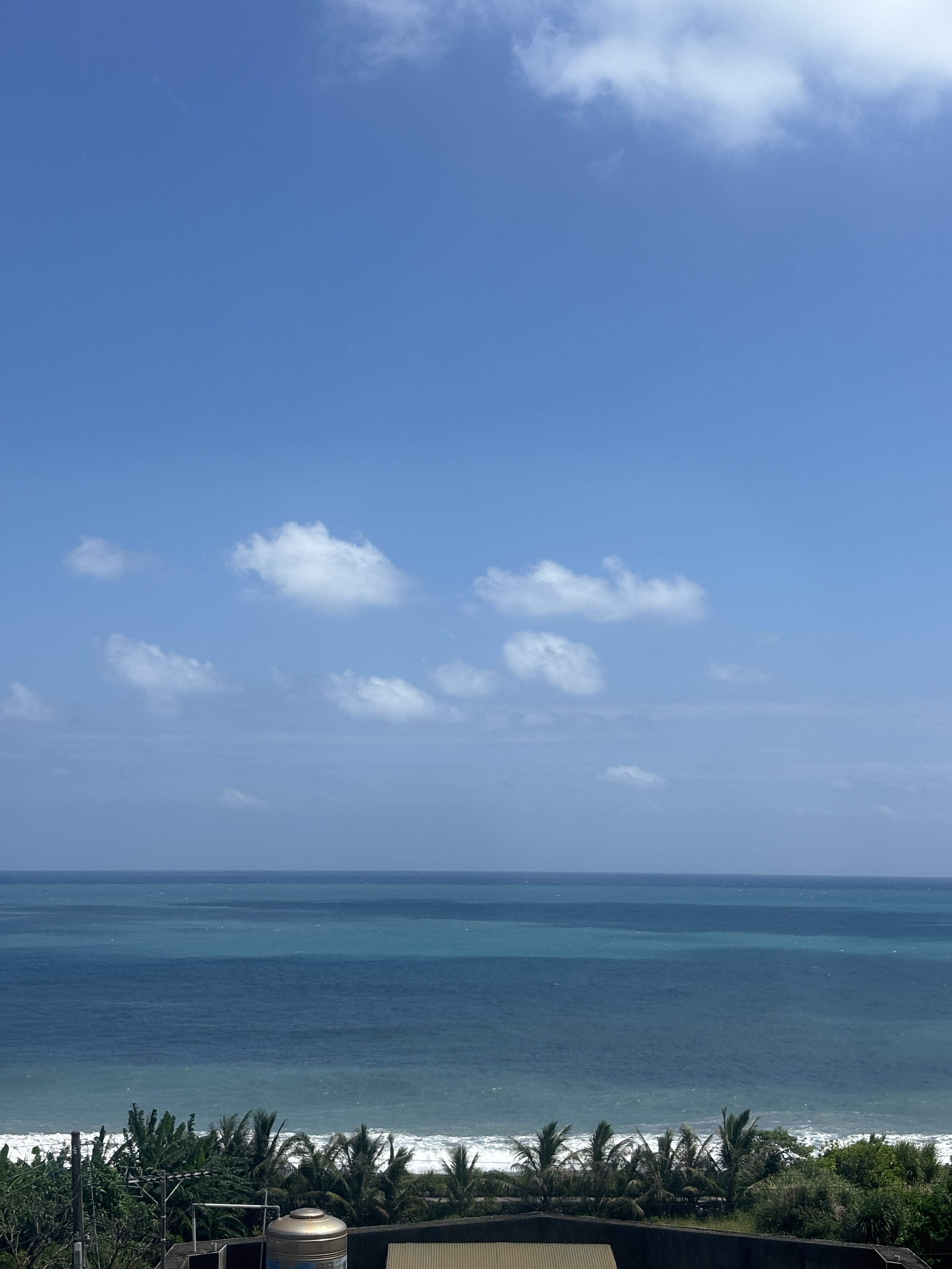
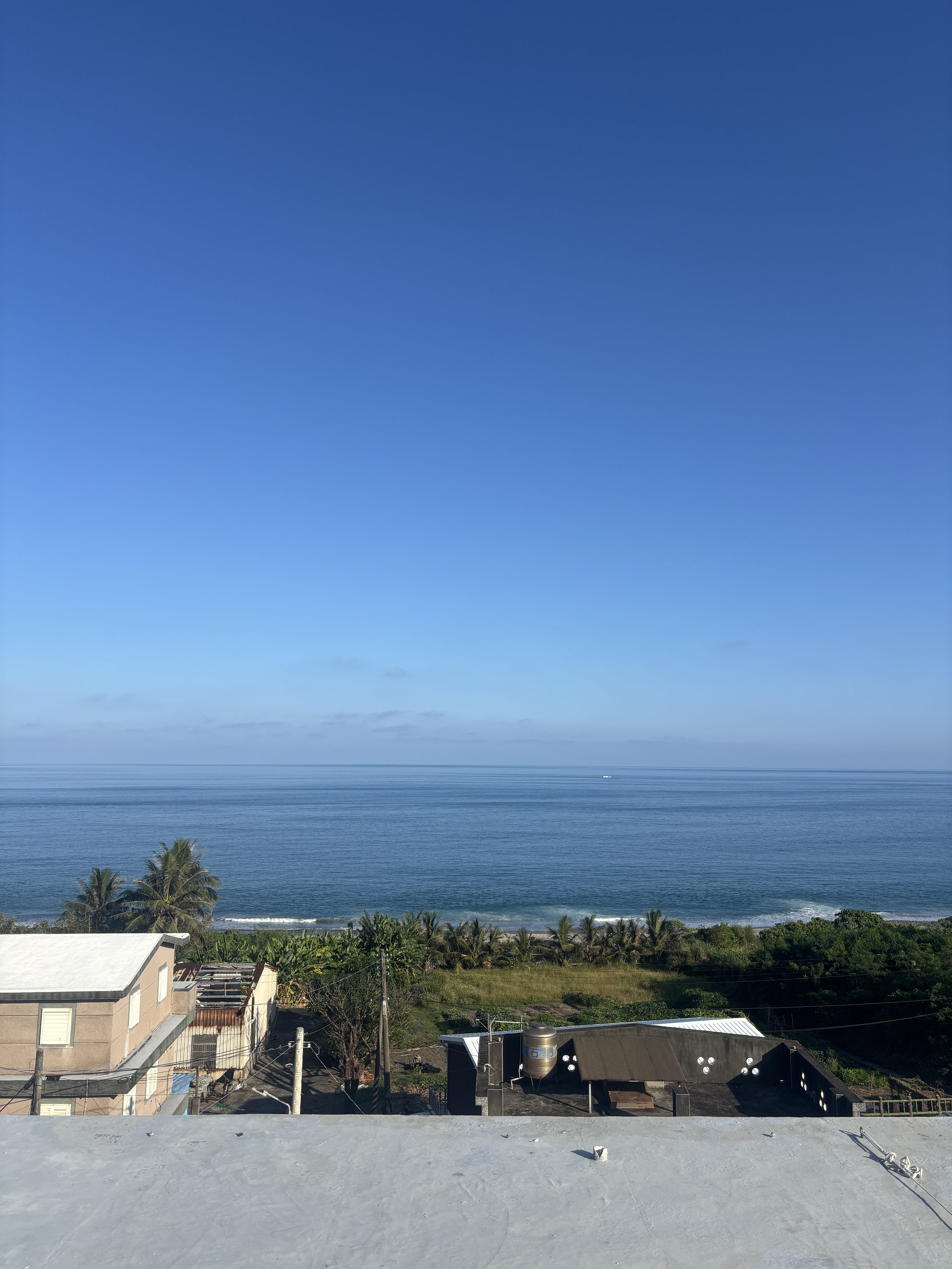
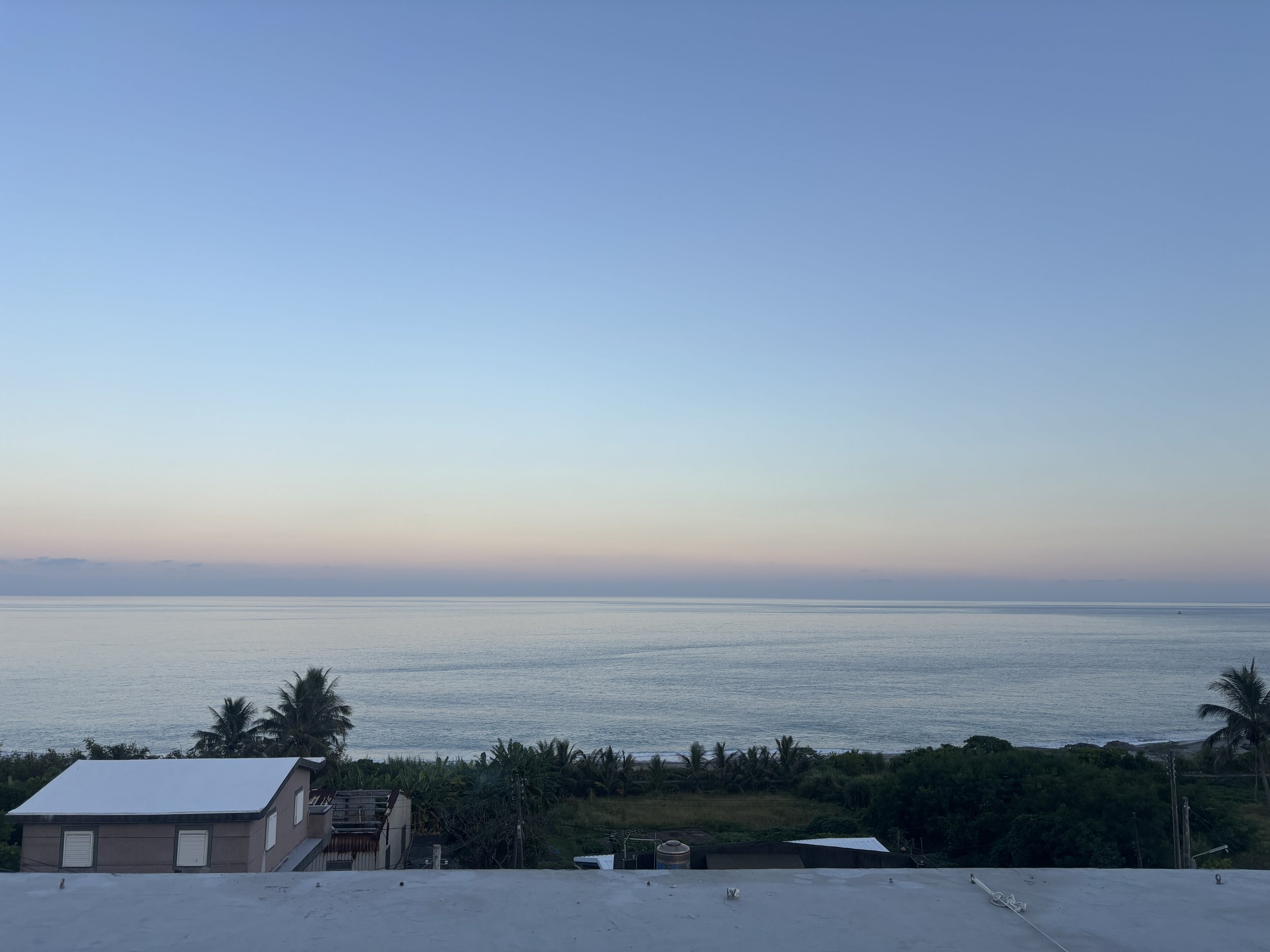
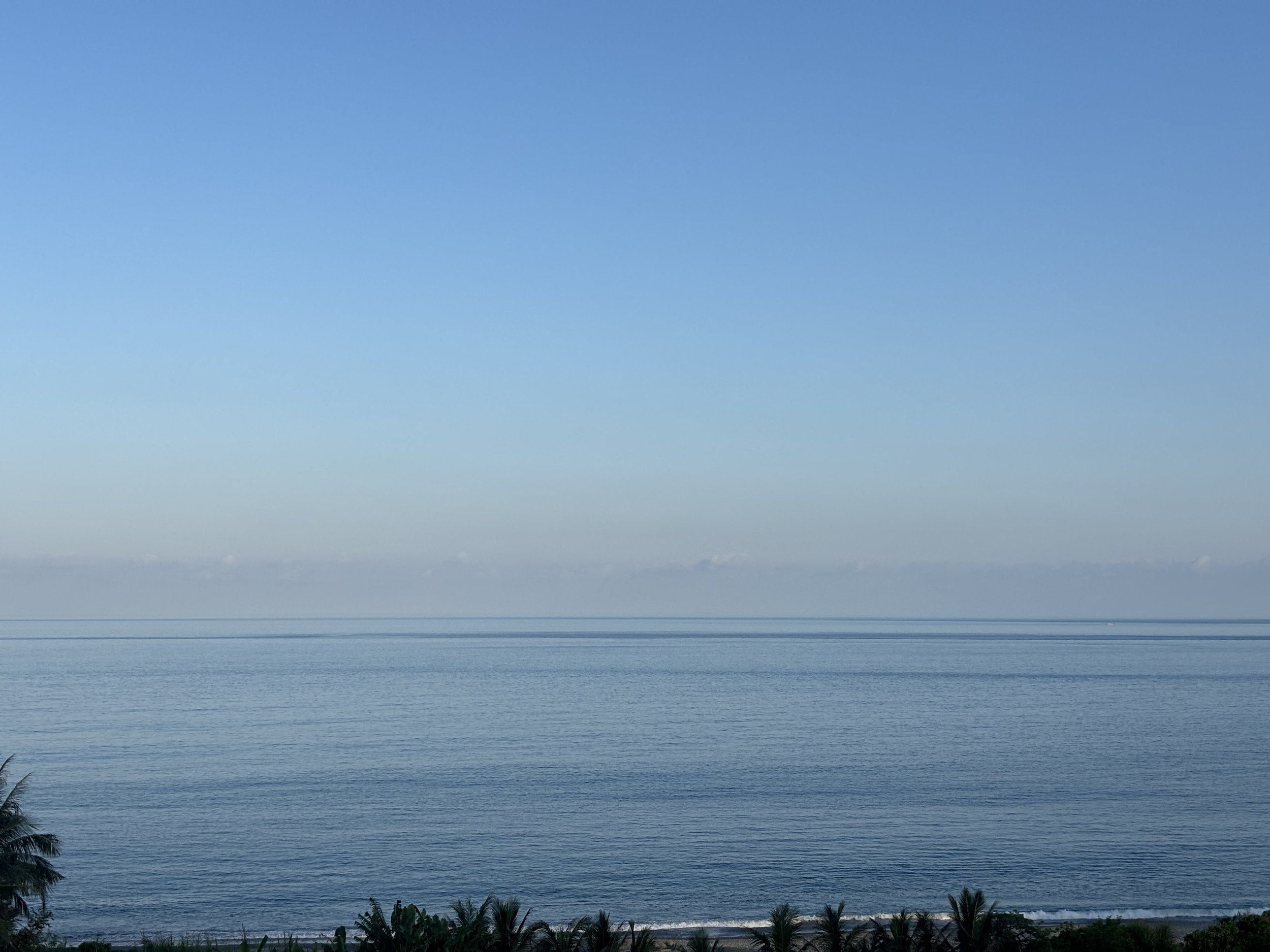
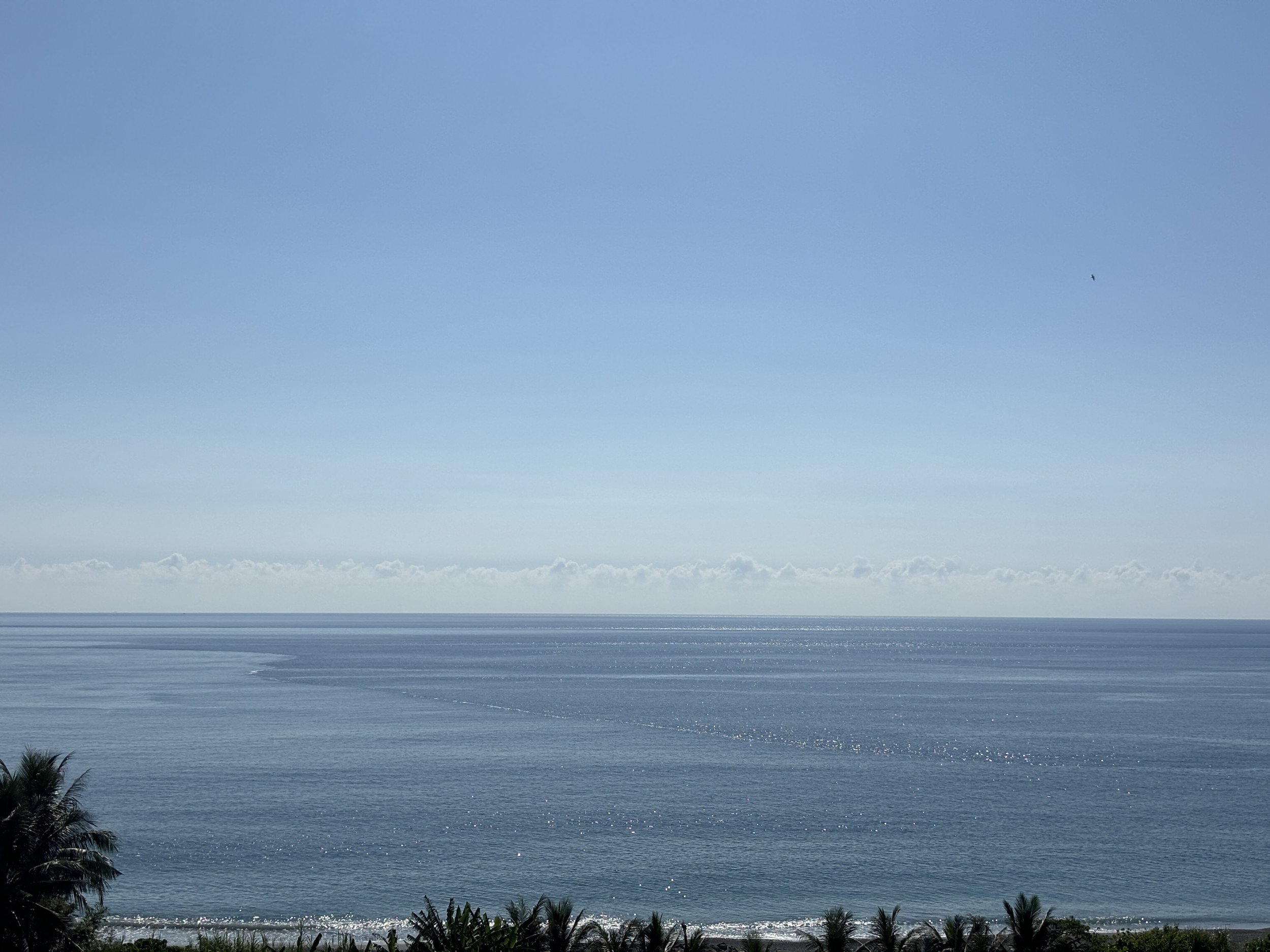
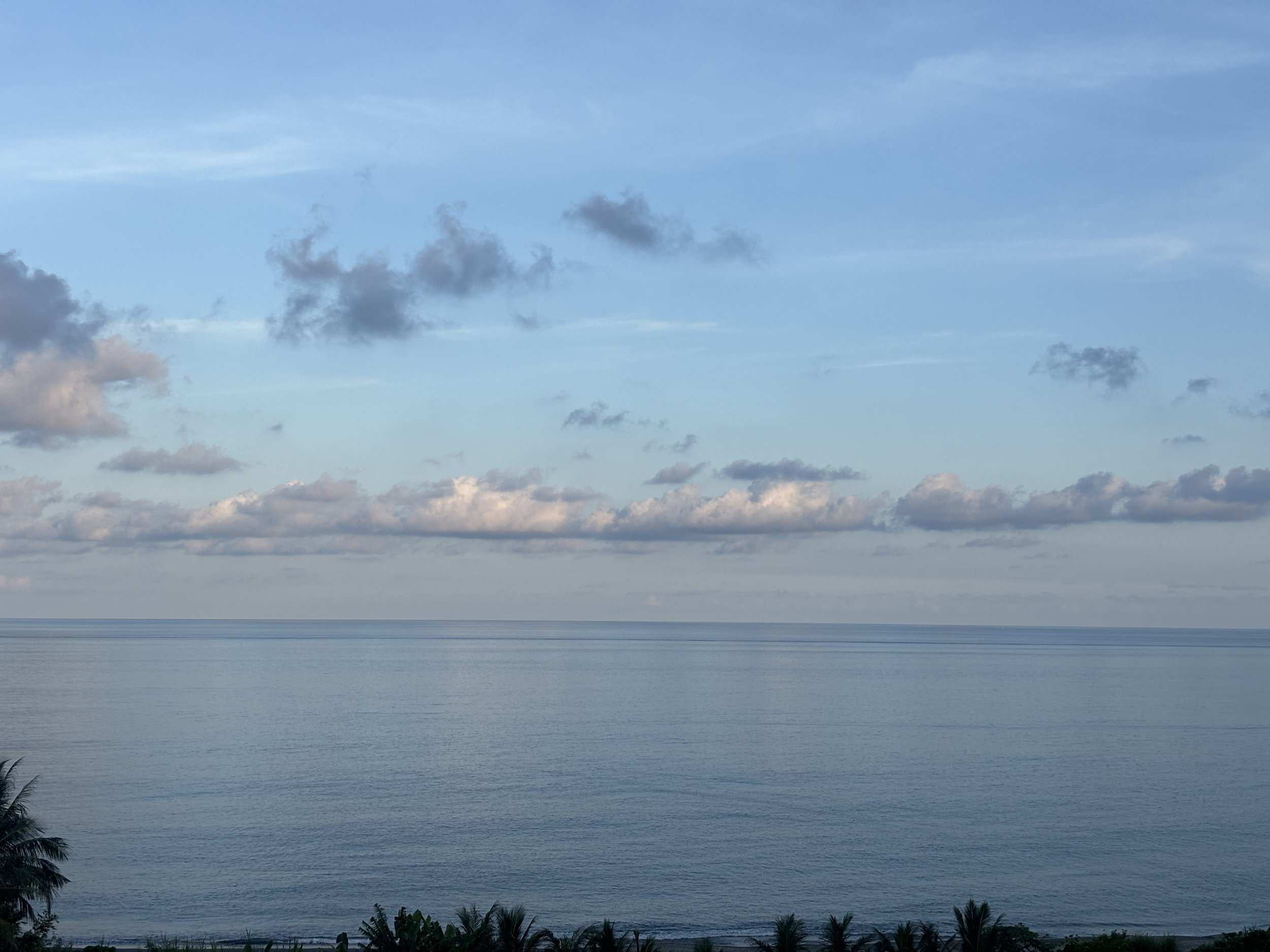
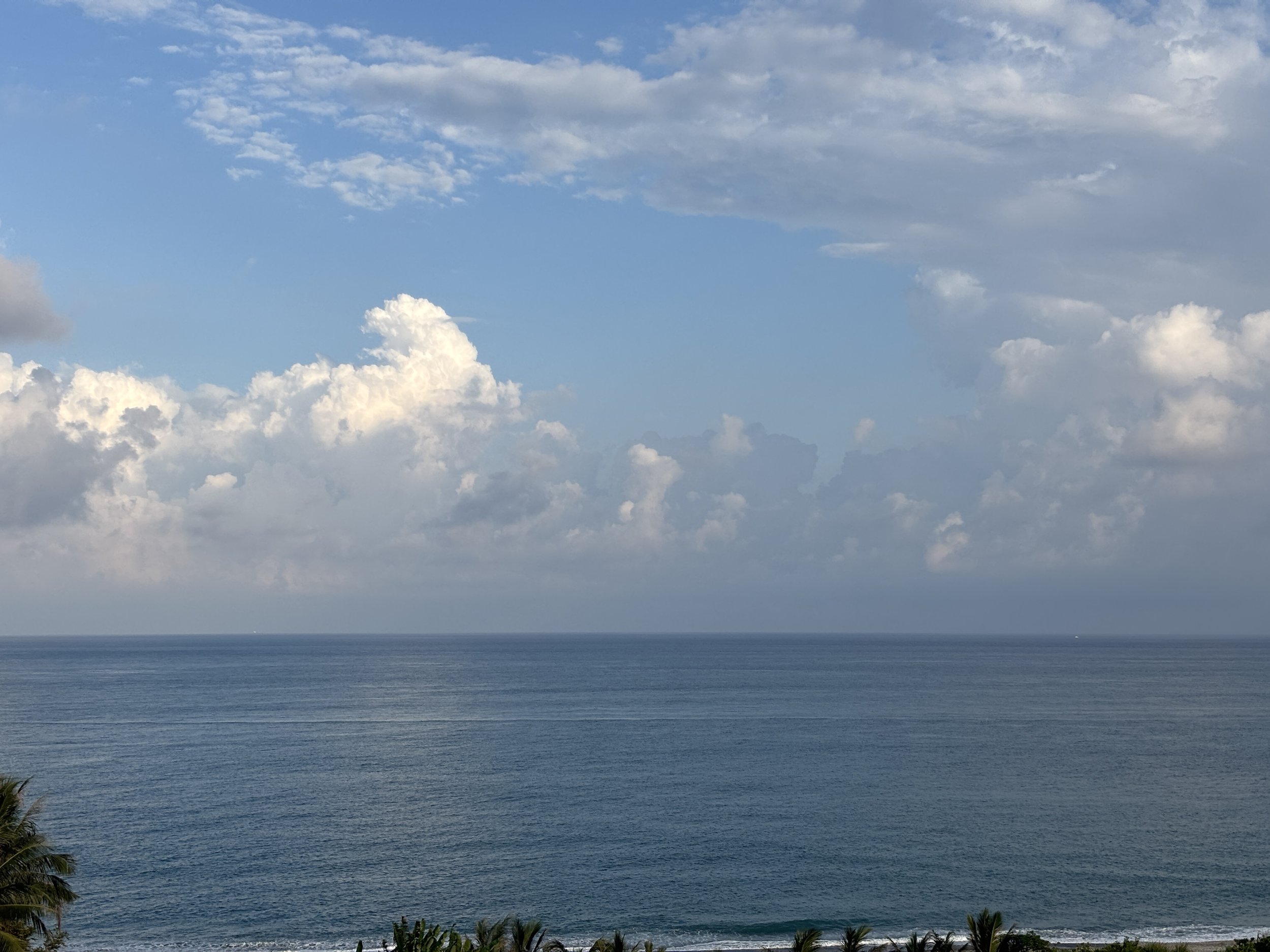
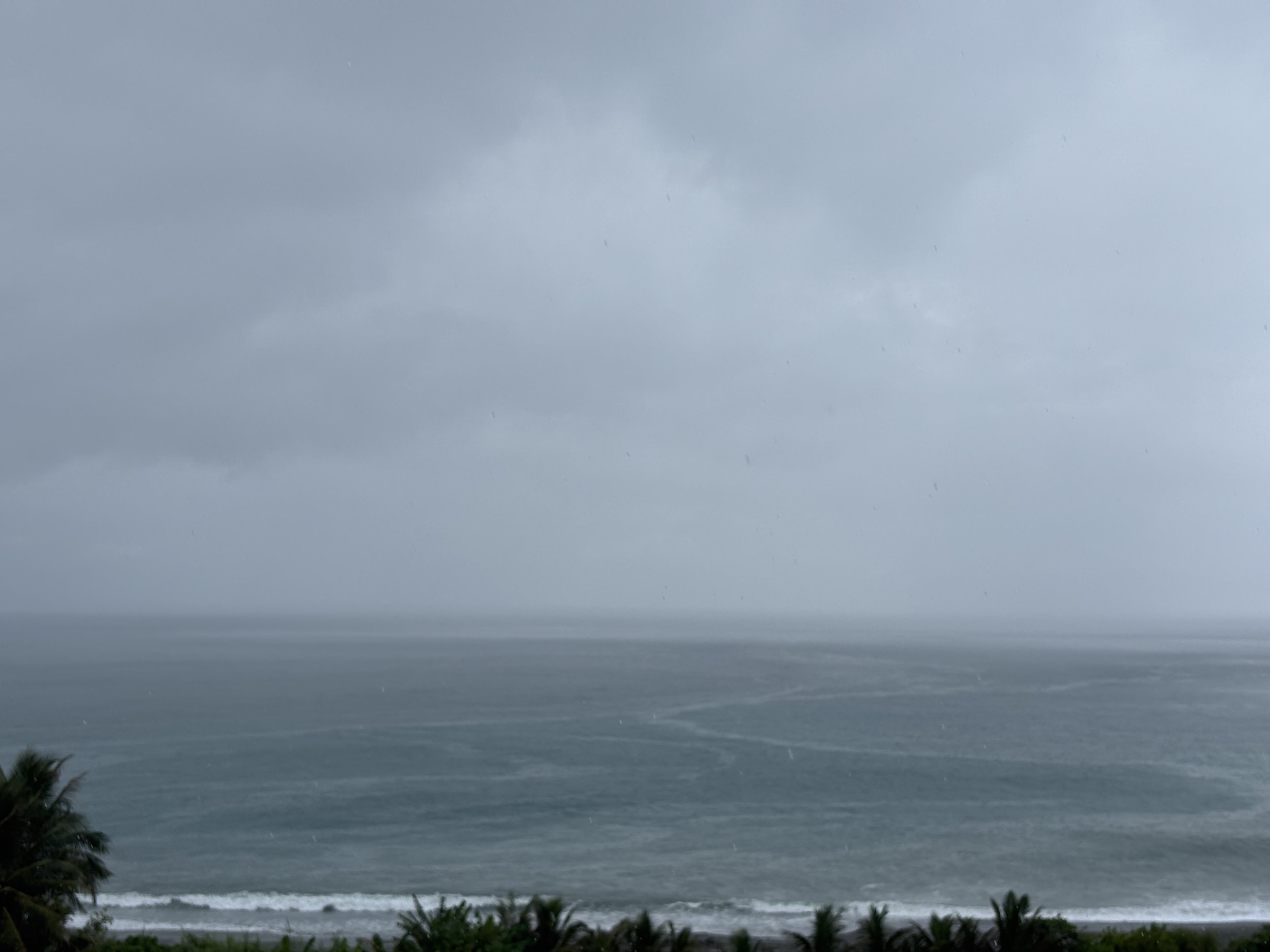
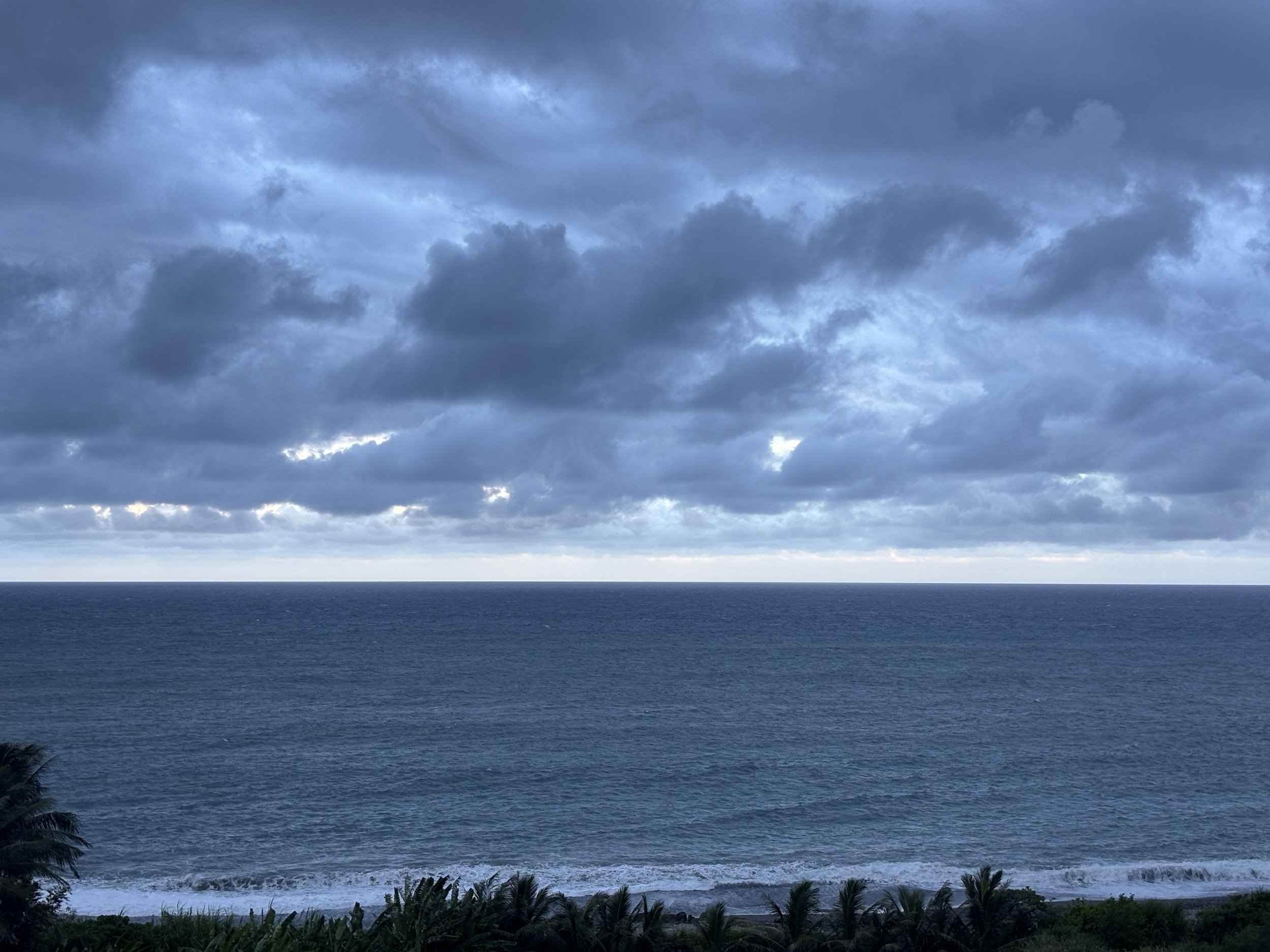
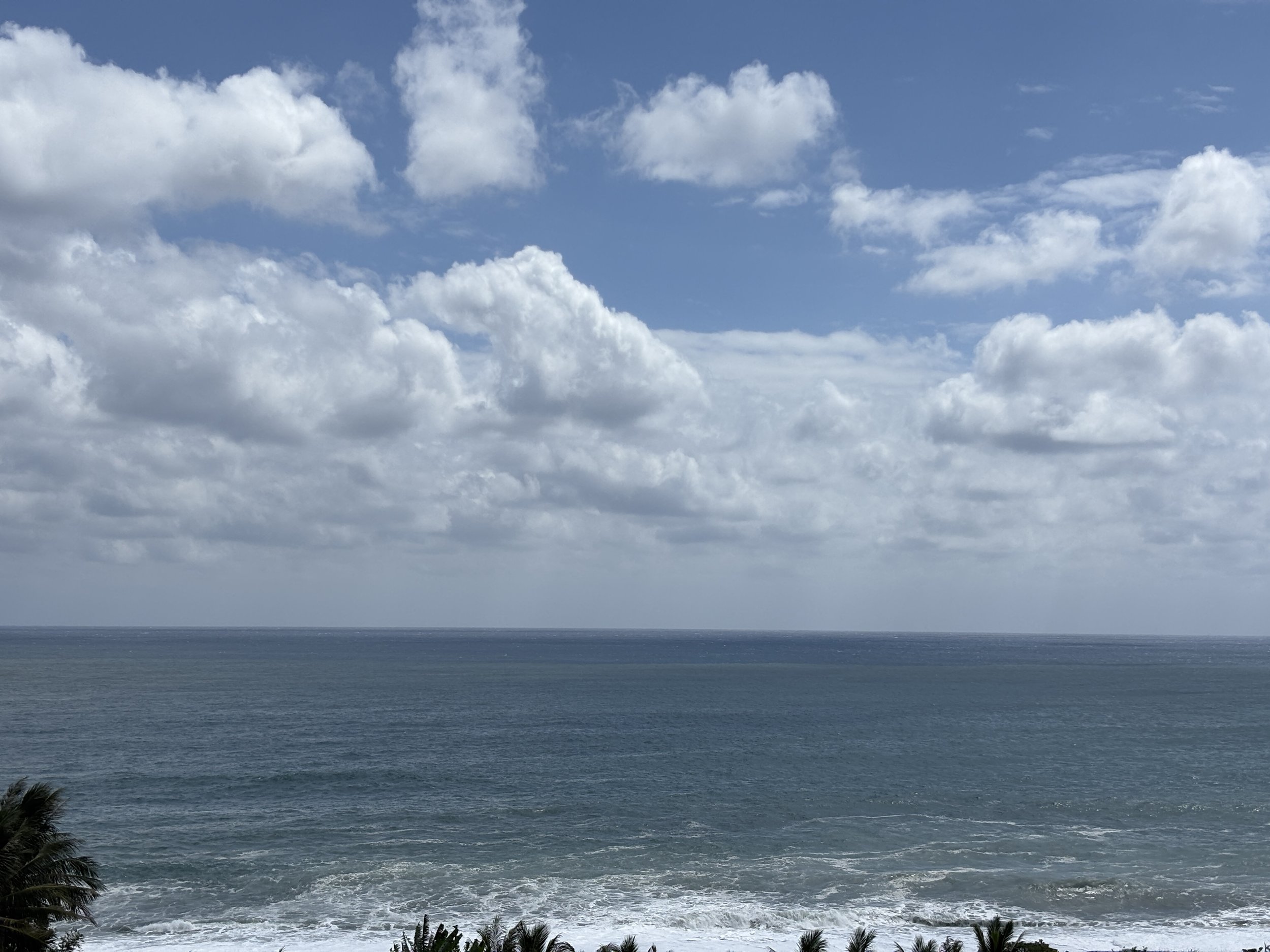
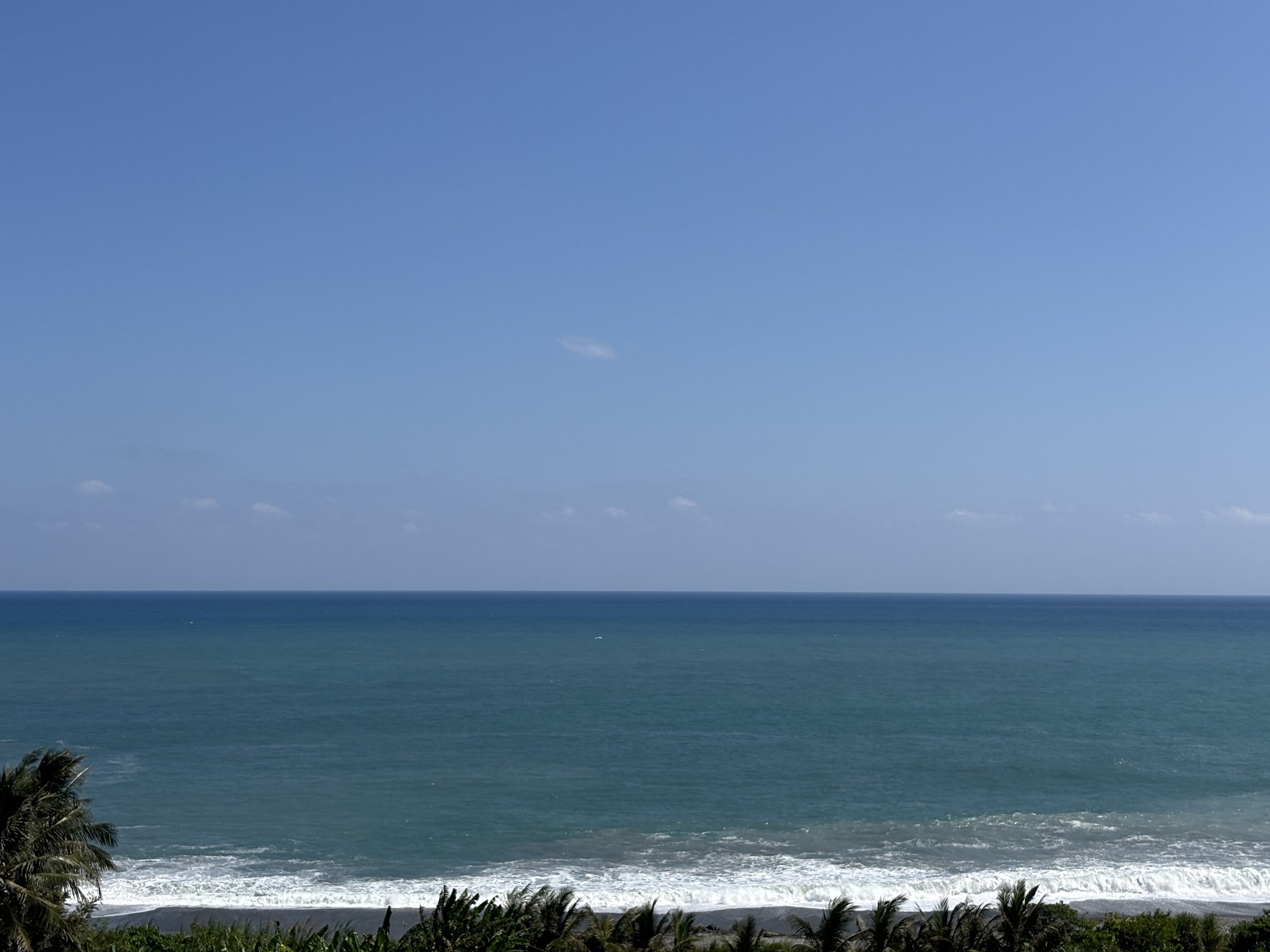
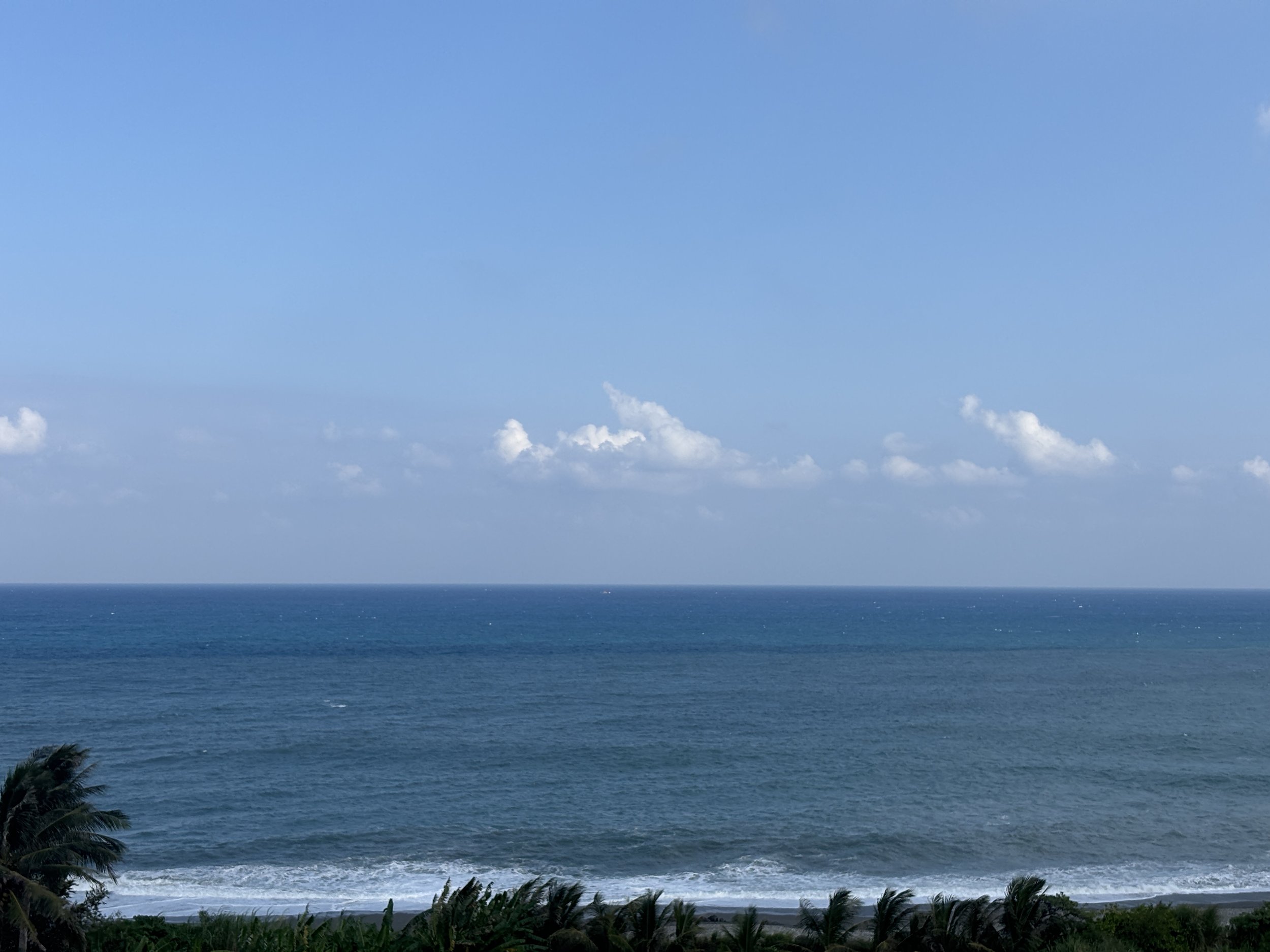
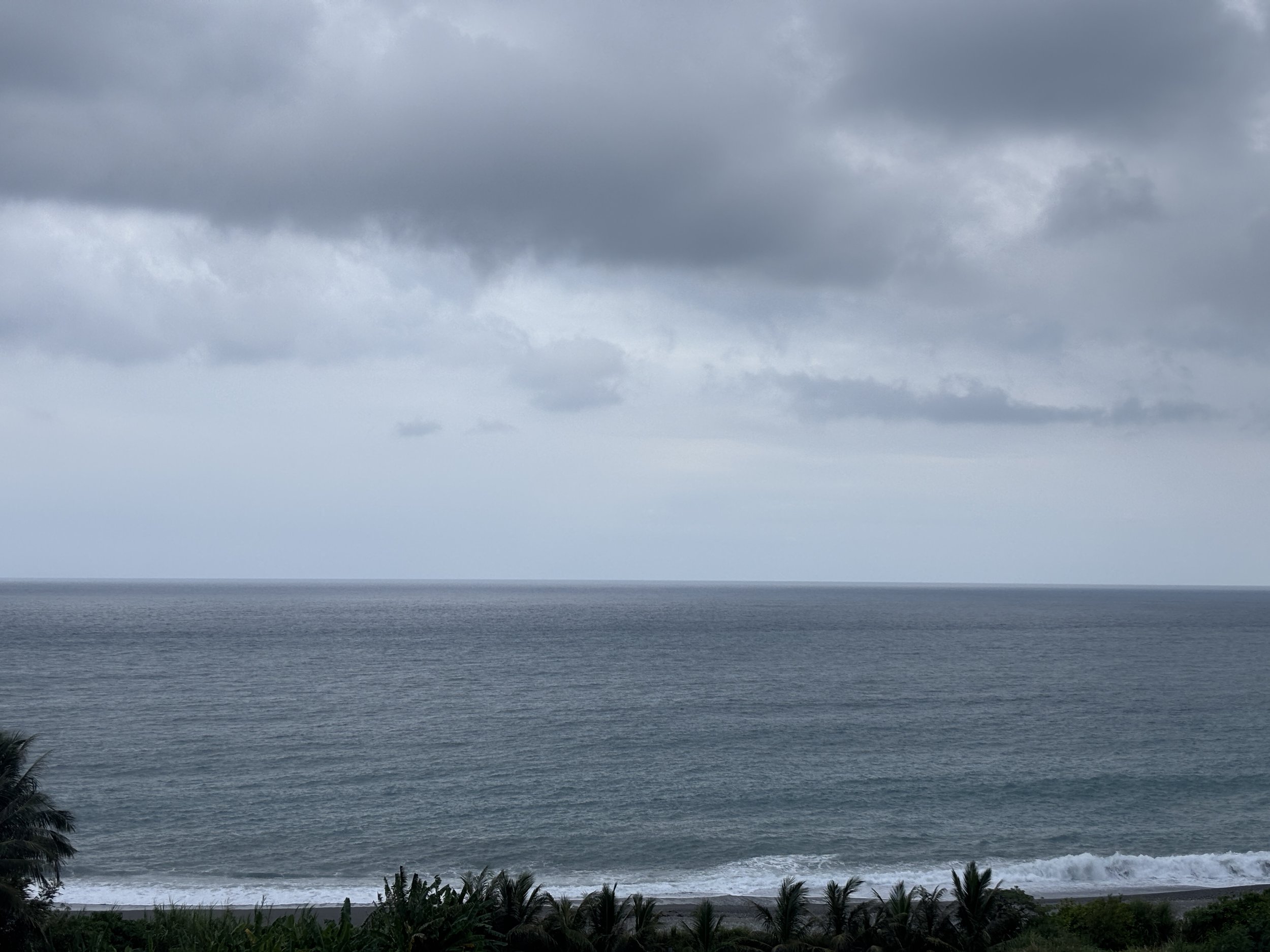
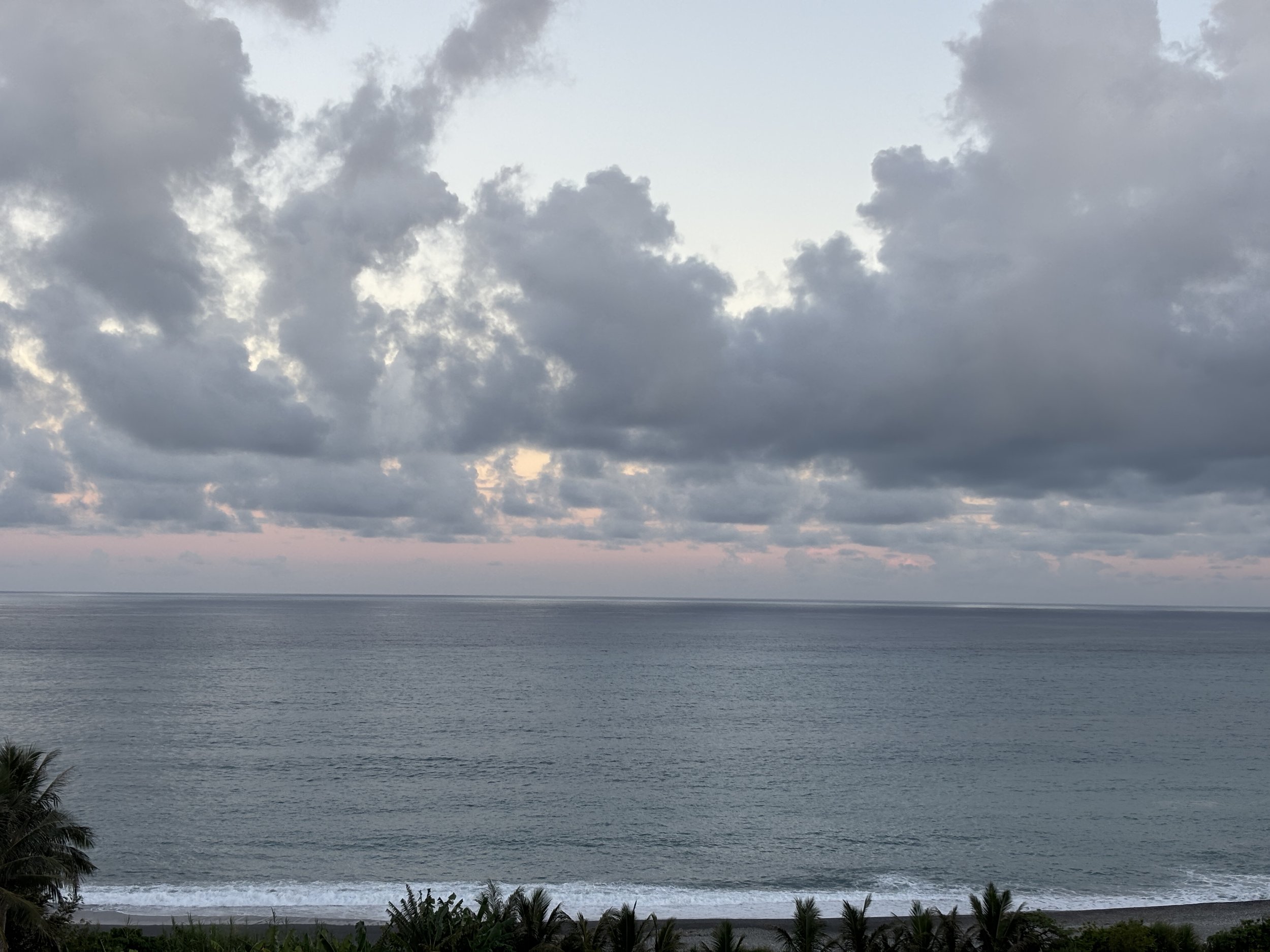
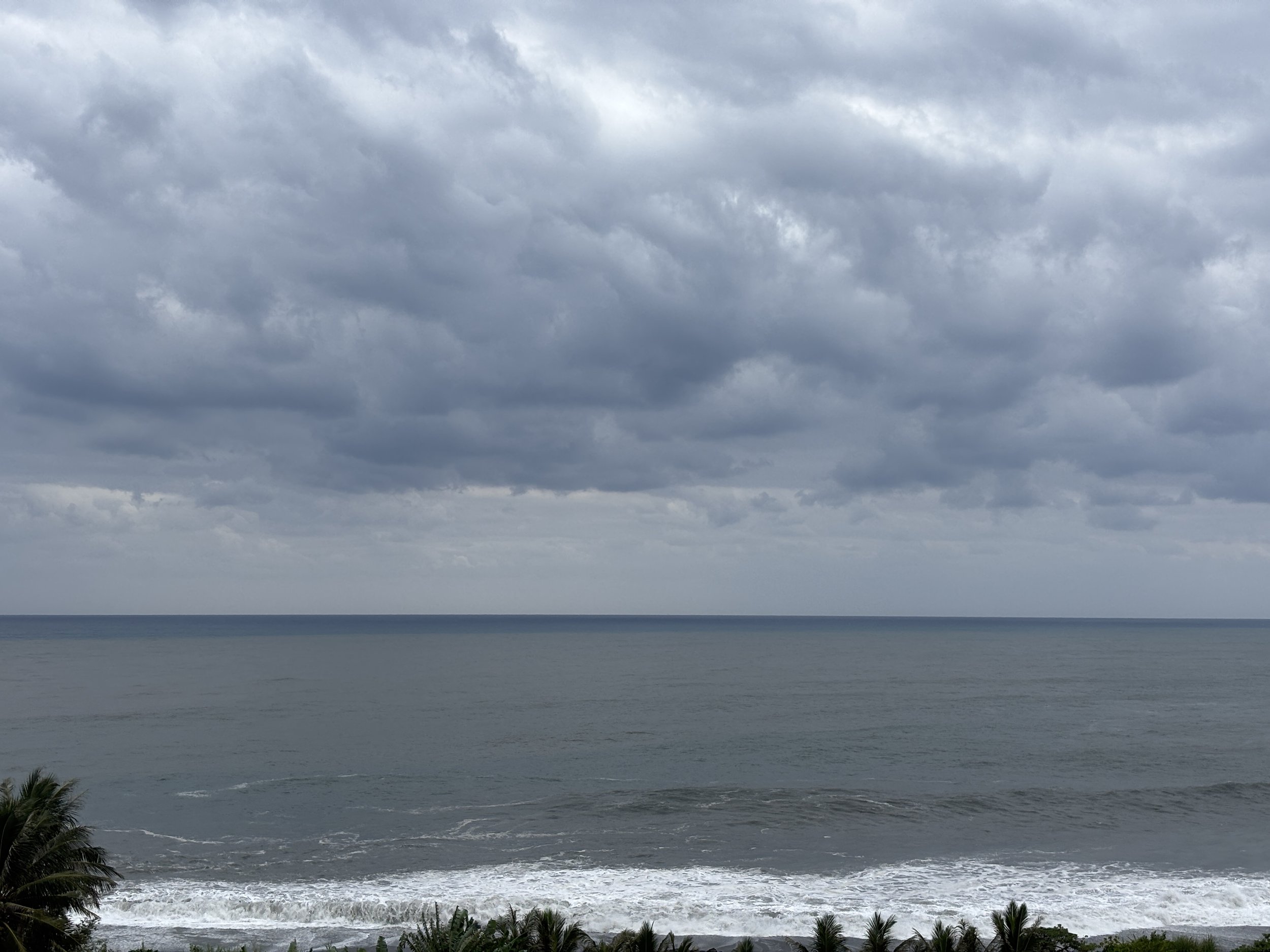
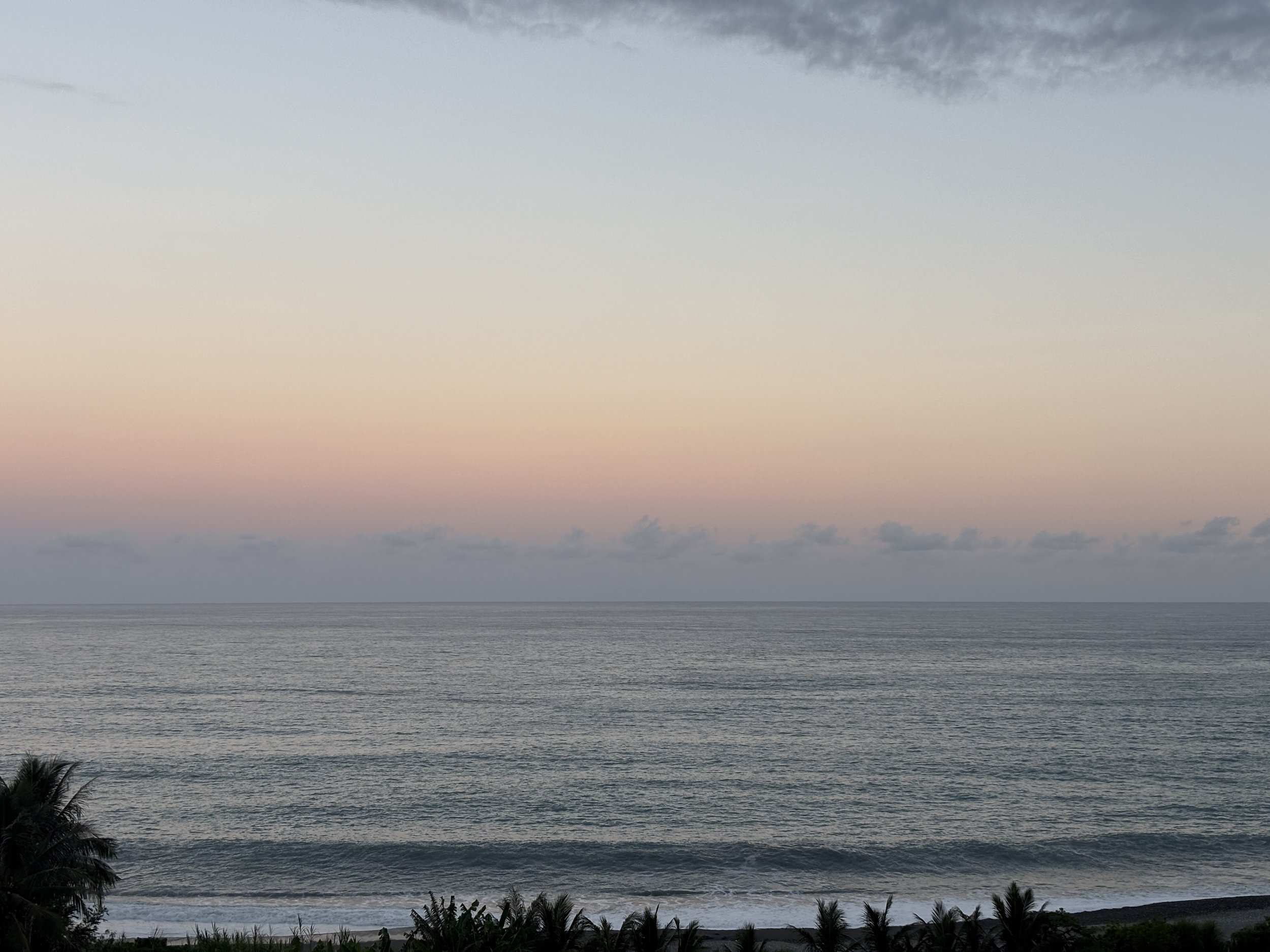
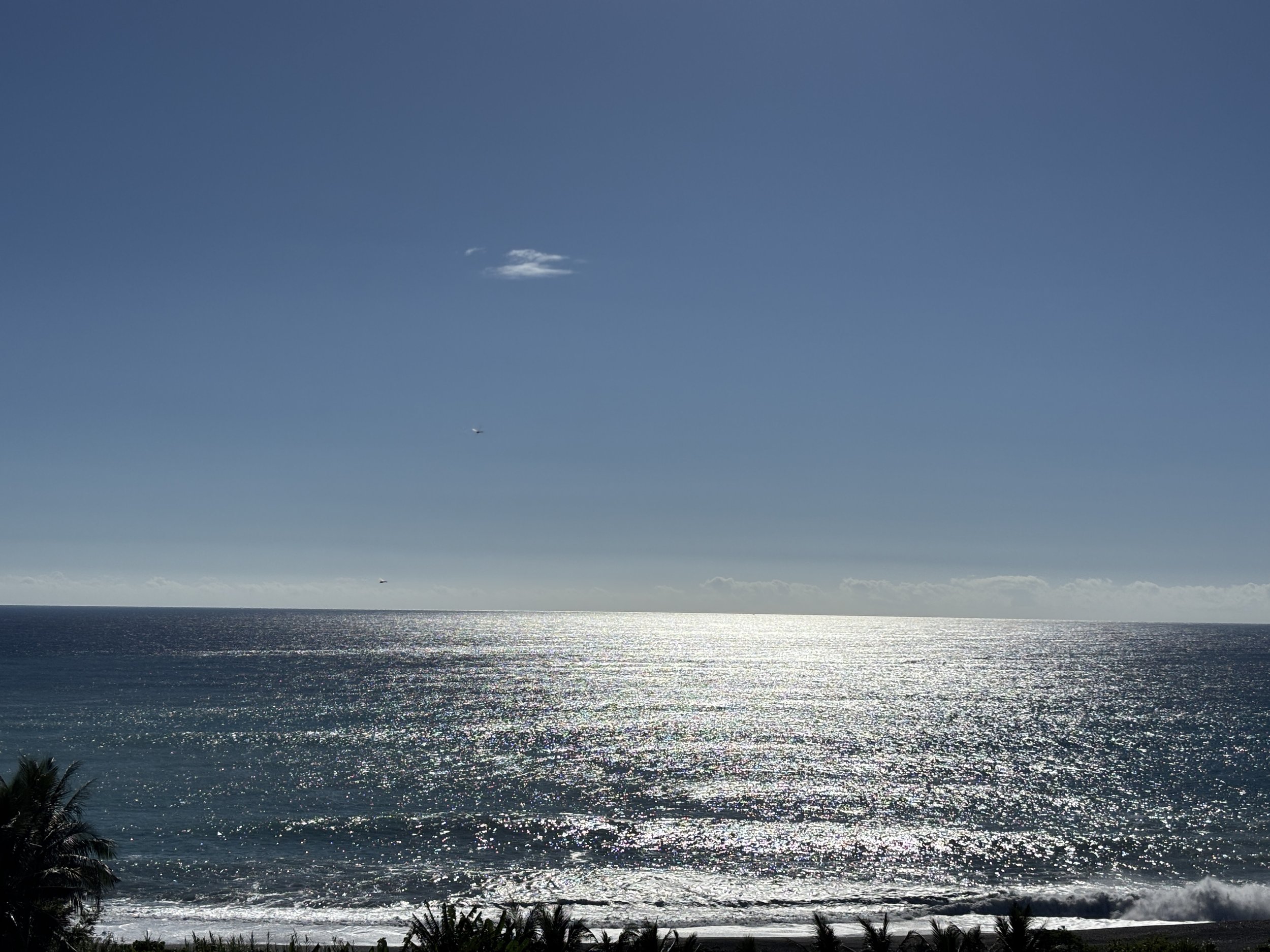

像工作室每天看出去的海浪一樣,不是每天都豔陽高照,有的時候灰濛濛的,有時頗濤洶湧,也有很多的風和日麗。
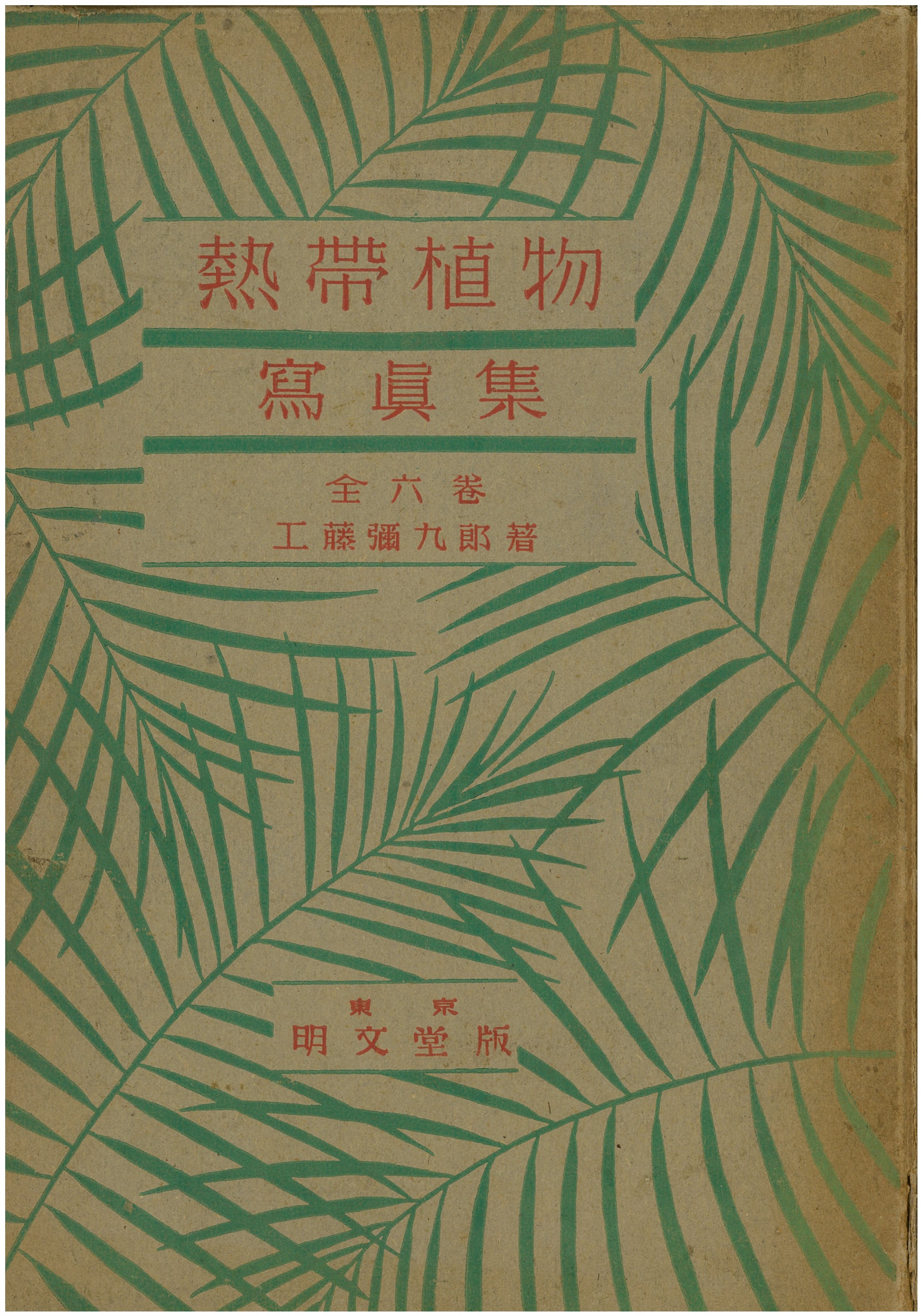
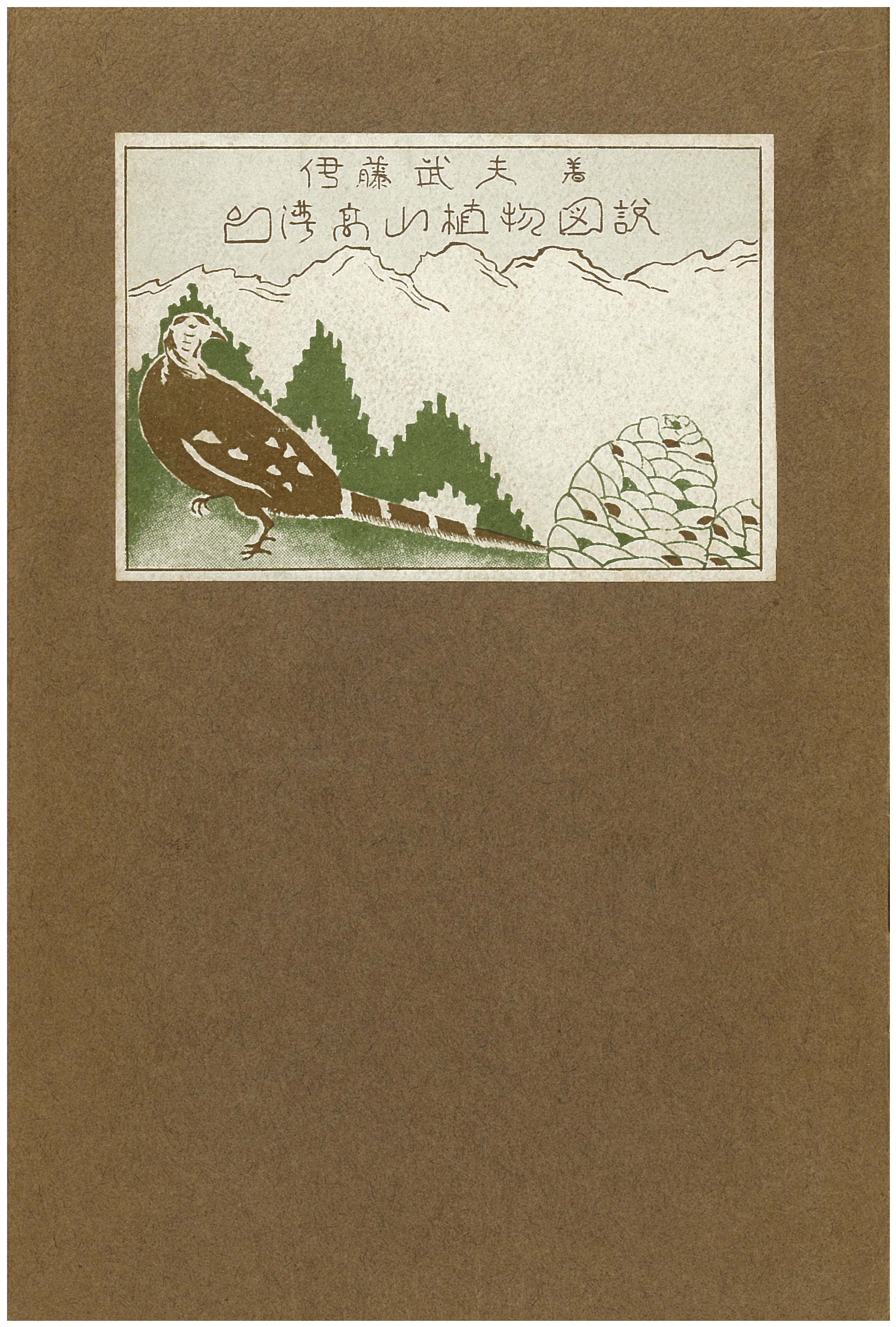
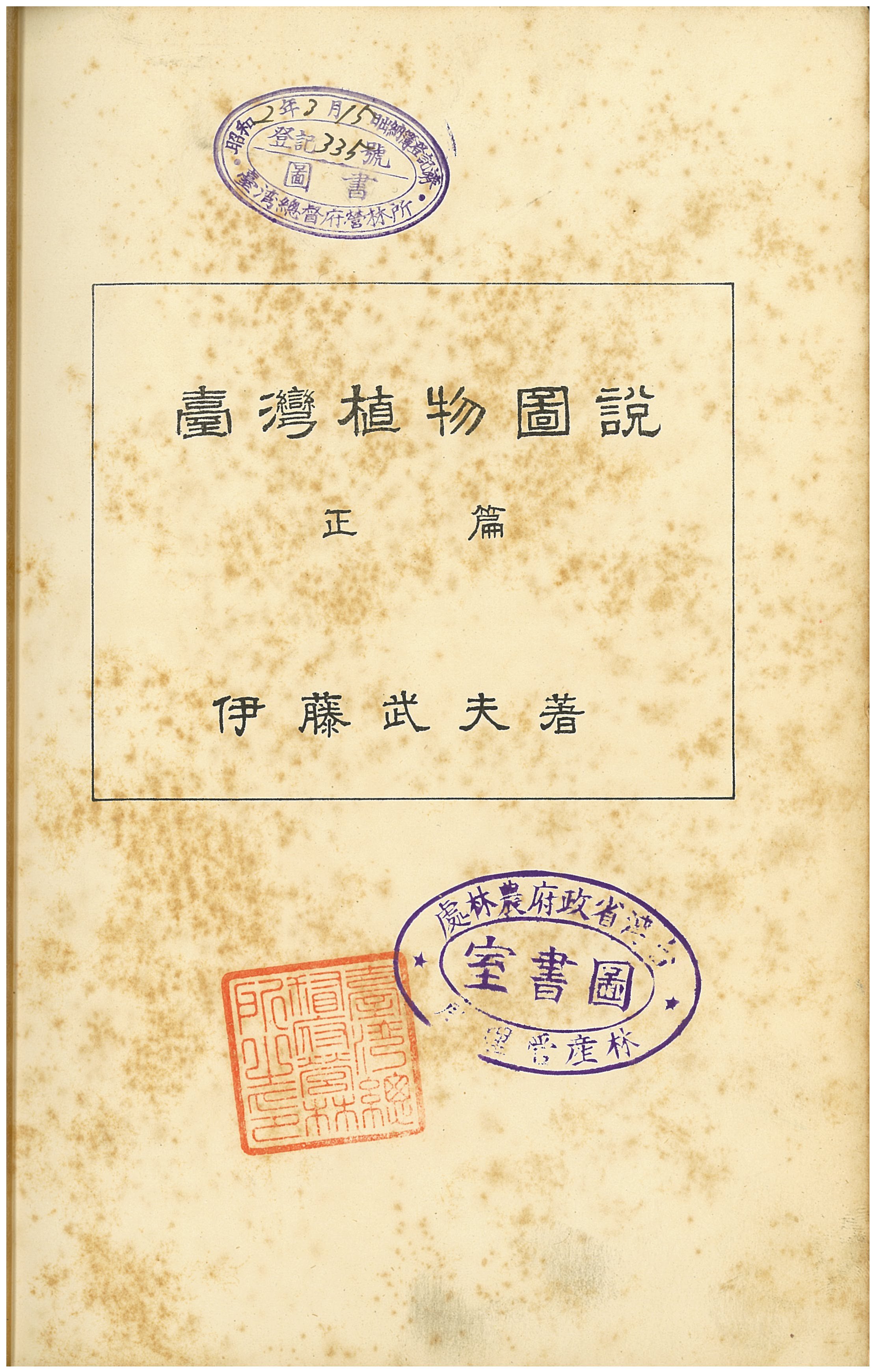
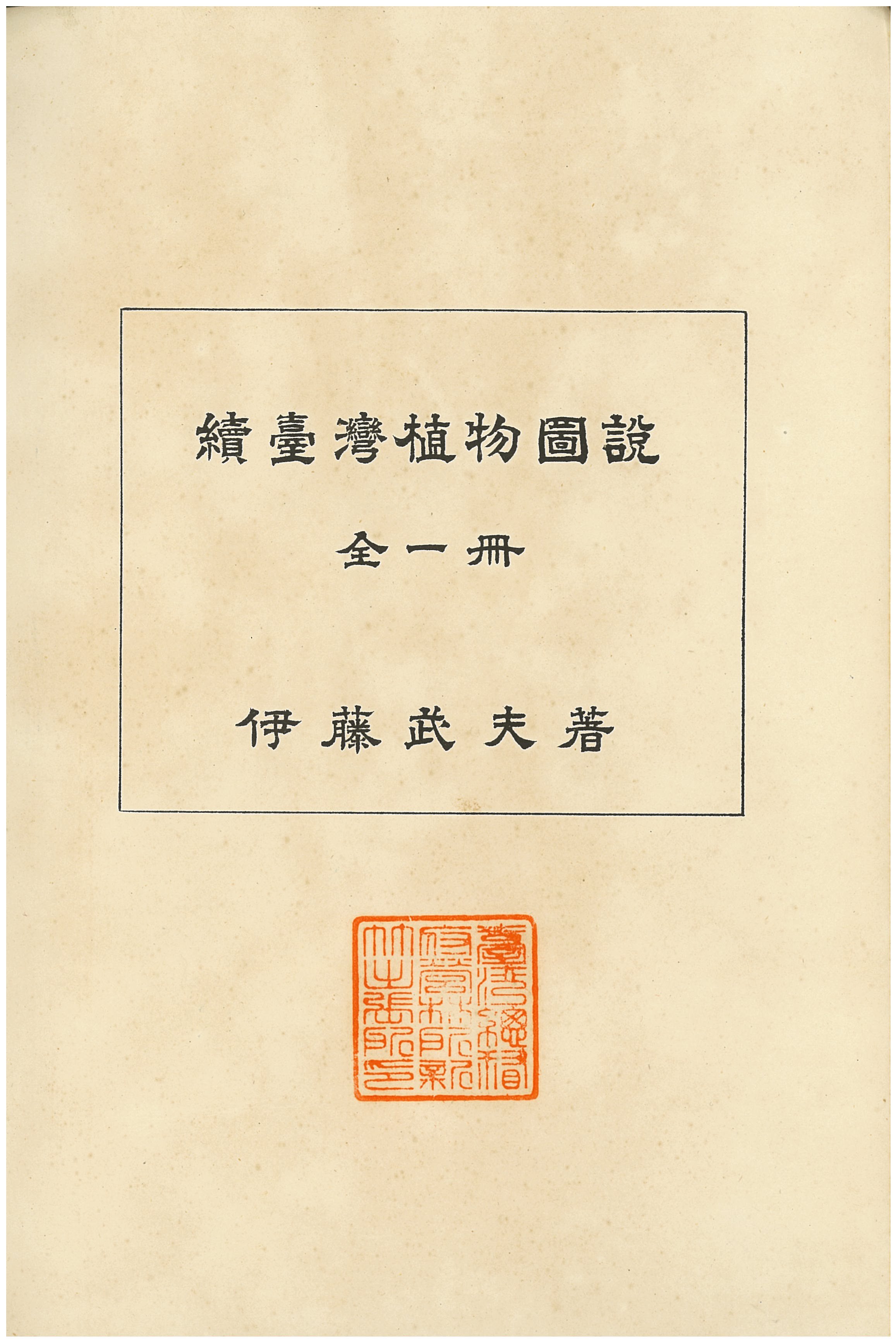
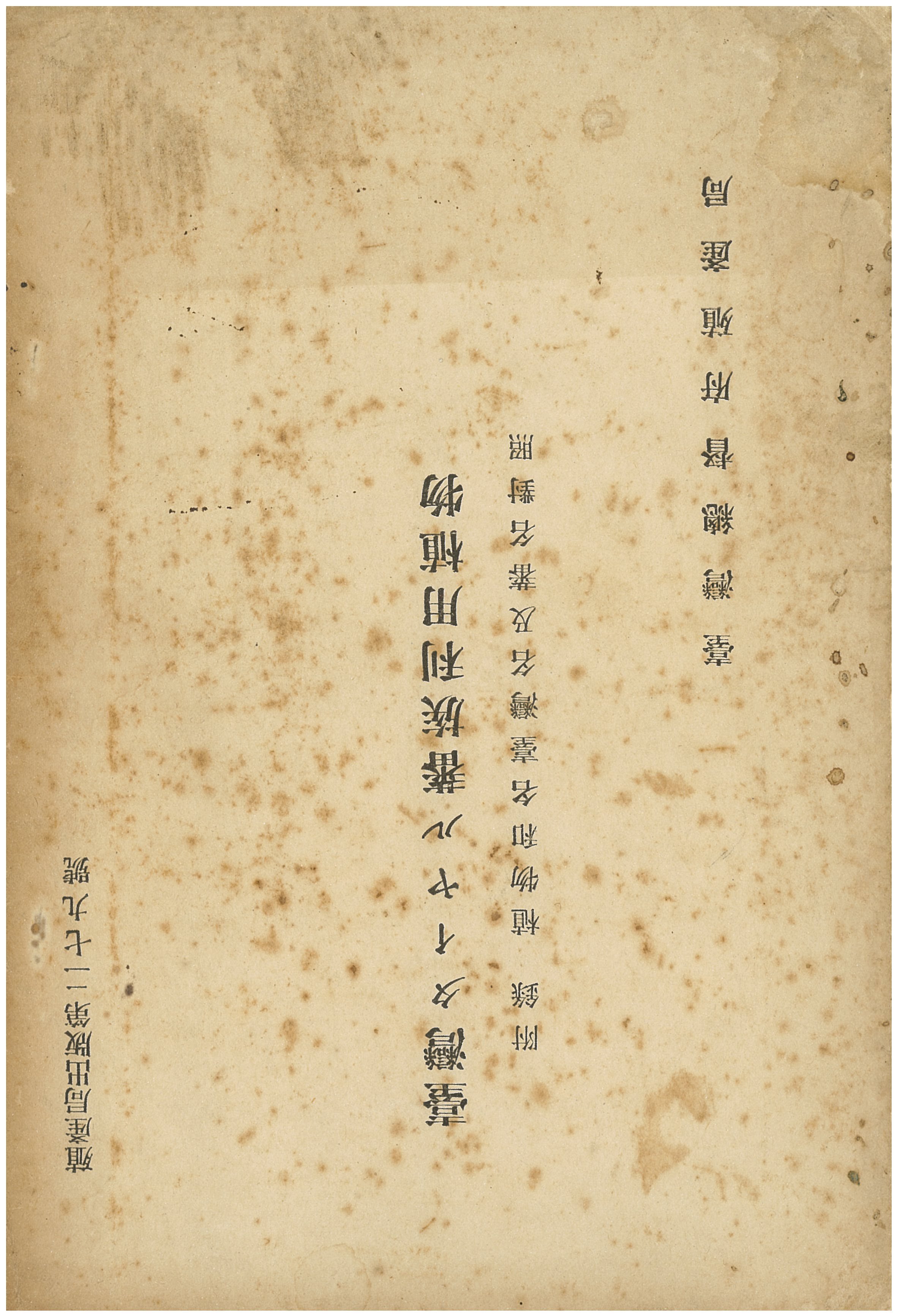
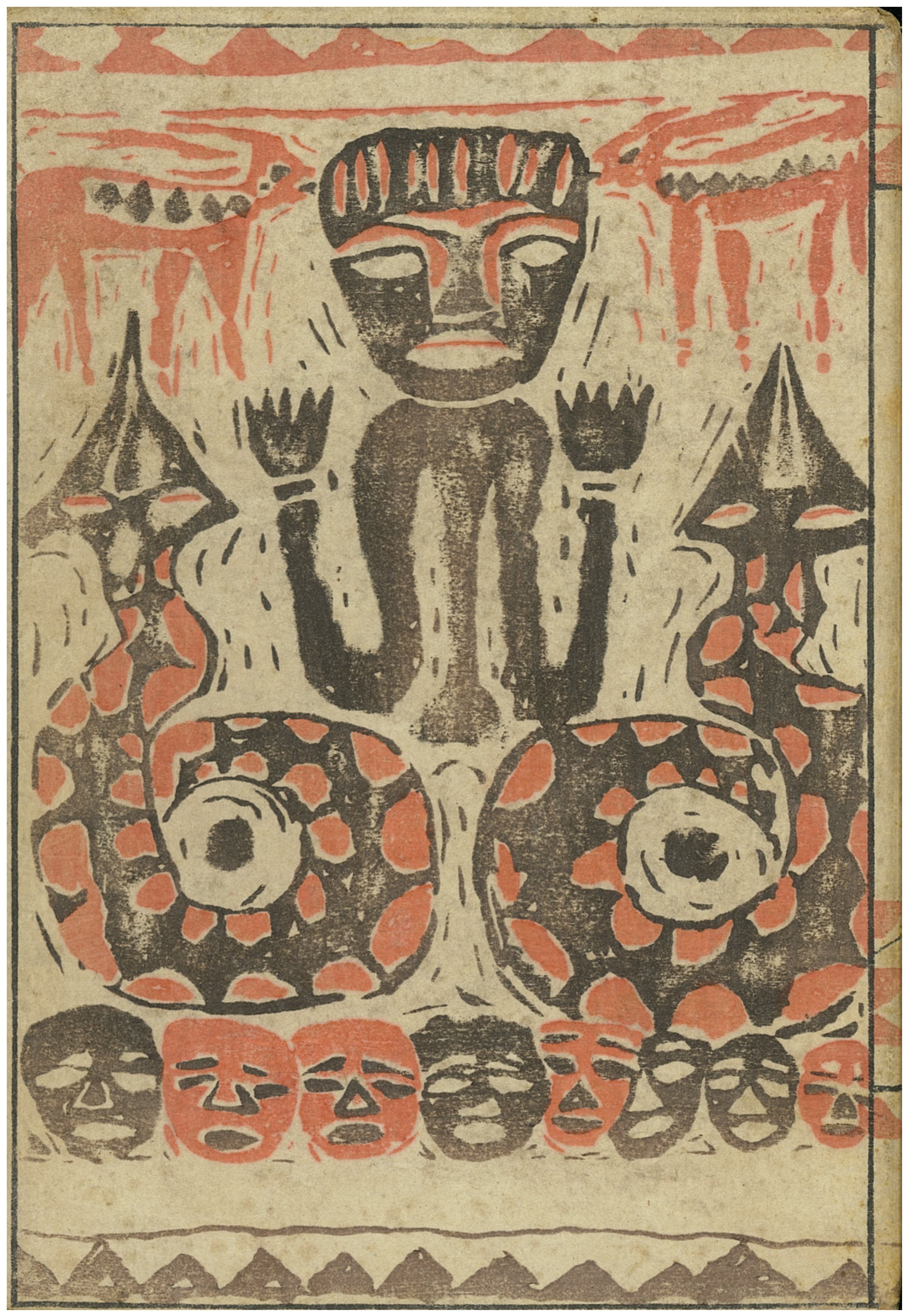
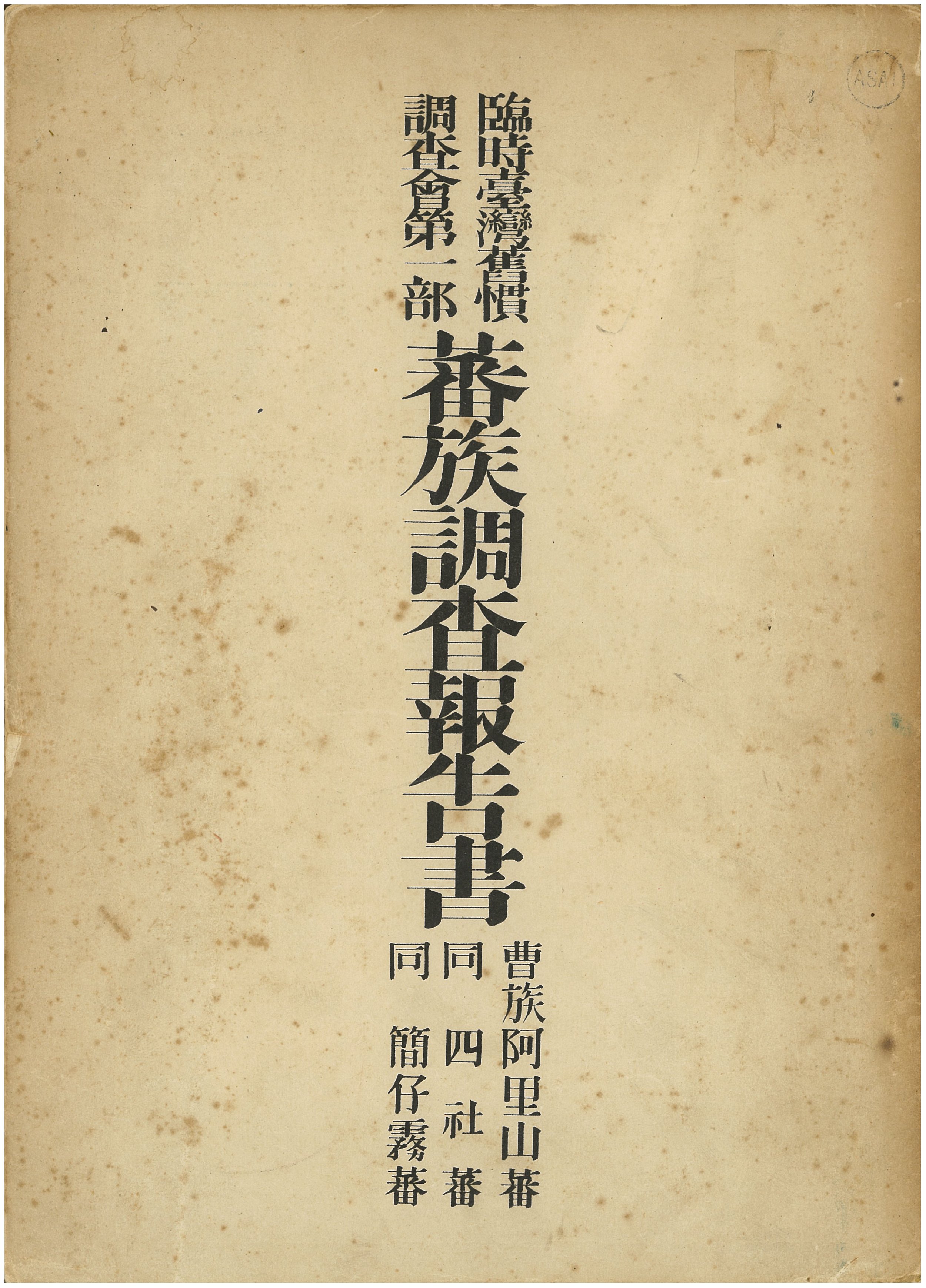
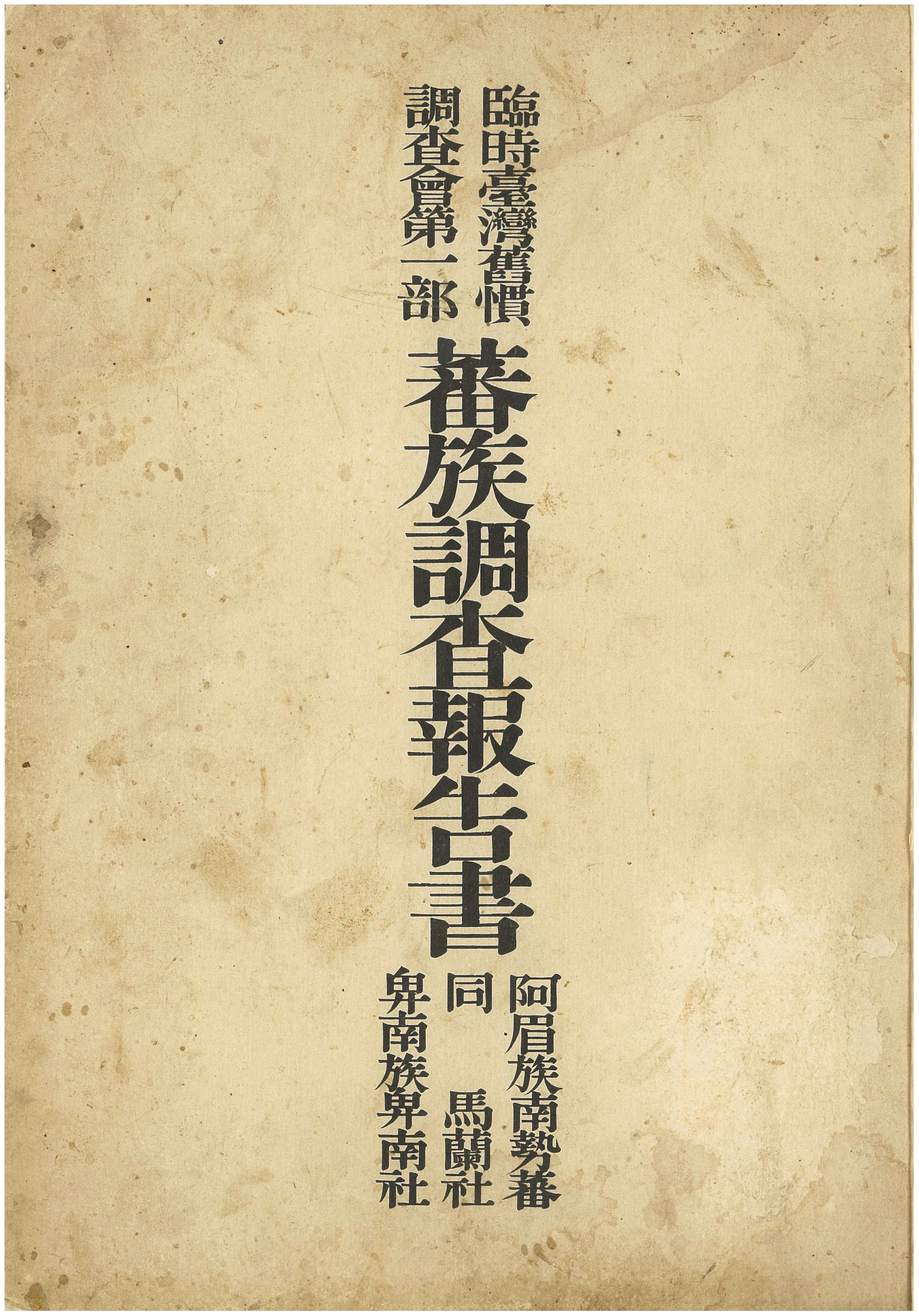
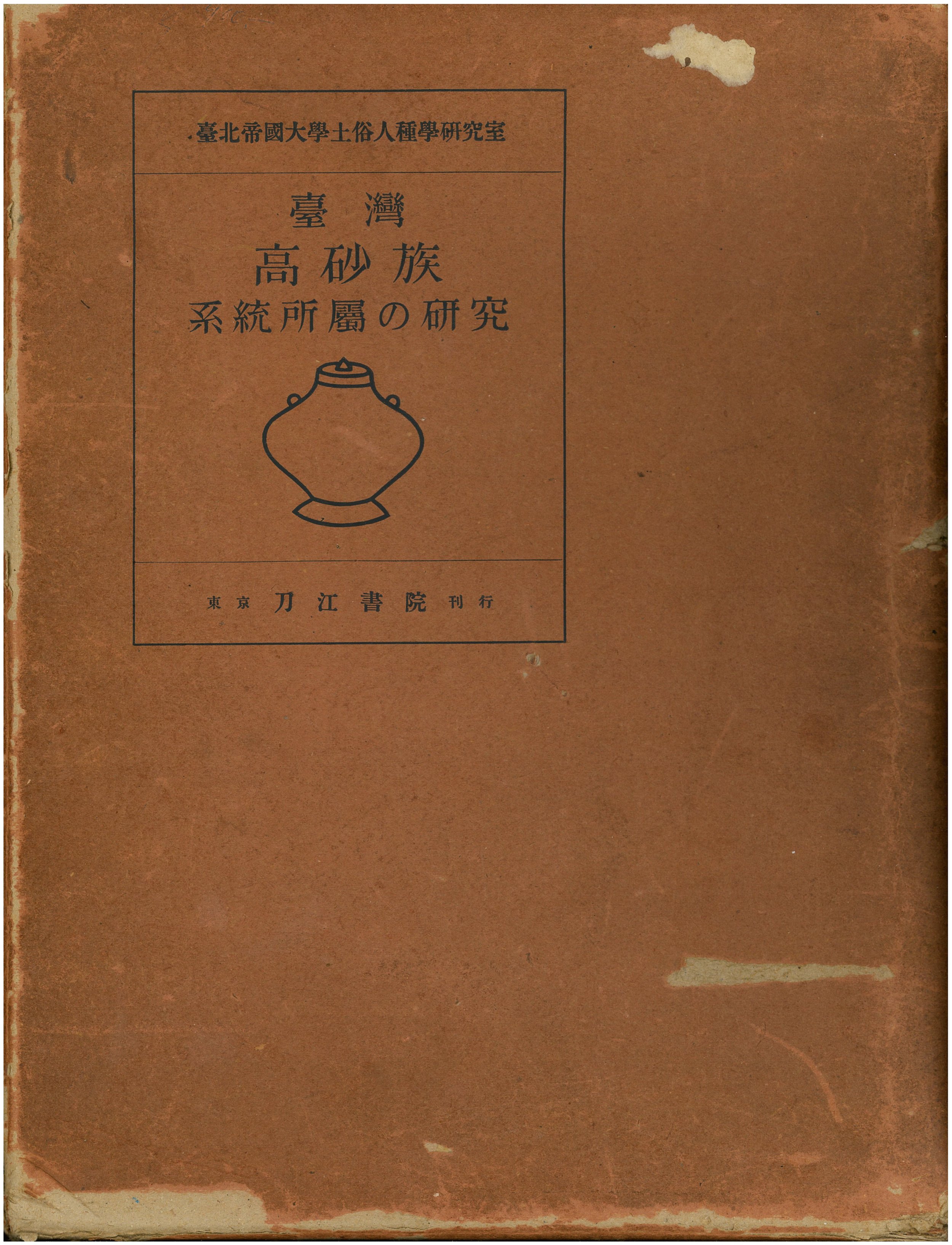
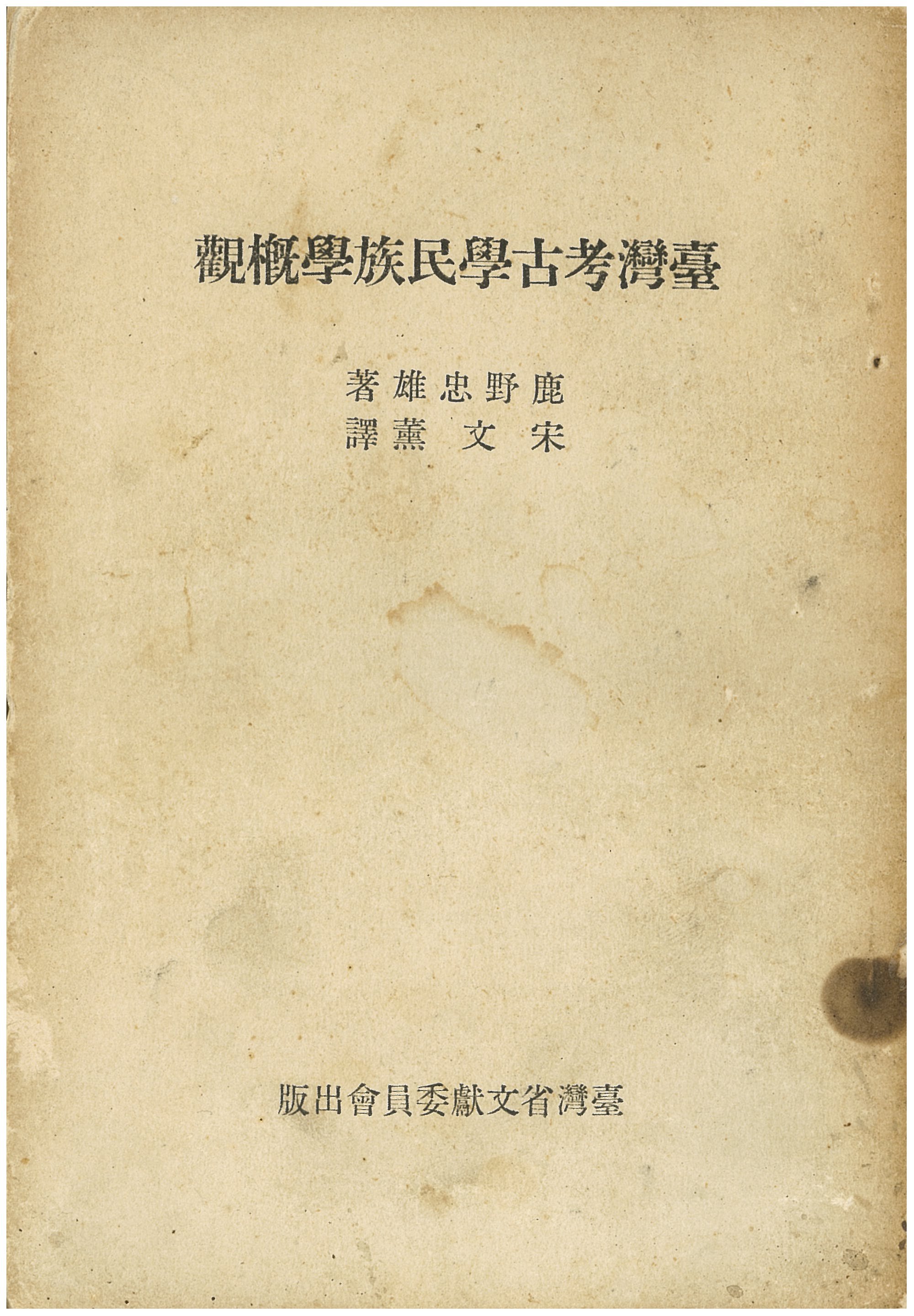
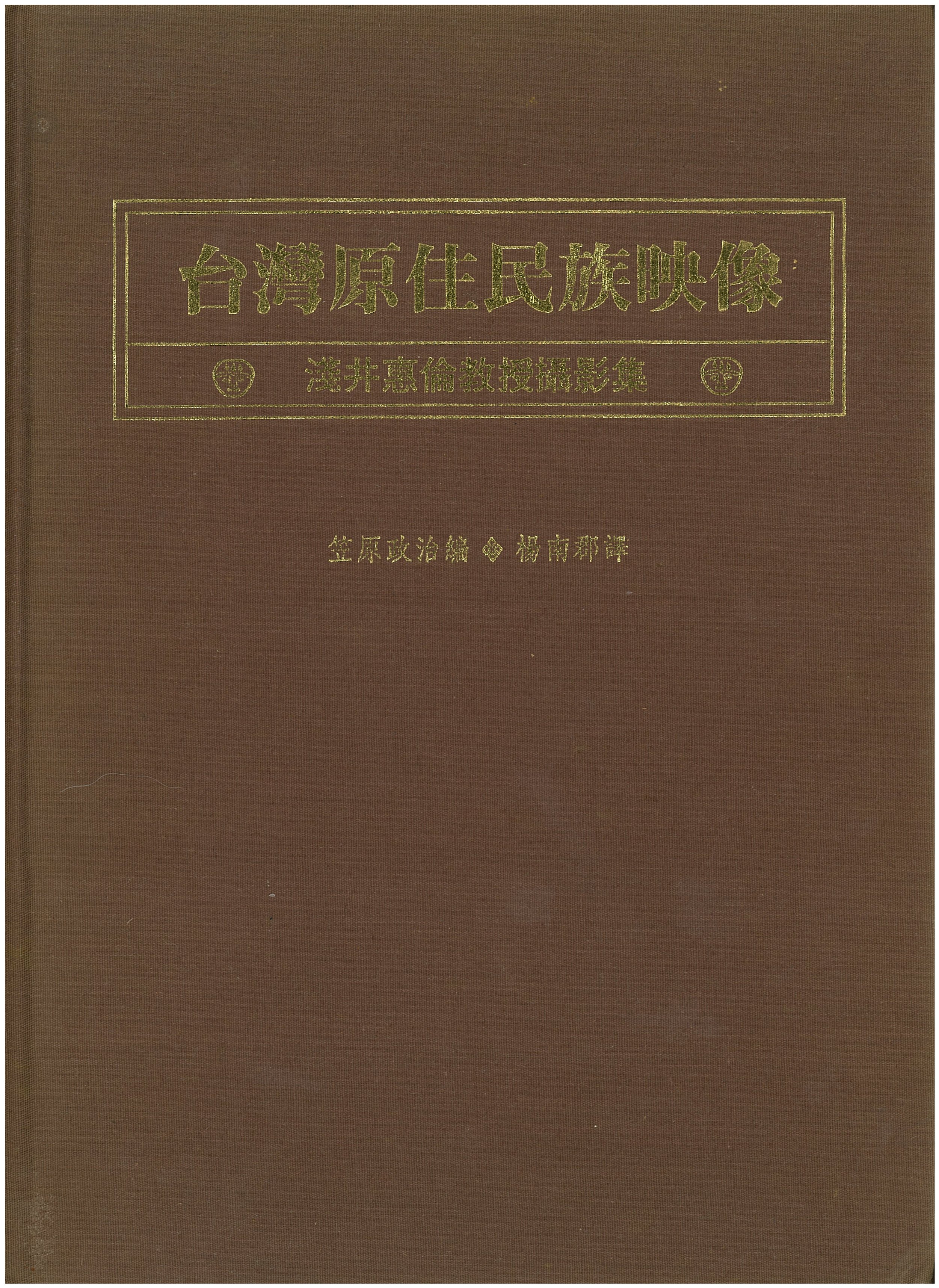
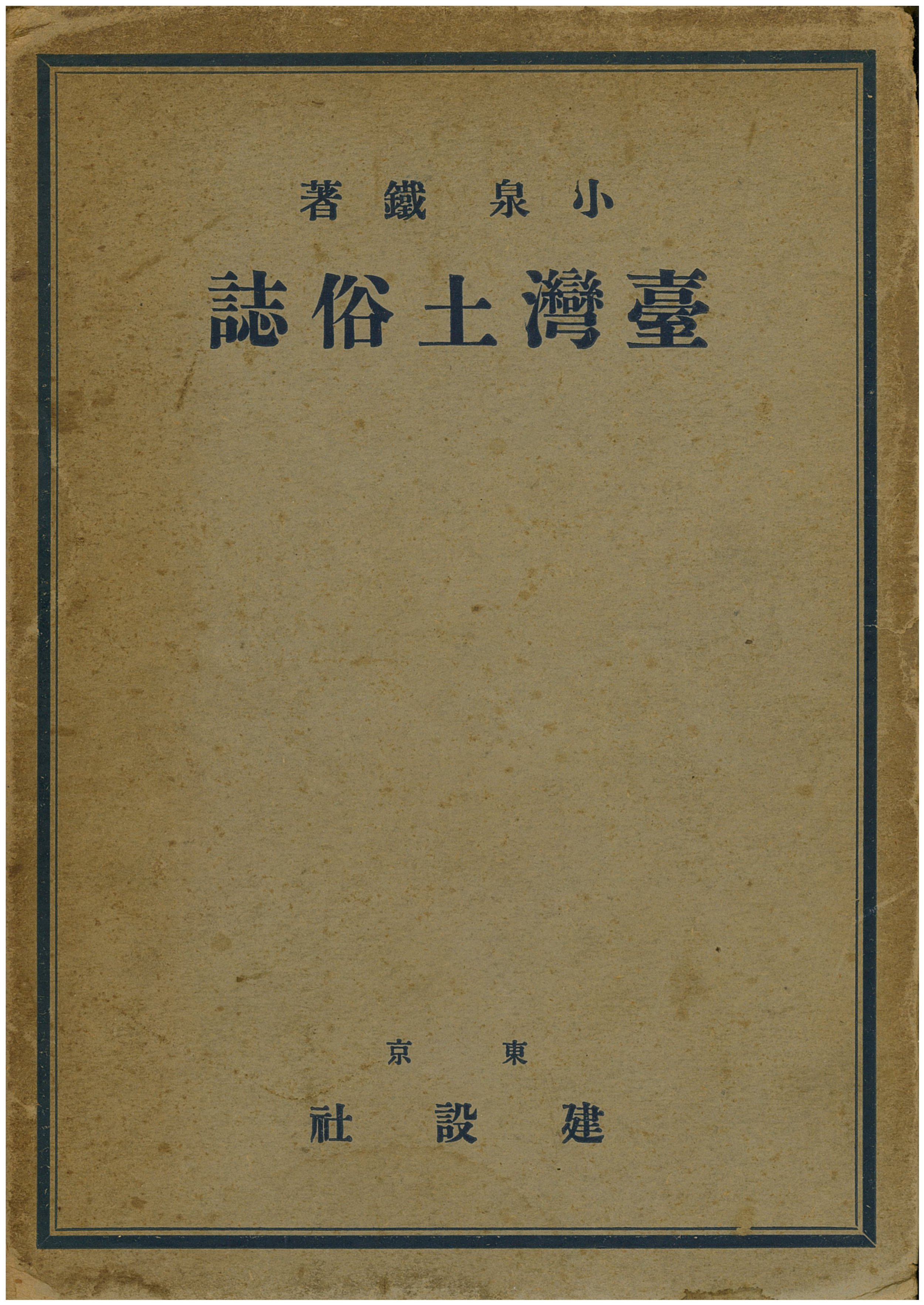
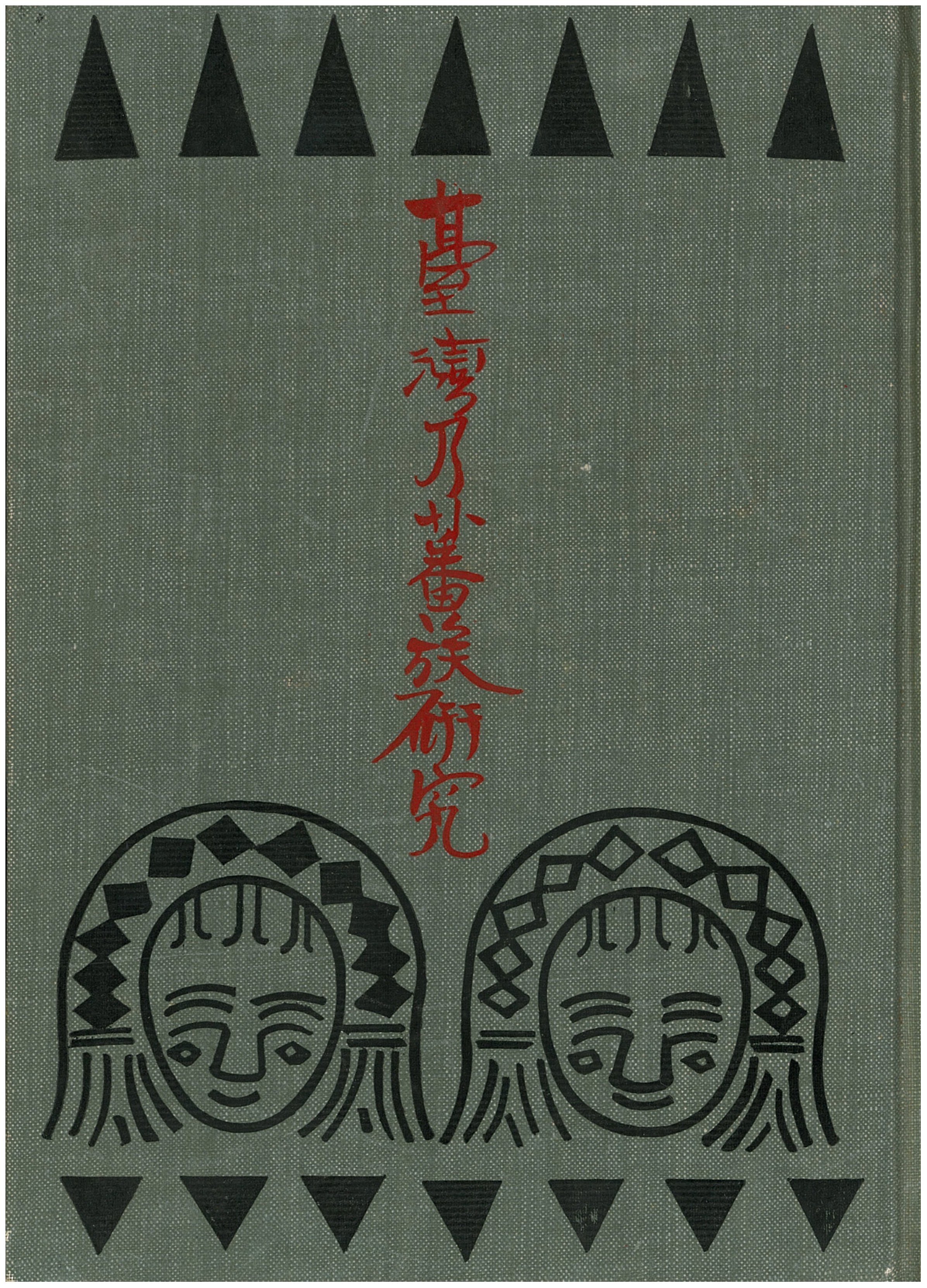
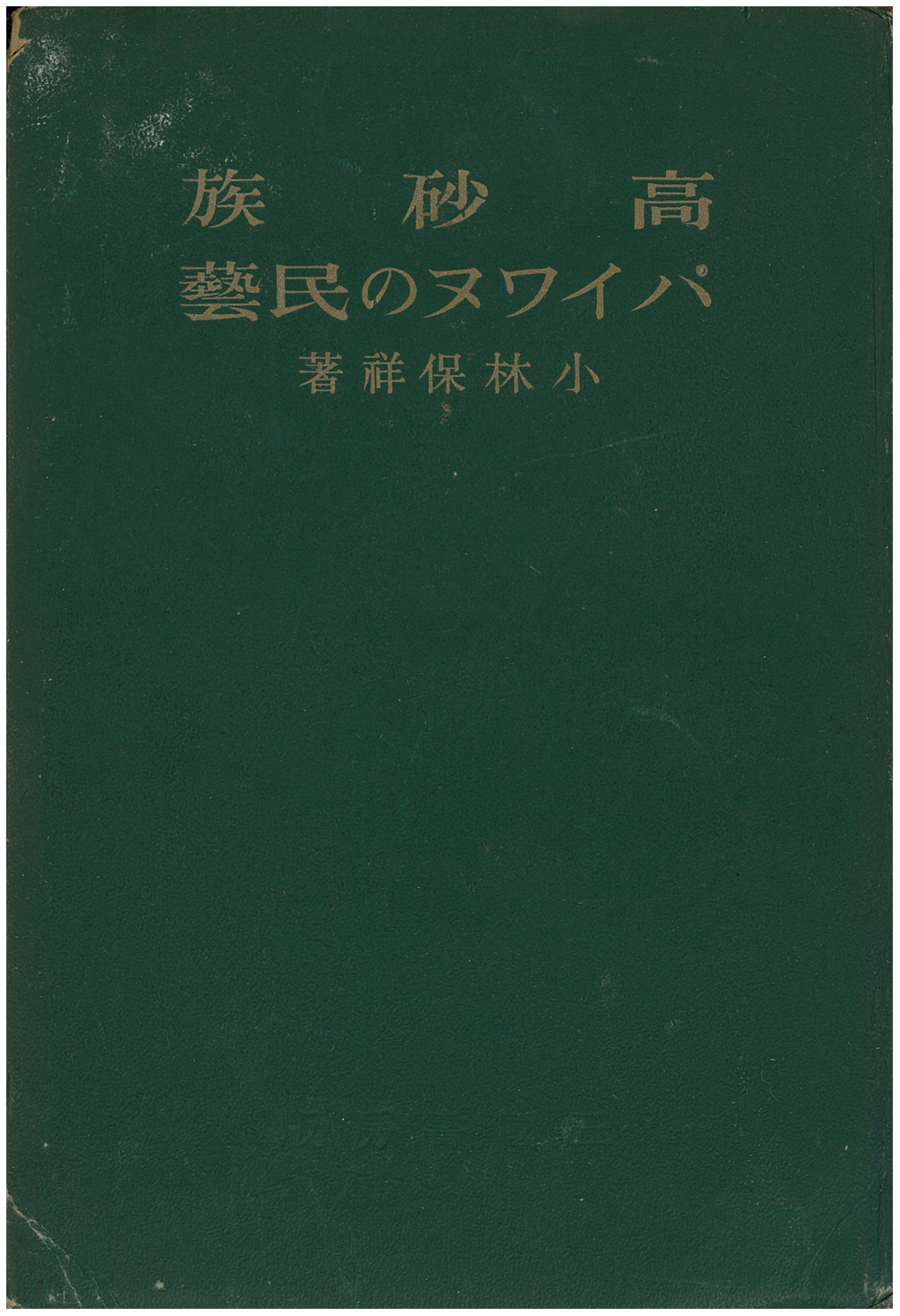
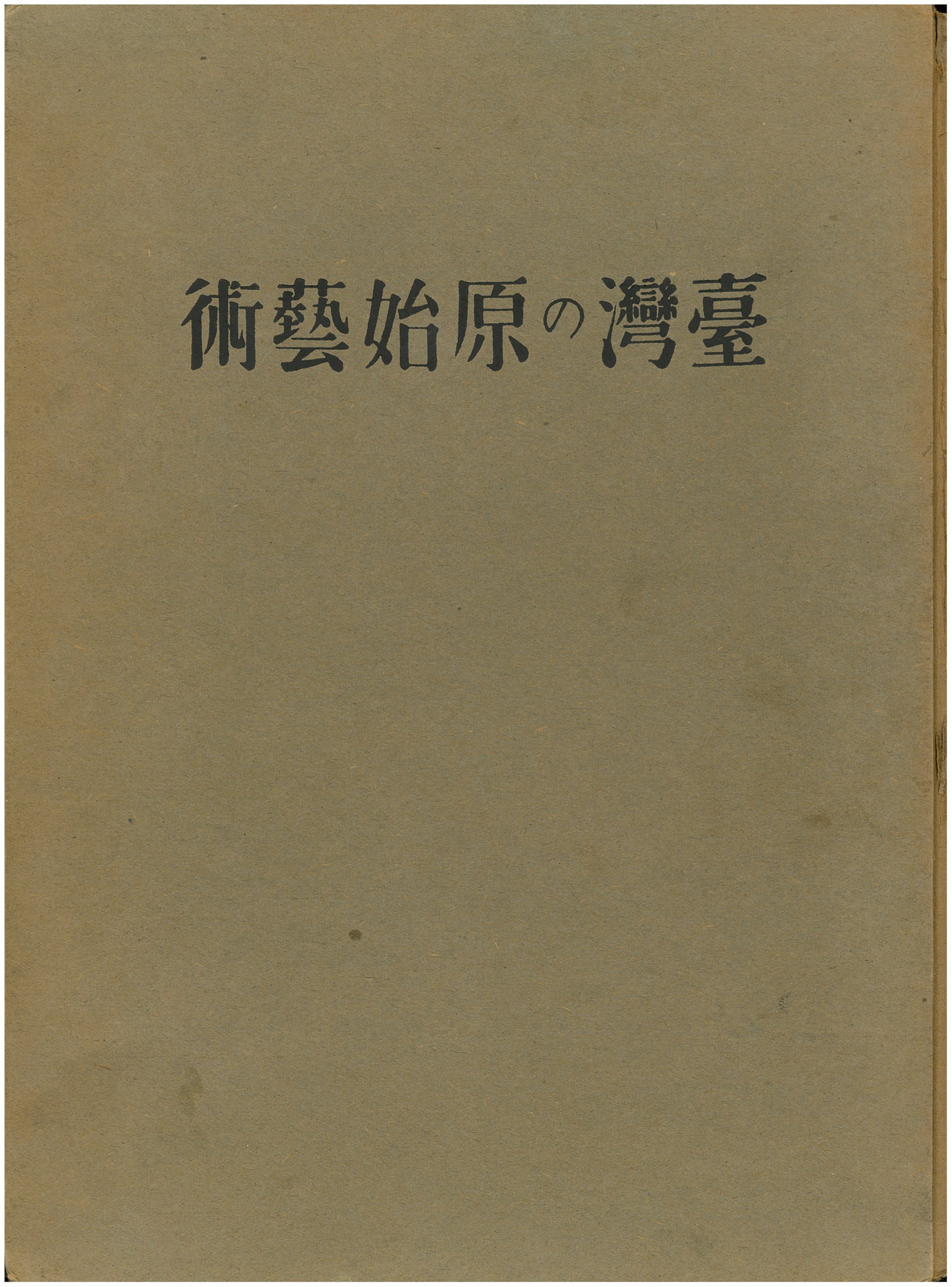
@tetsuomi_cafe 與 @circus_garden 寄藏的古書文獻。
2026.09.02
今天 imay 在跟 lafa 説編織,世界風起雲湧的,你只能相信,然後跟著自己手裡編的東西往前走,然後想到摺疊草編的結構,也許也是師傅相信,才可以費盡心思找出車縫手感收放的角度,每個做出來的都是心肝寶貝,鹿港工廠說。
於是忽然之間,鳥居龍藏寫的阿美陶與瓢壺、美拉尼西亞諸島的陶器形制之間的討論,鹿野忠雄筆記的陶器內側鵝卵石的拍打痕跡,古老與現在的連續性與不連續性,都煙消雲散了,因為起源是虛無的,可是手裡的東西會一直往前。
「我們注定會透過時間順序的天真樸實,被重新導向一個永遠在後退、從未出現在任何歷史中的起點。」《知識考古學》,傅柯。
today imay was talking to lafa about weaving, with the world shifting all around you, all you can do is believe, then follow what you are weaving in your hands and keep moving forward. it made me think of the structure of the pleated straw bag. in lukang, the sewing craftsman believed in it, spending so much time finding the exact angles of tension and release by hand. “every one we make is our precious baby,” they said at the workshop.
and suddenly, torii ryūzō’s discussions of pangcah pottery and gourd vessels, and the pottery forms of the melanesian islands, kano tadao’s notes on the pebble traces inside pottery, all the questions of continuity and discontinuity between the ancient and the present faded away. because the origin may be nothingness, but what is in our hands will keep moving forward.
“through the naïveté of chronologies, we shall be led back toward an ever-receding point that is never itself present in any history.”
— foucault, _the archaeology of knowledge
2026.08.28
在靜浦找到福木了!伊麥傳訊息過來,今天先跟 kacaw 和 lafa 一起去跟地主打招呼,想到地方其實不是土地,而是關於很多的移動,拜訪,交換,還有路徑形成的。
lafa 收工的時候,會拍夕陽浮在海上的影片。天氣好的時候,伊麥會自己去屋頂看海剪浪草。回到海邊的人們,有種尼莫游回大海,如魚得水的感覺。
we found fukugi in cawi‘! imay sent a message, today she went with kacaw and lafa to say hello to the landowner first. a place is not about land, but about movements, visits, exchanges, and routes formed along the way.
when lafa finishes work, he takes little clips of the sunset over the sea. when the weather is good, imay goes up to the rooftop by herself to trim the grass and look at the sea. people moving back to the coast somehow seem like nemo swimming back into the ocean, like fish back in water.
2026.08.07
「你知道,鵝卵石是一種現象」伊麥說。雖然本來就知道海岸邊打磨出來的屬於鵝卵石,但用現象來形容,鵝卵石忽然從物件變成一種過程與痕跡,於是所有的稜角在宏大的時間尺度裡都被修辭了,成為很長很長的回音。
“pebbles are a phenomenon,” imay said. calling them a phenomenon suddenly turned the pebble from an object into a process, a trace of the sea and time. across a vast scale of time, every sharp edge becomes poetry, a long, long echo.
2026.06.26
是編織讓我成為這樣的人,伊麥說,編織的過程是有重量,有跡可循的。
nacu 編藤的時候,會自己蹲在 roit 阿公編的 atapes 旁邊看藤皮接線和收尾的方式,沉下心來反覆拆,剪斷,重編,最後才會滿意地笑出來,很像是人生修煉的過程。
lafa 說他做的竹床會晃,把 otal 環編上去固定後,才知道真的像膠帶,生活經驗和工藝技法交會的那個瞬間的力量與快樂,是可以停留在時空中的。
it is weaving that made me become myself, imay once said. the weight of the weaving is noticeable and traceable.
nacu sits beside the atapes woven by grandpa roit, seeking the edge continuous method and finishing when weaving the rattan handles, and bottoms the heart to reversely reweave, cut, and reweave, and finally smiles when fulfilled. it feels like the kind of practice that shapes a life.
lafa said one day he found the bamboo sasa he made was shaky, and after weaving the otal ring on it he realized the taping power of the one-thread weaving. the moment life experience touches craft technique, the happiness stilled in air through time.
2026.06.05
你心情不好嗎,你要聽我講藤的故事嗎?lafa 說,你跟朋友講了,他被感動了一句話,就會把這個故事一直講下去。
做工藝還是需要一點想像和浪漫的,伊麥說,編織不難,可是做工藝絕對不只這些事情,要有背後的能量。
為什麼你要做編織這個事情,朋友會問 lafa,因為我想回家,他說。
每個物件,是過去,還是接近未來,還是保留了一些還沒完成的願望。
沒有立論,只有很多對話的漂浮環繞,也許有時候人類最先進的未來想像,裡面藏著最古老的夢。
are you feeling okay, would you like me to tell the story of rattan? lafa said, if you tell a friend and they were touched by one sentence, the story will be passed down and down.
weaving still takes a little imagination and romance, imay said, weaving itself is not difficult, but it requires more than enough of the strength beneath.
why do you do weaving, because i want to go home, lafa said, the home standing beside the coastline.
i wonder every object, is it the past, or is it approaching the future, or does it hold some old wishes not yet fulfilled.
with no theories but conversations floating around, sometimes the ancient dreams are hidden in pioneer imagery.
2026.05.15
我要訪談每個工藝師為什麼要編織,伊麥說,我想聽「因為要賺錢啊」,她大笑著說,kacaw 就是這樣回答的,可是其實因為想碰到纖維,kacaw 很早就自己搬到海線,練習編藤,染布,研究每次染出來不一樣的檳榔顏色,用務實的原因,包裝深情的投入,很帥氣呢。
在去靜浦的路上,伊麥對站在台 11 線路邊探頭探腦的 lafa 按喇叭,lafa 說他在看藤,吃完飛魚攤離開,下大雨的時候,QMO 在後座淋雨狂搖尾巴,從靜浦回來的路上,kacaw 呢喃了好多工藝的糾結,可是客人拿起草木染都是珍惜的,敬重的,kacaw 好像就笑了,昏暗中看的模模糊糊。
花蓮工作室六月要搬到靜浦了,像是奧德賽終於回到家鄉。
🌊🐶🐚
i want to interview every craftsman about why they weave. imay said, "i don't want the official answer 'mission', i like the answer like 'because i need to make money.'" she laughed; that's how kacaw replied to her. but indeed kacaw moved back to the coastline very early for the fibers, to weave rattan, to dye and to figure out every natural color reaction. it is classy to cover deep devotion with practical reasons.
on the road to cawi', imay honked at lafa who was standing along the country road to seek rattans. leaving the flying fish shop the rain poured and qmo was so happy sitting in the back of the car. on the road back to downtown, kacaw murmured about his struggle with the craft, but customers loved and cherished the dyeing practices so much, he seemed to laugh fulfilledly in the dark.
the hualien studio is moving to cawi' in june. like the odyssey, finally home.
2026.03.14
lafa:「綁家屋結構的時候,要兩個人一起,一個在屋內一個在屋外,一推一拉,就像做藤器的時候,你的左右手就是兩個人,一推一拉。」
kacaw:「以前小朋友出生,老人家就會去山上種藤,因為藤一年只長十幾公分,等小朋友長大了,就可以幫他編背帶。」
imay:「以前我都捨不得用老件,後來覺得就是要用力用,老件壞了就壞了,物件要自己認清這個事實,就是很愛它,才會一直修它用它。」
幾個花蓮下午的筆記,很喜歡。
“when binding the structure of a traditional house, it requires two people working together. one person stays inside while the other stays outside, pushing and pulling in unison. it is just like weaving rattan; your left and right hands are those two people, pushing and pulling together.” - @lafa_angay
“in the past, when a child was born, the elders would go into the mountains to plant rattan. rattan only grows about ten centimeters a year. by the time the child grew up, the rattan would be ready to weave into a strap for them.” -kacaw
“i used to be reluctant to use old objects, but later i felt they should be used fully. if an old object breaks, let it break. the object itself accepts this reality. it is because you love it so much that you keep repairing it and using it.” - @_imayyyyyyy
a few beautiful notes from conversations in hualien this afternoon.
2026.02.13
有的時候,遙遠的海,變成回家的遙想。跟自己說不要像奧德賽的船員,吃了蓮花後忘記家鄉,走入安逸的遺忘。回海線的路一閃一閃的,但是不管在哪裡,一起工作,一起產出才是最重要的,kacaw 和 lafa 這樣跟伊麥說。在這個疏離虛無的時代,有這樣從微小的編織聯繫起來的羈絆,一花一世界。
sometimes, the distant sea is a yearning for home. We tell ourselves not to be like the crew of Odysseus who tasted the lotus, forgot their homeland, and drifted into a quiet forgetting. The road back to the coast flickers. “Wherever we are, working together and creating together is all that matters.” These are the words Kacaw and Lafa shared with Imay. In an era of alienation and emptiness, there is a bond woven from these small threads. A world in a flower.
2026.01.30
我最近在從神話裡面找解答,伊麥說,我老爸說反正不知道的事情就問祖先。神話也跟史詩一樣,有各種年代和地域的版本嗎?對啊,像阿美族的創世傳說,在不同地域都有各自的分支,要試著從神話解讀祖先想要傳達的事情。 我覺得我們在做的事情其實蠻孤單的,她說,現代性的事情,要從神話裡去找解答。
I’ve been looking for answers in myths lately. My father always says: when in doubt, ask the ancestors. Like epics, myths change across time and place. Even the Pangcah creation stories branch out depending on the region; we have to decode what our ancestors were trying to tell us. It’s lonely work, she said. Seeking answers for the modern world within the myths of the past.
2025.09.12
去年的巴黎 showroom,伊麥教 hiromu 修剪編好的浪草,然後一邊說著浪草和海膽的相似之處以及在海邊撿海膽的事情,還要得意的講到砍草剖草到編草是我們自己一條龍完成,這應該是這個時代魔幻又快樂的事情吧,在巴黎,多倫多,或是金澤,各個角落的大家對話的同時,建構自己小小的口述個人歷史。我每天都在編織,我知道我在做什麼,nacu 說,有的時候,我們沒有意識到自己每天在做的事情構成了這樣的我們,鏡頭拉遠,是這樣的平靜悠遠。
At last year’s Paris showroom, Imay showed Hiromu how to trim the woven riyar light from umbrella sedge. She spoke with pride that from cutting and splitting to weaving, every step is done by our own hands. In Paris, Toronto, or Kanazawa, each was shaping a small oral history of their own. “I weave every day, and I know what I am doing,” Nacu said. When the lens pulls back, it feels steady, open, and far-reaching.
2025.08.20
你看,我的手機裡都是海的照片,伊麥傻笑的說,海線長程移動,每次經過同一個轉角看到海浪,都覺得好美啊,要停下來拍。 不知道海浪的氣味累積了多少個層疊的記憶,然後翻滾浮現,也像是李維史陀寫的時間:在星球老化,地震的地層錯位的時候,那些遙遠過去意義不明的小細節,現在清晰如山峰。
“Look, my phone is full of sea photos,” Imay said with a laugh. Traveling long distances along the coast, each time she passed the same turn and saw the waves, she felt it was so beautiful she had to stop and take a picture. Who knows how many layers of memory are carried in the scent of the waves, surfacing as they break—like Lévi-Strauss wrote of time: those distant, once-unclear details emerge sharp as mountain peaks.
2025.07.24
在靜浦練習織布,快要兩年前了,有很多的記憶和很多的遺忘,可是回憶是不斷延伸的,伊麥蹦蹦跳跳跑去跟嬸嬸拿家裡很老的織布工作背心;sawmah 學完織布阿公幫她做的織布機,一起畫零件,上山找木材,然後手工模出來的織具;dopoh 找到的老家苧麻織布,眼睛閃閃發亮的說自己的家族故事。 記憶混雜著遺忘的編織性,是一個深刻而且美麗的事情,每次的回憶都是重新編織出來的,遺忘以前的人事物也許帶點哀傷,可是當我們意識到遺忘不會讓事情消失,而是模糊的共存,讓人生一直有好多若隱若現的背景,好像也是很好的事情。
It has been almost two years since we practiced weaving in Cewi'. There were many memories and much forgetting, yet memory continues to unfold. Each act of remembering is itself a reweaving. What is forgotten does not vanish, but lingers in blurred coexistence—forming the shifting background of life, quiet yet present.
2025.07.08
昨天哈佛和MIT的老師來花蓮工作室訪談編織,後來聊起亞裔和猶太裔的離散,忽然想到小時候在普斯林頓的朋友,前陣子在台灣遇到,他們媽媽笑著說中文都講不太好,八極拳卻打到得了獎,也想起在戴爾夫特的時候,週末很喜歡搭一站火車到鹿特丹的唐人街,招牌很像停格在幾十年前時間縫隙,然後又帶著一點遙想與想像,長出那裡新的模樣。 訪談的最後他們問到你們對編織的未來目標是什麼呢,是認真享受每一個生活實踐吧,像是伊麥爸爸跟她說的潮汐是刻在身體裡的記憶,離散這個事情讓我們意識到只要家族的歷史一直在家人的記憶之間流傳,無論身在何處,每個時刻都是當下的文化實踐。
Yesterday, professors from Harvard and MIT visited to talk about weaving. Later the conversation turned to diasporas. At the end of the visit they asked what future we saw for weaving. I think it lies in attending to each practice of life—much like what Imay’s father once told her, that the tides are memories inscribed in the body. Diaspora makes us aware that as long as a family’s history continues to live within memory, wherever we may be, every moment is already a living practice of culture.
2025.06.03
「看你是要做什麼,而利用什麼方式製作,而做出來的東西叫什麼名字而已。」在學習螺旋編織 kopol 藤帽的時候,roit 阿公是這樣跟 badagaw 說的。 「做一百個物件,不如一個步驟做一百遍」,roit 阿公說。 「只要摸到產品,我都認得出來是哪一個工藝師做的」伊麥說,每個人有自己編紋,即使同樣的收尾方式,也有各自用刀的差異。
“What matters is the making itself, not the name,” said elder Roit to Badagaw while teaching her to weave a spiral kopol rattan hat. “One step done a hundred times holds more weight than a hundred objects made once,” elder Roit added. “I can always tell which craftsman made a piece just by touching it,” said Imay. “Everyone has their own weave. Even with the same finishing, each hand leaves its own cut marks.”