
weaving
16
原來 text 文本的字根是織物 texere,說話與書寫是關於編織意義,於是文本與詮釋都帶有工藝性質。 字根這個事情好美,是古老的人們對行動的解讀,即使幾千幾百年來社會和科技有如此多的動盪,人性卻依然跟從前的時代有所連結。 人生的編織好像是關於記憶的織造,也許也像是不斷的相遇和每天反覆的日常中慢慢交織的結構,那些片刻,是厚實,密實,而且非線性的。
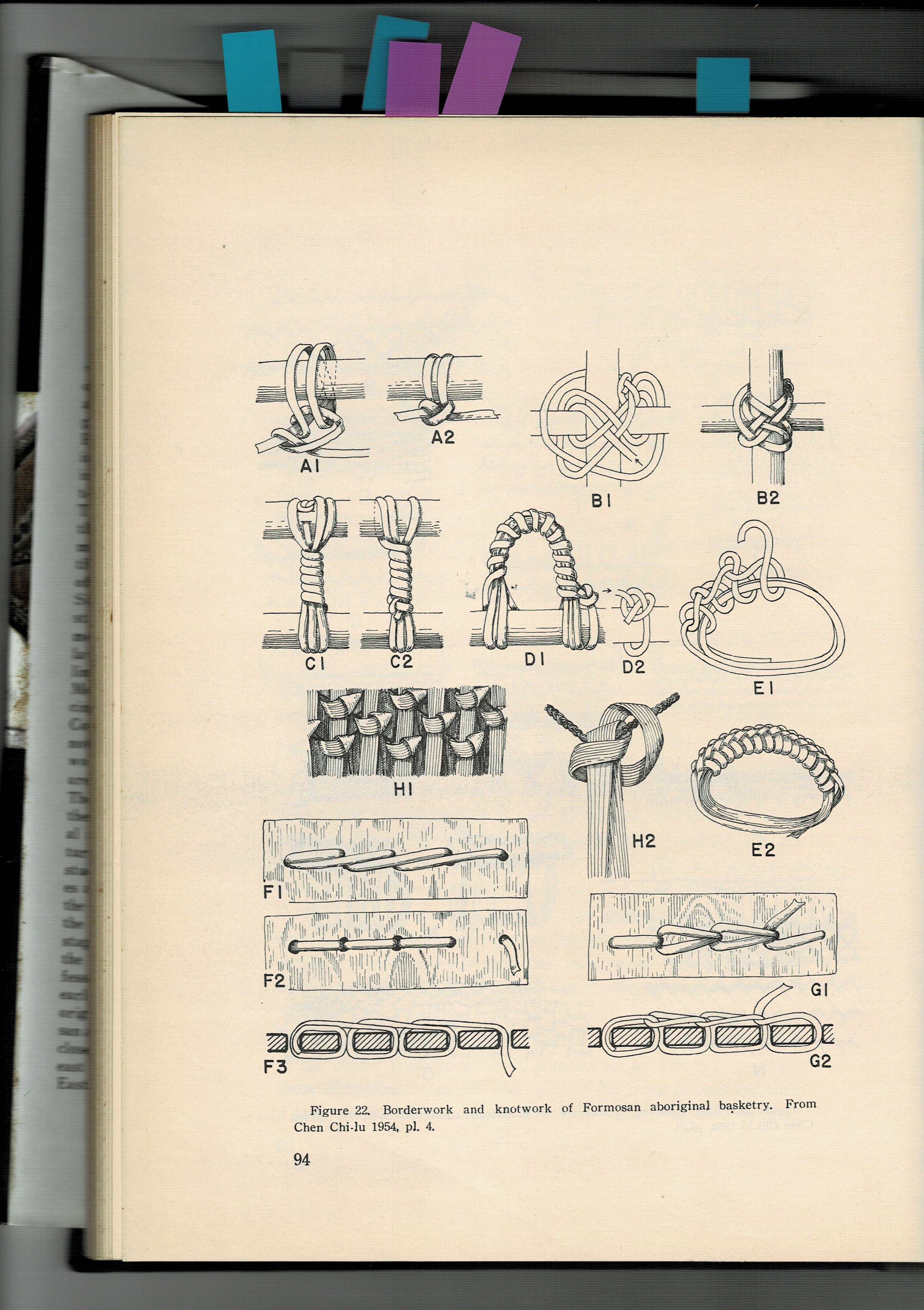
One day I realized that the word text comes from the Latin texere, to weave. Speaking and writing are bound to the act of weaving meaning, so every text, every interpretation, carries something of craft within it. There is a certain beauty in this root—a way ancient people understood action. Even through centuries of upheaval in society and technology, our humanity remains linked to those earlier times. The weaving of a life is the weaving of memory, shaped through encounters and the slow repetitions of everyday living. These moments are full, tightly interlaced, and never linear.
20
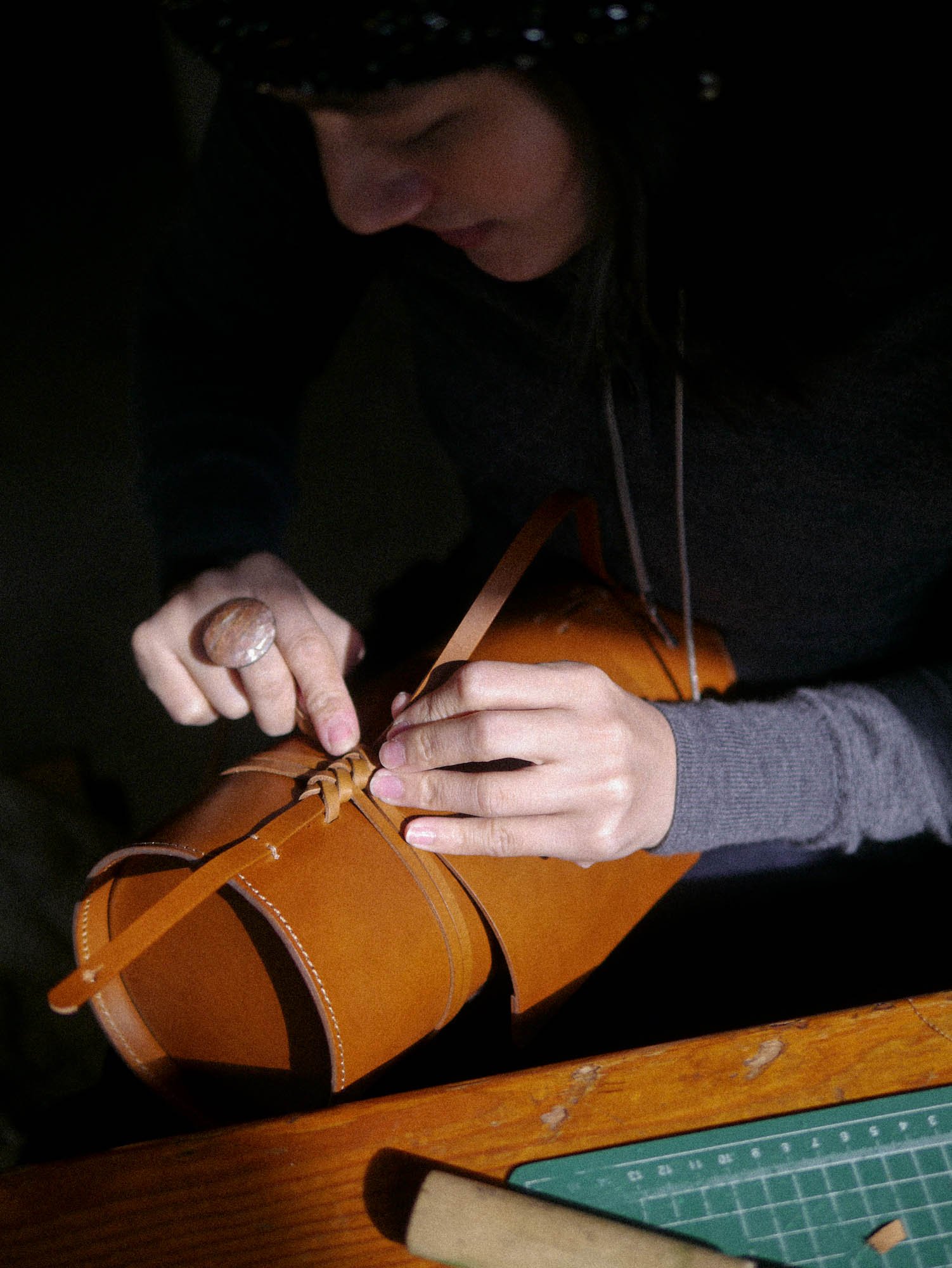
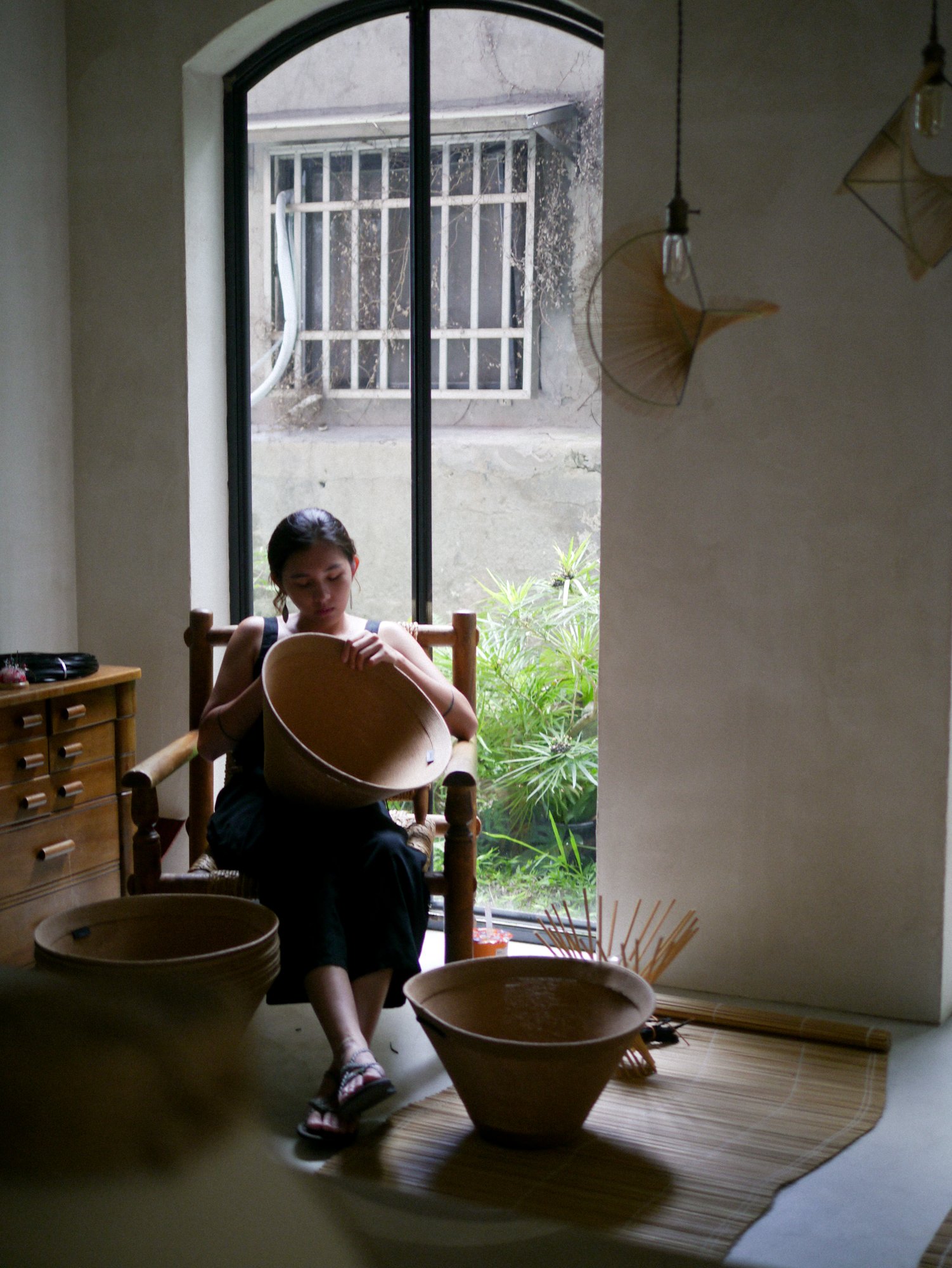
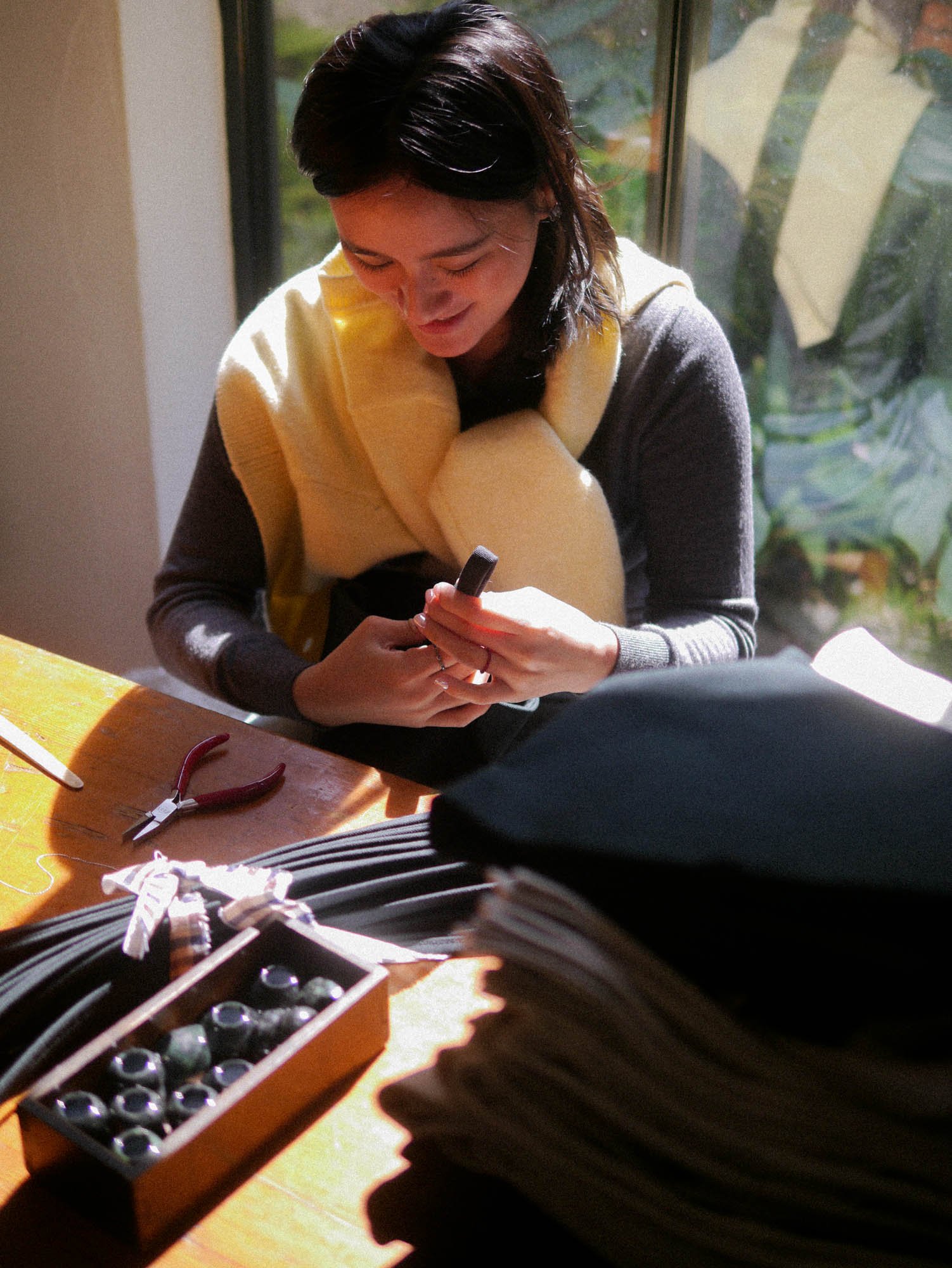
我後來才發現我的手可以創造很多東西,今天 nacu 在說她的年度 review,我都這樣想然後每天編織,就會有很多樂趣。 無盡的編織,可以是一種虛無,可是當已經知道無盡,還是一直持續編織,虛無好像成為自由,因為已經看到盡頭,於是每個過程都是當下,不需要意義來支撐,因為編織這件事本身就是目的。
"One day I realized my hands could create so many things," Nacu said. "I weave with that thought every day; it is full of joy." Endless weaving could be emptiness. But to see the end and keep weaving, that emptiness becomes freedom. Each moment is the pure present. It needs no meaning to sustain it. The weaving is itself the purpose.
03
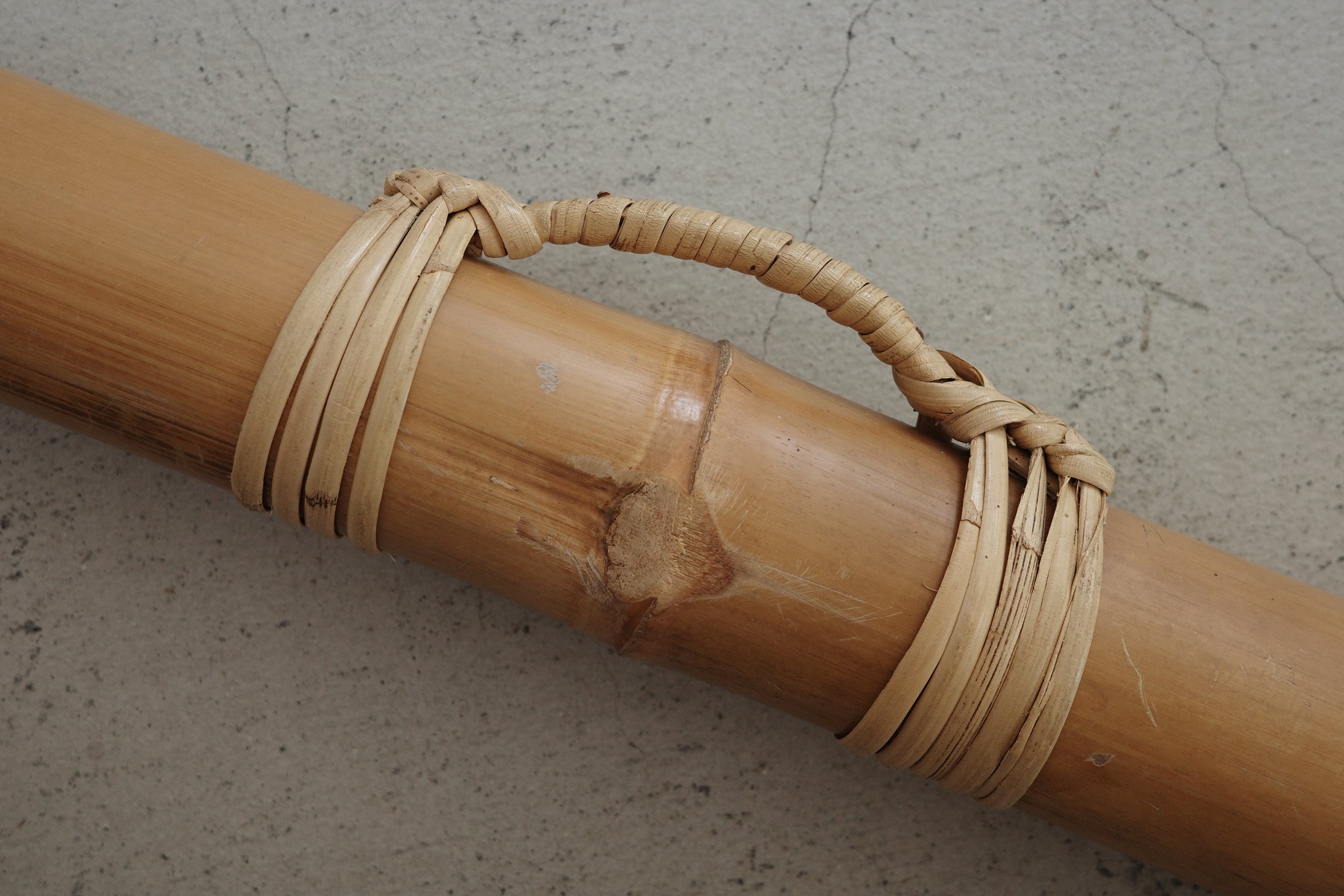
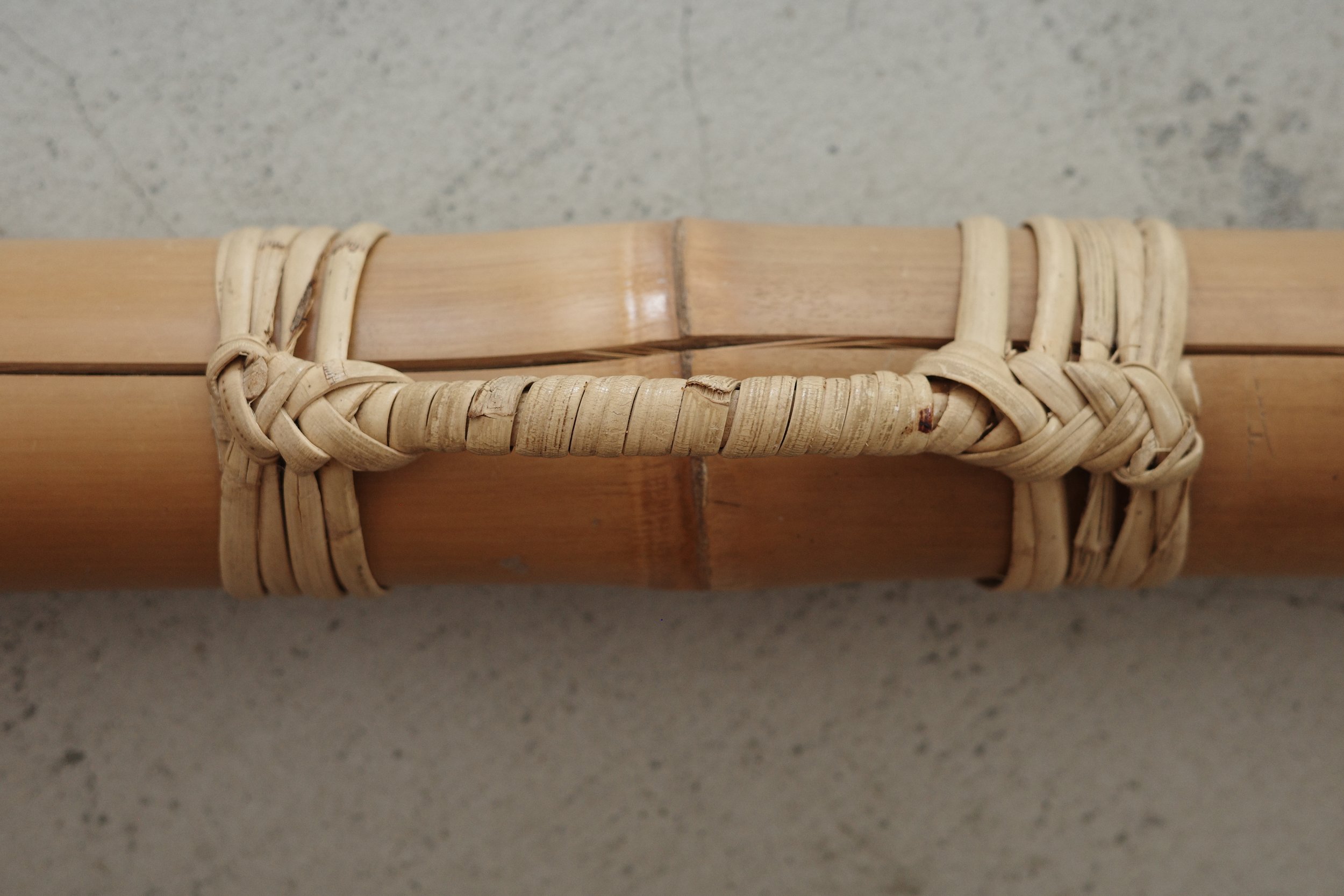
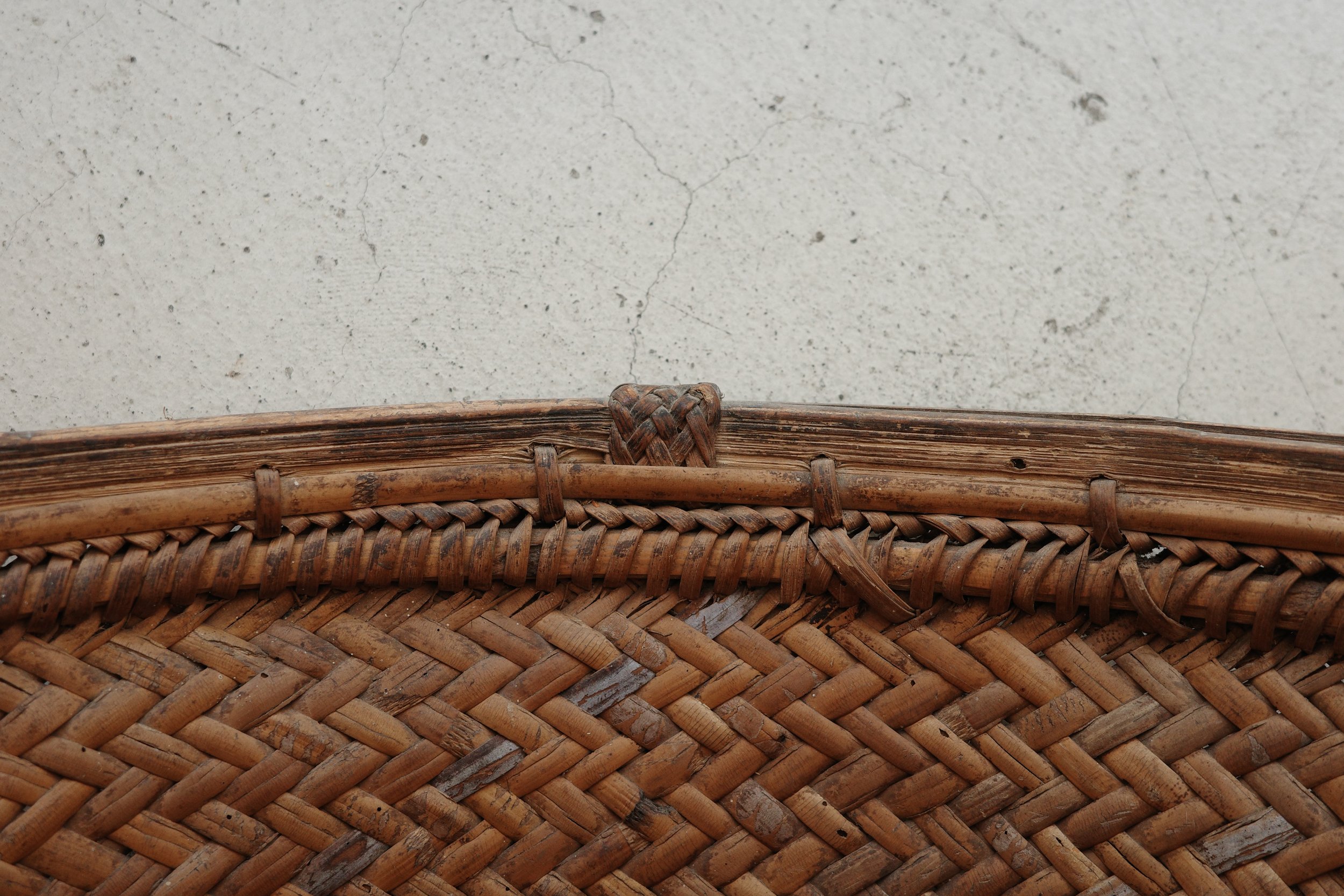
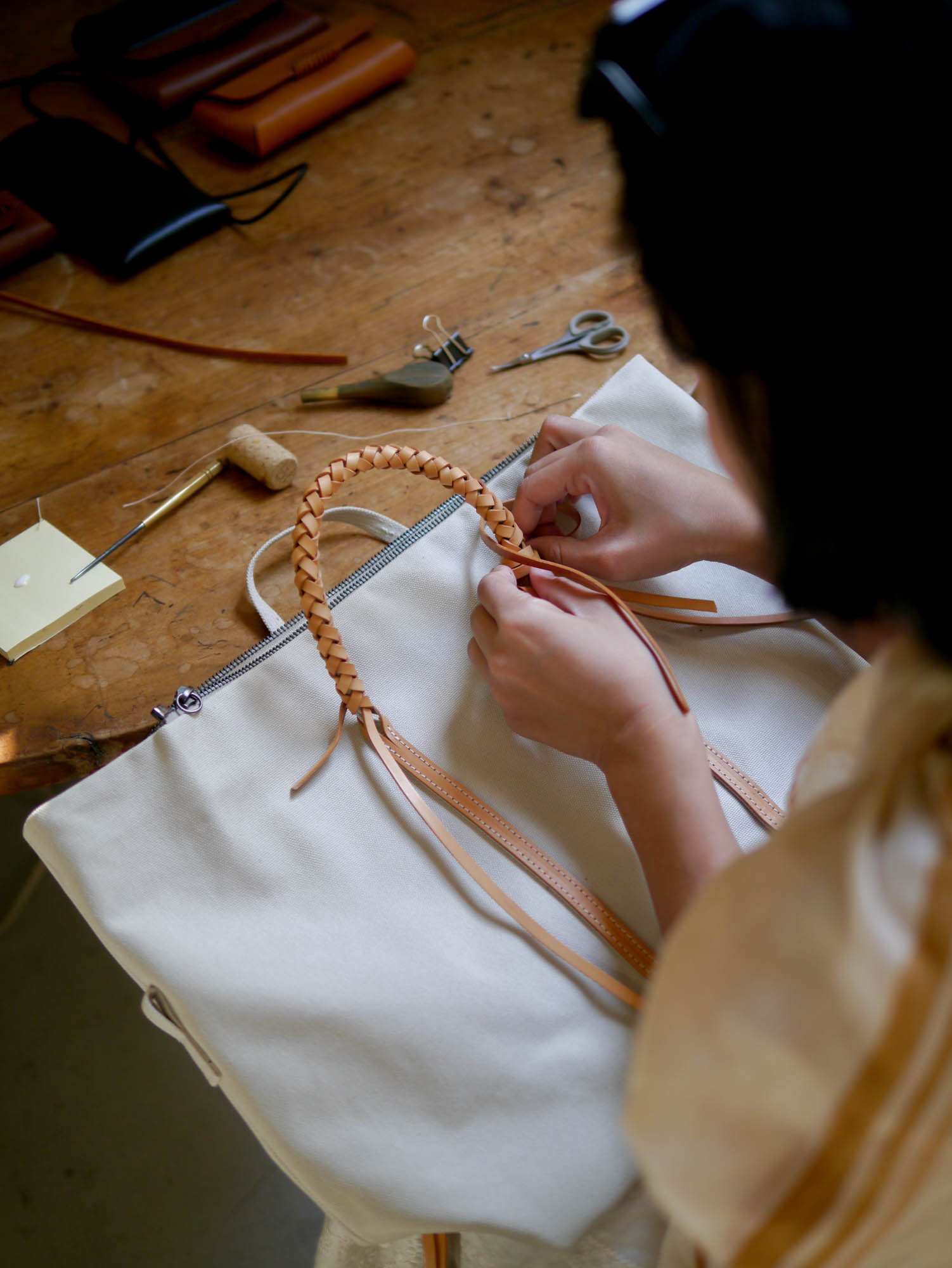
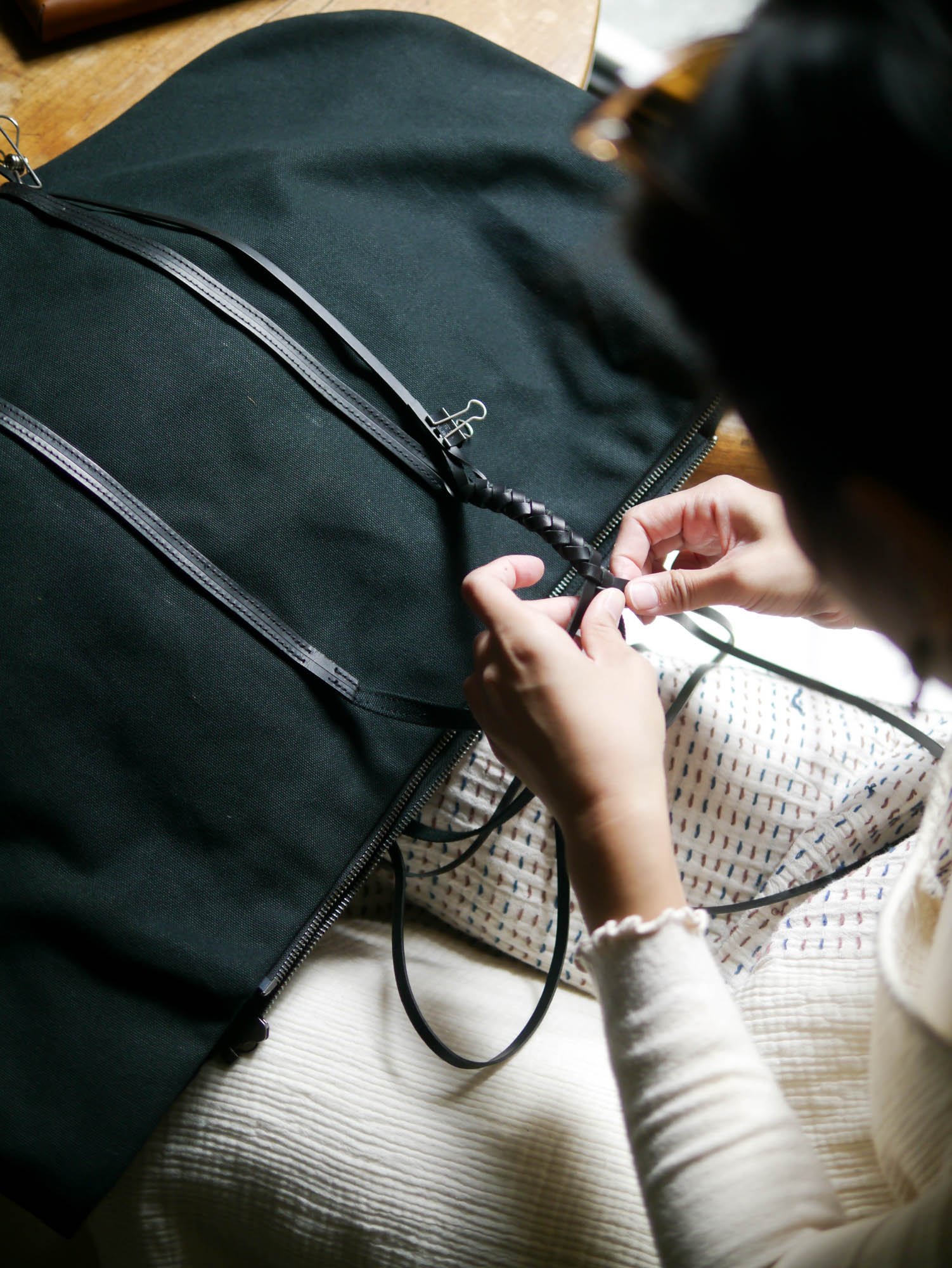
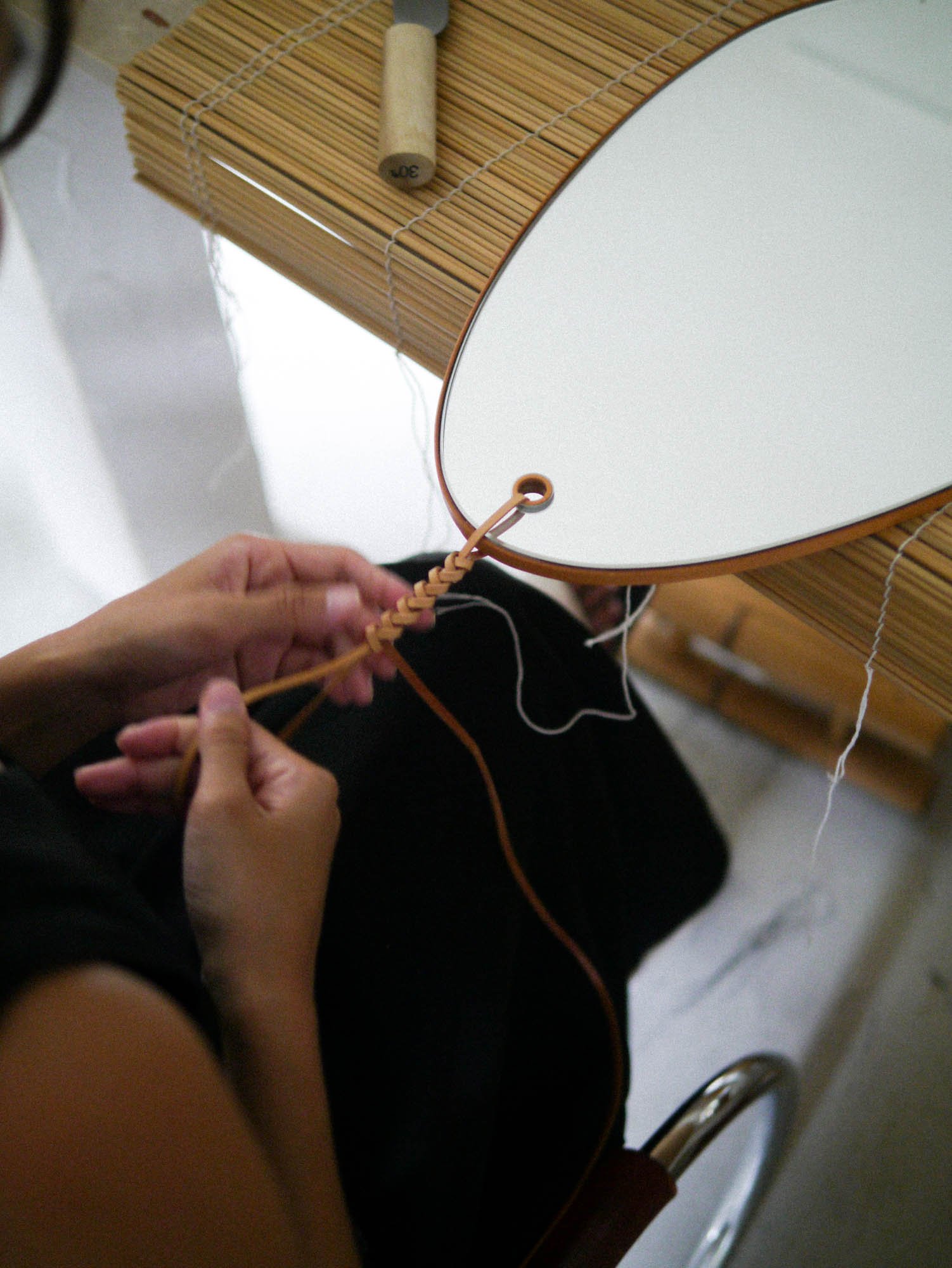
編織要有力氣但是手放得鬆鬆的,讓編織之間有呼吸的空間,於是提著握著的時候,有手感的層次 也像是世界各個角落的人們,在工業化之前,也是長時間聚集在一起編織,在這之中扎根了社會結構,然後流轉著各種對話和故事 「你若編織,你將站在許多世代傳統之中」很久以前抄的一段話,一直很喜歡
Weaving holds a tension of strength and looseness—the hands firm enough to shape, yet relaxed enough to let the weave breathe. In the hand, it carries the weight of layered touch. It was the same across the world before industrialization, when people gathered for extended time to weave together. In that space, social structures were rooted, and conversations and stories passed through. “If you weave, you stand within the traditions of many generations.” It was a line I once noted down, and have always kept close.
01
我從二十幾歲跟你們一起邁入三十幾了,今天 nacu 説。很多個年的不斷編織,想到波特萊爾筆下始終相同的東西(das Immerwiedergleiche)裡的新事物,是指每天編織的物件,還是歷史從過去到現在不斷重複的相似結構。 編織,或者每天的生活經驗,或者背後的文化實踐,是這樣的細微真實的動作,沒有宏偉的敘事,只有這些跳躍的記憶片段,像星群之間的微微閃爍的小光芒。
“I’ve stepped from my twenties into my thirties with you,” Nacu said today. Years of weaving bring to mind Baudelaire’s das Immerwiedergleiche—the ever-same in which something new appears, whether in the objects woven each day or in the recurring patterns of history itself. Weaving—whether in life as it is lived or in the cultural practice behind it—consists of gestures that are subtle and real. There is no grand narrative, only fleeting traces of memory, like the faint glimmer of stars in a constellation.
02
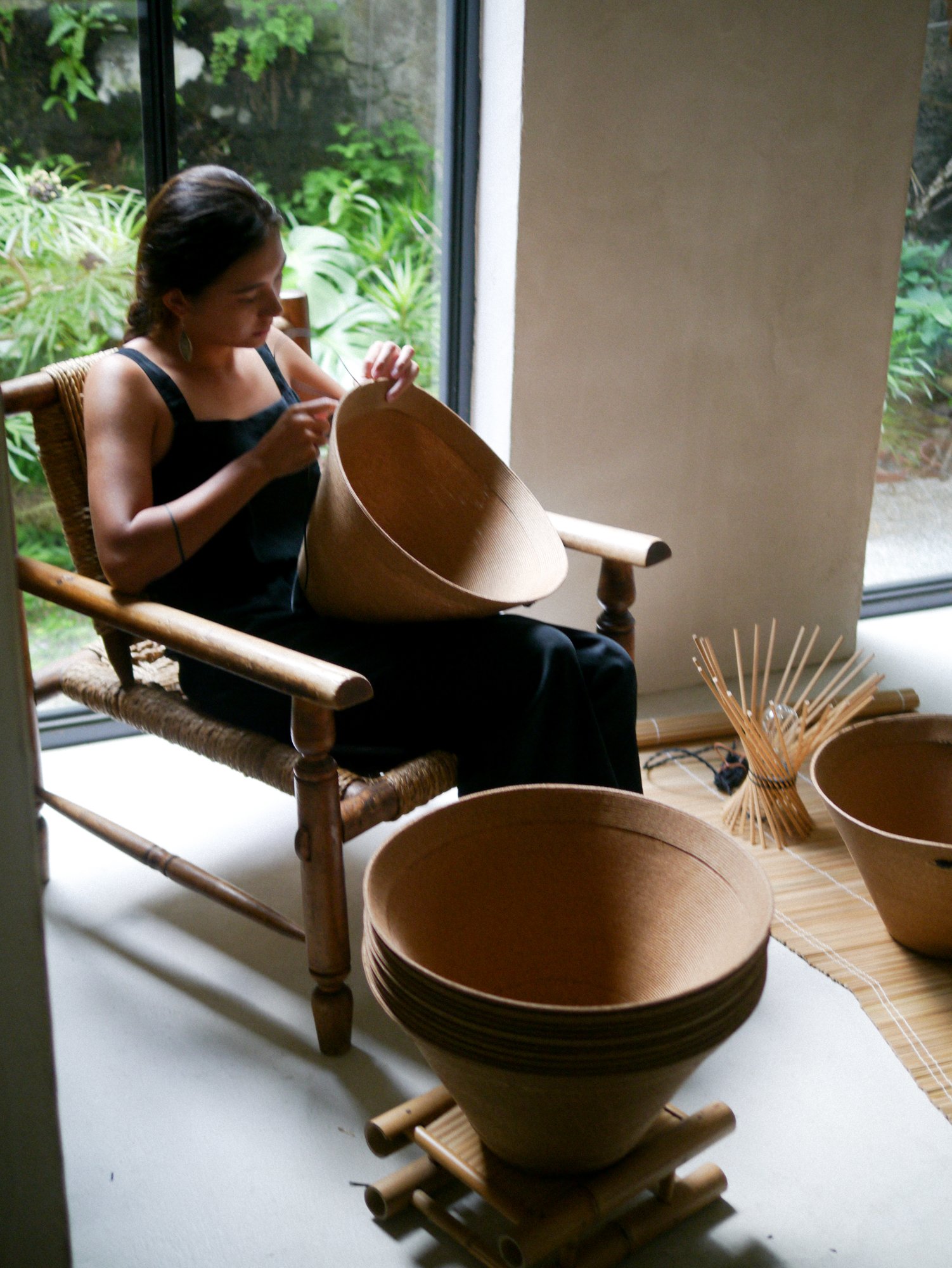
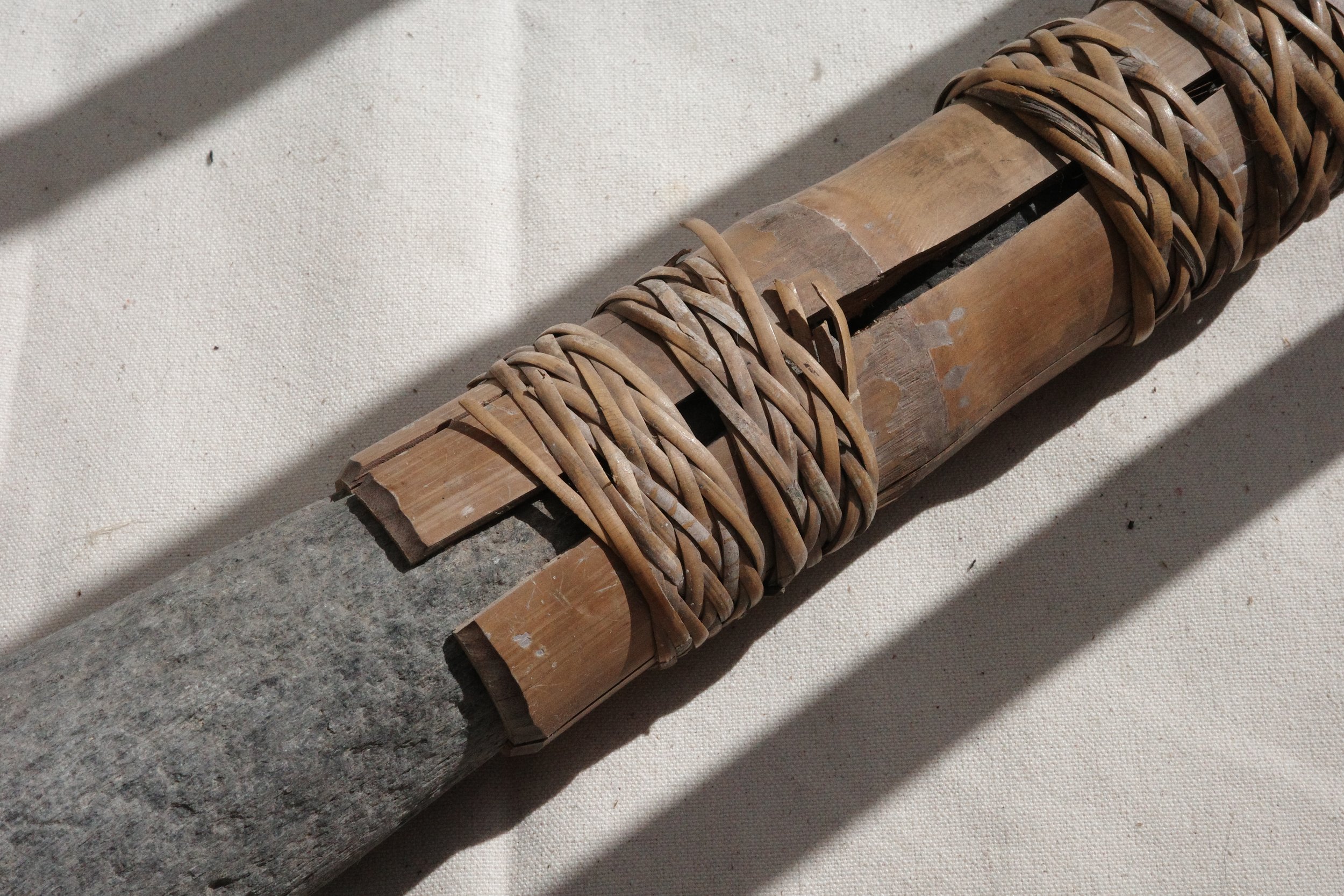
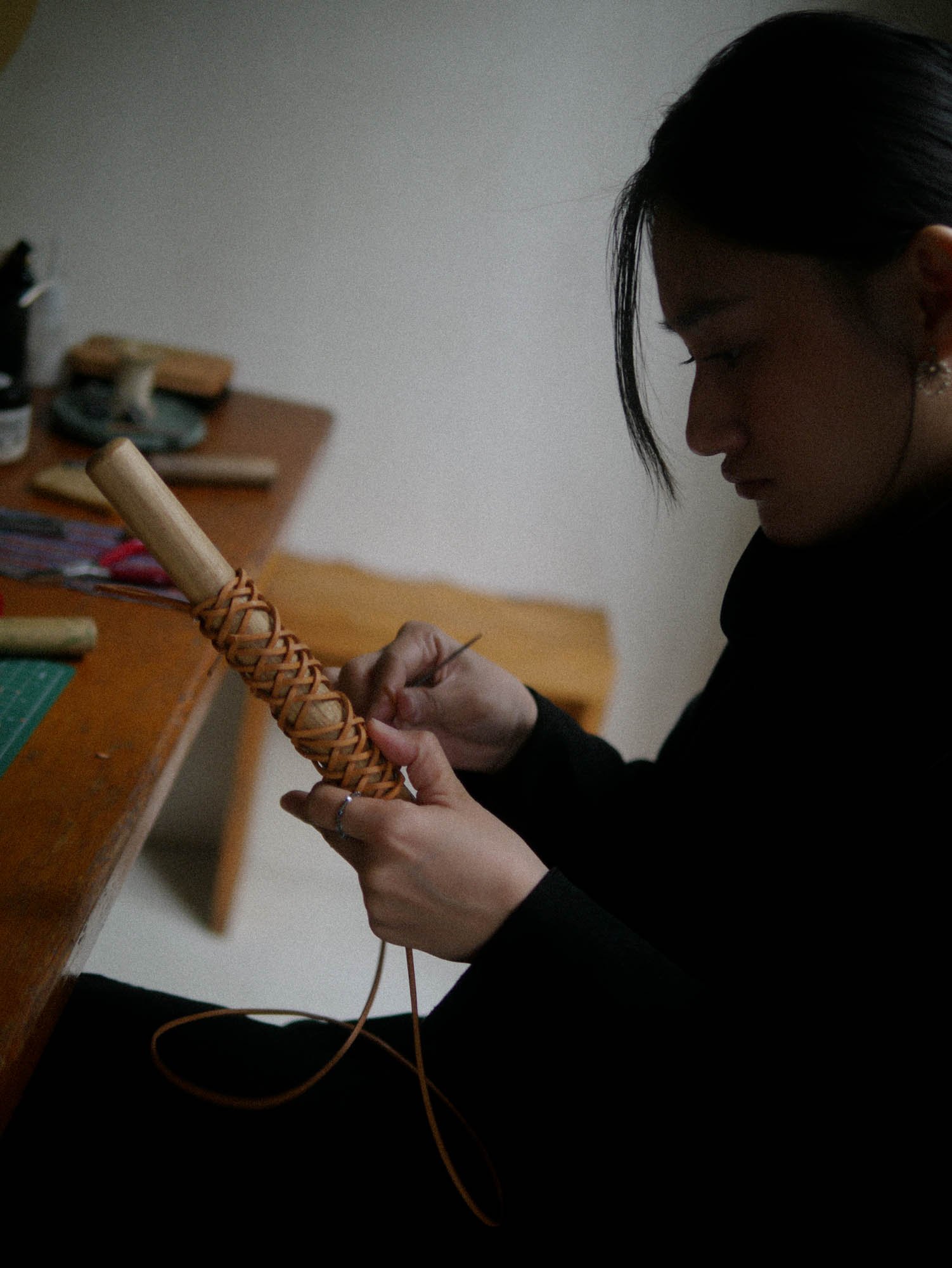
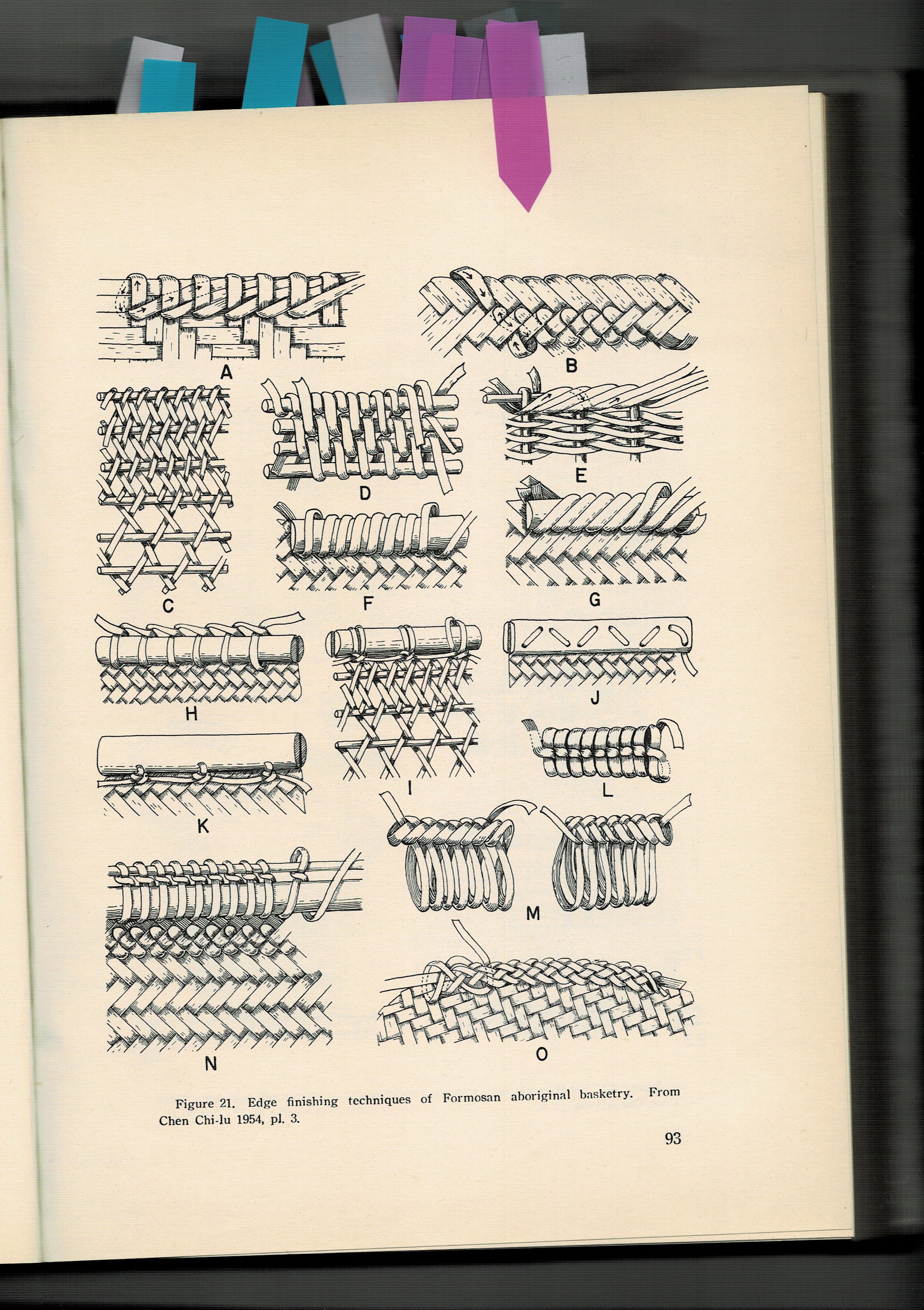
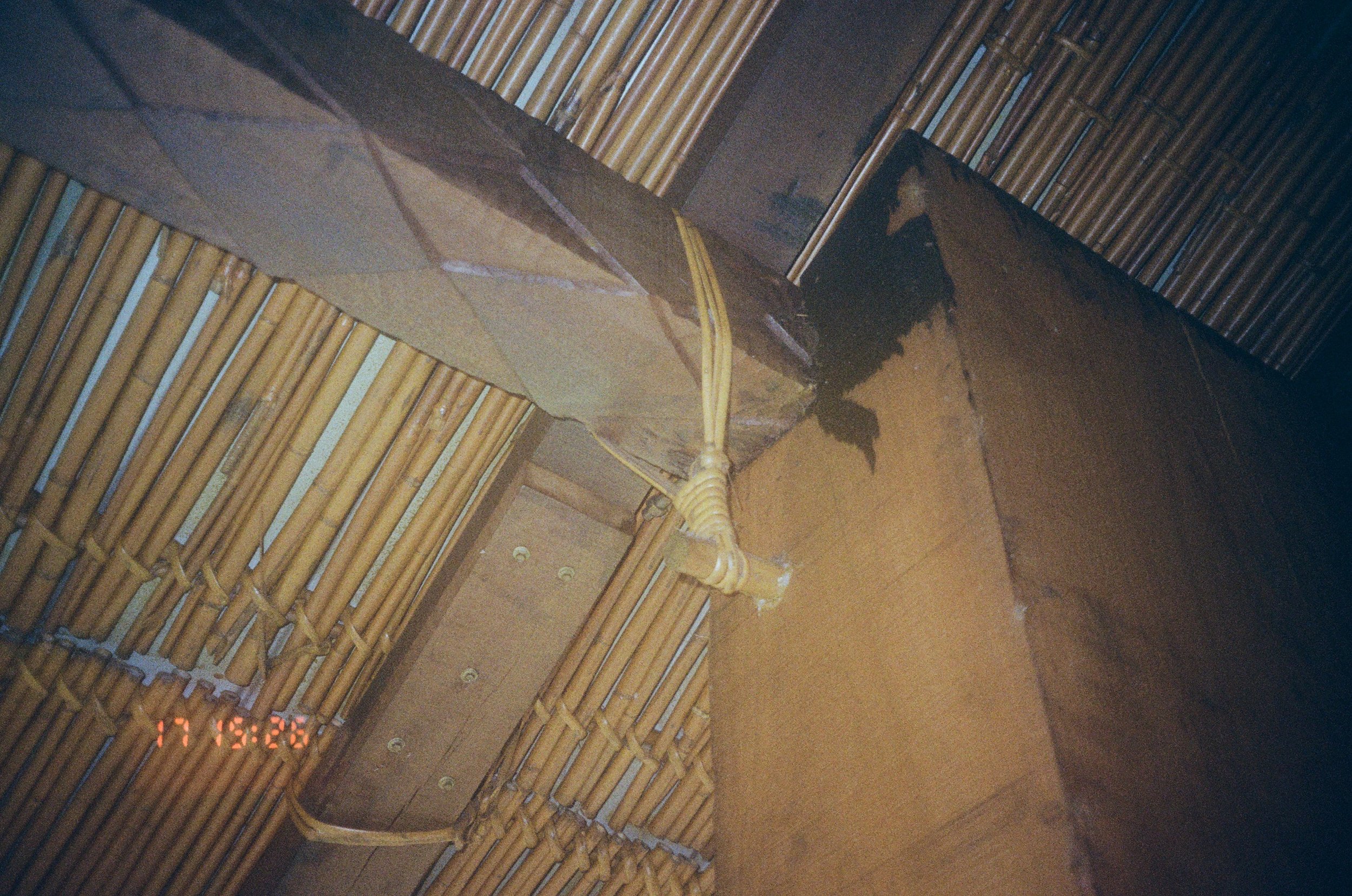
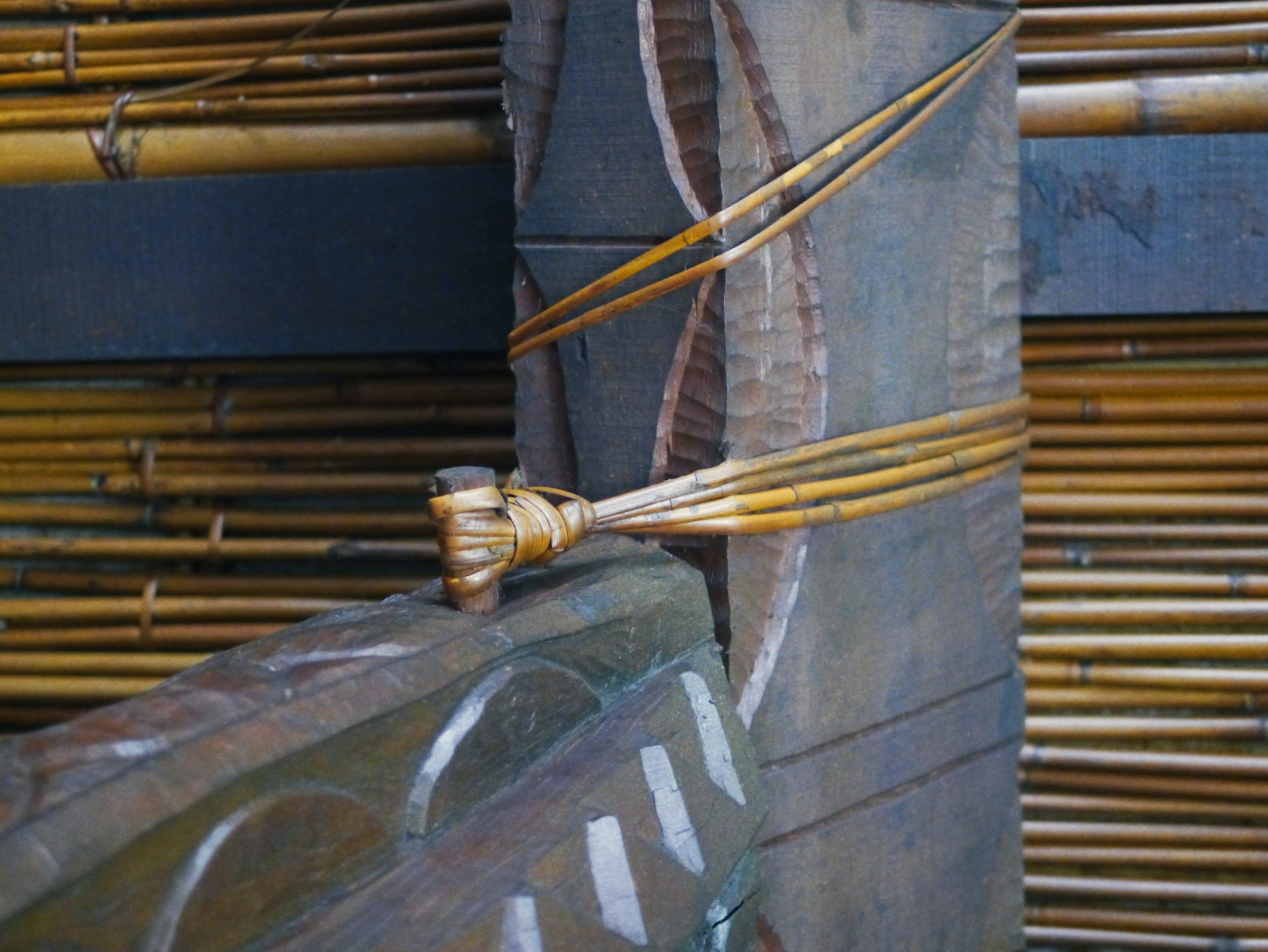
「看你是要做什麼,而利用什麼方式製作,而做出來的東西叫什麼名字而已。」在學習螺旋編織 kopol 藤帽的時候,roit 阿公是這樣跟 badagaw 說的。 「做一百個物件,不如一個步驟做一百遍」,roit 阿公說。 「只要摸到產品,我都認得出來是哪一個工藝師做的」伊麥說,每個人有自己編紋,即使同樣的收尾方式,也有各自用刀的差異。
“What matters is the making itself, not the name,” said elder Roit to Badagaw while teaching her to weave a spiral kopol rattan hat. “One step done a hundred times holds more weight than a hundred objects made once,” elder Roit added. “I can always tell which craftsman made a piece just by touching it,” said Imay. “Everyone has their own weave. Even with the same finishing, each hand leaves its own cut marks.”