canvas & jade — 帆布與玉石
Written By yunfann chang
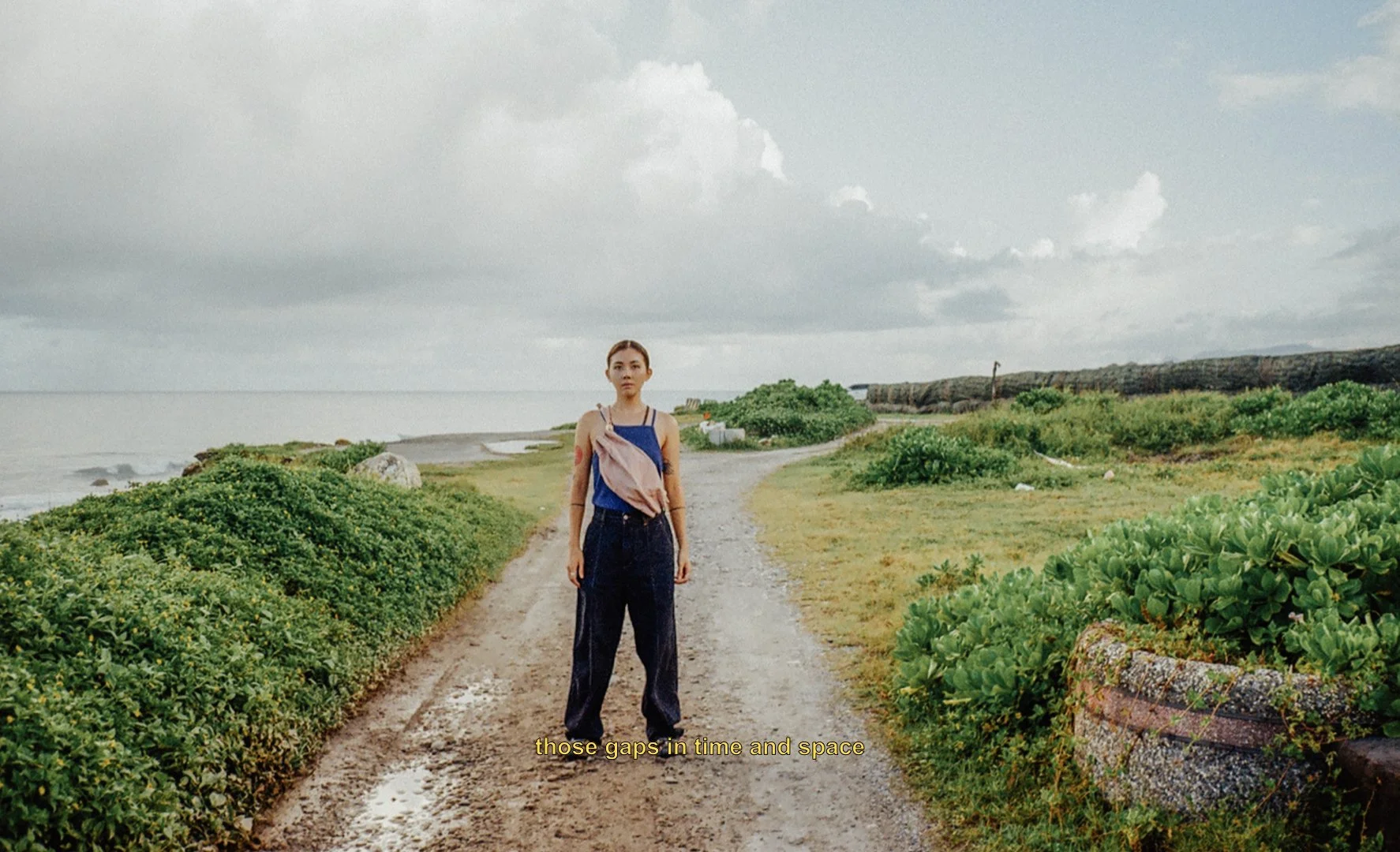
01 地平線 Horizon
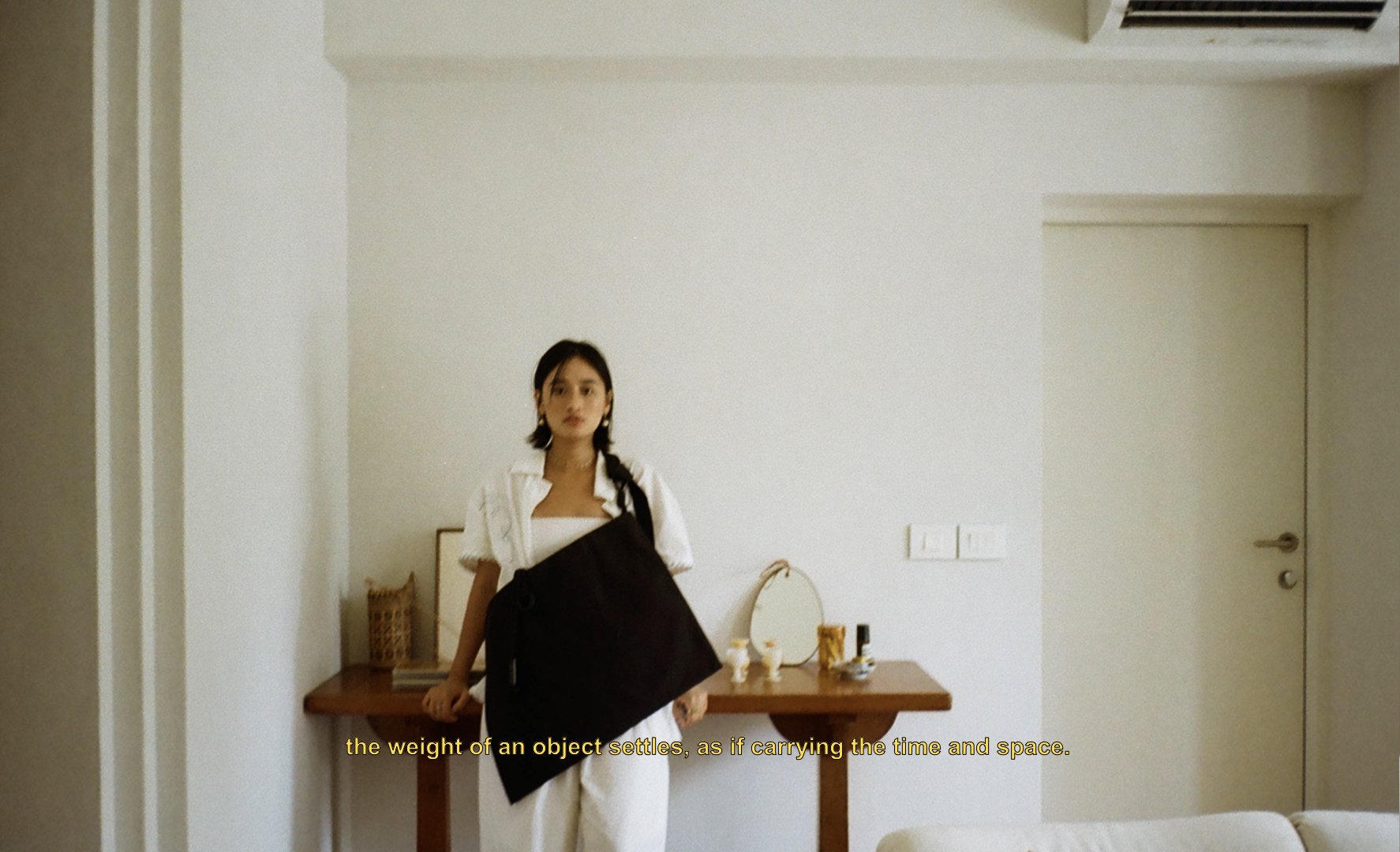
我們可以做更自由的東西了,nacu 認真的說,每天編織的人,在反覆熟稔的編織裡穿梭遊走後,會生出一種由內而外的動力,醇厚完滿。
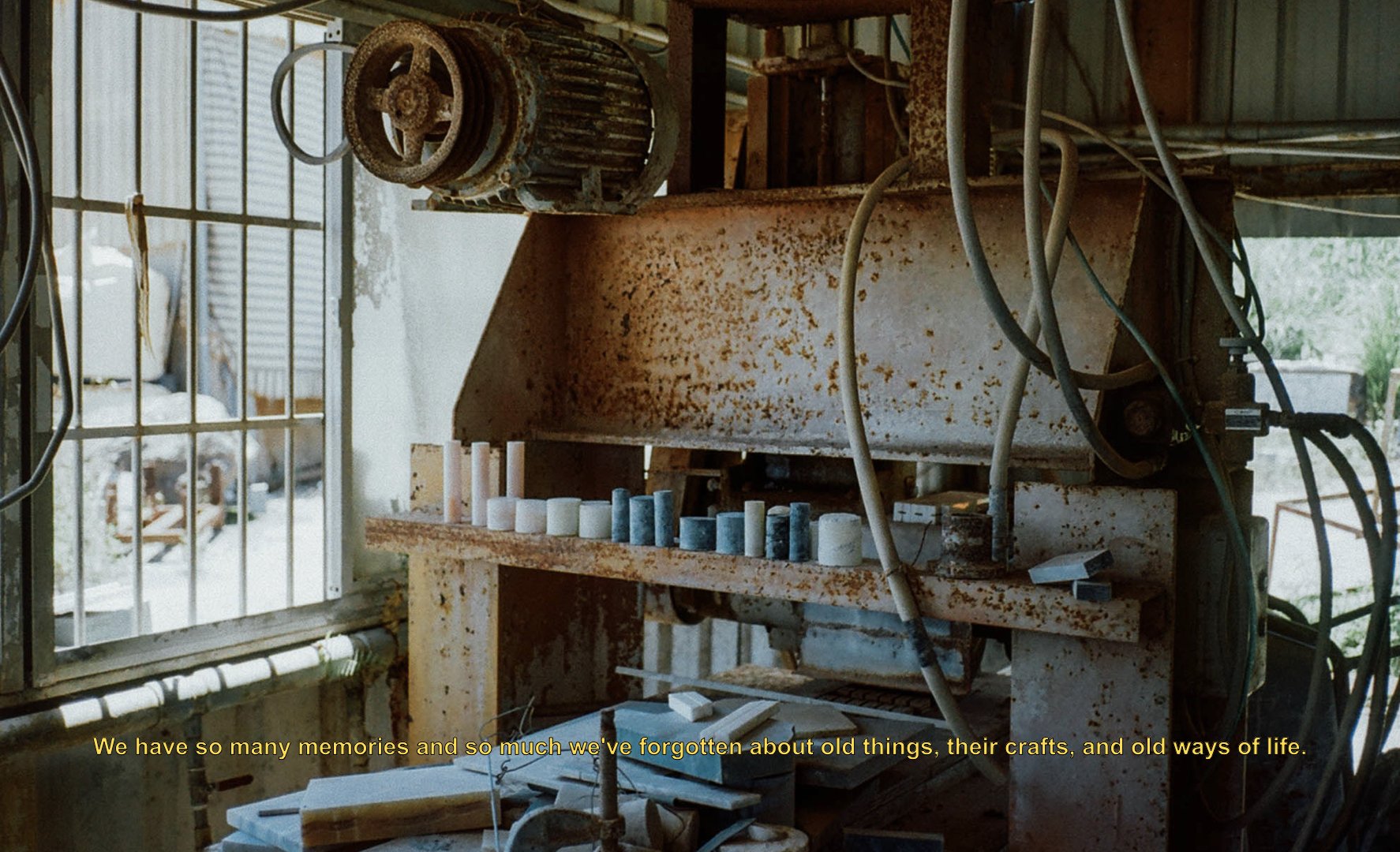
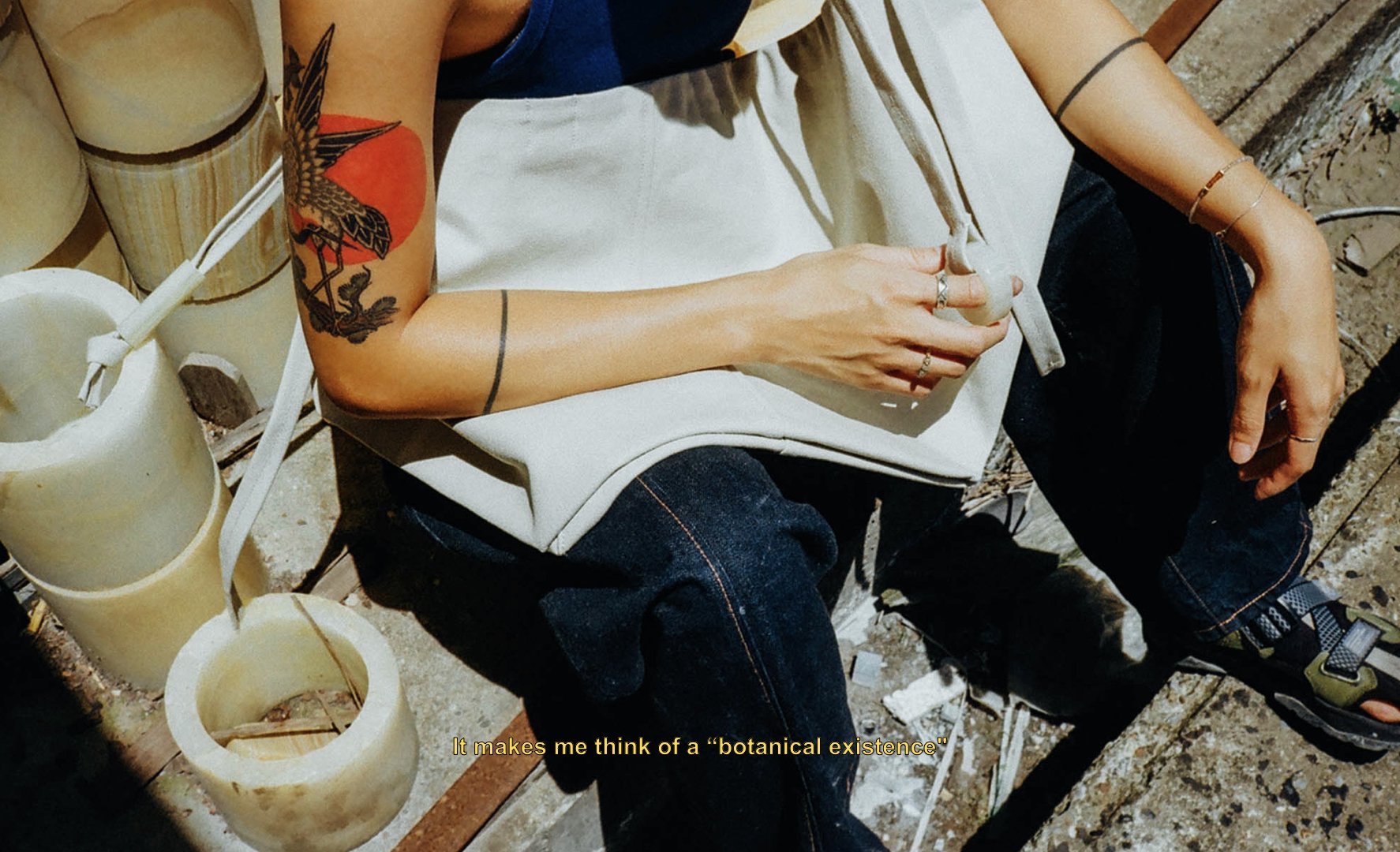
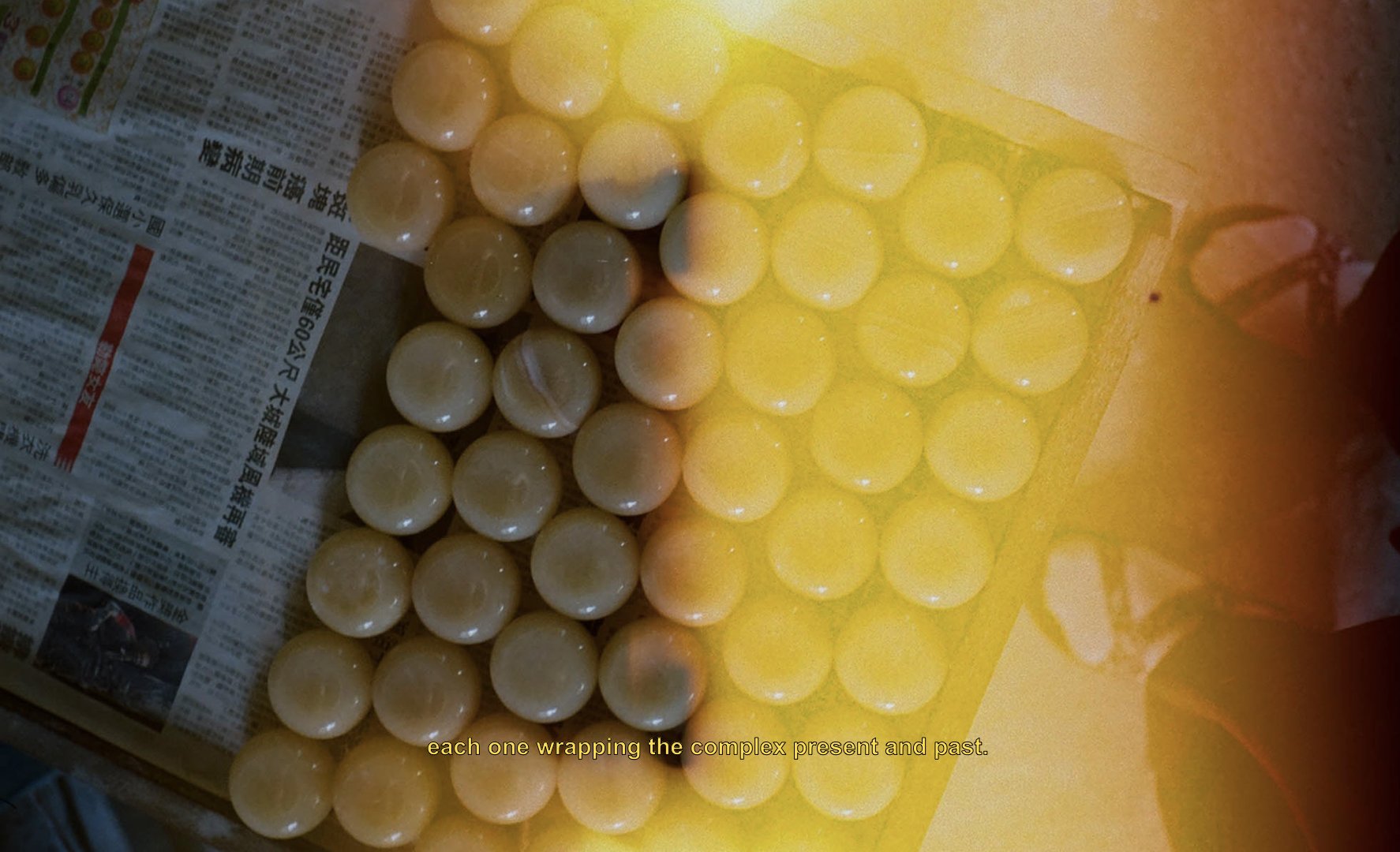
在很多個回花蓮工作室的晚上,我們會去石藝大街晃晃,買幾個紅龍玉的小花器,或是青玉石的小杯子,那裡有種侏儸紀公園式蕭條,老闆會碎碎念工廠都收掉了師傅都退休了,又同時滿意地說你看這個石頭車工多厲害,那是做了一輩子的師傅才有的手感。去工廠的時候,老闆會說,幾十年幾百個模具,都要整理清掉了。
有的時候,人們抽離的懸浮觀看,那些消褪的工藝自成一格的輝煌體系,有種無缺而封存的美好狀態。我們總是相信封存與轉折,只要封存,遙遠的某一天就會在那個時刻重新打開,每個東西會找到自己當代的樣貌。
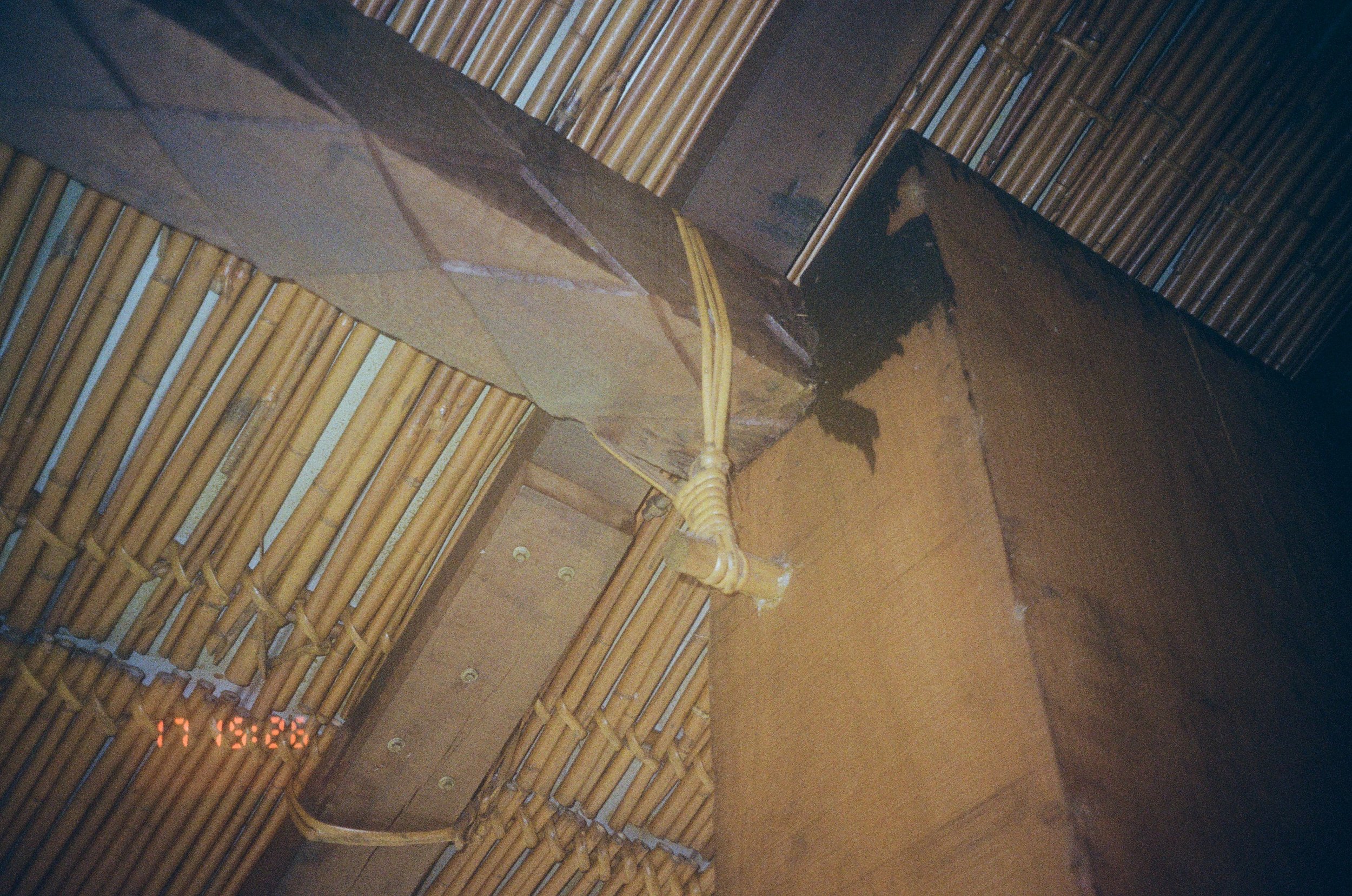
來自家屋樑柱的縛結,玉石的剔透結晶,是工藝和地層的封存。
用很長的時間累積做一件簡單的事情,像是地層的結晶,最終會回到簡單的材質,像是平淡悠遠的地平線。
"I think we can make things more unbound now," Nacu said with resolve. For those who weave every day, the repetition cultivates an inner momentum, a force both rich and free.
On evenings near the Hualien studio, we often wander the Jade Craft Market. There’s a Jurassic Park quietness there. Shop owners still point out the precision of a cut, a touch that takes a lifetime.
Sometimes the gaze drifts, seeing those fading crafts as complete, self-sufficient systems. We believe in archiving and the hinge of time. Once sealed, a piece will unfold again when the era shifts, finding its contemporary form.
The knots that bind house beams and the crystalline layers of jade are the archives of both craft and deep geology.
To spend long years refining a simple practice is like the slow crystallization of the earth layers. It always returns to plain material, like an enduring, open horizon.
02 宇宙 Cosmos
有一天忽然發現,Kamaro’an 已經成為一個星球自己在轉動了,一個小星球,有自己的重力尺度,時間密度,還有世界觀,可以在星球遼闊的平原上奔跑,也可以在小坡上撒下種子,已經不會因為單獨的人事物而偏移軌道。
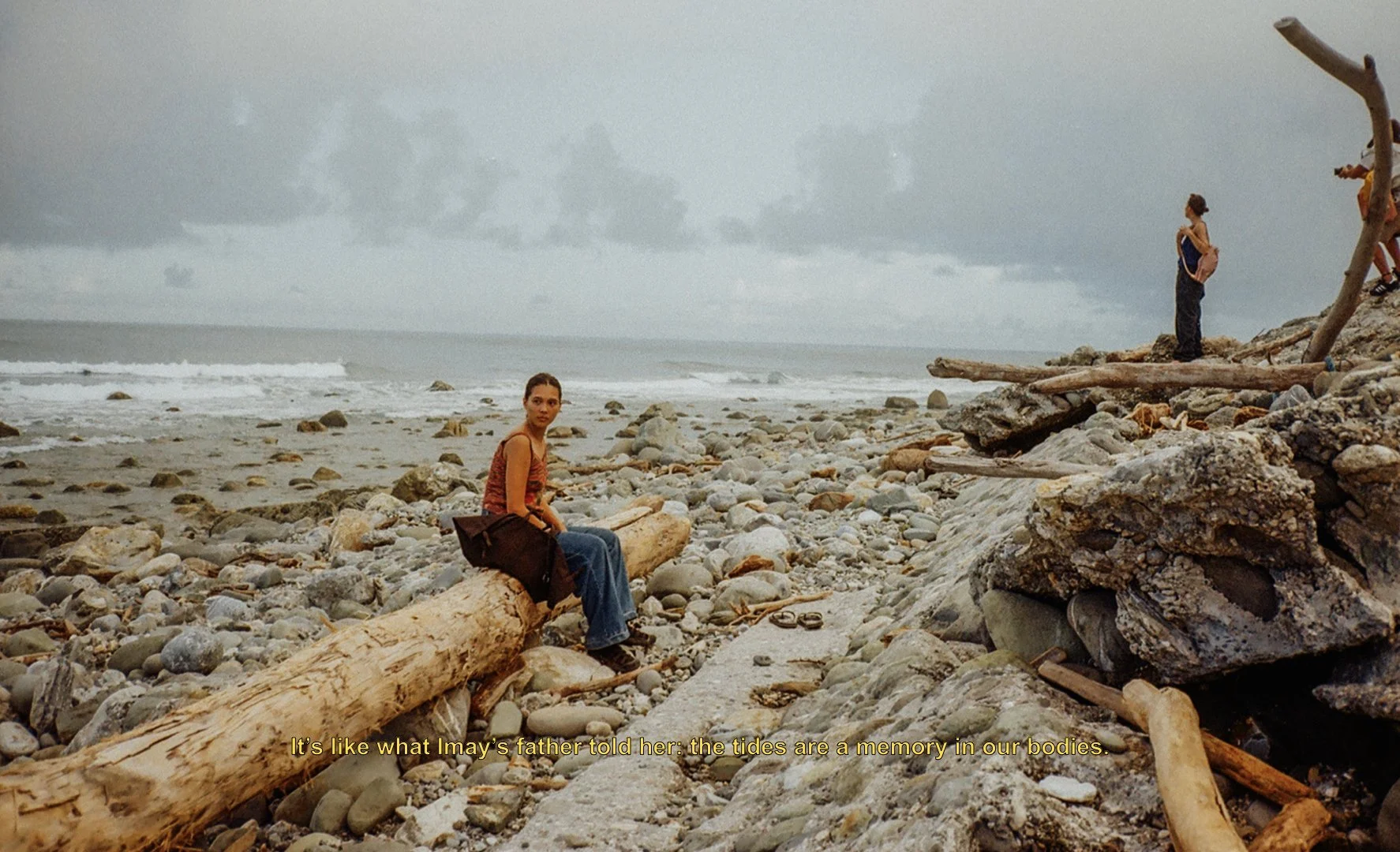
在浩瀚宇宙裡,眼前一片空無,往事變得很渺小,也是在這樣的寂靜之中,你才會觀測到隱藏在浮華世界下那些永恆規律,不斷重複生成的地層,潮汐,周而復始凝結出新的地形,而後清澈地閃閃發亮。
然後我們才知道,那些無垠的空無與完滿,其實來自最細碎重複的瞬間,那些家裡的永恆自在,小宇宙裡萬物的擺盪迴響,還有在滿格後溢出的一片清明。
It came as a realization that Kamaro’an had become a planet turning on its own. A small world with its own gravity, time, and sense of order. We can run across its wide plains or plant seeds on its small hills; it no longer drifts from orbit.
In the vast cosmos, space lies still and empty, and the past feels small. Only in this stillness do you begin to see the patterns beneath the noise, the recurring layers and tides that shape new landforms and shine clear again.
Then we realize that the boundless void and completeness come from the smallest repeated moments, the calm of home, the steady oscillation of our small cosmos, and the clarity that overflows when everything is full.
03 航海 Sailing
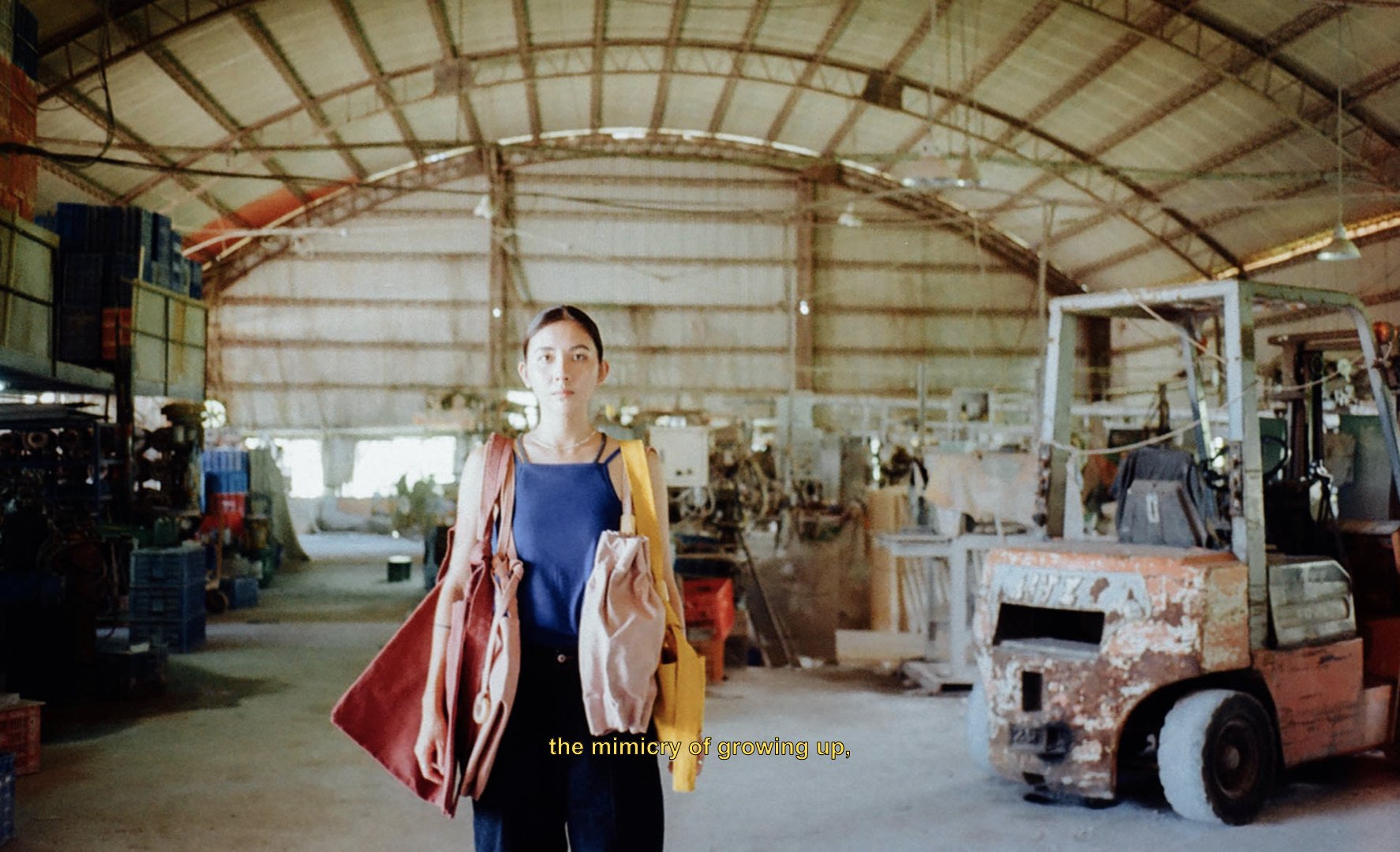
帆布總會讓我想起大航海時代,那些對未知世界的熱情和想像,耳邊會響起水手遠航的旋律,還有達爾文在小獵犬號留下的筆記,這些澎湃的人類歷史痕跡,最後交織在帆布的經緯上,扎實,厚重,然後陪伴人們繼續航行。
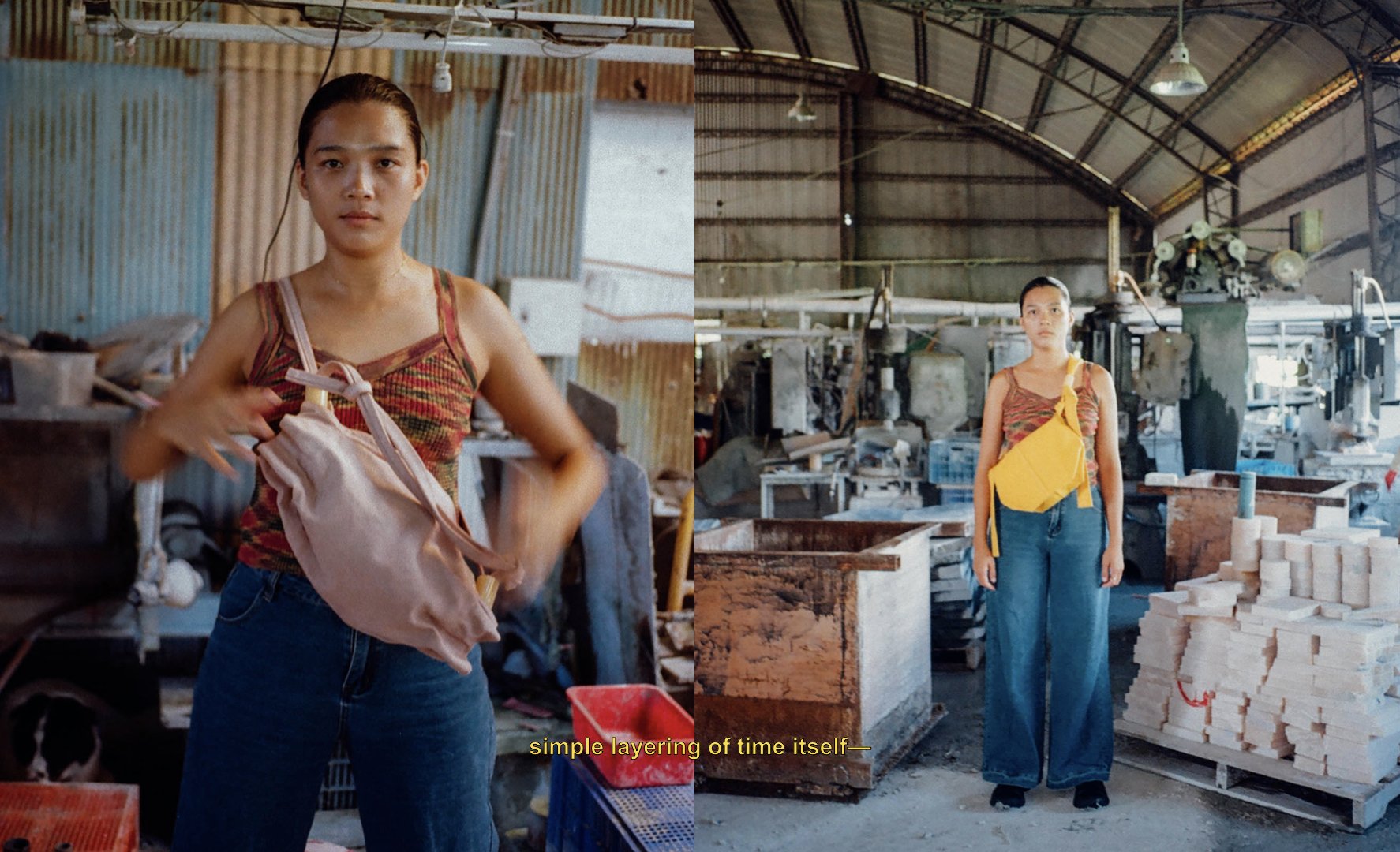
東海岸織物,那些物盡其用的方型剪裁,反覆折疊的結構,綁結構成的節點,質樸,耐用,健壯,可以重複修補,是很美麗的事情。
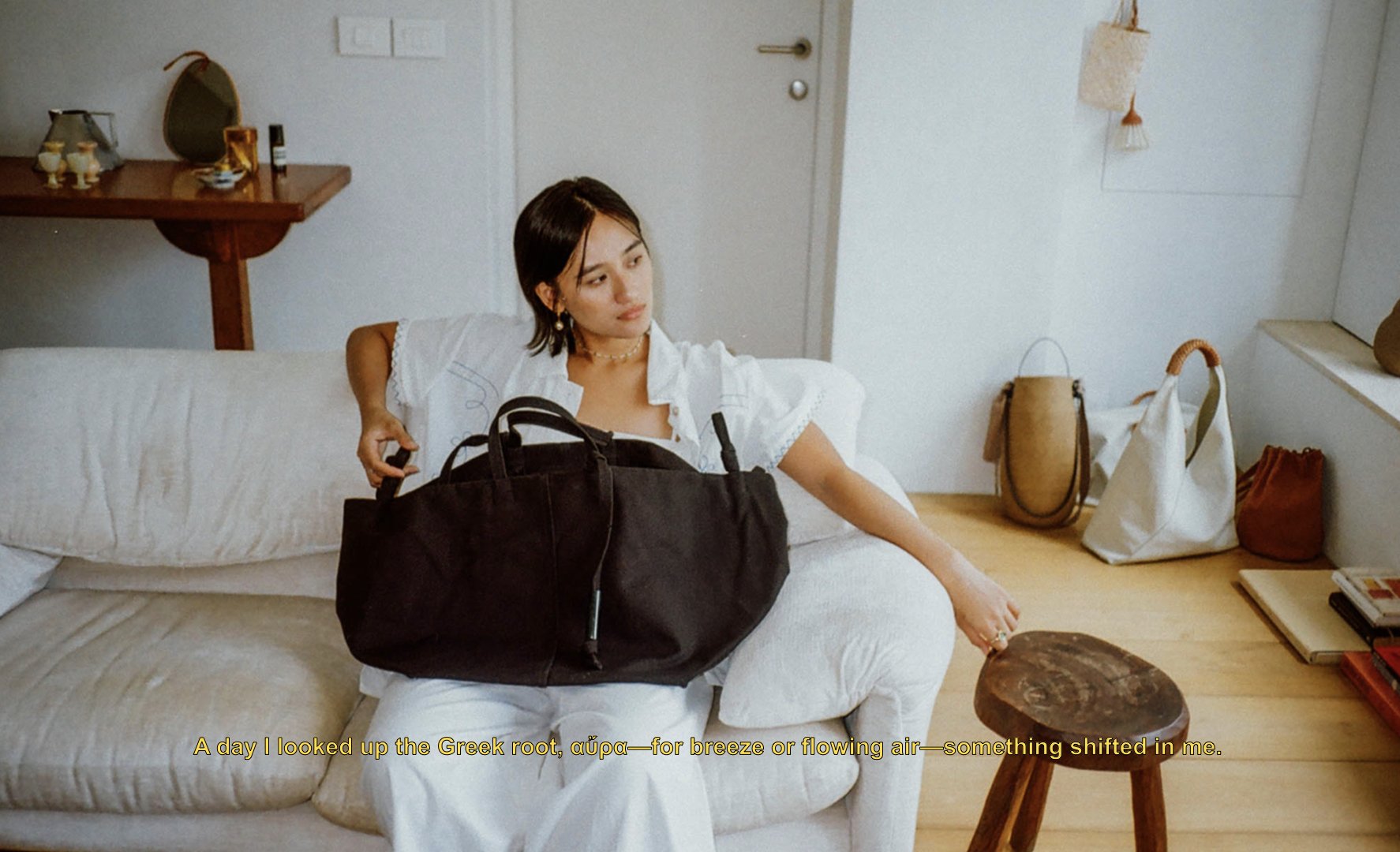
Canvas always makes me think of the Age of Sail: the passion and imagination for the unknown world, the distant melodies of sailors' voyages, and the notes left by Darwin on the HMS Beagle. These accumulated tides of human history eventually interweave across the canvas threads, making the fabric sturdy, weighty, and loyal as it accompanies people on their continued journey.
The endurance of East Coast textiles is a truly beautiful thing. It is seen in the full use of material, the close link to family, and in simple, durable, loyal forms: the square cuts, the repeatedly folded structures, and the binding knots.
invitation link
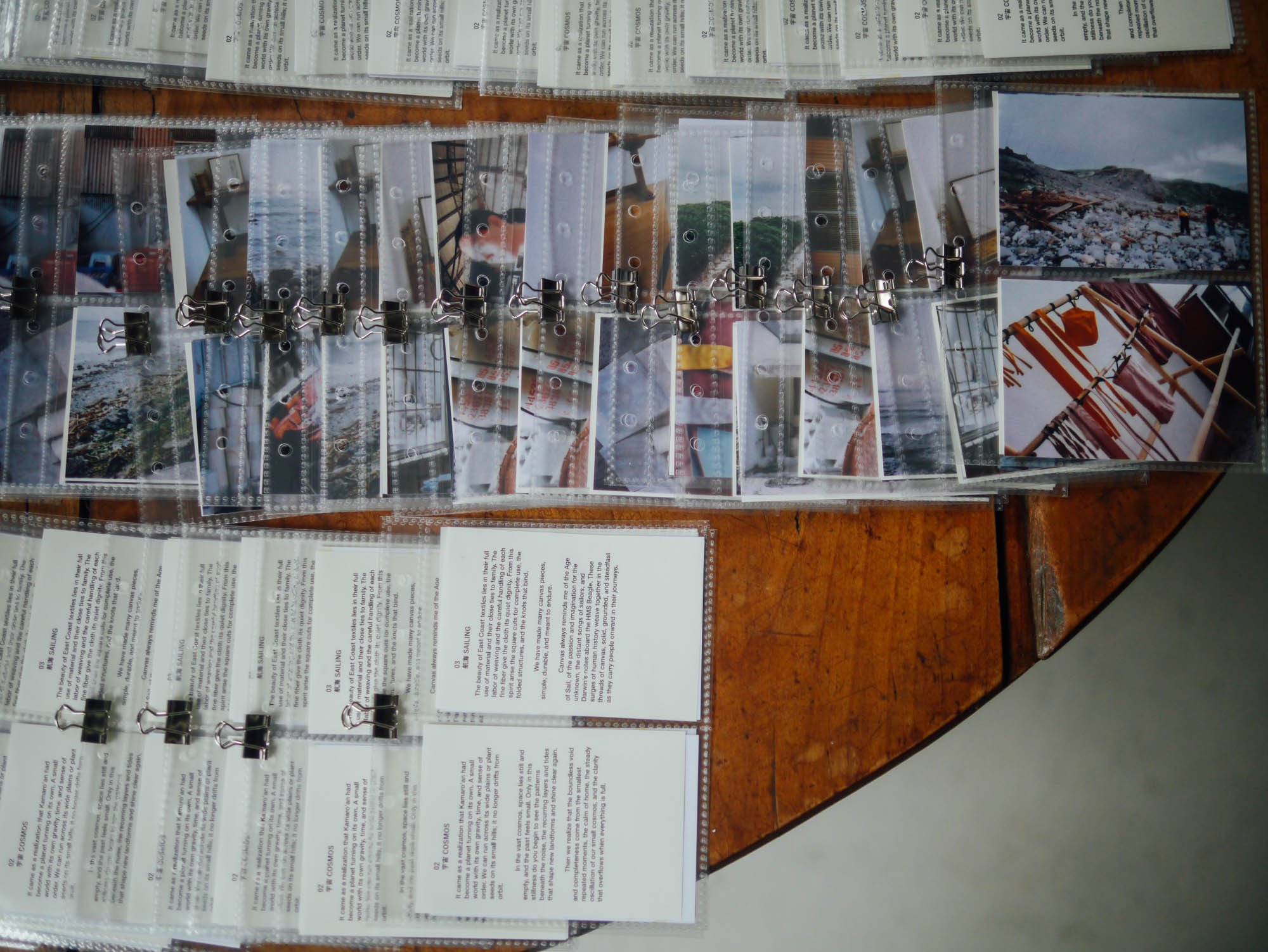
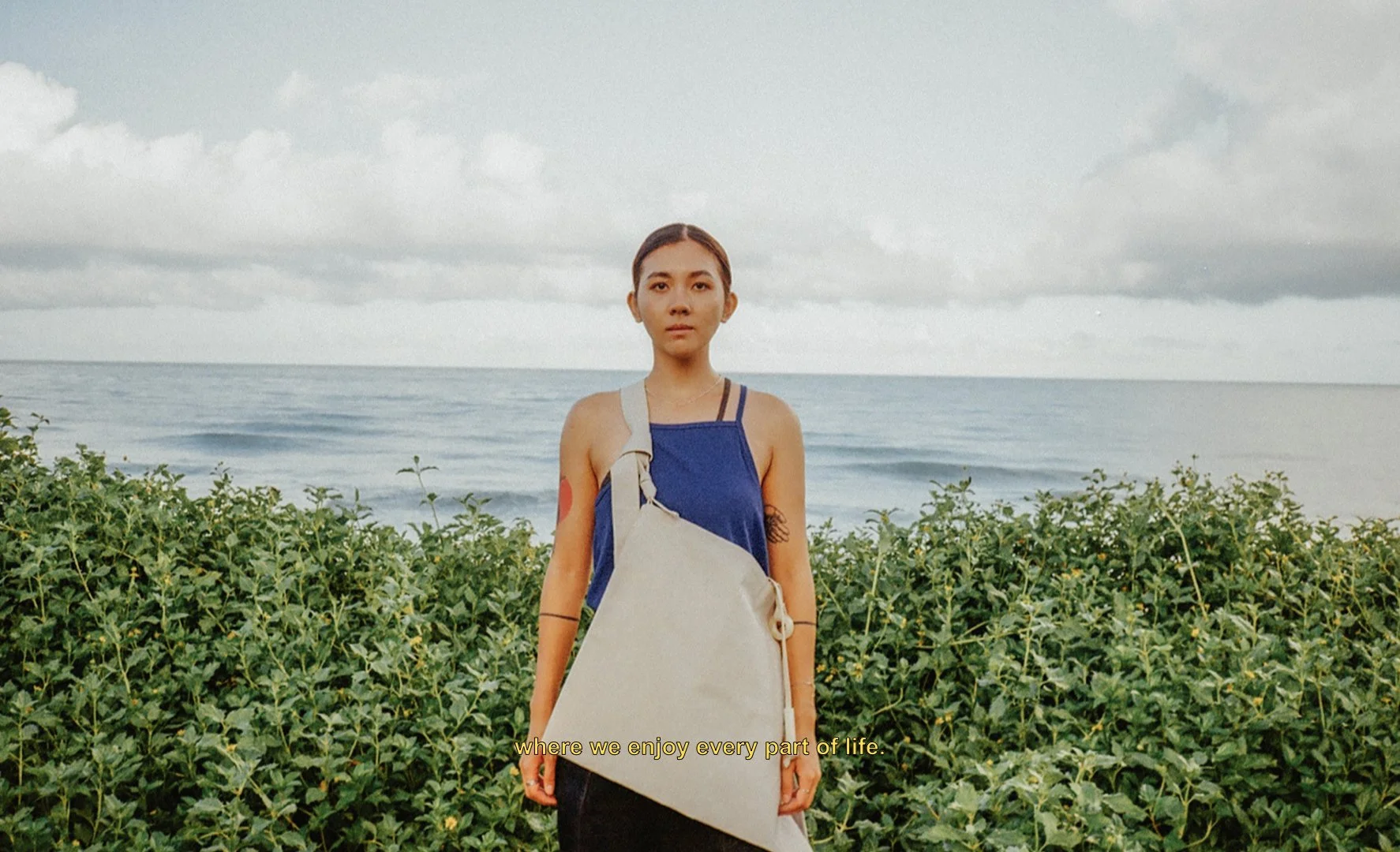
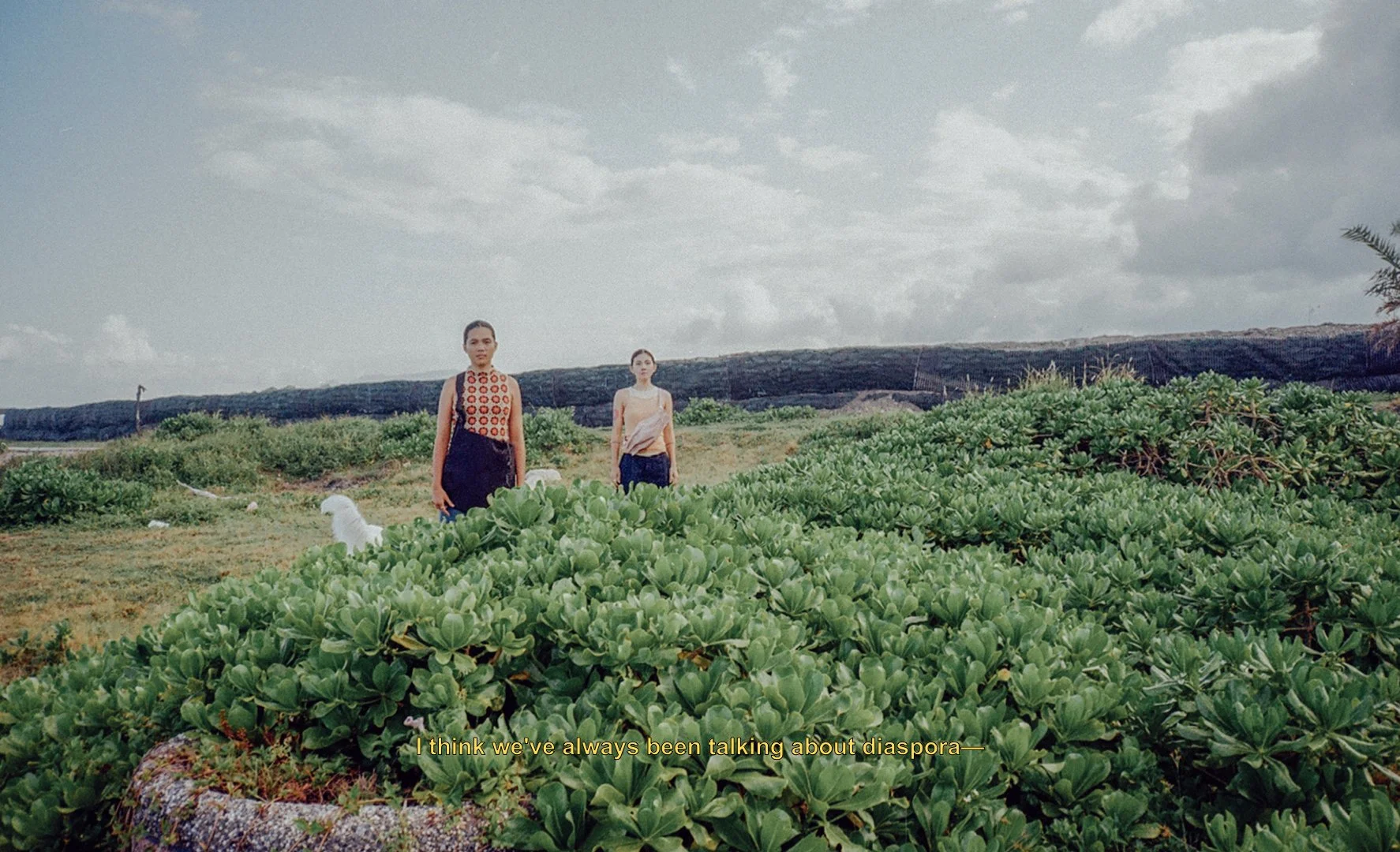
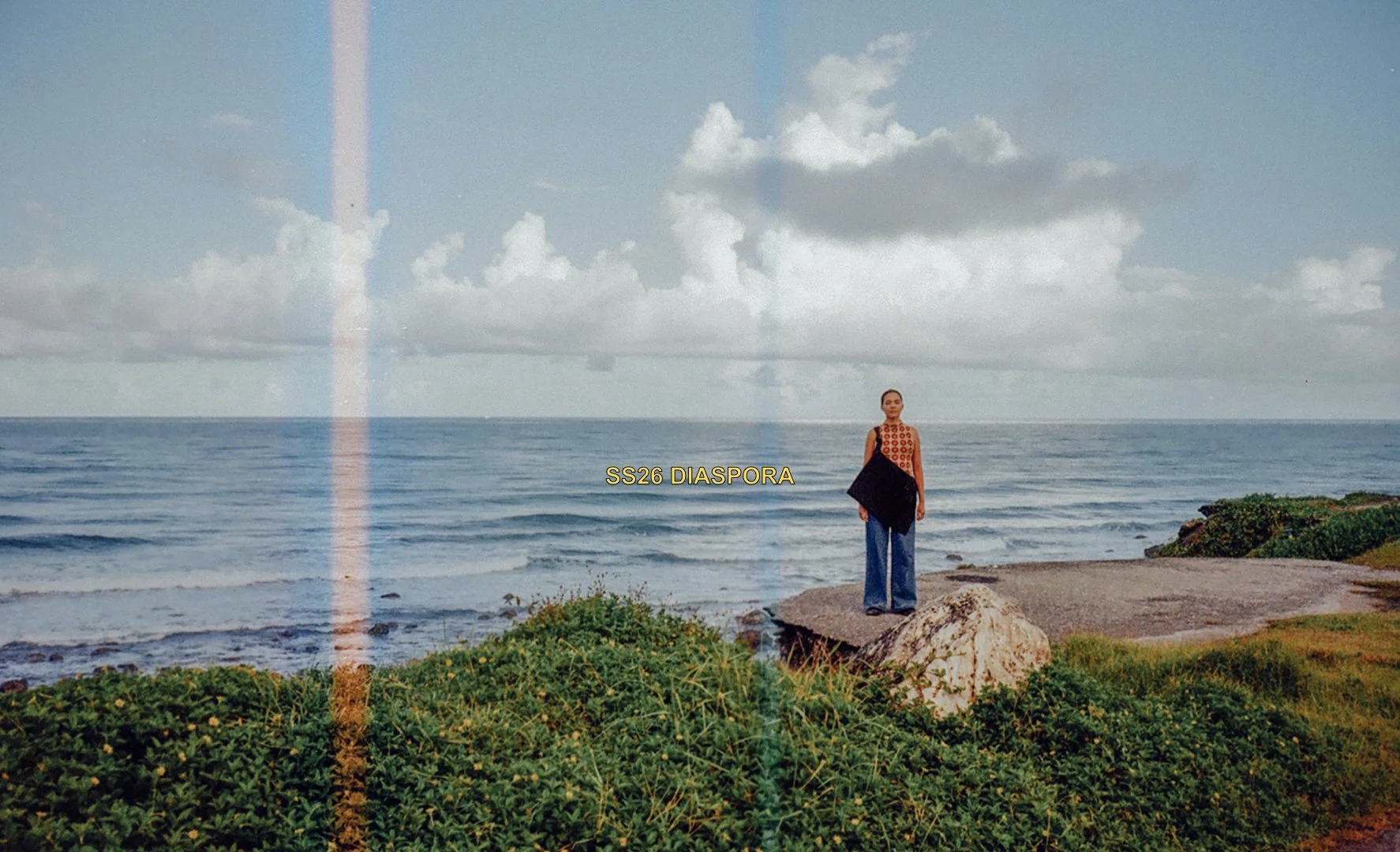
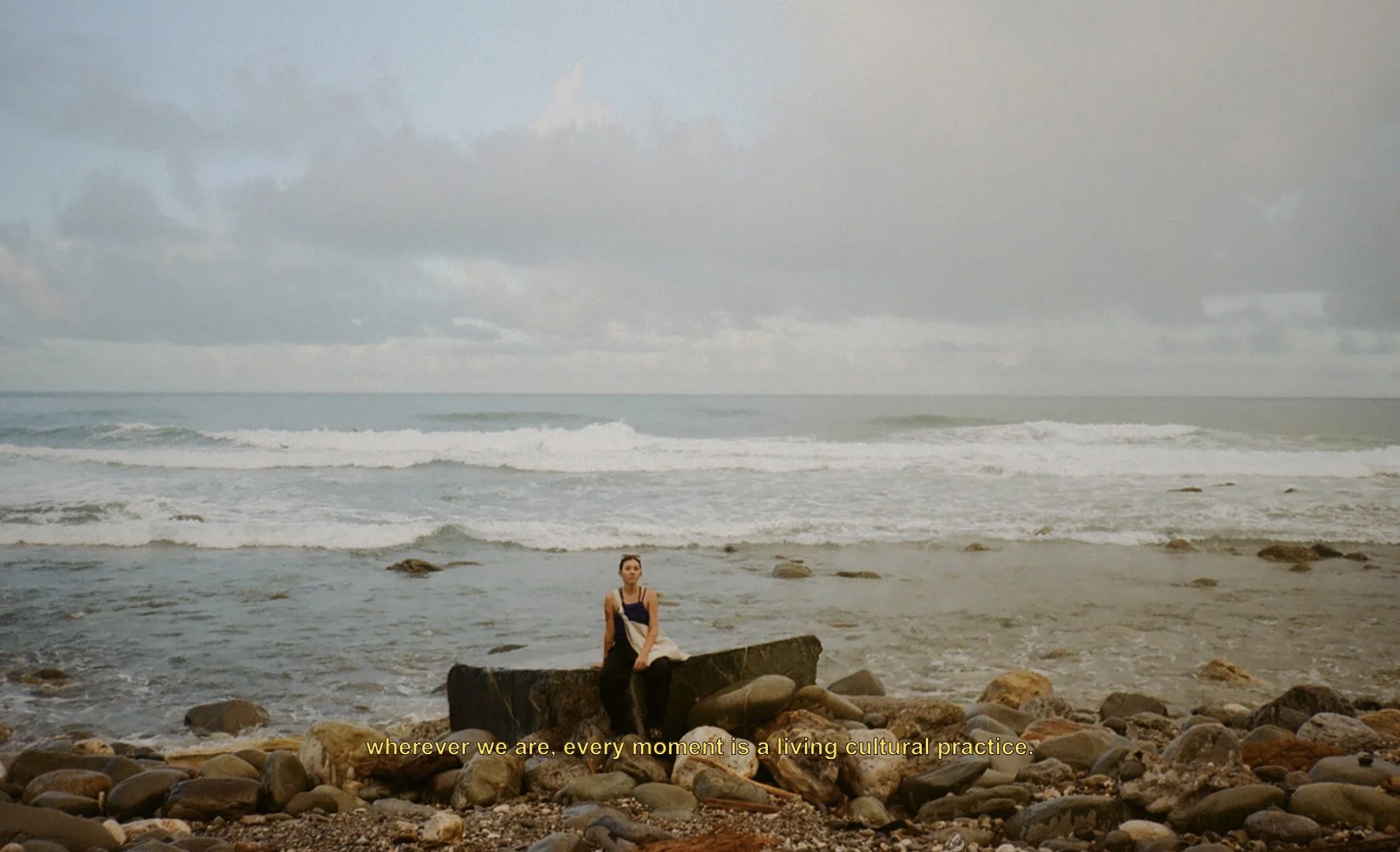
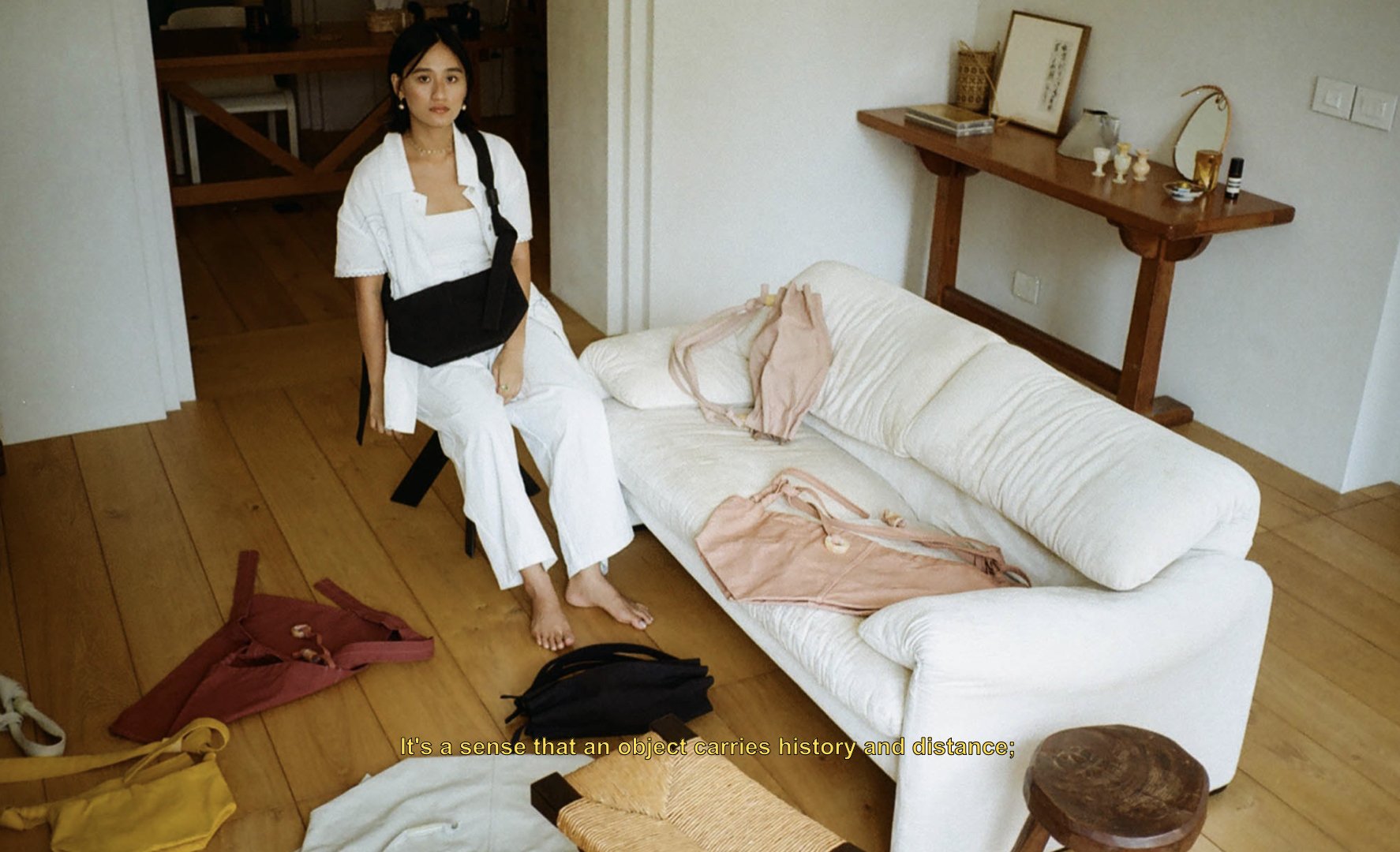
這次的邀請卡是隨機的洗出來的底片,玉石切削和草木煮染動作之間的間隙,還有海風的聲音,以為照片拍下的瞬間是過去,也許其實是在拍攝的當下打開一個開口,讓未來滲進來。
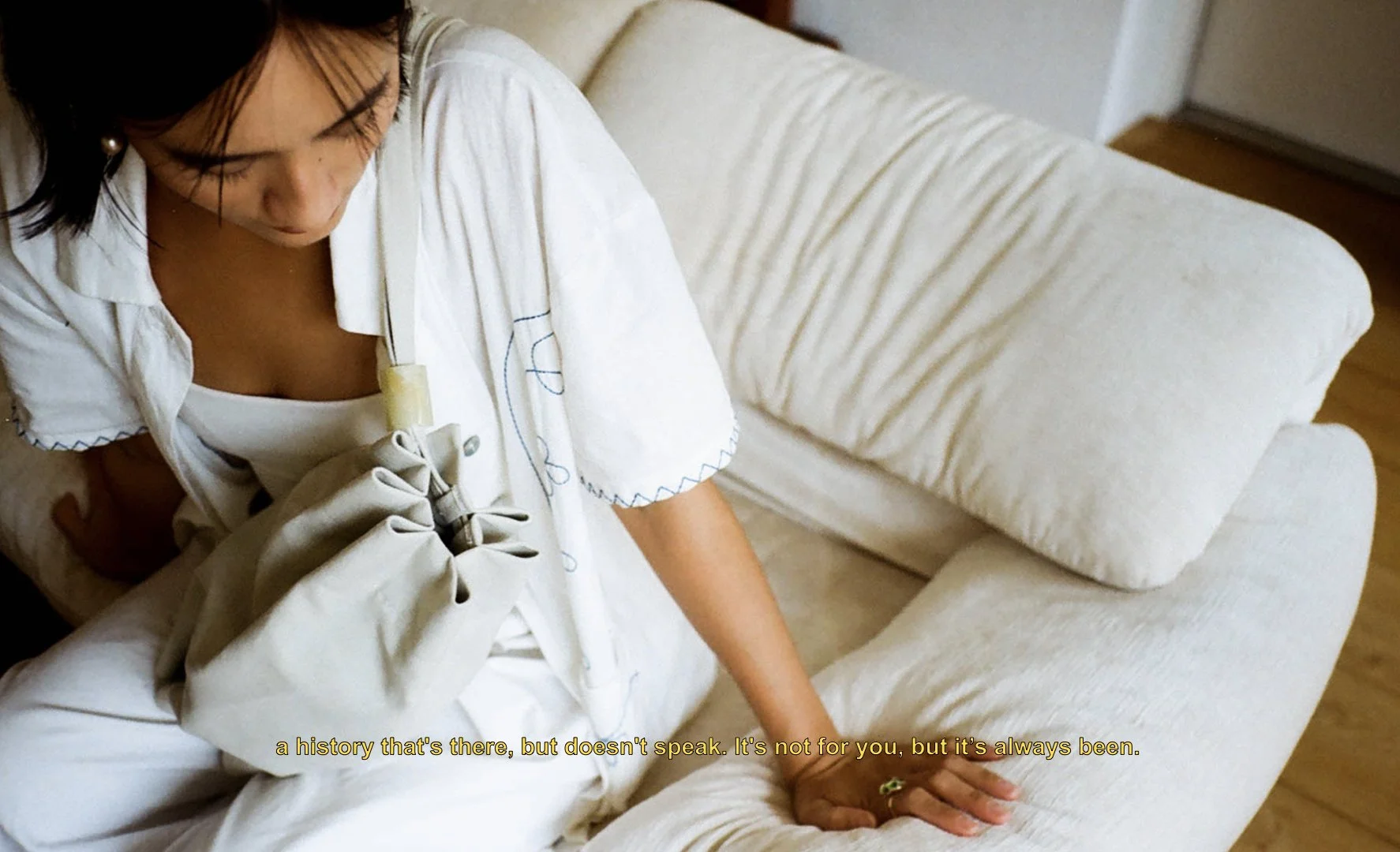
「在早已逝去的那個拍照時刻的本質裡,它的未來仍意義深遠地盤踞至今」,班雅明在攝影小史裡這樣寫。
小底片們陸續寄出中,記得留意實體信箱 📬
—
the invitation form for our new canvas and jade collection is now open, marking the 9th season of our fifth year!
// form closes: sunday, november 9th
// invitations delivery: starting monday, november 10th, via standard mail. (we ship worldwide!)
// new collection launch: friday, november 21st
During the exhibition, purchases from the Canvas & Jade collection will come with a small incense holder made from jade offcuts as a gift.
details
Jade Charms
We use old materials from Hualien factories to make jade charms. Local masters are skilled in traditional handwork and revolve techniques, able to turn stone into jade vases and other forms.
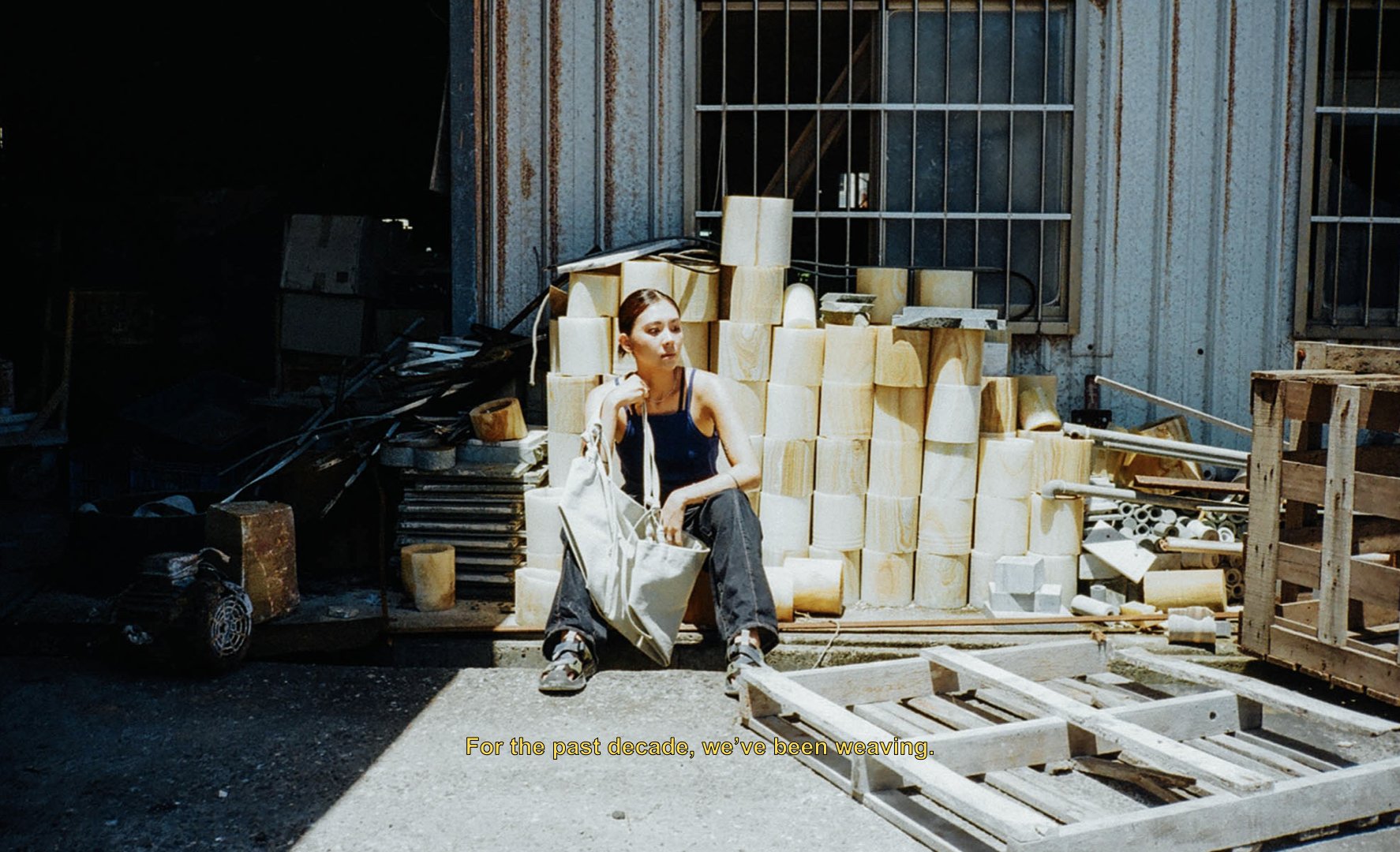
Our products use jade and marble sourced or processed in Hualien, long known as Taiwan’s "Marble City." For decades, the region has been a hub for stone processing and trade, with factories specializing in cutting, polishing, and reworking stone. The craft remains part of daily life, from marble sidewalks in Hualien City to jade vessels produced in local workshops. Many families are still connected to the stone industry, showing the craft’s long presence in the community.
Jade
w
/
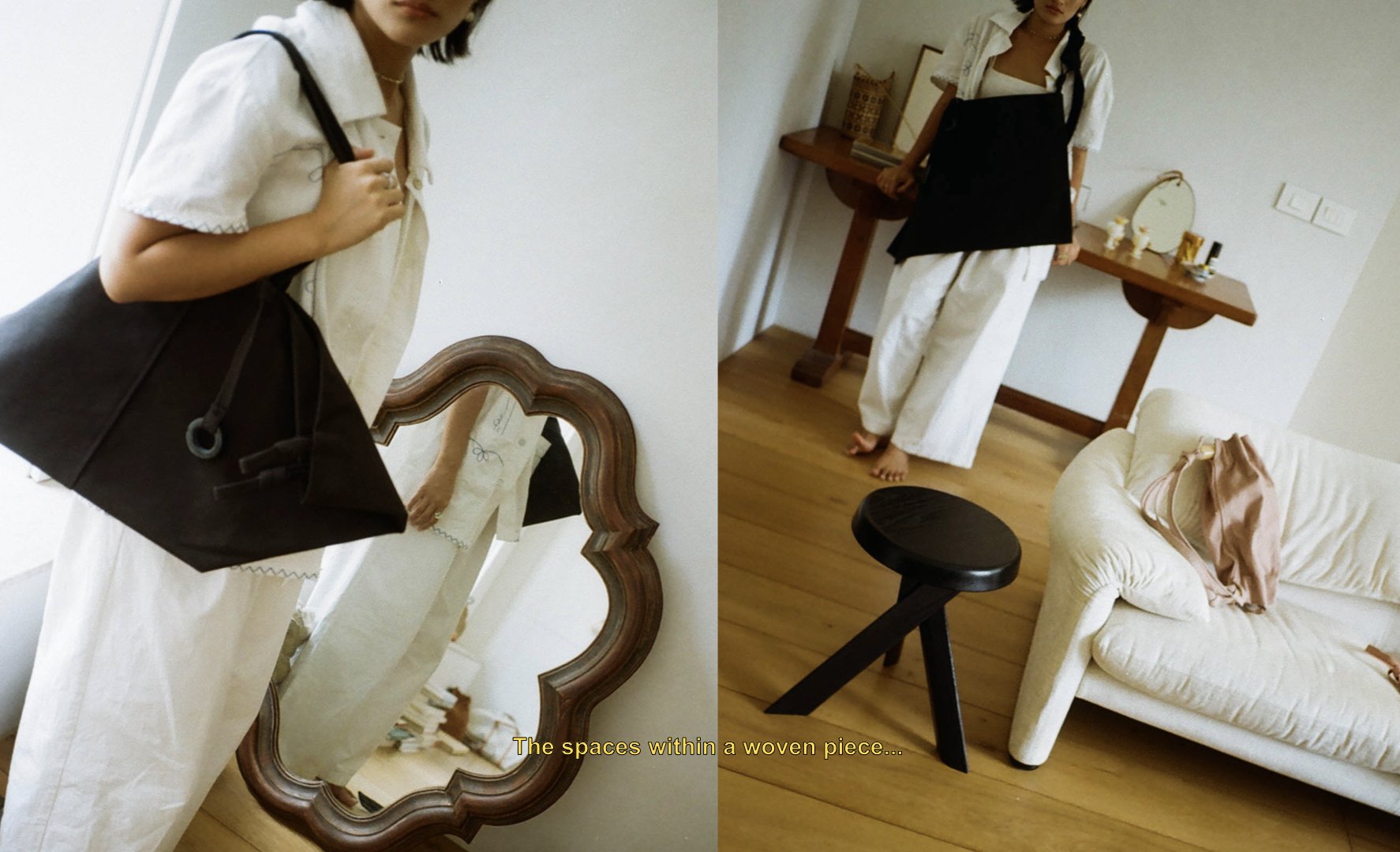
Black Bag
Hualien Ink Jade (墨玉)
Native to Hualien, from the same mining area as Fongtian Jade (Taiwan Jade). Archaeological research shows that many prehistoric jade artifacts of the Austronesian world originated here.
w
/
Black Bag
w
/
Ivory Bag
Green Jade (青玉石)
Processed in Hualien.
w
/
Ivory Bag
w
/
Natural-Dyed Bag
Red Jade (紅龍玉)
Processed in Hualien.
w
/
Natural-Dyed Bag
Weaving
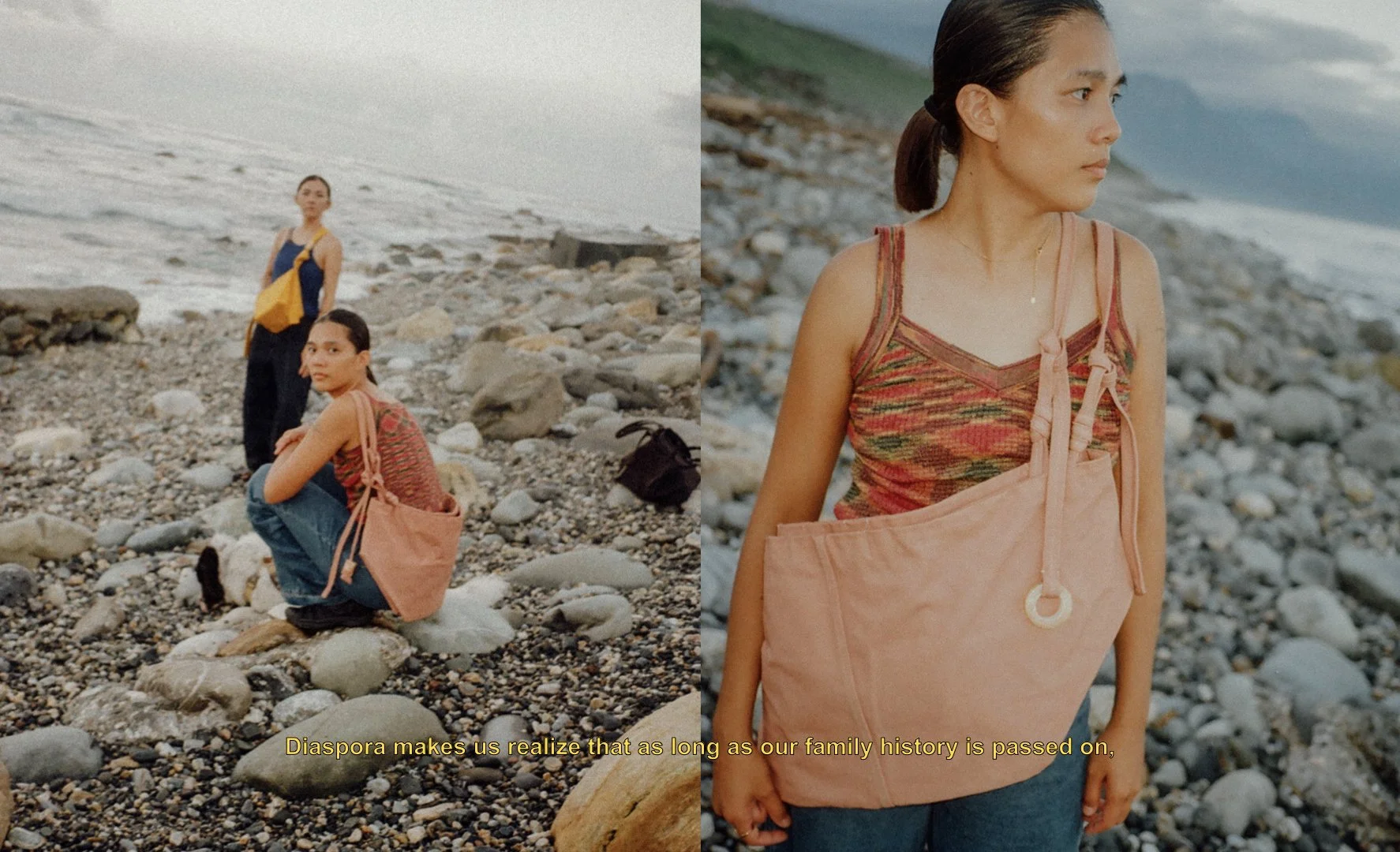
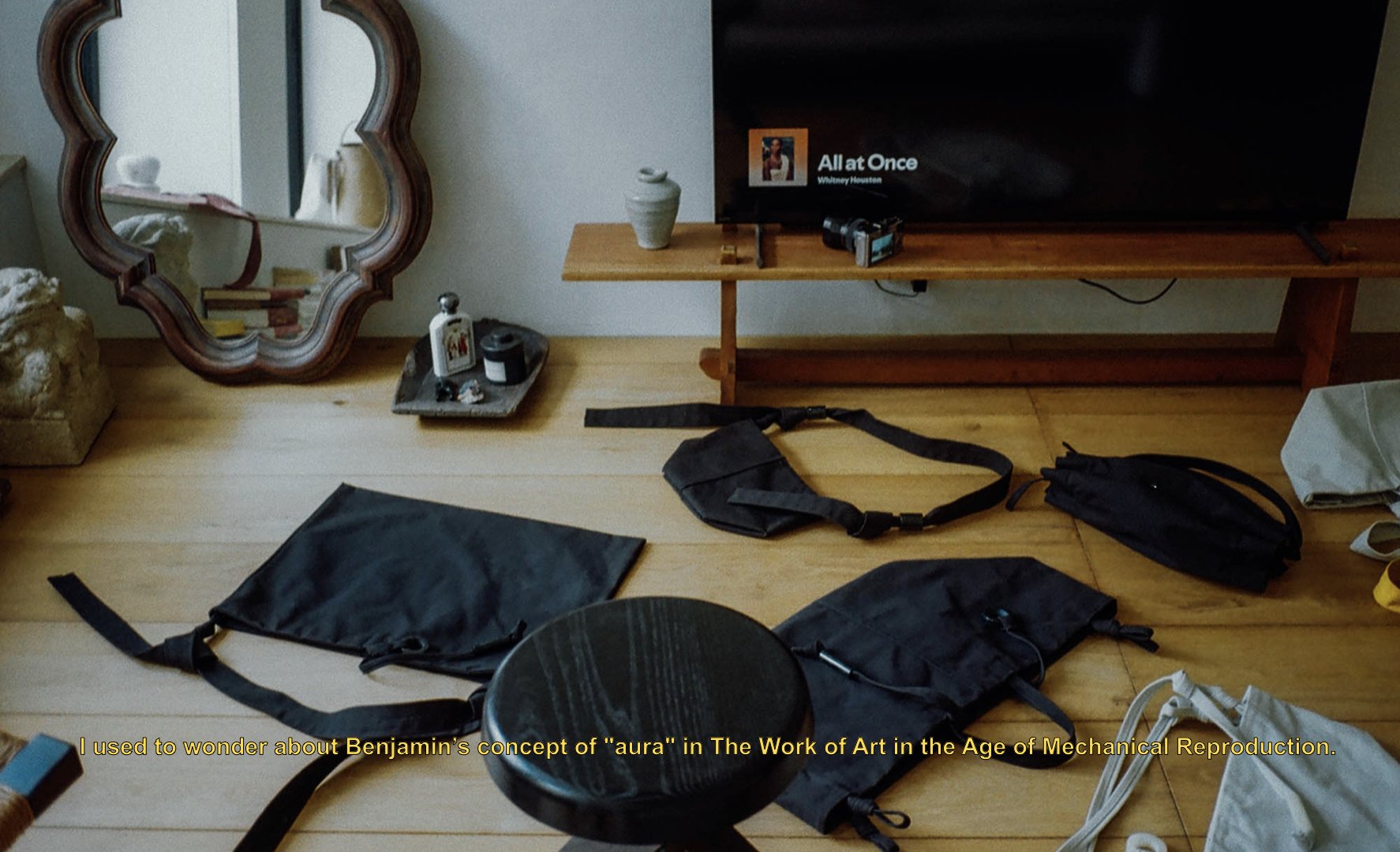
The SS26 collection explores the idea of "diaspora," approaching weaving as an open and adaptable practice.
In Pangcah homes, wooden joints form the main structure, while rattan is used to tie them together. These tight knots act like natural nails, securing the house with strength and stability. The same tying method is applied to the knots that connect the canvas and handles of our products.
Canvas
We use canvas for its durability, strength, light weight, and ease of cleaning. Our canvas is 100% cotton, customized and woven in Taiwan.
The fabric is made with a plain weave specification developed with a weaving factory in Changhua, Taiwan. It has a higher thread count than typical canvas, giving a denser texture while maintaining a standard 16-ounce weight. This density provides durability and a smooth surface.
Dyeing & Colors
The canvas is dyed in custom colors at a factory in Taoyuan, Taiwan, in compliance with EU STANDARD 100 by Oeko-Tex.
* Ivory: Our signature color, close to a silvery gray with a subtle sheen.
* Black: Cold-dyed cotton, where the fabric is hung and slowly rolled to achieve an even tone.
* Un-dyed: Fabric kept un-dyed for plant dyeing at our Hualien studio.
Craftsmanship
Each bag is sewn in a family-owned factory in Banqiao, Taipei, by senior craftswomen with decades of experience.
The canvas is resin-coated on the reverse side, making it washable, water-repellent, and stain-resistant while keeping the front surface natural. With use, it will develop patina. The fabric is Oeko-Tex® certified.
Natural Dyeing
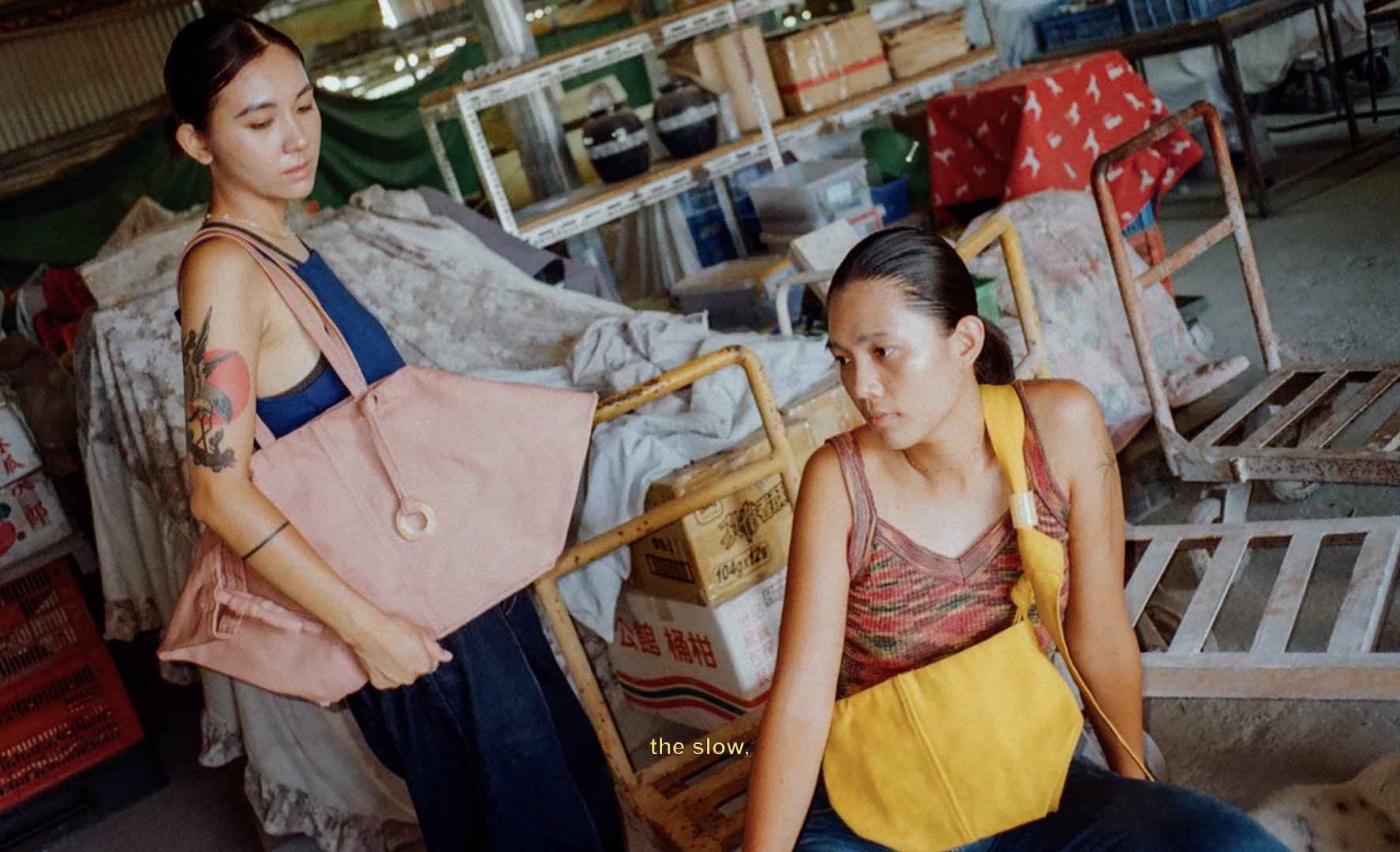
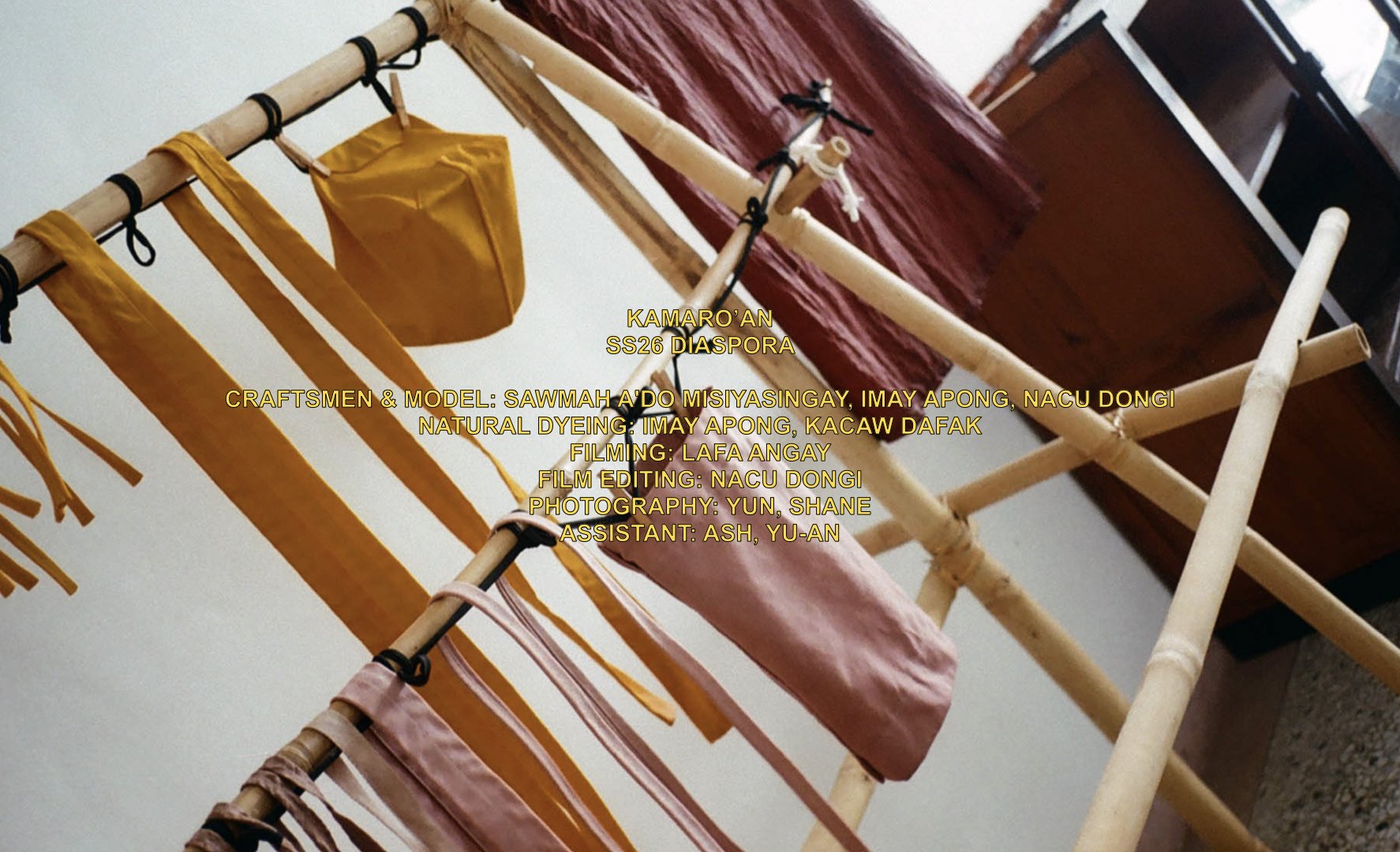
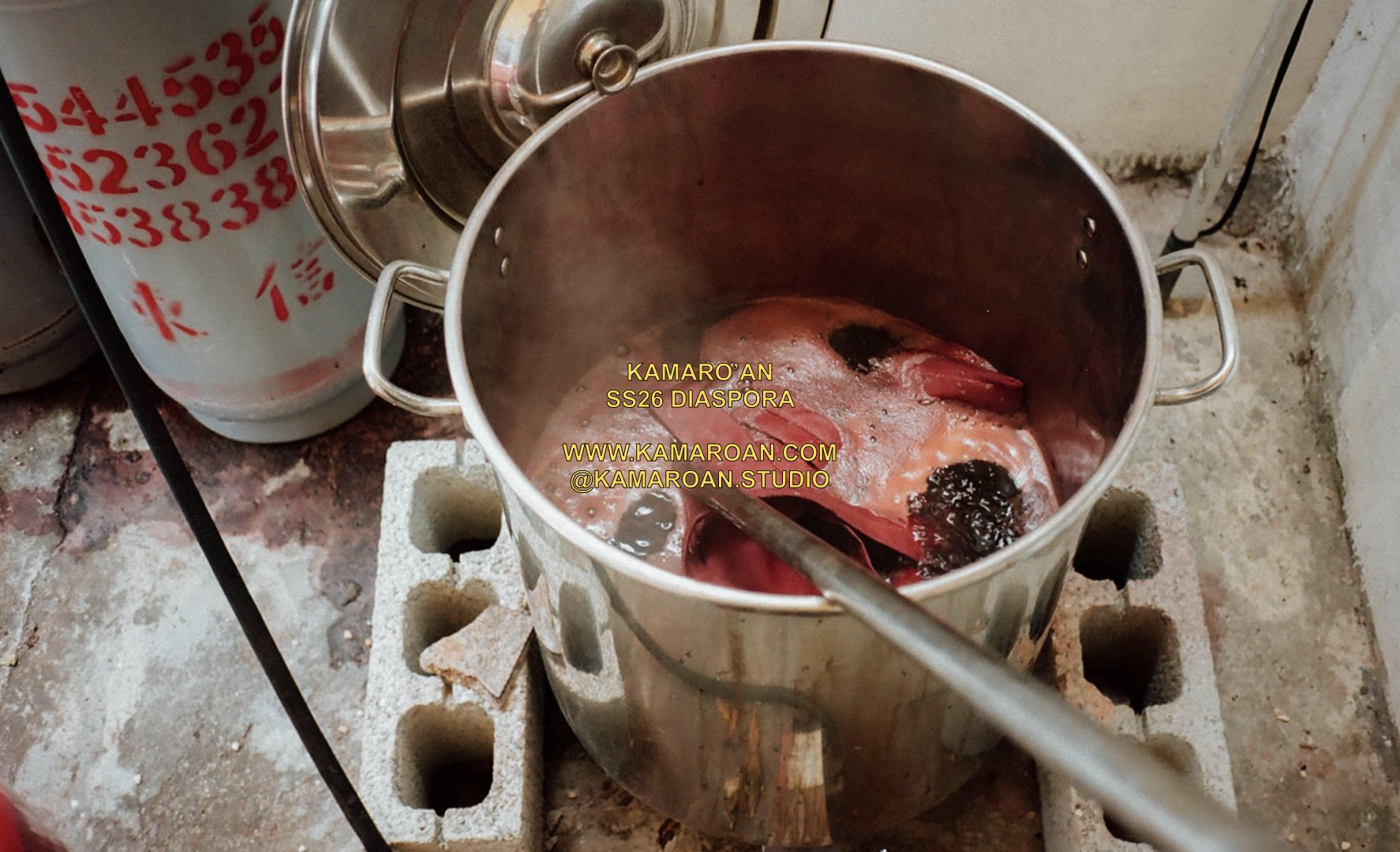
We work with local plants as dye sources, using what grows around us in Hualien. The process is based on craft practice and produces fabrics with unique textures and visible traces of dyeing.
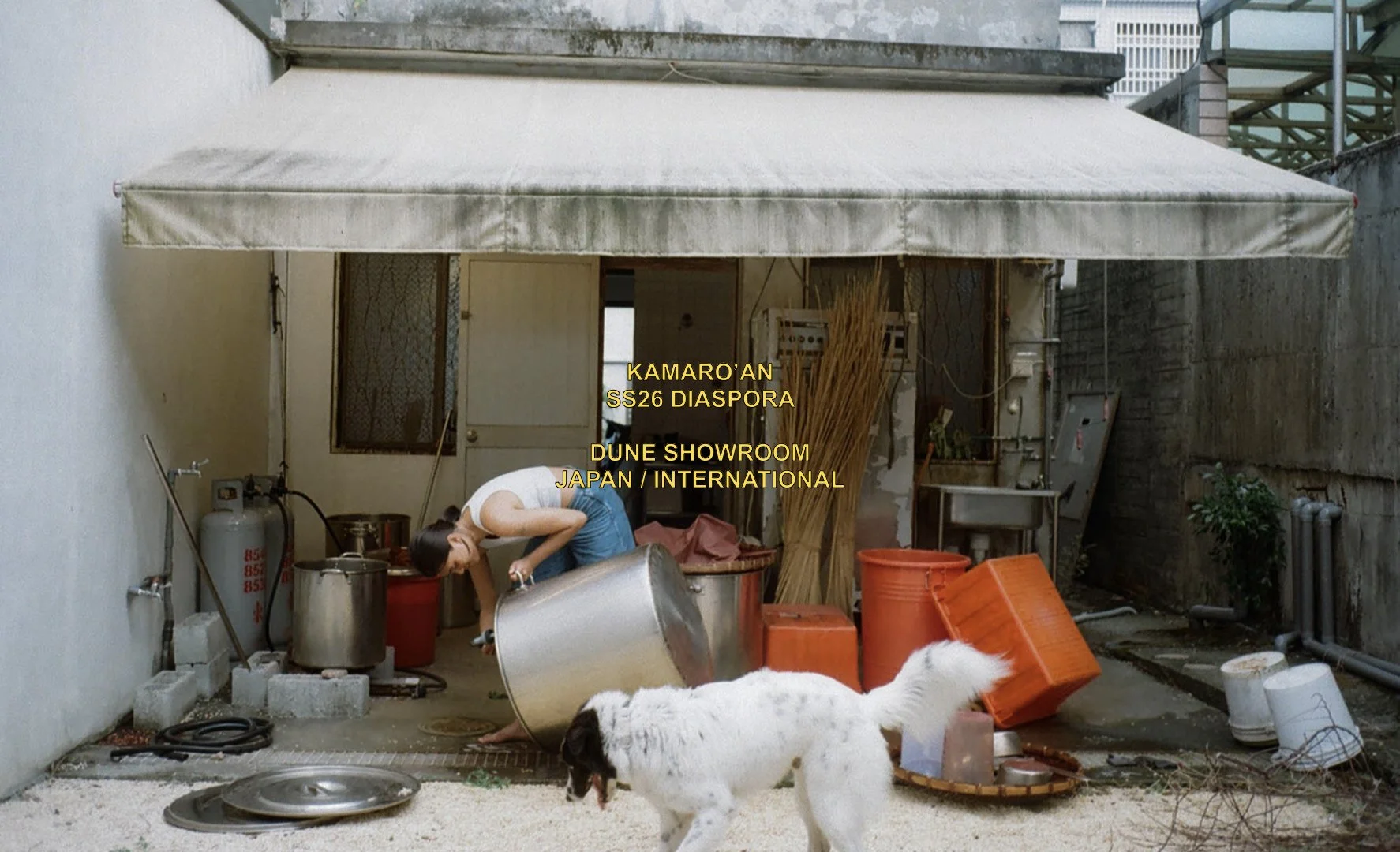
At our Hualien studio, craftsmen Imay and Kacaw handle the dyeing. The work involves boiling, layering, and sun-drying, responding to seasonal and material conditions. It is a hand process passed on through practice.
Colors
Shoulang yam (薯榔, koleto’)
Rich in tannins, once used by the Pangcah people to strengthen nets and cloth. Produces a brownish-red that darkens with sun and use.
Betel nut core (檳榔心)
Central to Pangcah daily life, yielding a pinkish-orange known as “the color of love.” The tree also provides food, materials, and often serves as a boundary marker.
Fukugi tree (福木)
An evergreen in eastern Taiwan and Okinawa. Its leaves and branches give a bright yellow that gradually turns golden.
Dye Variation and Care
Each piece is distinct. Colors shift with weather, soil, and time, creating uneven tones and marks that form part of the fabric’s character.
Avoid prolonged direct sunlight. Hand wash in cool water with neutral detergent, and hang to dry naturally.
Flat Tote
Cube Tote
Fisherman Bag
Tafolod Mini Bag